Rembrandthuis - Amsterdam
To get my money’s worth, I went back to Amsterdam last Saturday. This time, the Rembrandt House was on the agenda, and possibly also the roof terrace at Nemo Science. I didn’t manage to visit either of them last time. Of course, I set off too late and the distance is too great, but I’d calculated that I’d be able to get in and out just before the museum closed. The city was absolutely packed and, in that respect, actually much more lively than last time.
When you leave Central Station, walk straight ahead and then turn left down a street into the city centre – or rather, the Chinatown district. It’s not actually that difficult to find. There are also signposts. So you can just leave Google Maps behind.
If you cross the bridge, you’ll see the large green ship in the distance on your left – this is Nemo. Walk a little further straight on and you’ll see the school of dance and theatre on your left, with the Rembrandt House directly opposite. Admission isn’t free and is quite pricey, but you can easily spend a fair amount of time there. The audio guide is a small device that can be set to the language of your choice, and the rooms are discussed one by one, along with the items on display, including Rembrandt’s paintings, his collections and some broken utensils that were retrieved from the cesspit.
In the photos below, you can see the house where he lived with his wife. The couple were very much in love, and she died young. She was definitely the one who made the social connections, as Rembrandt himself wasn’t exactly the easiest person to get on with. In the other photos, you can see the hall – the space you enter through the front door. All sorts of paintings hung here, by Rembrandt but also by other artists. These paintings were for sale and, of course, to show off. In fact, he had also set aside a room in the house itself as his personal museum. He didn’t buy everything; we can safely say that he also pilfered or stole quite a few things, even from friends.
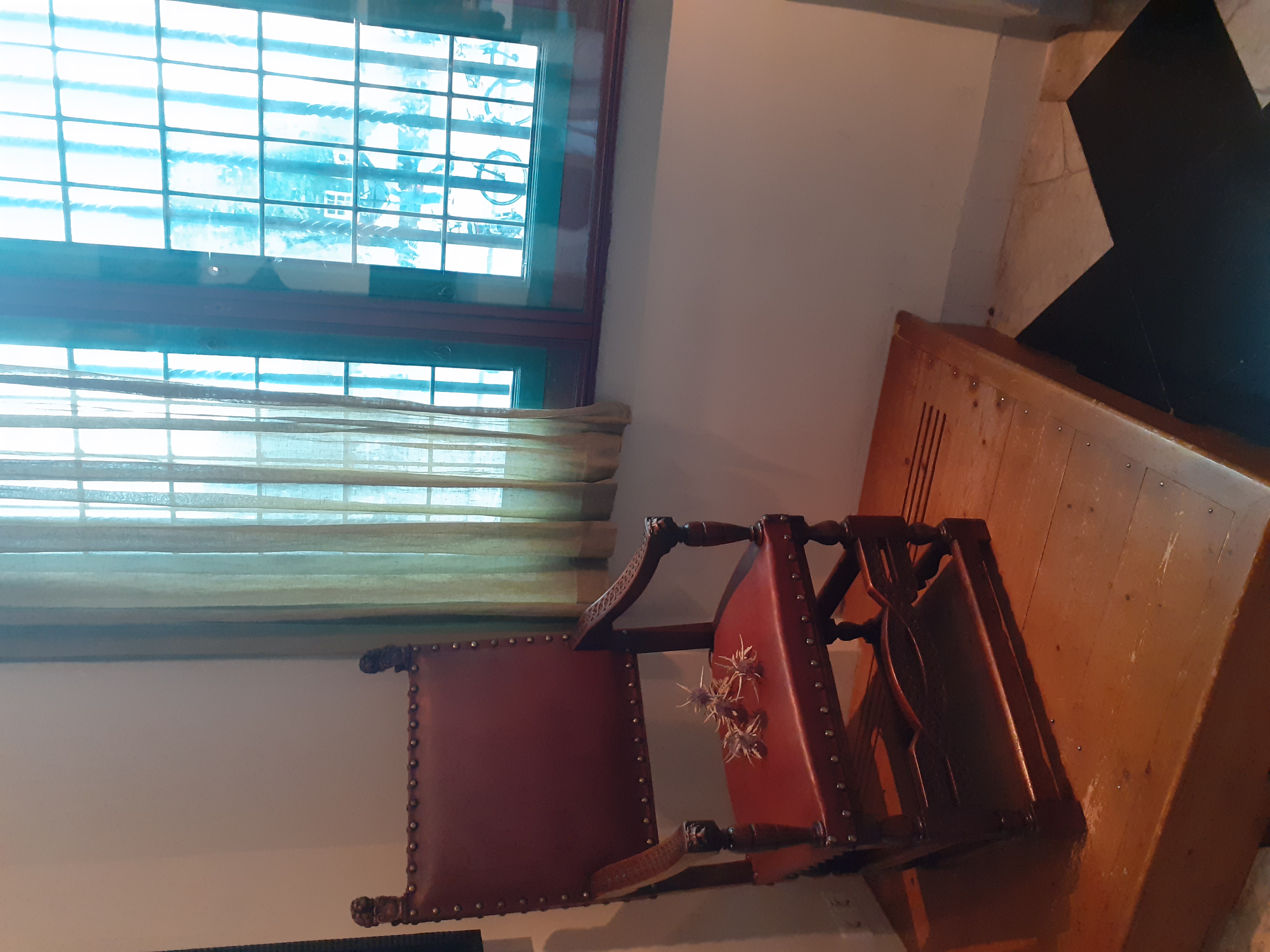
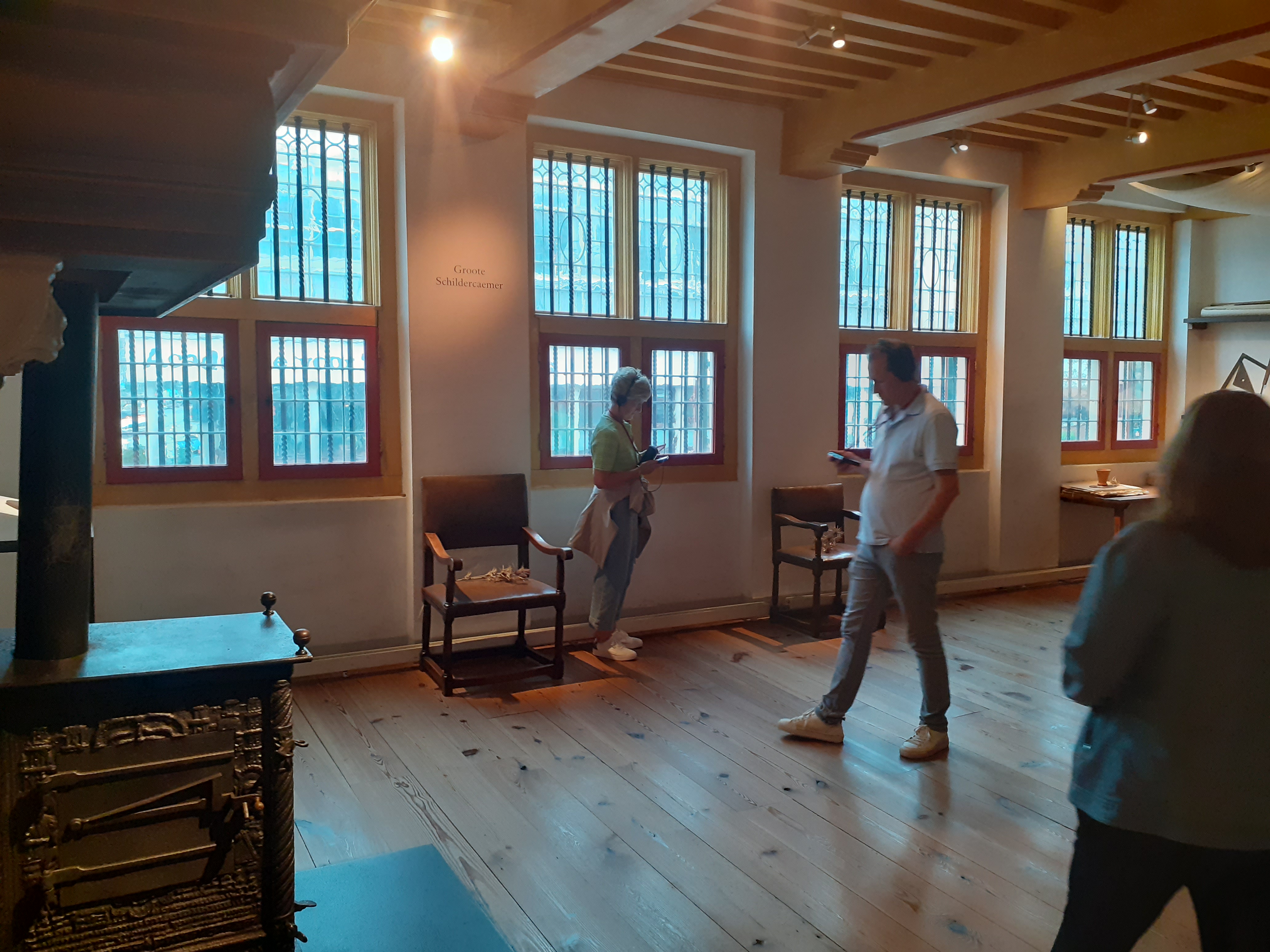
The chair standing on a small raised platform in the hall is intended for sitting down and looking out of the window. There was plenty to see on the street.
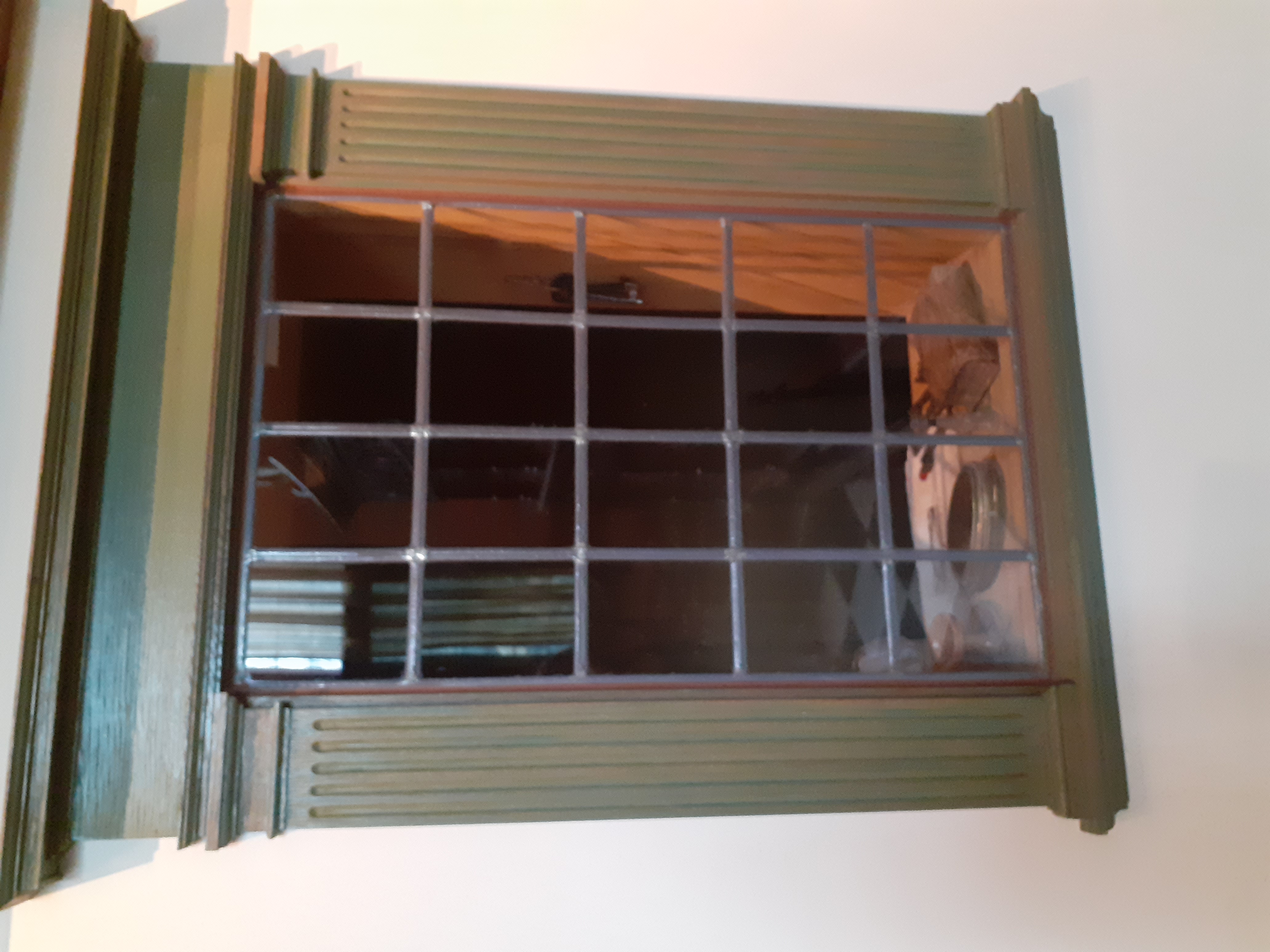
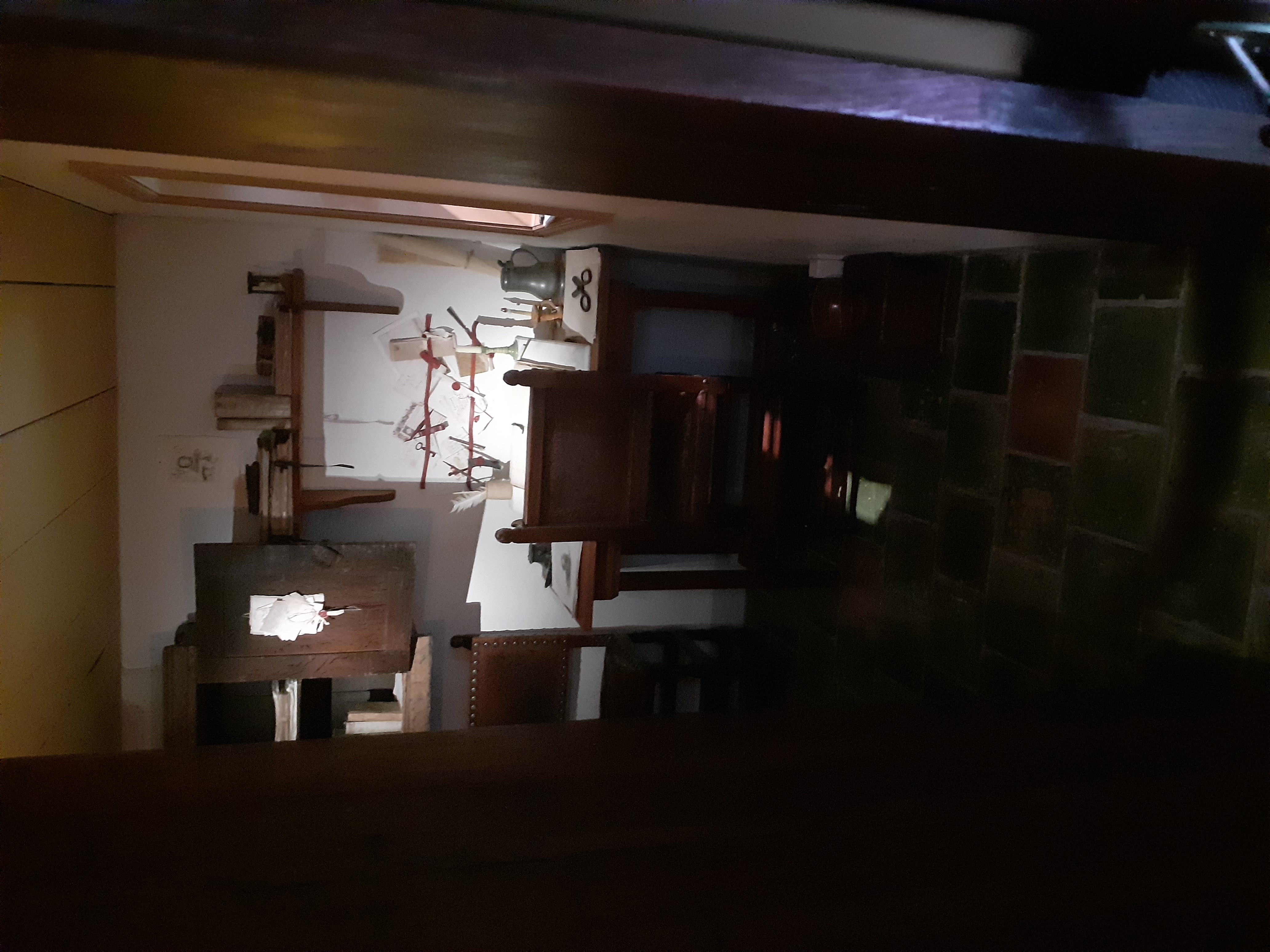
It also has a small window, and behind it is a tiny office. Some sort of accounts must have been kept here, although Rembrandt wasn’t very good at business and he had to leave the house because he was in financial difficulties. He moved into a rented flat.
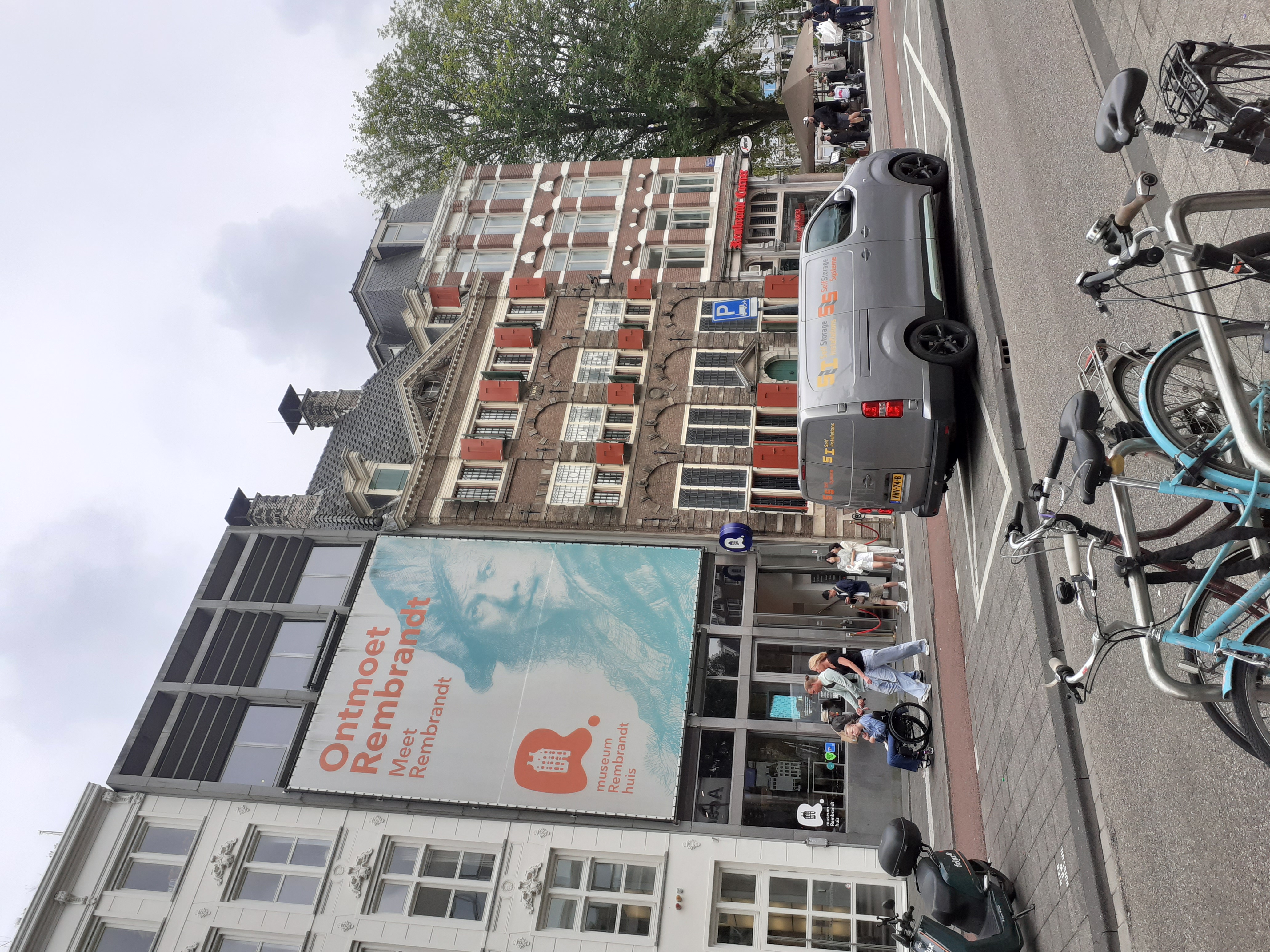
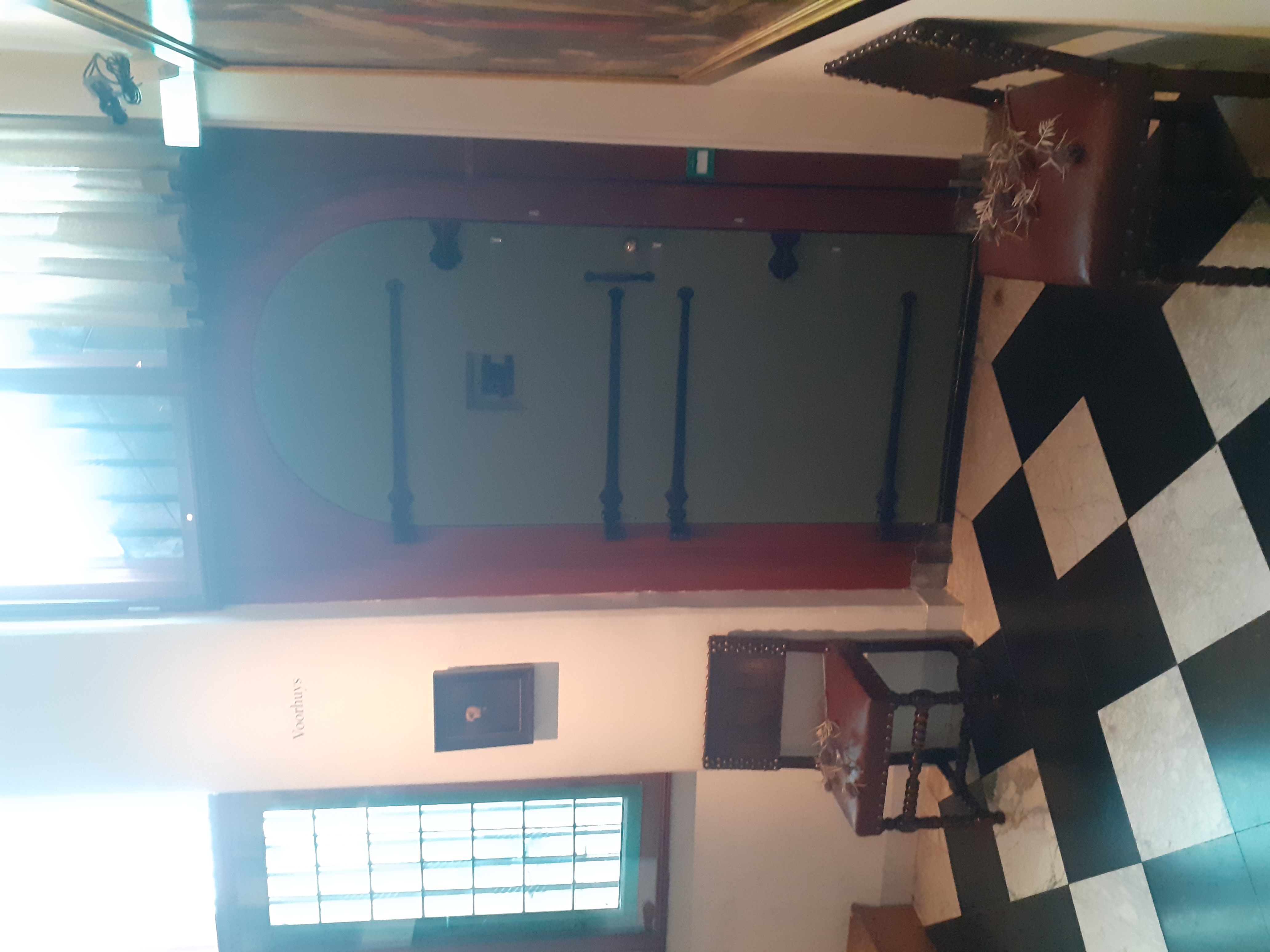
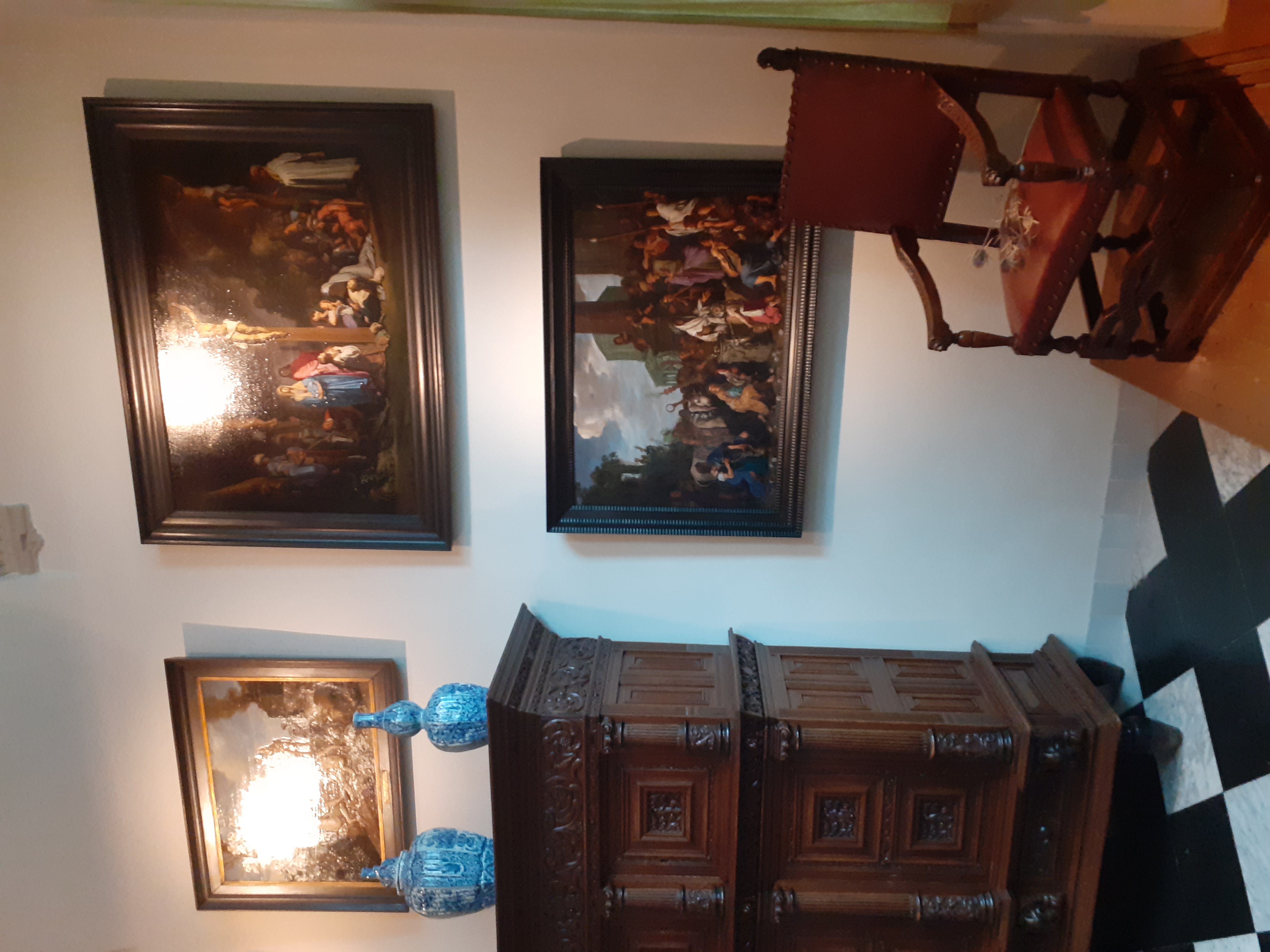
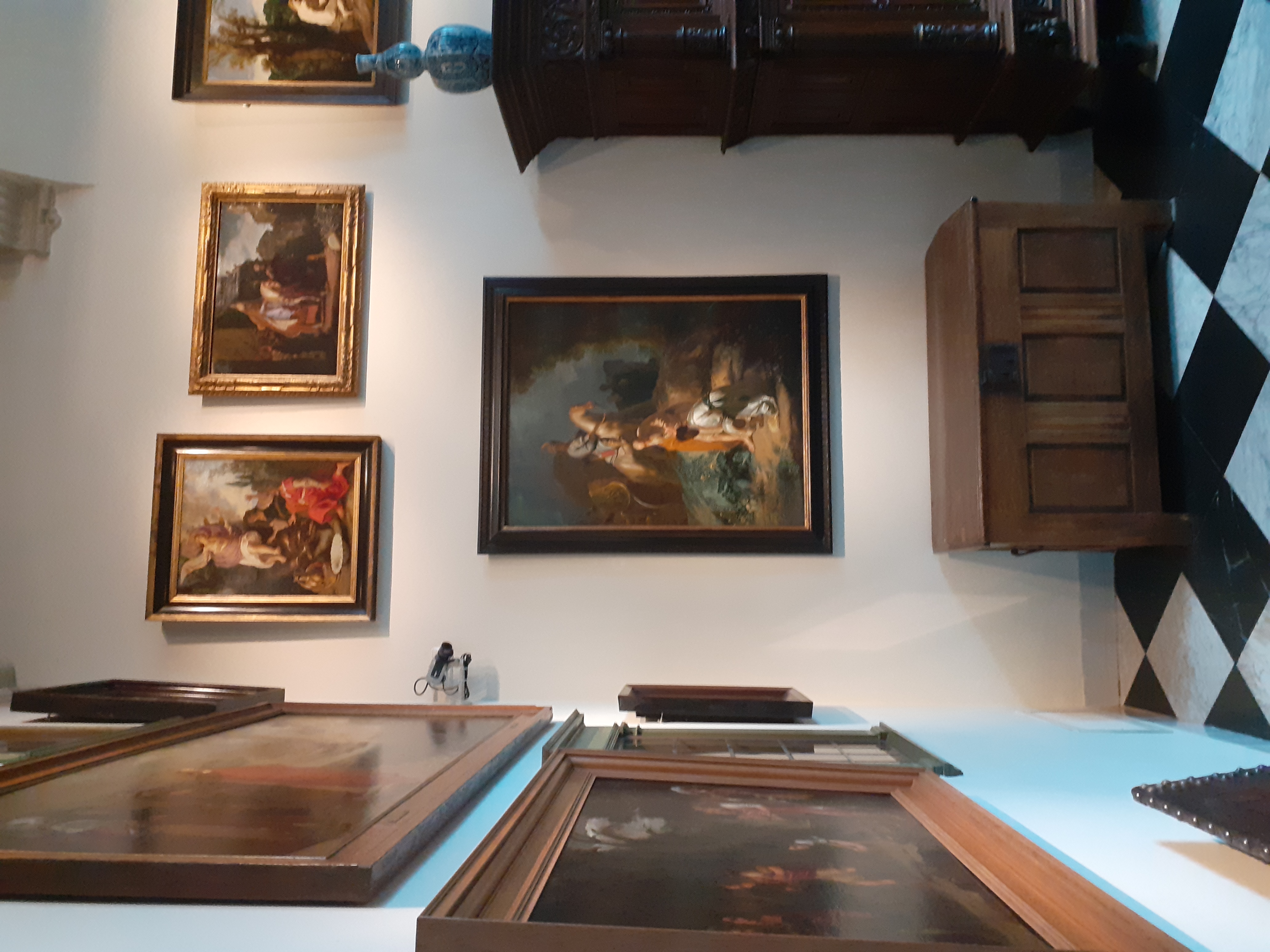
Rembrandt may well be talented, but his character leaves something to be desired, certainly when it comes to women and his friends. After his wife dies, he starts an affair with the housekeeper. And despite his promises, he does not marry her but has her committed to an institution. He does enter into a relationship with the next housekeeper, Hendrickj; he does not marry her either, but they do have a son, Titus. It is noteworthy that Rembrandt does have a knack for spotting women who are good at business, and it is indeed the women, and later his son Titus, who take care of his contacts and the sale of his paintings. His girlfriend Hendrickje Stoffels, and Titus theirvson, even sets up a gallery later on to help him.
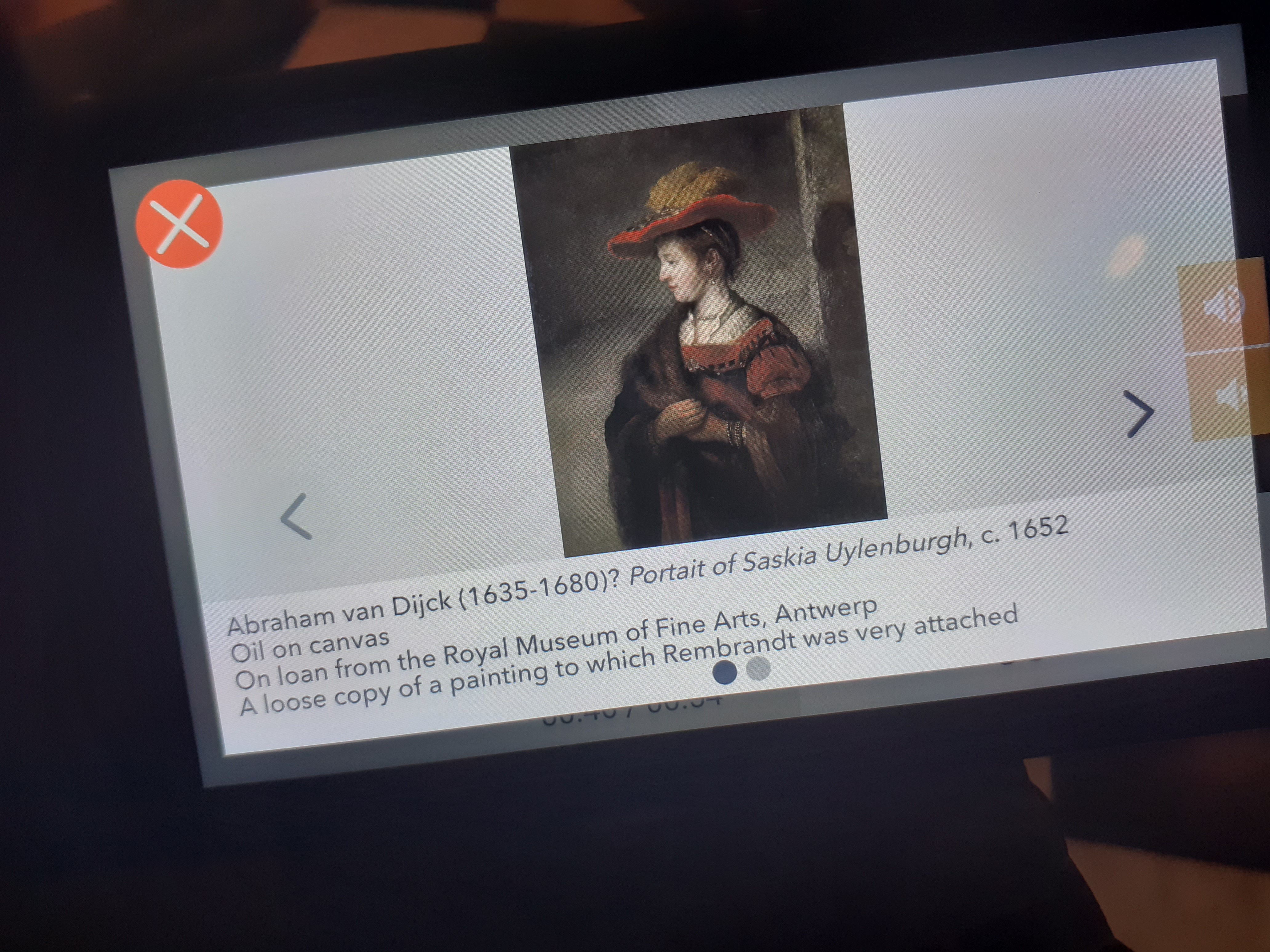
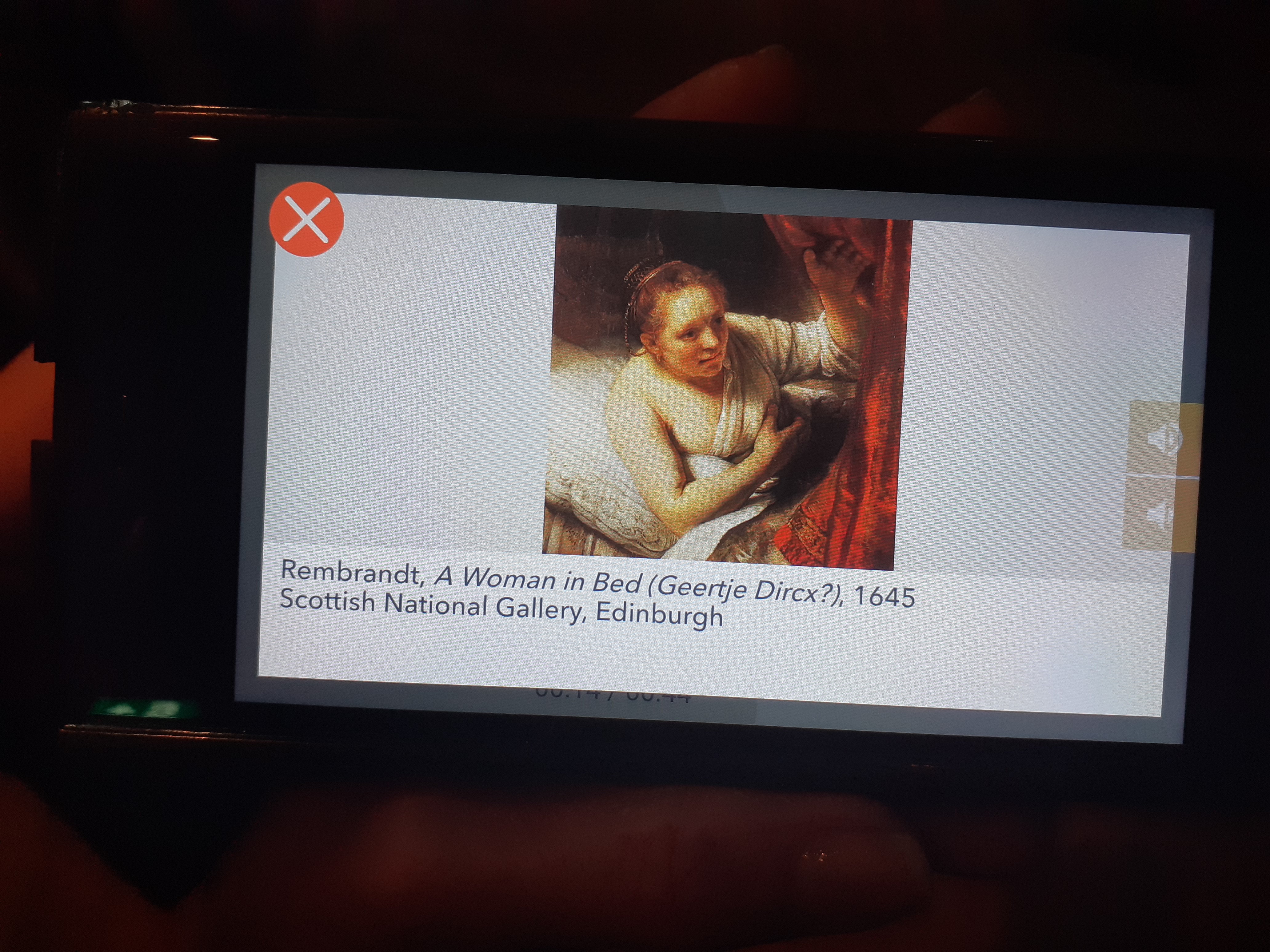
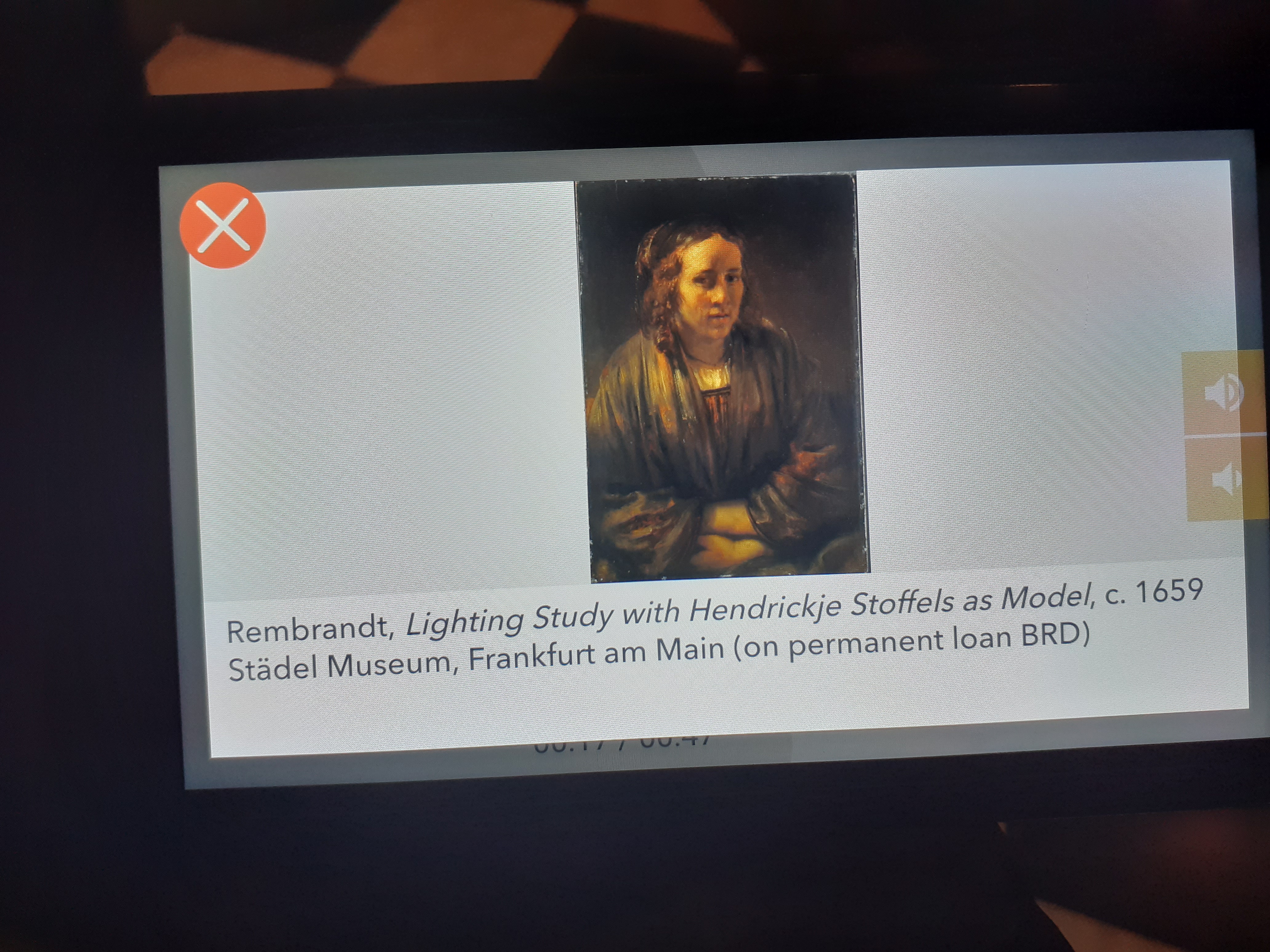
Rembrandt lived in a tiny house until he was in his fifties. He never set foot in the kitchen; that was the maid’s domain, and she also slept in a box bed in the kitchen. For its time, the kitchen was already very modern because it had running water, supplied by a hand pump.
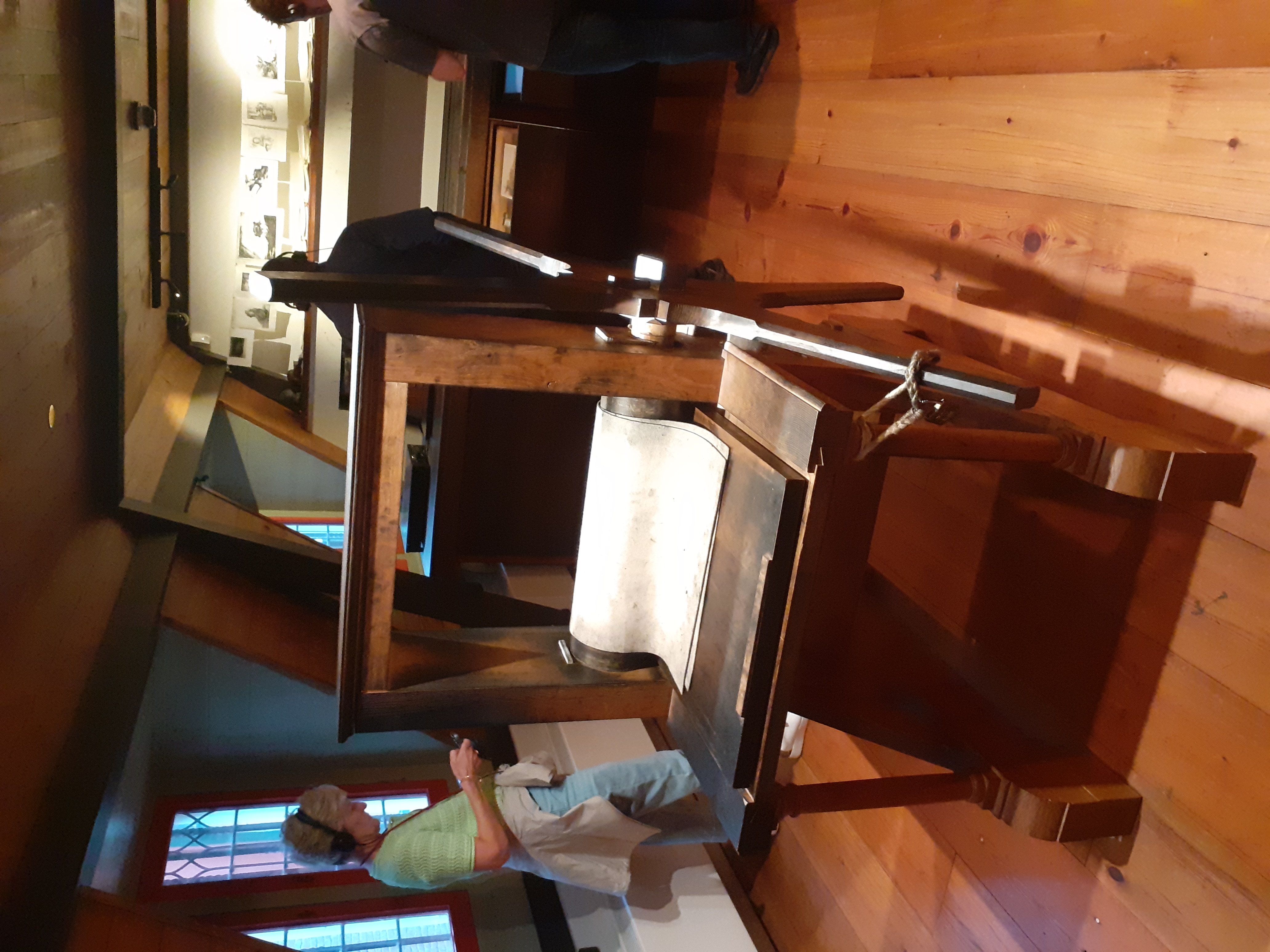
As well as the large entrance hall lined with paintings, there was also a guest room with a single box bed. His personal ‘museum’ was a large living room, where the couple slept in a box bed (there were no separate bedrooms); alongside this, he naturally had his studio, or workroom, a large attic space available to his students who came to paint with him. There was a room for etching (he produced hundreds of them) and a room with a press. We can safely say that the majority of the house was used for his work and passions.
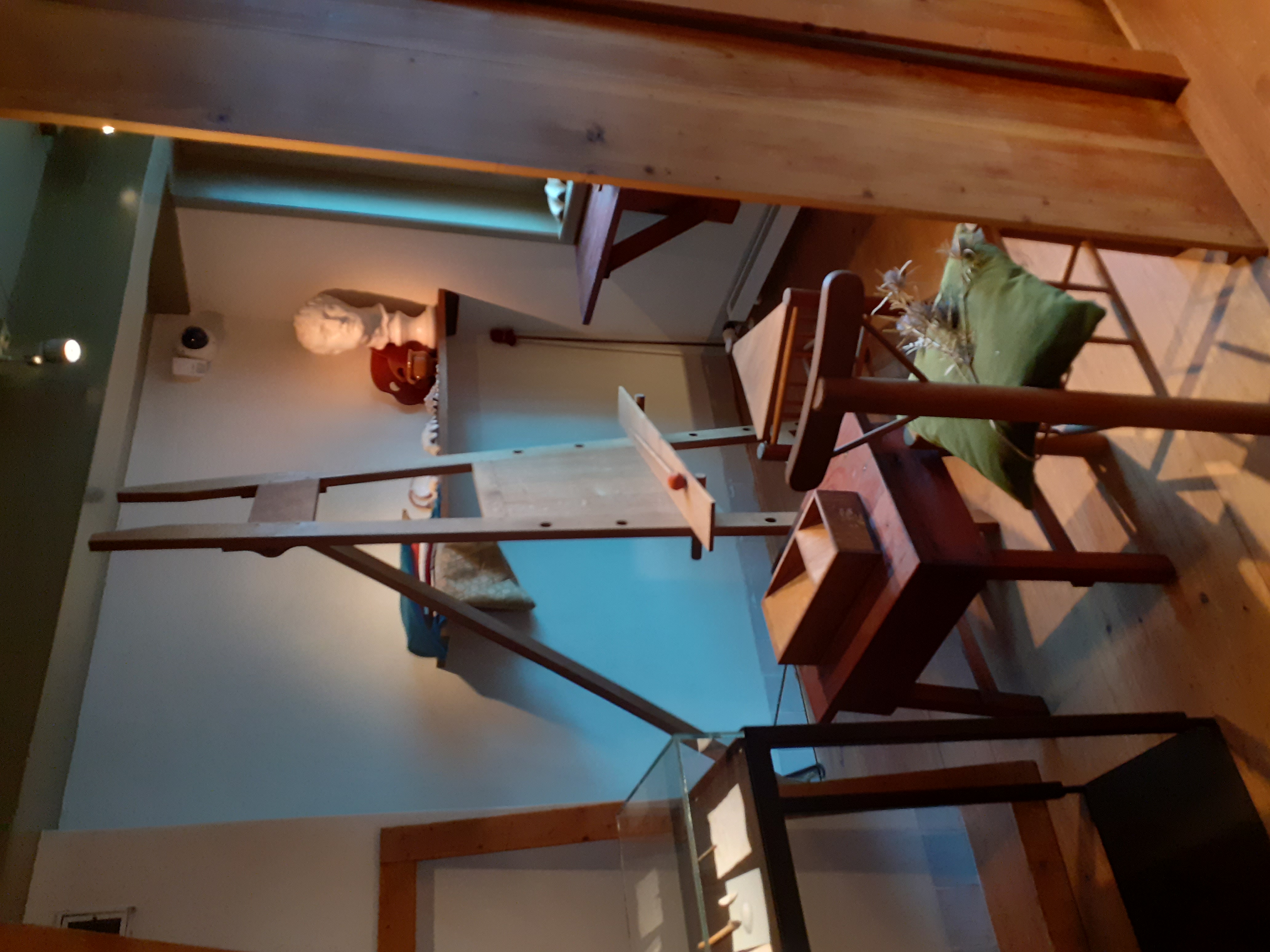
Rembrandt's studio has four windows
The entry fee is 28 euros. You receive the headset and the player for free and also the lockers to leave your stuff in, are for free.
It is allowed to take photos, but no flashlight is permitted
There are plenty of paintings to observe, but most of them are not painted by Rembrandt. There are made by his teacher, a part by friends or those he admired.
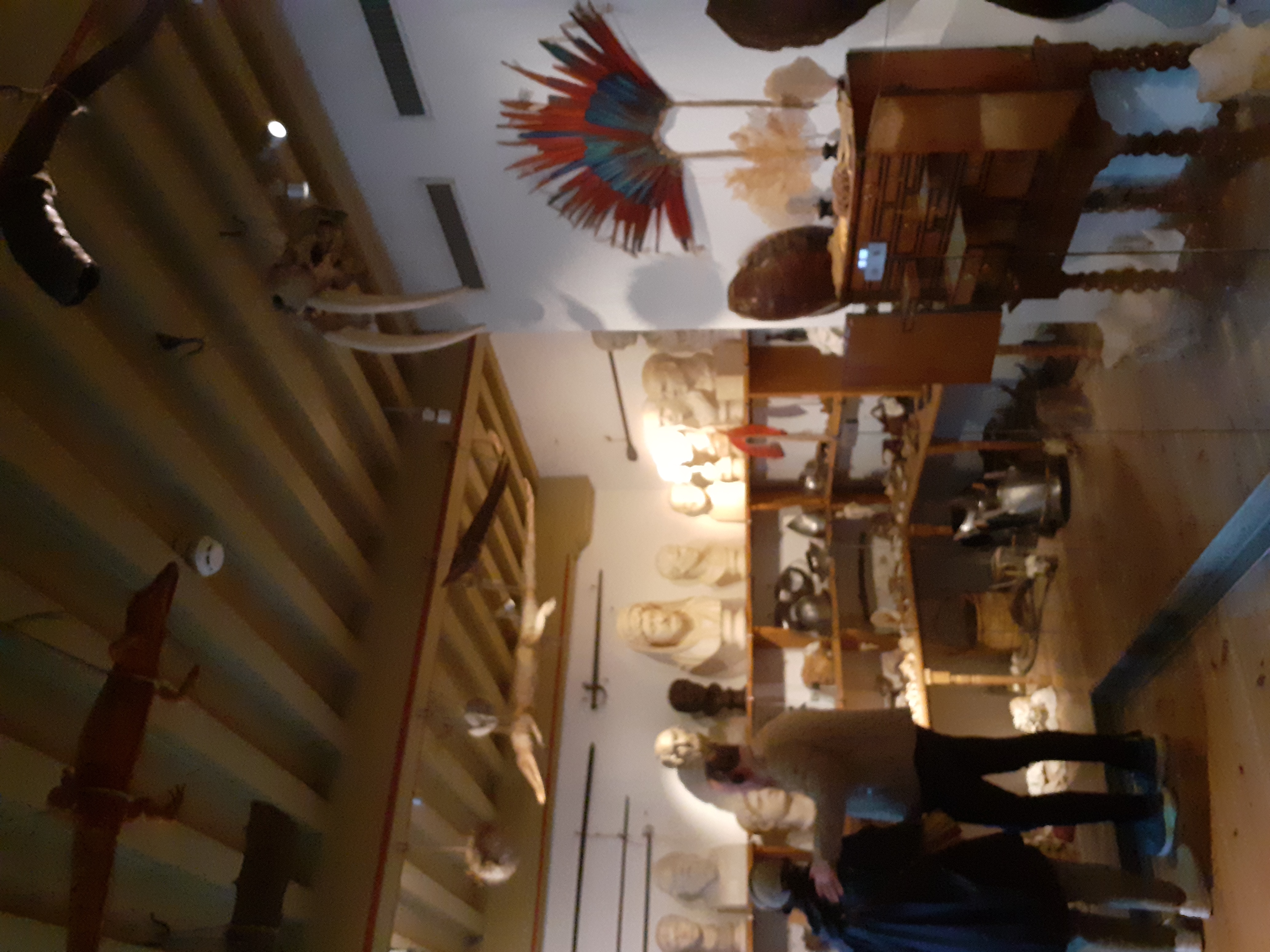
His private museum
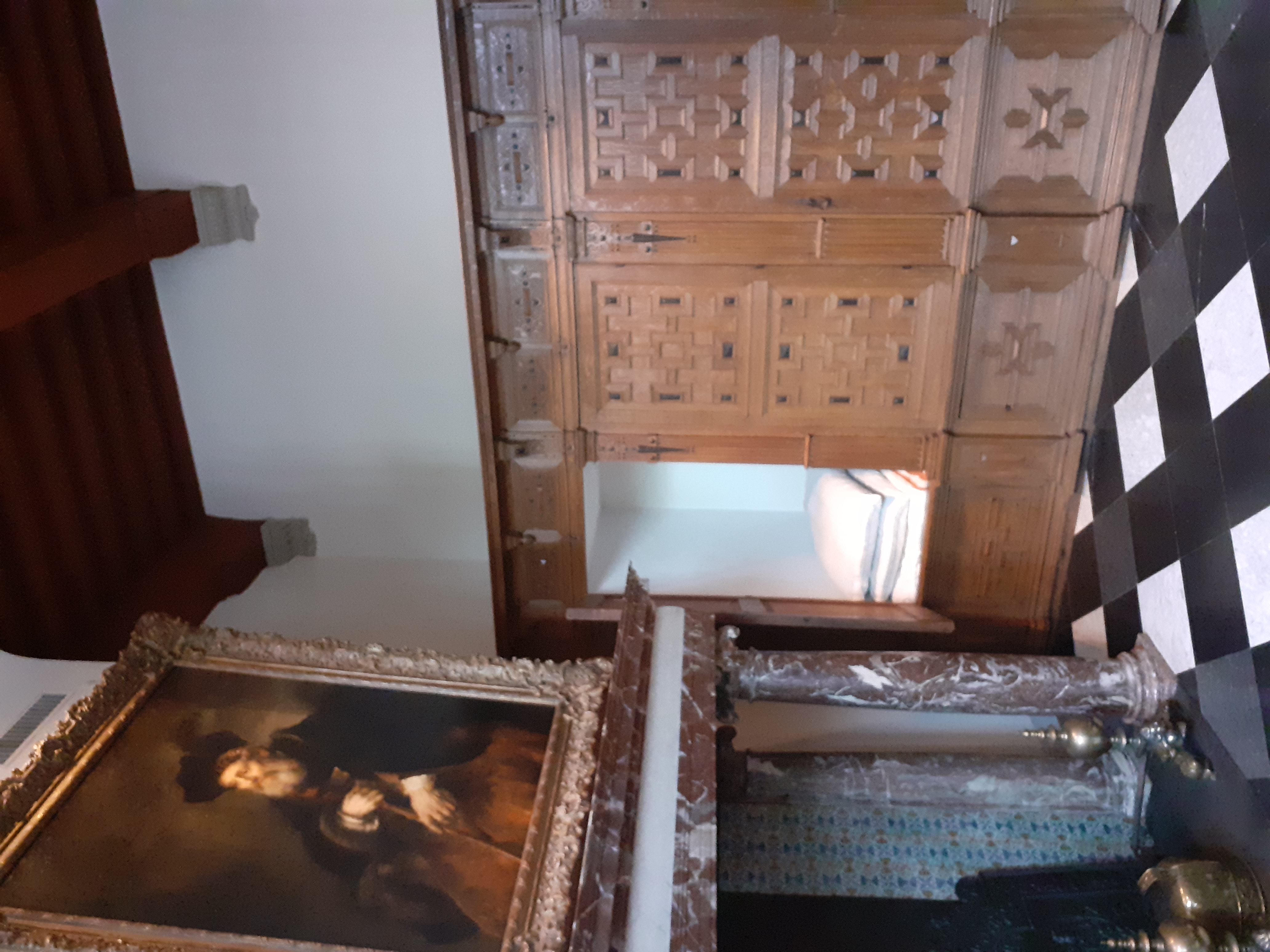
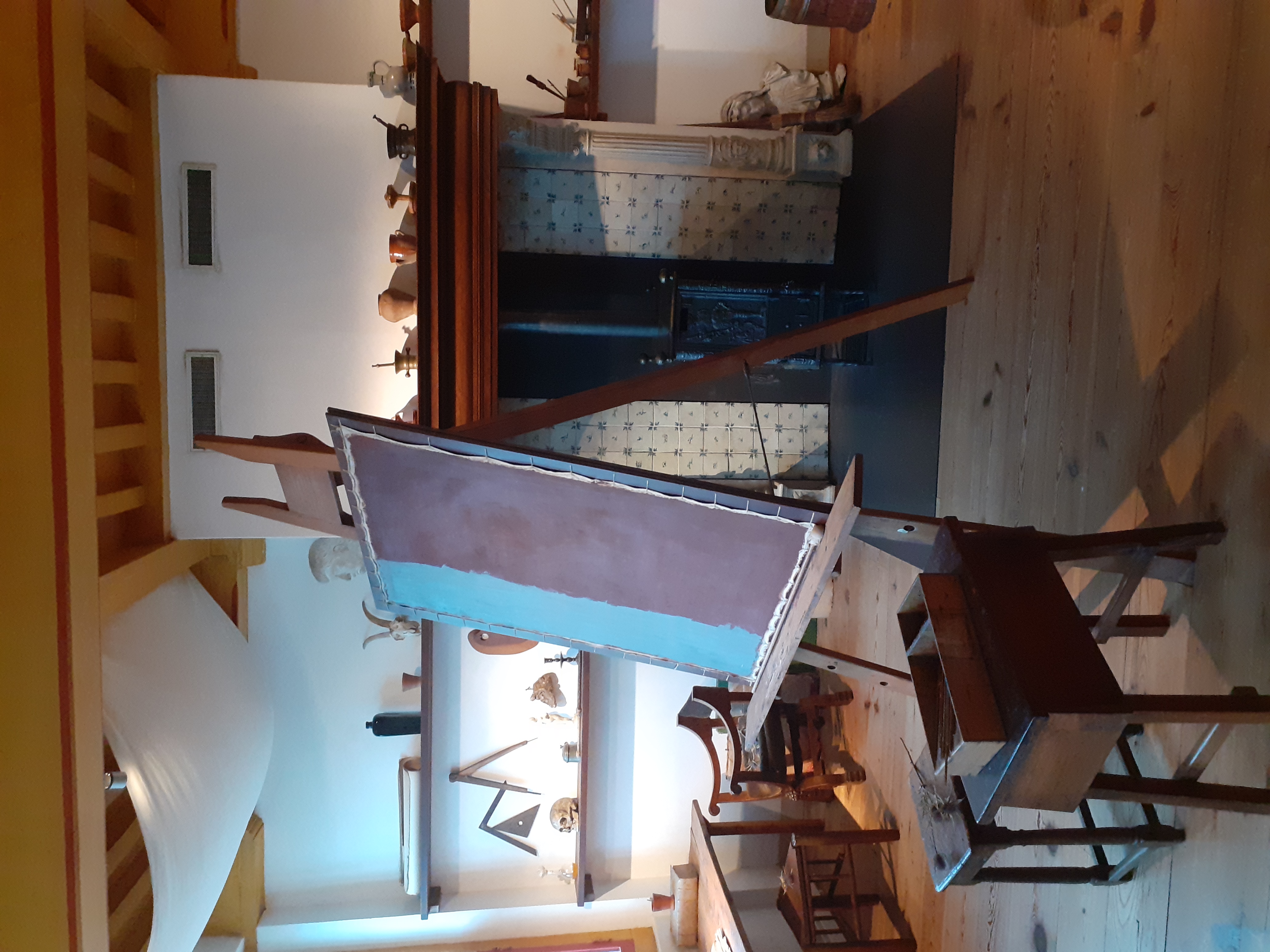
Visitors can draw him or... the old man..
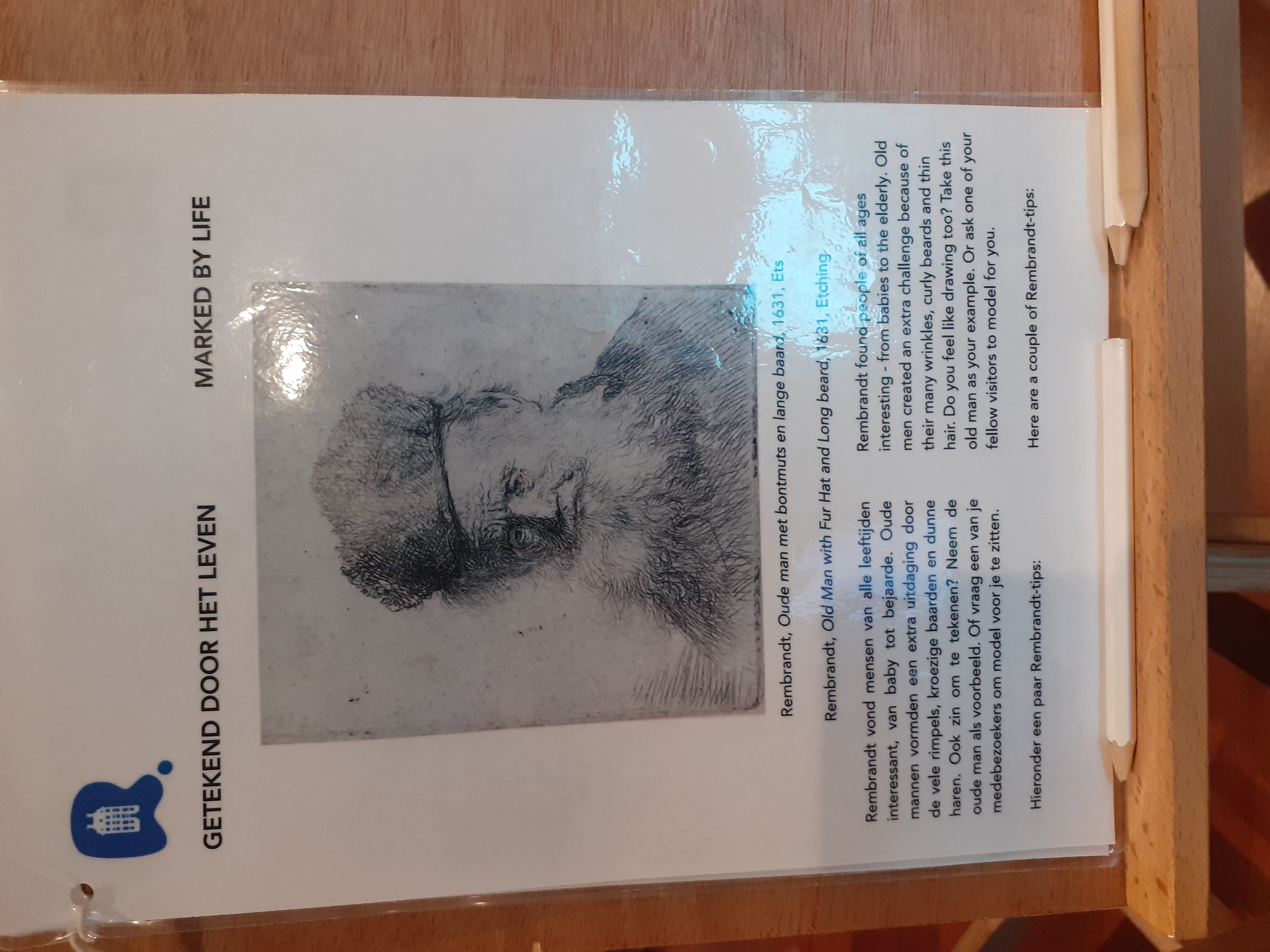
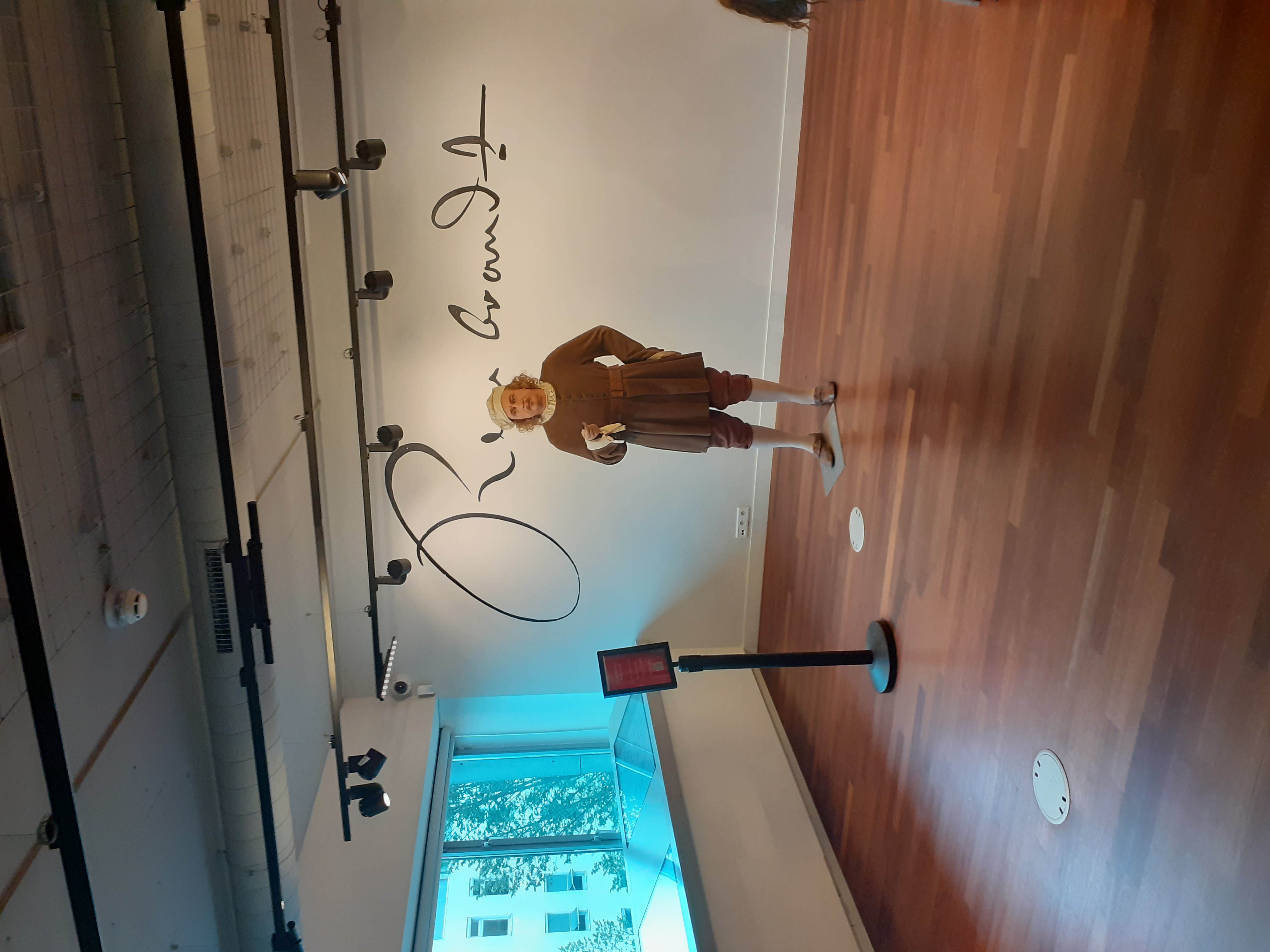
... If there is a free easel
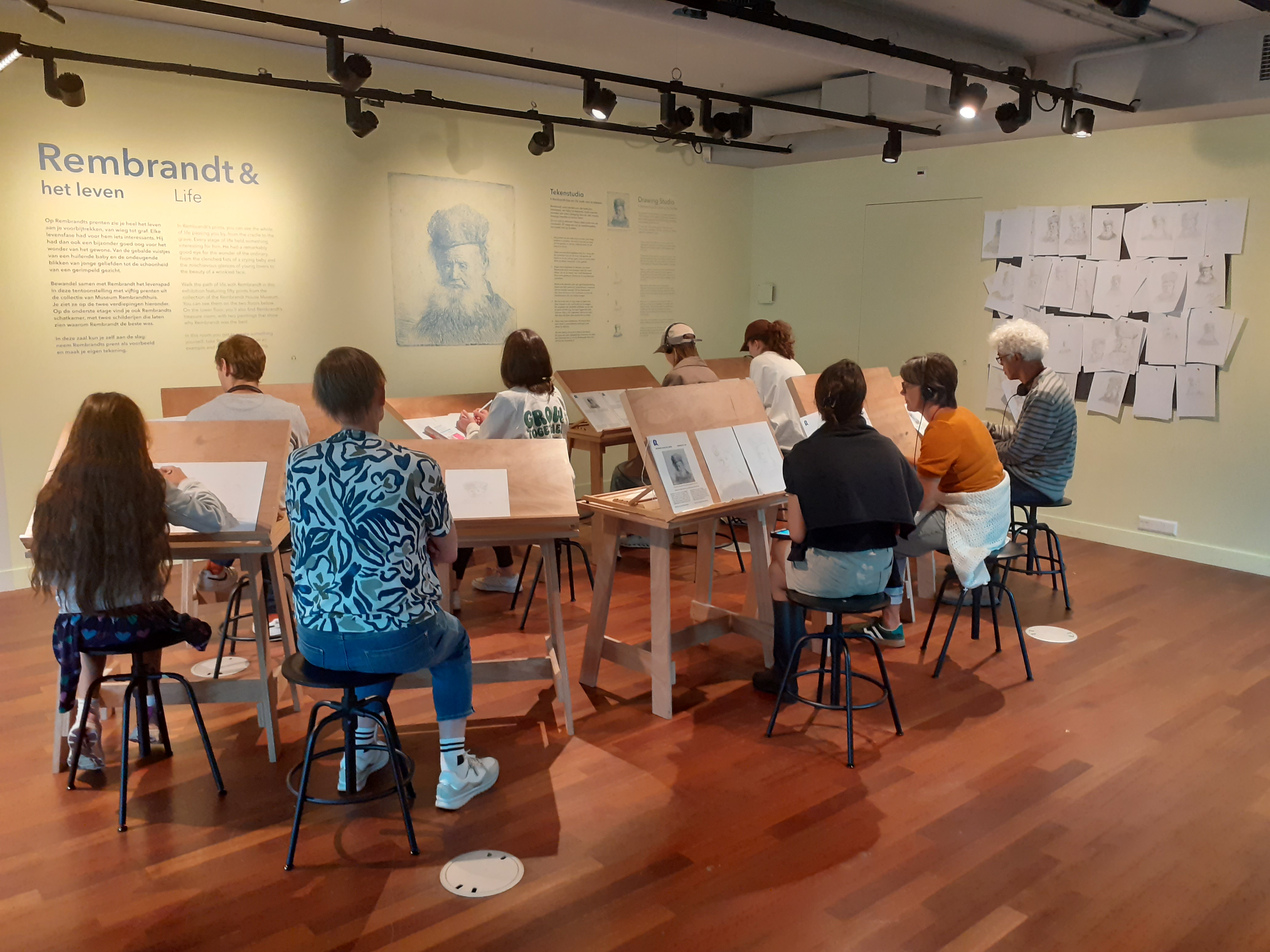
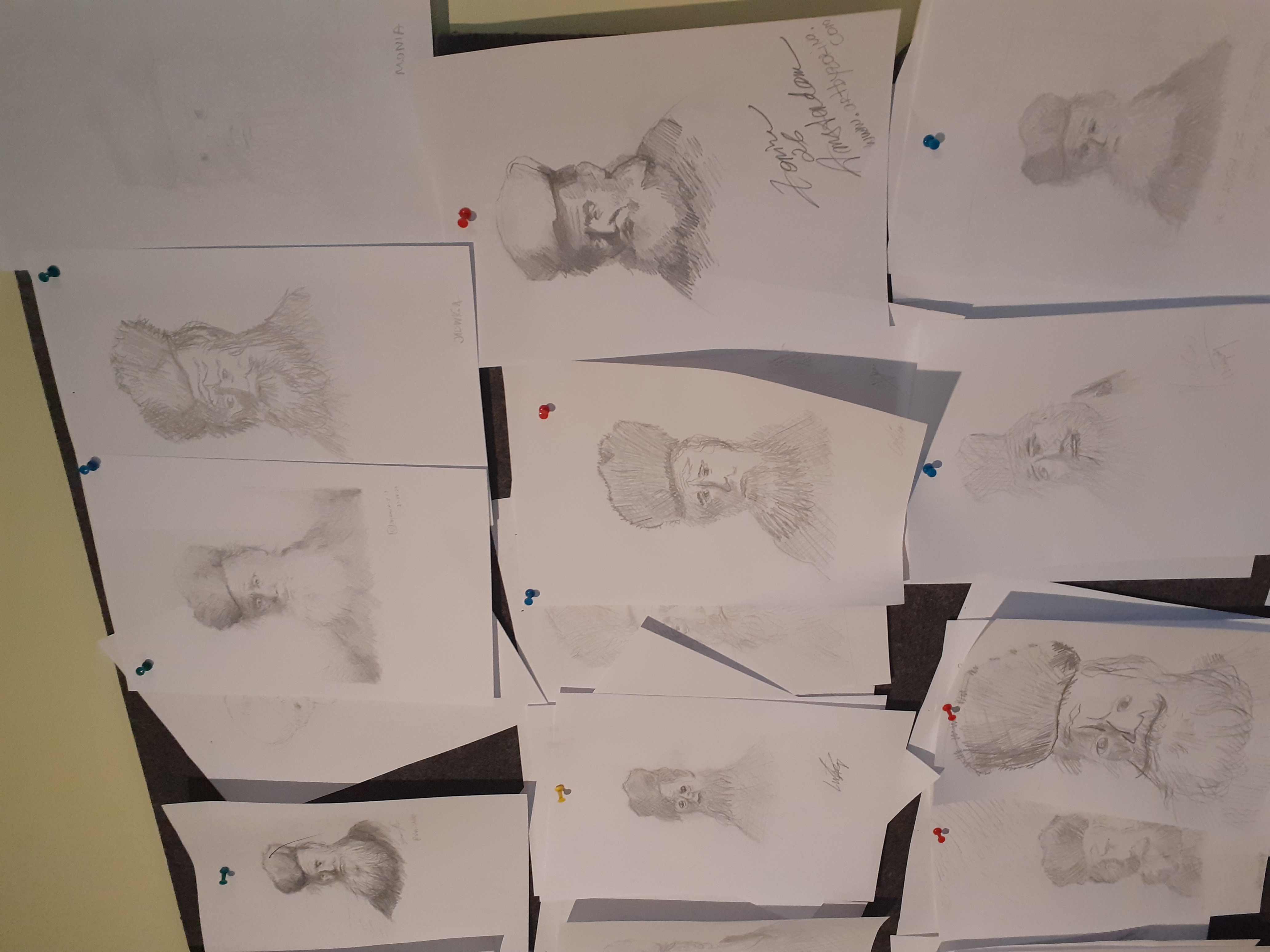
The 'Rembrandthuis' is worth a visit and if you can draw yourself even more, but somehow the Jheronimus Bosch house and his life impressed me more, even this house was very small compared tomRembrandt's. Can be it has to do with the atmosphere.
In a way I found it disappointing that most paintings weren't made by him. Well, it is not strange since he left that house and moved elsewhere. The question why this house is called the Rembrandthouse and not an earlier one or the one he moved into after he had to leave due to debts.
31-8-2026
I wonder how Rembrandt got through the social life when his wife passed away so young.
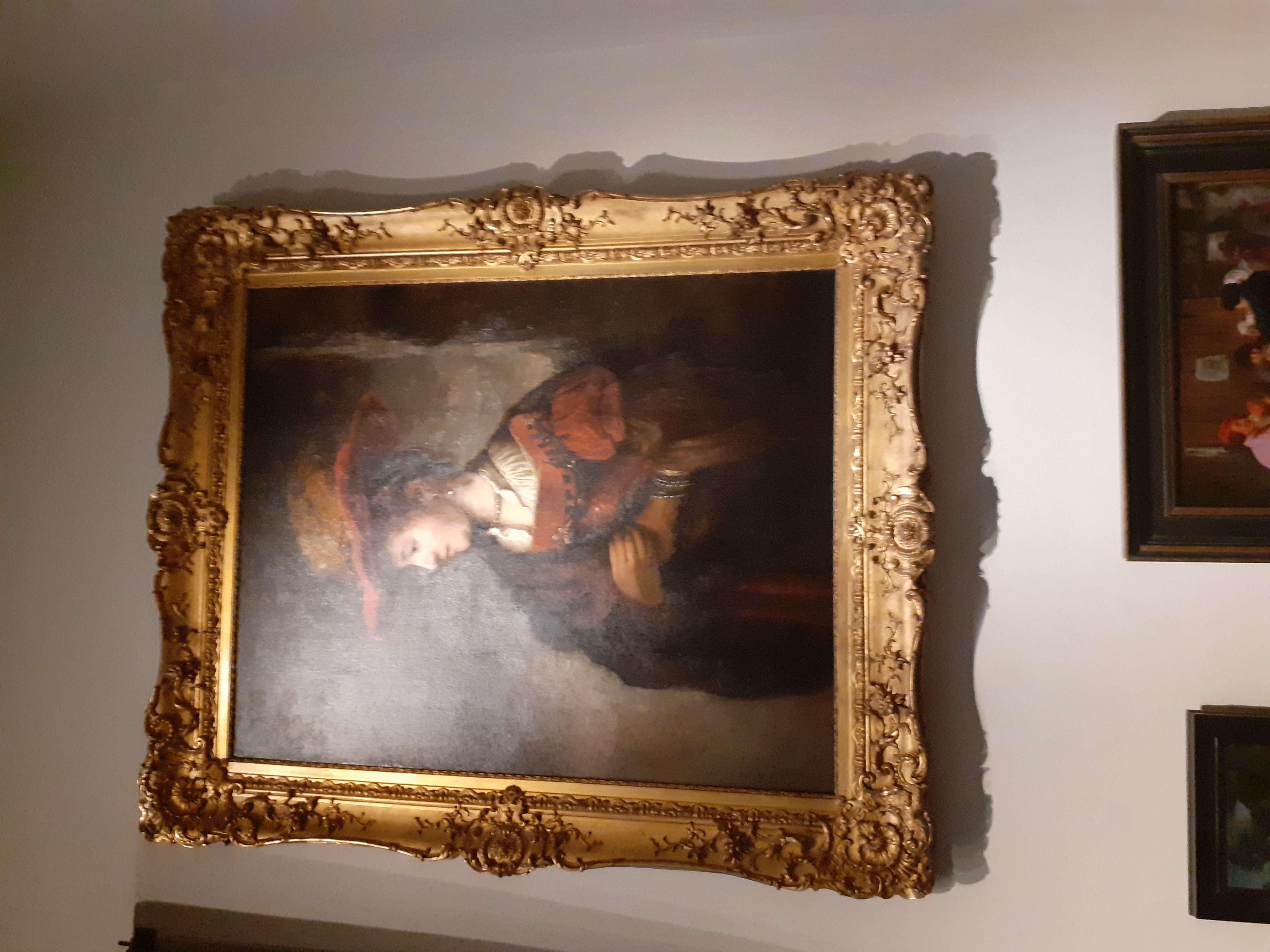
He was obsessed with art. He probably spent whole days on it. First making sketches, then etching; of course, he had to make the paint himself too, and by the time you’ve done that, a couple of hours have already gone by before you can even start. On top of that, he was a collector of foreign items, even though he never left the country. So everything you see – including foreign animals – he simply obtained from pictures, souvenirs or taxidermied animals belonging to others, which he also claimed as his own. I reckon the garden was full in no time, and in winter there wouldn’t have been much daylight to get much done anyway. He replaced his wife with the housekeeper – with whom he was also having an affair – and then had her locked up in an institution so he could start a relationship with the next housekeeper, with whom he had a child. I think you can safely assume that the world revolved around him, and his front garden soon fell into disrepair; he was heavily in debt and had to leave the house. It seems to me that this must have caused him a great deal of stress, as this was the house where he’d lived with his wife for a few years. I believe he also sold – or was forced to sell – the painting of her, and that the one on display now is a forgery by someone else.
So he was a hoarder. Reminded me of the articles I read some time ago. There was this lady in Singapore that help those people clear those stuffs. Mostly useless things. At least this artist hoarded valuable things that can be sell off. But he really was a jerk. Discarding the woman like that!
He certainly was, and I don’t think we can blame the turpentine for that. Nor can we blame it for the fact that his wife died a few years later. He also cheated his best friend out of a fair bit of money, despite the fact that, through his own fault, he had lost a great deal of capital and suffered a significant loss of standing on a personal level. He was lucky to have a wife and a son who set up an art gallery for him, and that his son Titus was able to cope with his behaviour, unlike many others. But you know how it goes – the same applies to all the other celebrities these days: you can beat people to a pulp or murder them and still get away with it, as long as it’s well-produced. It doesn’t matter whether it’s music, painting or boxing.
He was so lucky that he lived at a time where people don't simply divorce or the child emancipate from difficult parents.
We all know the stories of badly behaving people that could get away with murder.