For Cold-Blooded October Contest by @ladyaryastark: Ego
Deutsch im Anschluß...
When the first people began to disappear, Anne stood in front of the mirror and wondered whether she should wear her hair down from now on.
She was fifteen and knew full well that she was extraordinary. Not in that embarrassing way adults sometimes spoke of their children, when they embellished their mediocre achievements with exaggerated pride. Anne really was extraordinary. She had the best marks in her class, won almost every athletics competition, played the piano, debated better than most teachers, and could persuade people to do things they didn’t really want to do. She was stunningly beautiful, and she knew it. Not conceited, as some certainly claimed, but realistic. After all, beauty was a fact, and it would be downright foolish to ignore such a fact.
She regarded the fact that some people found her unlikable as a sign of her superiority. Envy was a widespread vice, and Anne had never understood why she should care about other people’s feelings.
That Monday morning, her mother wasn’t in the kitchen. Anne noticed this as she reached for her second piece of toast. “Mum?” No reply. She checked her mirror image in the hall with a shrug and left the house.
Three pupils were absent from school. Anne noticed this because she was annoyed that nobody had commented on her new presentation. Normally, there were at least two people who would praise her admiringly after a particularly successful contribution, and one who pretended she hadn’t been listening at all, even though Anne knew full well that she had absorbed every word. So that morning, there were only fourteen pupils in the classroom.
‘Where are the others?’ she asked. Mr Brenner, her class teacher, looked at her as if he hadn’t understood the question. ‘Which others?’ Anne laughed briefly. ‘Very funny.’ She thought he was one of those people who tried to make themselves seem interesting by feigning ignorance. He’d probably had another bad night’s sleep.
As the day went on, another seven pupils disappeared. Anne didn’t notice.
She did, however, notice that her best friend Sophie wasn’t replying to her messages. Sophie was a somewhat shy person who liked to hang around Anne because it made her seem attractive too, at least sometimes. Anne decided to speak to her about it the next day. After all, it was important to remind people now and then that attention wasn’t something to be taken for granted.
On Tuesday, Anne won the school high jump competition. She cleared the bar with an elegance that even she found remarkable. The jump was technically almost perfect. She landed, straightened up and smiled at the crowd. Nobody applauded. The stands were empty. Anne blinked. “What on earth is going on?” She looked towards the judges’ table. There was a clipboard lying there. Next to it stood a half-full cup of coffee, from which a thin wisp of steam was still rising. “Hello?” The wind swept across the sports field. Anne walked over to the clipboard. Her name was written on the paper, with her jump height below it. There was a signature next to the judge’s name. So she assumed there had been some sort of organisational mix-up. Perhaps the competition had been rescheduled at short notice and they’d forgotten to let her know. She would complain. To the school management. To the sports association. If necessary, to the mayor.
On Wednesday, the school remained closed. On Thursday, the supermarket was empty. On Friday, not a single car was on the road.
Anne found this increasingly annoying. She had now recorded several videos in which she explained the situation. She posted one of them online, with the title: WHY EVERYONE IS SO IRRESPONSIBLE – MY ANALYSIS. The Wi-Fi was still working. She received no replies. That was a first.
Usually there were always a few who tried to contradict her. Someone who took offence at her tone of voice. Someone who misunderstood her arguments and whom she could then effortlessly refute. Now there was nothing and no one.
Anne began to draw up lists. She listed every possible cause: power cut, epidemic, mass panic, government-ordered evacuation, terrorist attack, collective mental breakdown. She assigned probability ratings, checked news websites and formulated several brilliant explanatory models. She was very proud of how calm she remained throughout.
On Saturday, she discovered that the animals had also vanished. No dogs. No cats. No birds. Not even flies.
That frightened her for the first time. Only briefly, though. Fear was, after all, a primitive mechanism that might have served a purpose in evolution, but which, in intelligent people, primarily impaired decision-making. Anne therefore decided not to let her fear get the better of her.
She ran ten kilometres. She did push-ups until her arms were shaking. She practised the piano until her fingers ached. She gave a talk in the empty kitchen about the importance of mental strength, recording herself on her mobile phone as she spoke. Afterwards, she watched the video. She found herself convincing.
On Sunday, she went into town. The streets were deserted. The sky was reflected in the shop windows. At a bus stop, there was an advert for her favourite perfume, showing a woman with her chin held high, gazing into the distance. Anne looked at her own reflection in the glass. She was so beautiful! That calmed her down.
She went into a nearby café and sat down by the window. She used to sit here sometimes with her mother, who could talk for hours about things Anne considered unimportant. About neighbours. About old friends. About people who needed help. Anne had often explained to her mother that she couldn't save everyone… Right now, she might even have liked to save someone.
She rang her mother. The call went through. It rang. Once. Twice. Three times. Nothing. Absolutely nothing. Anne threw the phone against the wall. It shattered. She stood up, went outside and ran home. She didn’t cry.
Nor did she cry when she realised the front door was open and no one was there. Or when she walked into the bedroom and found the carefully folded blanket still on the bed. Nor when she opened the wardrobe and saw all her mother’s clothes hanging there. The toothbrush was in the bathroom. Her shoes were in the hall. The shopping list lay on the kitchen table. Everything was there. Except her mother.
Anne sat down on the floor. For the first time in her life, she didn’t know what to do. It was unbearable. She began to speak out loud. She explained the situation to herself, argued with herself, and refuted her own assumptions. She held a debate in which she won on both sides. Then she laughed. The laughter echoed through the house. It sounded strange.
Over the following days, Anne tried to get the world back. She wrote messages to everyone whose phone numbers she knew. She left voicemails. She drove to the hospital, the police station and the town hall. She rang bells, knocked on doors and called out names in empty stairwells. She realised that the clocks were still ticking. The fridges were humming. The traffic lights changed colour. The sun rose and set. The world was still functioning. Just without people. And Anne slowly realised what that meant. They were gone. Just gone.
She wondered whether anyone had been afraid before they disappeared. Whether anyone had called out her name. Whether anyone had thought of her at the very last moment. Then she was startled by that thought. Of course they’d thought of her. After all, she was Anne. She was, after all, something special. Beautiful, clever, strong, talented. She’d impressed people, won them over, intimidated them, achieved victories and won arguments. She’d walked into rooms and made sure people noticed her.
Now there was no one left who could hear her. She screamed. She screamed until her voice gave out. Then all went quiet...
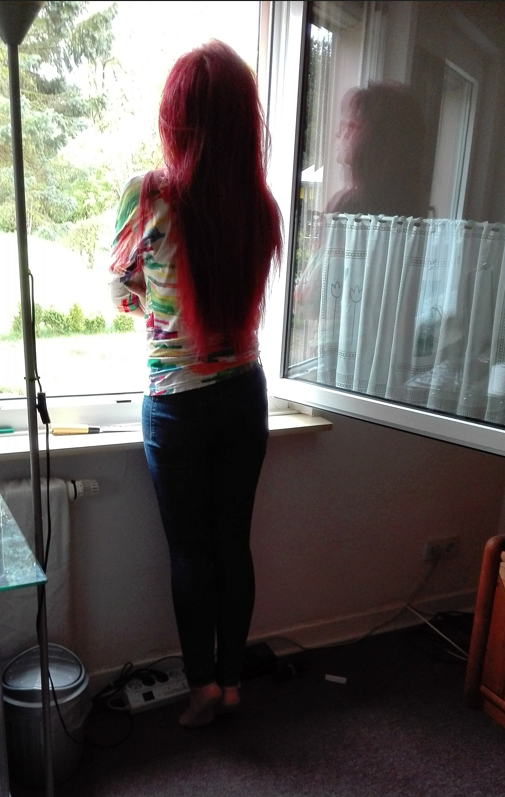
Deutsche Version:
Als die ersten Menschen verschwanden, stand Anne vor dem Spiegel und überlegte, ob sie ihre Haare künftig lieber offen tragen sollte.
Sie war fünfzehn und wußte genau, daß sie außergewöhnlich war. Nicht auf diese peinliche Art, auf die Erwachsene manchmal von ihren Kindern sprachen, wenn sie deren mittelmäßige Leistungen mit übertriebenem Stolz schmückten. Anne war tatsächlich außergewöhnlich. Sie hatte die besten Noten ihrer Klasse, gewann fast jeden Leichtathletikwettkampf, spielte Klavier, debattierte besser als die meisten Lehrer und konnte Menschen dazu bringen, Dinge zu tun, die sie eigentlich gar nicht tun wollten. Sie war bildschön, und sie wußte es. Nicht eingebildet, wie manche durchaus behaupteten, sondern realistisch. Schönheit war schließlich eine Tatsache, und es wäre geradezu dumm, eine solche Tatsache zu ignorieren.
Daß manche Menschen sie unsympathisch fanden, hielt sie für ein Zeichen ihrer Überlegenheit. Neid war eine weitverbreitete Unsitte, und Anne hatte noch nie verstanden, warum sie sich um die Gefühle anderer kümmern sollte.
An jenem Montagmorgen war ihre Mutter nicht in der Küche. Anne bemerkte es, als sie nach ihrem zweiten Toast griff. „Mama?“ Keine Antwort. Sie überprüfte im Flur schulterzuckend ihr Spiegelbild und verließ das Haus.
In der Schule fehlten drei Schüler. Das fiel Anne auf, weil sie sich darüber ärgerte, daß niemand ihre neue Präsentation kommentierte. Normalerweise gab es mindestens zwei Leute, die sie nach einer besonders gelungenen Wortmeldung bewundernd lobten, und eine, die so tat, als hätte sie gar nicht zugehört, obwohl Anne genau wußte, daß sie jedes Wort förmlich aufgesogen hatte. An diesem Morgen saßen also nur vierzehn Schüler im Klassenzimmer.
„Wo sind die anderen?“, fragte sie. Herr Brenner, ihr Klassenlehrer, sah sie an, als hätte er die Frage nicht verstanden. „Welche anderen?“ Anne lachte kurz. „Sehr witzig.“ Sie hielt ihn für einen dieser Menschen, die sich durch demonstrative Ahnungslosigkeit interessant machen wollten. Vermutlich hatte er wieder schlecht geschlafen.
Im Laufe des Tages verschwanden weitere sieben Schüler. Anne bemerkte es nicht.
Ihr fiel allerdings auf, daß ihre beste Freundin Sophie ihre Nachrichten nicht beantwortete. Sophie war eine etwas unsichere Person, die sich gern in Annes Nähe aufhielt, weil sie dadurch gelegentlich ebenfalls attraktiv wirkte. Anne beschloß, sie am nächsten Tag darauf anzusprechen. Es war schließlich wichtig, Menschen gelegentlich daran zu erinnern, daß Aufmerksamkeit keine Selbstverständlichkeit war.
Am Dienstag gewann Anne den Schulwettkampf im Hochsprung. Sie übersprang die Latte mit einer Eleganz, die sie selbst für bemerkenswert hielt. Der Sprung war technisch nahezu perfekt. Sie landete, richtete sich auf und lächelte in die Runde. Niemand applaudierte. Die Tribüne war leer. Anne blinzelte. „Was soll das denn?“ Sie sah zum Kampfrichtertisch. Dort lag ein Klemmbrett. Daneben stand eine halbvolle Tasse Kaffee, aus der noch ein dünner Faden Dampf aufstieg. „Hallo?“ Der Wind strich über den Sportplatz. Anne ging zum Klemmbrett. Auf dem Papier stand ihr Name, darunter ihre Sprunghöhe. Neben dem Namen des Kampfrichters war eine Unterschrift. Sie nahm also an, daß irgendeine organisatorische Panne vorlag. Vielleicht hatte man den Wettkampf kurzfristig verlegt und vergessen, sie zu informieren. Sie würde sich beschweren. Bei der Schulleitung. Beim Sportverband. Wenn nötig, beim Bürgermeister.
Am Mittwoch blieb die Schule geschlossen. Am Donnerstag war der Supermarkt leer. Am Freitag fuhr kein einziges Auto auf der Straße.
Anne fand das zunehmend ärgerlich. Sie hatte inzwischen mehrere Videos aufgenommen, in denen sie die Situation erklärte. Eines davon stellte sie ins Internet, mit dem Titel: WARUM ALLE SO UNVERANTWORTLICH SIND – MEINE ANALYSE. Das WLAN funktionierte noch. Sie erhielt keine Antworten. Das war neu.
Normalerweise waren da immer ein paar, die versuchten zu widersprachen. Irgendjemand, der sich über ihren Tonfall aufregte. Einer, der ihre Argumente falsch verstand und den sie anschließend mühelos widerlegen konnte. Jetzt war da nichts und niemand.
Anne begann, Listen anzulegen. Sie führte sämtliche möglichen Ursachen auf: Stromausfall, Epidemie, Massenpanik, staatliche Evakuierung, terroristischer Anschlag, kollektive psychische Störung. Sie vergab Wahrscheinlichkeitswerte, überprüfte Nachrichtenportale und formulierte mehrere brillante Erklärungsmodelle. Sie war dabei sehr stolz darauf, wie ruhig sie blieb.
Am Samstag entdeckte sie, dass die Tiere ebenfalls verschwunden waren. Keine Hunde. Keine Katzen. Keine Vögel. Nicht einmal Fliegen.
Das machte ihr zum ersten Mal Angst. Nur kurz, allerdings. Angst war ja ein primitiver Mechanismus, der in der Evolution seinen Zweck erfüllt haben mochte, bei intelligenten Menschen aber vor allem die Entscheidungsfähigkeit beeinträchtigte. Anne beschloß darum, ihre Angst nicht zuzulassen.
Sie lief zehn Kilometer. Sie machte Liegestütze, bis ihre Arme zitterten. Sie übte Klavier, bis ihre Finger schmerzten. Sie hielt einen Vortrag vor der leeren Küche über die Bedeutung mentaler Stärke und zeichnete sich dabei selbst mit dem Handy auf. Anschließend sah sie sich das Video an. Sie fand sich überzeugend.
Am Sonntag fuhr sie in die Stadt. Die Straßen waren leer. In den Schaufenstern spiegelte sich der Himmel. An einer Bushaltestelle hing ein Werbeplakat mit ihrem Lieblingsparfüm, auf dem eine Frau mit hoch erhobenem Kinn in die Ferne blickte. Anne betrachtete ihr eigenes Spiegelbild im Glas. Sie war so schön! Das beruhigte sie.
Sie ging in ein nahes Café, und setzte sich an den Fensterplatz. Früher hatte sie hier manchmal mit ihrer Mutter gesessen, die stundenlang über Dinge reden konnte, die Anne für unwichtig hielt. Über Nachbarn. Über alte Freunde. Über Menschen, die Hilfe brauchten. Anne hatte ihrer Mutter oft erklärt, daß man nicht jeden retten könne… Jetzt gerade hätte sie vielleicht sogar gern jemanden gerettet.
Sie rief ihre Mutter an. Die Verbindung wurde hergestellt. Es klingelte. Einmal. Zweimal. Dreimal. Nichts. Gar nichts. Anne warf das Telefon gegen die Wand. Es zerbrach. Sie stand auf, ging hinaus und lief nach Hause. Sie weinte nicht.
Sie weinte auch nicht, als sie feststellte, daß die Haustür offen stand und niemand da war. Oder als sie das Schlafzimmer betrat und auf dem Bett noch die sorgfältig gefaltete Decke fand. Oder als sie den Kleiderschrank öffnete und sämtliche Kleider ihrer Mutter darin hängen sah. Die Zahnbürste stand im Bad. Ihre Schuhe standen im Flur. Auf dem Küchentisch lag der Einkaufszettel. Alles war da. Nur ihre Mutter nicht.
Anne setzte sich auf den Boden. Zum ersten Mal in ihrem Leben wußte sie nicht, was sie tun sollte. Das war unerträglich. Sie begann, laut zu sprechen. Sie erklärte sich die Situation, argumentierte mit sich selbst, widerlegte ihre eigenen Vermutungen. Sie führte eine Debatte, in der sie beide Seiten gewann. Dann lachte sie. Das Lachen hallte durch das Haus. Es klang fremd.
In den folgenden Tagen versuchte Anne, die Welt zurück zu bekommen. Sie schrieb Nachrichten an alle Menschen, deren Telefonnummern sie kannte. Sie hinterließ Sprachnachrichten. Sie fuhr zum Krankenhaus, zur Polizei, zum Rathaus. Sie betätigte Klingeln, klopfte an Türen, rief Namen in leere Treppenhäuser. Sie entdeckte, daß die Uhren weiterliefen. Die Kühlschränke brummten. Die Ampeln wechselten ihre Farben. Die Sonne ging auf und unter. Die Welt funktionierte. Nur eben ur ohne Menschen. Und Anne begriff langsam, was das bedeutete. Sie waren fort. Einfach fort.
Sie fragte sich, ob jemand vor dem Verschwinden Angst gehabt hatte. Ob jemand ihren Namen gerufen hatte. Ob jemand im letzten Augenblick an sie gedacht hatte. Dann erschrak sie über diesen Gedanken. Natürlich hatte man an sie gedacht. Sie war schließlich Anne. Sie ist doch etwas besonderes. Schön, klug, stark, talentiert. Sie hatte Menschen beeindruckt, überzeugt, eingeschüchtert, Siege errungen und Streitigkeiten gewonnen. Sie hatte Räume betreten und dafür gesorgt, daß man sie bemerkte.
Jetzt gab es niemanden mehr, der sie bemerken konnte. Sie schrie. Sie schrie so lange, bis ihre Stimme versagte. Danach wurde es still...
It must be deeply distressing to watch the days go by, each one bringing something different, even within familiar routines, only to realize by the end of the week that the issue does not lie with others, but with her. She is no longer in the earthly realm; everything has been left behind, and from where she is now, she can see it all. What I find striking is that she does not see tears, sadness, or desolation; instead, she observes the routine of life continuing in her absence. And that is truly how life is: regardless of who is gone, life goes on.
My point was actually a different one – but I like your interpretation just as much.
To me, Anne was a smug, self-centred, arrogant and antisocial arsehole – who, in the end, when there was no one left – people she’d never cared about anyway – had to realise that she needs other people. Really needs them. And that she’d given up that luxury of her own accord.
I read the story and gave it this twist , perhaps I got a bit carried away. When we lose loved ones, it is something very, very difficult to overcome; we learn to live with it, but we never forget.
What a story! Anne is definitely one of those people who thinks the world revolves around her. She was never concerned about the strange disappearance of everyone, only about having lost her audience and admirers.
What's scary about the story is that there really are people like Anne...maybe that's why the world is so imperfect!
Thanks for participating! 📝 🎃 🦇
You might have noticed… I’m not really a fan of typical horror scenarios. Partly because I reckon reality can be frightening enough on its own. More often than not, human beings are directly involved…
That's true—it reminds me of what my grandmother used to say: that you should be more afraid of the living than of the dead. And for a long time now, terrifying events haven't involved supernatural beings—I wonder if humans scare them, and is that why they all disappeared?
Cierto, me recuerda a lo que solía decir mi abuela : que había que tenerle más miedo a los vivos que a los muertos. Y hace mucho tiempo que cada suceso terrorífico ya no involucra a seres sobrenaturales, me preguntó si le darán miedo los humanos, por eso desaparecieron todos?
I am an engineer. The belief in the supernatural is very alien to me. Today, with our science and our understanding of the world, we can explain many things that in earlier times were simply frightening. Clever leaders all over the world, in every culture, have invented spirits, gods and demons to offer the masses tangible explanations whilst at the same time maintaining fear... Fear makes people compliant.
I agree with you, fear is the raw material for domination.
What a narcissistic, self-centered, and arrogant girl—even her own mother left her alone and started ignoring her. It was only a matter of time before everyone turned their backs on her; if anything, it took too long, I’d say.
A story that shows that true terror doesn’t come from paranormal events, but from our own thoughts and our own psychology. I mean, if we’re not psychologically affected by something, then even if it’s right before our eyes, it simply won’t have any effect on us. Anne and the thousand ways to end up alone and friendless, to become a nobody and the most ignored person in the world.
Greetings, I just noticed that delegation and come here to say THANK YOU! Is this for a week/month? Just curious to know! BTW I love your hair color, length and volume, I love German people for their kindness and cuteness. Stay blessed! 🫰💝💗🥰🙌🥳
It's for one month like @layaryastark has written in the contest post. Use it wisely ;-))