How Instant ID and Document Capture Is Reshaping First Impressions in Business
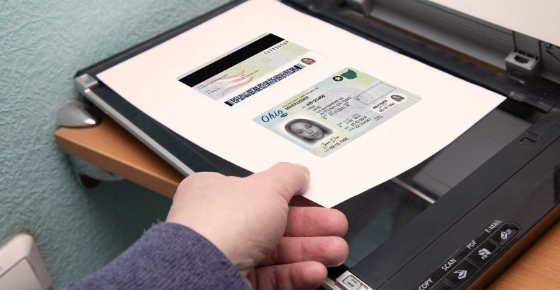
The first moments of customer interaction are crucial. In settings such as hotels, car rentals, clinics, or financial services, the speed and accuracy of this initial exchange shape the overall experience. Driver license scanners and instant document capture tools are increasingly replacing manual processes, enabling a faster and more efficient start.
This shift represents more than added convenience. It reflects a broader move toward digital transformation and workflow automation in industries that depend on identity verification, compliance documentation, and efficient onboarding.
Key Takeaways
- Manual ID and document entry slows check-in and onboarding, creating friction at a time when businesses seek to make a strong first impression.
- Instant document capture technology, including driver license scanners, reduces errors, speeds up transactions, and enhances compliance recordkeeping.
- Industries including hospitality, healthcare, financial services, and transportation are adopting these tools to streamline front-line operations.
- Selecting the right solution requires evaluating accuracy, integration capabilities, and data security, not just scanning speed.
- Successful implementation depends on staff training, workflow integration, and ongoing process improvement.
Why the First Interaction Still Defines the Customer Relationship
Before considering technology, it is important to understand why this moment matters. Research shows early touchpoints strongly influence perception, loyalty, and trust. A slow or error-prone check-in can undermine the brand experience before service begins.
For businesses that require identity verification for legal, regulatory, or security reasons, the challenge is to meet compliance without burdening customers with paperwork. Automated identity verification workflows address this need effectively.
| Industry | Common Use Case | Primary Benefit |
|---|---|---|
| Hospitality | Guest check-in and identity verification | Faster front-desk service, reduced wait times |
| Car and equipment rental | License validation and rental agreement processing | Fraud reduction, faster counter transactions |
| Healthcare | Patient registration and insurance verification | Fewer data entry errors, improved record accuracy |
| Financial services | Client onboarding and Know Your Customer (KYC) checks | Regulatory compliance, faster account opening |
| Retail and age-restricted sales | Age verification for alcohol, tobacco, or restricted products | Reduced compliance risk, quicker point-of-sale checks |
| Event and venue management | Attendee check-in and credentialing | Shorter lines, improved guest experience |
All these use cases require processes that are fast, accurate, and compliant.
Key Benefits Beyond Speed
While faster transactions are the most visible benefit, instant document capture also provides significant operational and strategic value.
Improved Data Accuracy
Automated extraction eliminates guesswork and typographical errors, improving the quality of records for reporting, marketing, and customer service.
Stronger Security and Fraud Prevention
Many scanning solutions can verify document authenticity, flag expired credentials, and detect inconsistencies that staff may overlook, especially during busy periods.
A More Professional Customer Experience
Replacing manual processes with quick scans demonstrates operational maturity. Customers notice when processes are modern and efficient, which positively shapes their overall perception.
Reduced Administrative Burden on Staff
Front-line employees spend less time on repetitive data entry and more time on tasks that require judgment, problem-solving, or direct customer interaction. This improves staff utilization and morale.
What to Look for When Evaluating a Solution
Not all document capture tools are the same. The right choice depends on existing systems and workflow needs. Organizations should consider accuracy across document types, integration with current software, data security, encryption standards, and total cost of ownership, including hardware, licensing, and maintenance.
Consider how well a tool fits into your broader digital workflow strategy, rather than treating it as a standalone solution. Document capture is most effective when it integrates seamlessly with customer databases, scheduling tools, and reporting systems.
Implementation Best Practices
Successful deployment requires more than installing hardware or software. Staff must be trained to use the scanner and handle exceptions, such as damaged documents or manual overrides. Workflow mapping is essential to ensure the scanning step is fully integrated into the check-in or onboarding process.
Organizations should plan for ongoing evaluation. Tracking metrics such as transaction time, error rates, and customer feedback before and after implementation clarifies return on investment and highlights opportunities for further automation.
Conclusion
When a customer or client presents an ID, it is a key test of business operations. Manual processes create friction, errors, and delays at a critical moment. Instant document capture tools, including driver license scanners, address these challenges by providing speed, accuracy, and compliance in a single step.
As more industries adopt digital transformation and workflow automation, front-line technology will become a baseline expectation rather than a differentiator. Businesses that lead this shift improve efficiency and influence customer perceptions from the first interaction.