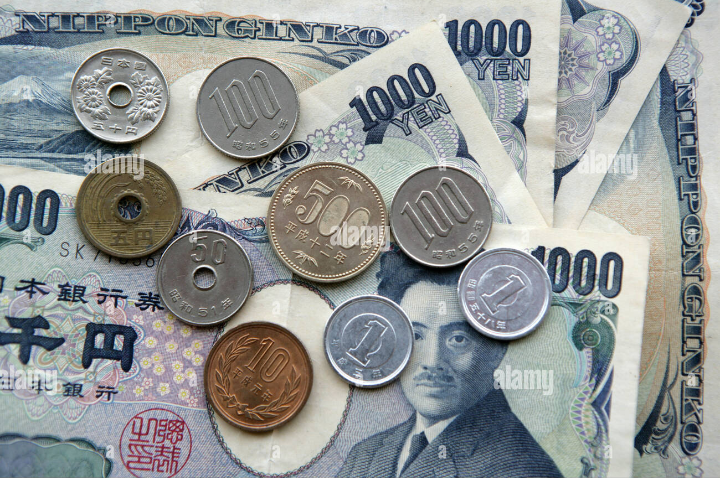
The Yen and the Culture Behind It: Why Japanese Money Is a Work of Art
The Yen and the Culture Behind It: Why Japanese Money Is a Work of Art
Most people think of currency as just a tool for buying things. But in Japan, money carries centuries of history, craftsmanship, and cultural pride. Let's take a look at how the Japanese yen reflects the soul of the country that prints it.
A Brief History of the Yen
The yen (¥) became Japan's official currency in 1871, replacing a patchwork of regional currencies used during the Edo period. The name itself means "round object," a nod to the circular coins that were standard even before modern currency existed. Today, the yen is one of the most traded currencies in the world, and Japan remains one of the few developed nations where cash is still king — many small shops, izakayas, and even some taxis still prefer paper notes over cards.
Art on Every Bill
Japanese banknotes are famous for featuring cultural icons rather than politicians:
¥1,000 note – Hokusai's "The Great Wave off Kanagawa," one of the most recognized artworks in the world
¥5,000 note – Ichiyō Higuchi, a pioneering female novelist of the Meiji era
¥10,000 note – Eiichi Shibusawa, known as the "father of Japanese capitalism"
This choice says something important about Japanese values: art, literature, and industry are celebrated as much as political power.