The Grizzly Bear's Long Road Back: Progress, Politics, and an Uncertain Future
Few animals capture the spirit of the American wilderness like the grizzly bear. Massive, powerful, and unmistakably wild, it once roamed from the Great Plains to the Pacific coast. Today, its story is one of genuine recovery — but also one that remains far from finished.
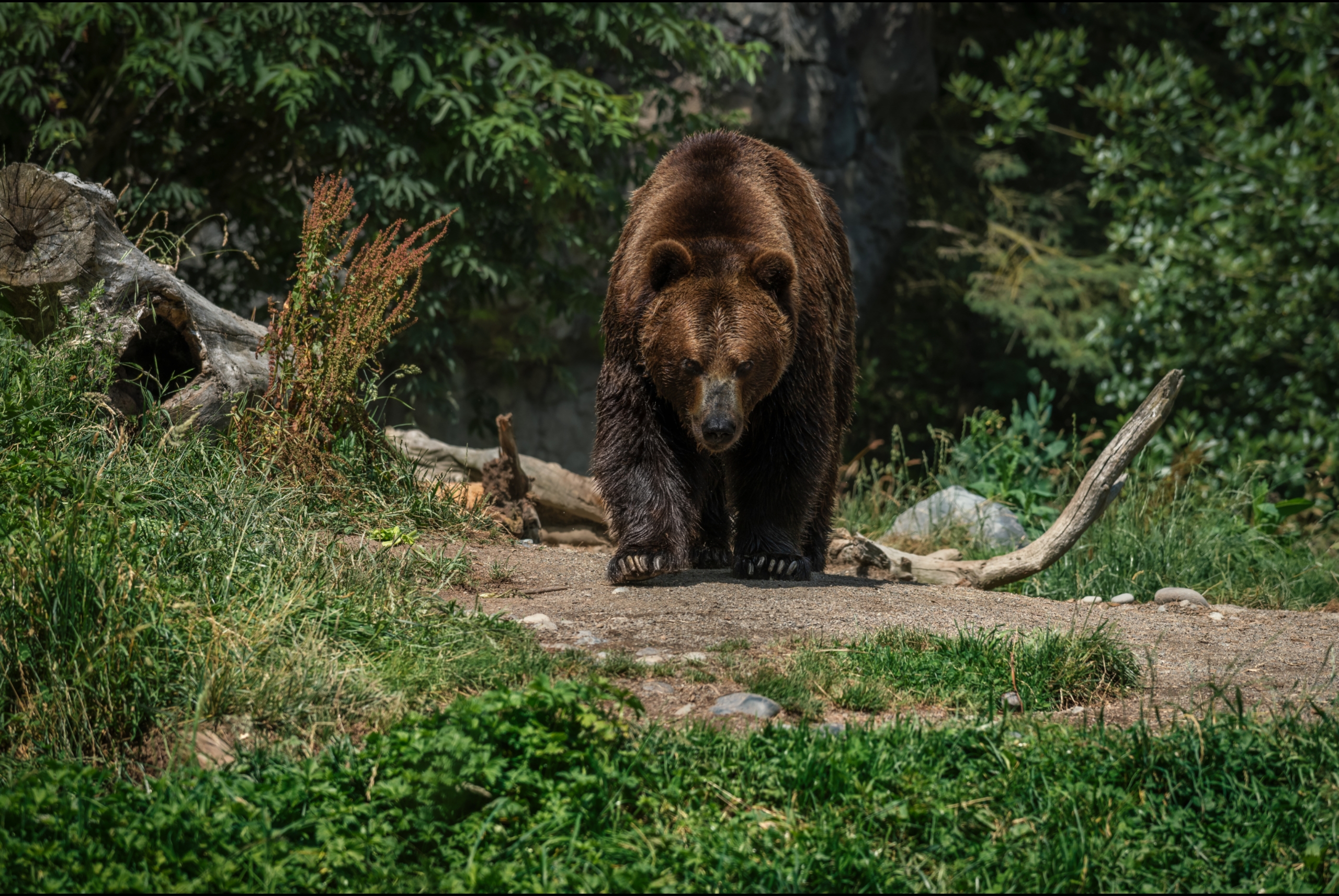
A grizzly bear roaming its native western landscape
A Population Pushed to the Edge
Historically, an estimated 50,000 grizzly bears ranged across the western United States, from the plains of Kansas to the mountains of California. Westward expansion changed that almost completely. Overhunting, poisoning campaigns, and the steady loss of habitat as settlers moved in pushed the species into a dramatic decline. By the 1970s, grizzly bears occupied only about 2 percent of their historical range, with the last strongholds surviving in and around Yellowstone and Glacier National Parks.
In 1975, the grizzly bear was listed under the Endangered Species Act. At that point, the population in the lower 48 states had fallen to somewhere between 700 and 800 individuals.
Decades of Careful Recovery
Federal protection triggered a slow but steady rebuilding effort. Wildlife managers identified core recovery zones across six ecosystems, focusing resources on the areas with the best chance of sustaining bear populations long-term. Two ecosystems in particular became recovery success stories: the Greater Yellowstone Ecosystem and the Northern Continental Divide Ecosystem in Montana.
The results have been real. The Northern Continental Divide population grew from as few as 300 bears in 1986 to roughly 1,000 today. The Greater Yellowstone population, which had shrunk to a few dozen bears by the 1970s, now stands at a similar level, having nearly tripled its occupied range since the 1980s. Combined, these two ecosystems account for the vast majority of the grizzly bears living in the lower 48 states.
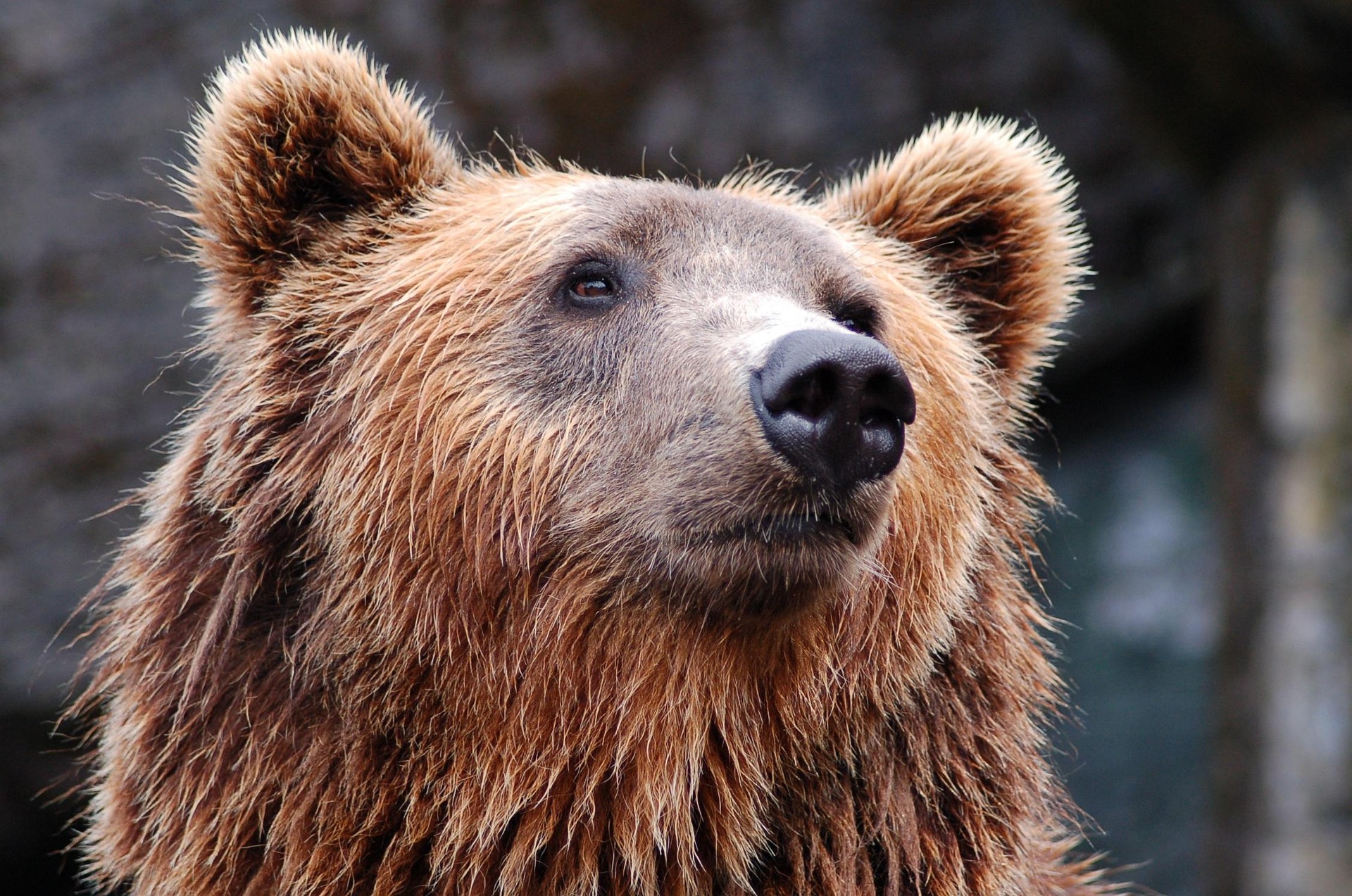 | 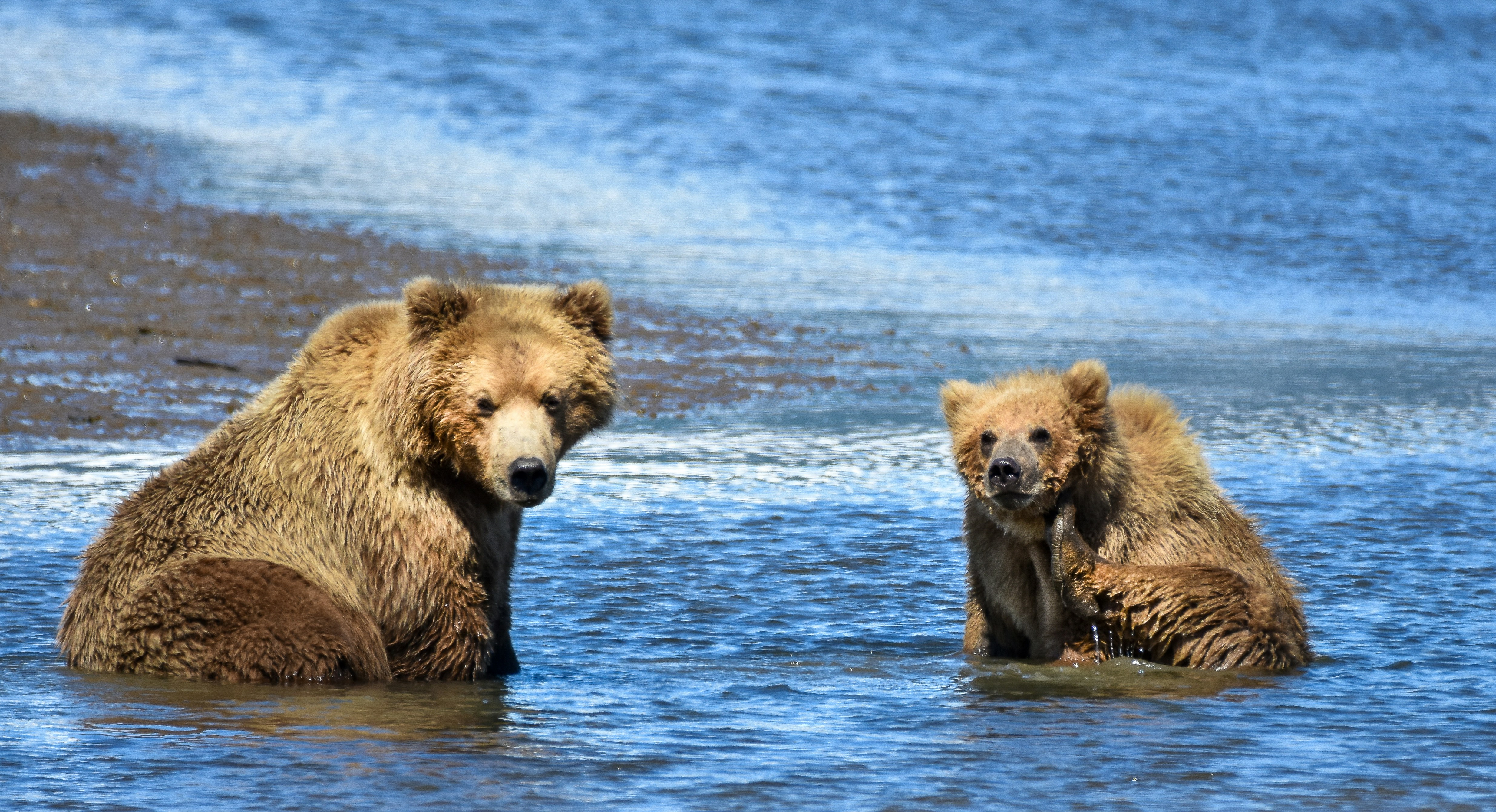 |
| A close look at one of North America's most powerful predators | A mother and her cubs — the future of the species |
Where the Numbers Stand Today
According to the U.S. Fish and Wildlife Service, at least 1,923 grizzly bears currently live across the lower 48 states. Of these, roughly 727 are in the Greater Yellowstone Ecosystem, about 1,092 in the Northern Continental Divide Ecosystem, around 60 in the Cabinet-Yaak Ecosystem along the Montana-Idaho border, and a minimum of 44 in the Selkirk Ecosystem in the Pacific Northwest.
Two other designated recovery areas — the Bitterroot Ecosystem in Idaho and Montana, and the North Cascades Ecosystem in Washington State — currently have no confirmed resident grizzly populations, though federal agencies have taken steps toward active restoration in the North Cascades.
Beyond the lower 48, Alaska remains the species' true stronghold, home to an estimated 30,000 grizzly and brown bears, a population that has stayed relatively stable thanks to vast wilderness areas and carefully managed hunting.
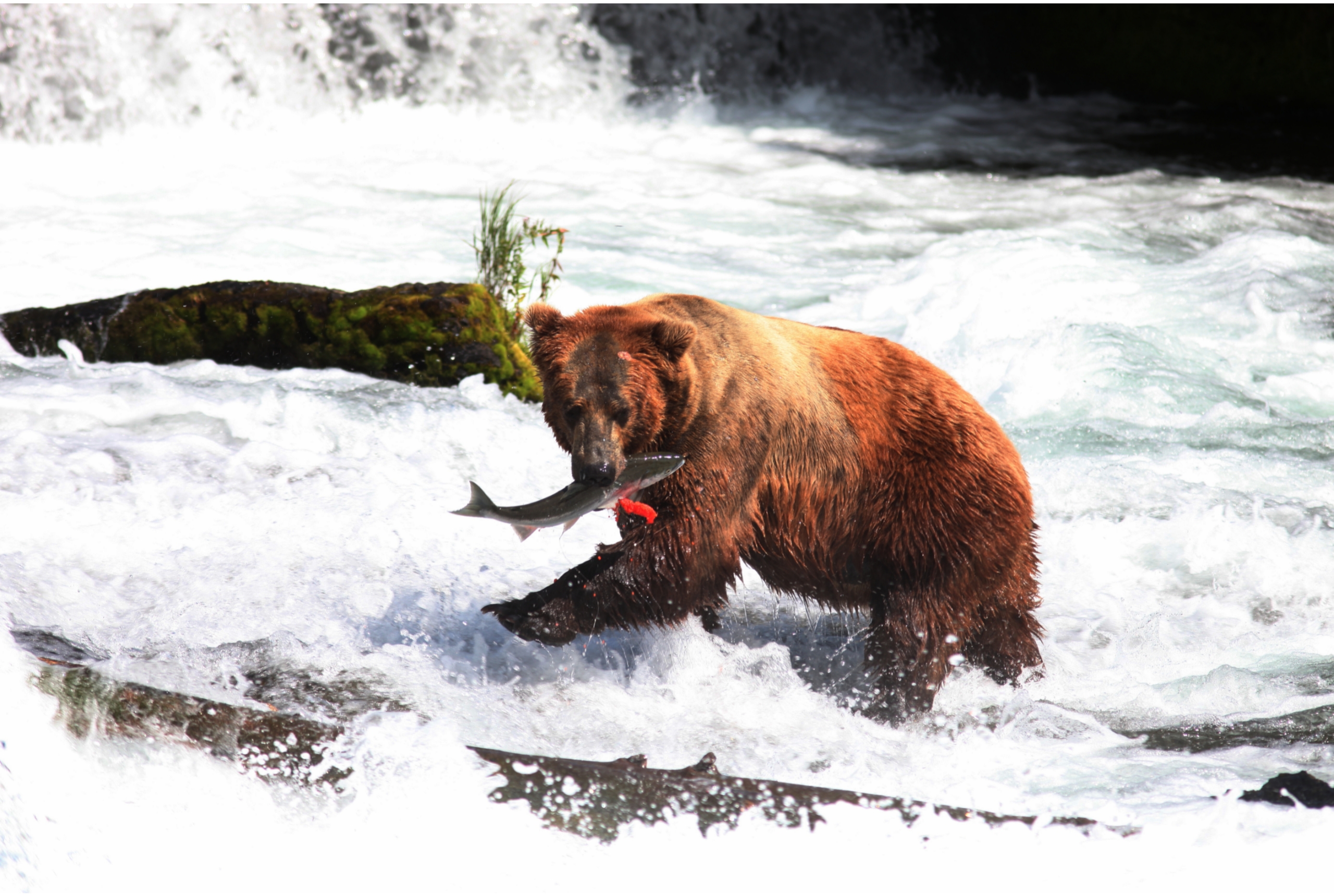
A grizzly bear fishing for salmon — a scene tied closely to the health of its ecosystem
A Recovery Still Under Debate
Unlike the bald eagle, whose delisting in 2007 was widely celebrated as a finished success story, the grizzly bear's legal status remains a genuinely contested issue. The Greater Yellowstone and Northern Continental Divide populations have repeatedly been assessed by federal biologists as biologically recovered, meeting the population and habitat criteria originally set for delisting.
Despite this, protections have stayed in place through a series of legal challenges, court reversals, and shifting federal policy. As recently as 2025 and 2026, Congress and the U.S. Fish and Wildlife Service have continued weighing proposals that would transfer grizzly bear management to individual states — a move supporters say reflects the population's genuine recovery, and one that critics argue could open the door to expanded hunting before the species is fully secure across its range.
This tension reflects a broader challenge in large carnivore conservation: a population can meet every biological benchmark for recovery while still facing political and legal uncertainty about what happens next.
Why the Grizzly Still Matters
The grizzly bear is often described as an umbrella species — protecting the vast, connected wilderness a healthy grizzly population needs also protects thousands of other species that share the same landscape, from elk and wolves to native trout and old-growth forest. Its presence on a landscape is, in many ways, a measure of that landscape's overall health.
Fifty years after federal protection began, the grizzly bear's story is neither a failure nor a finished triumph. It stands somewhere in between — proof that recovery is possible, and a reminder that sustaining it requires just as much commitment as achieving it in the first place.
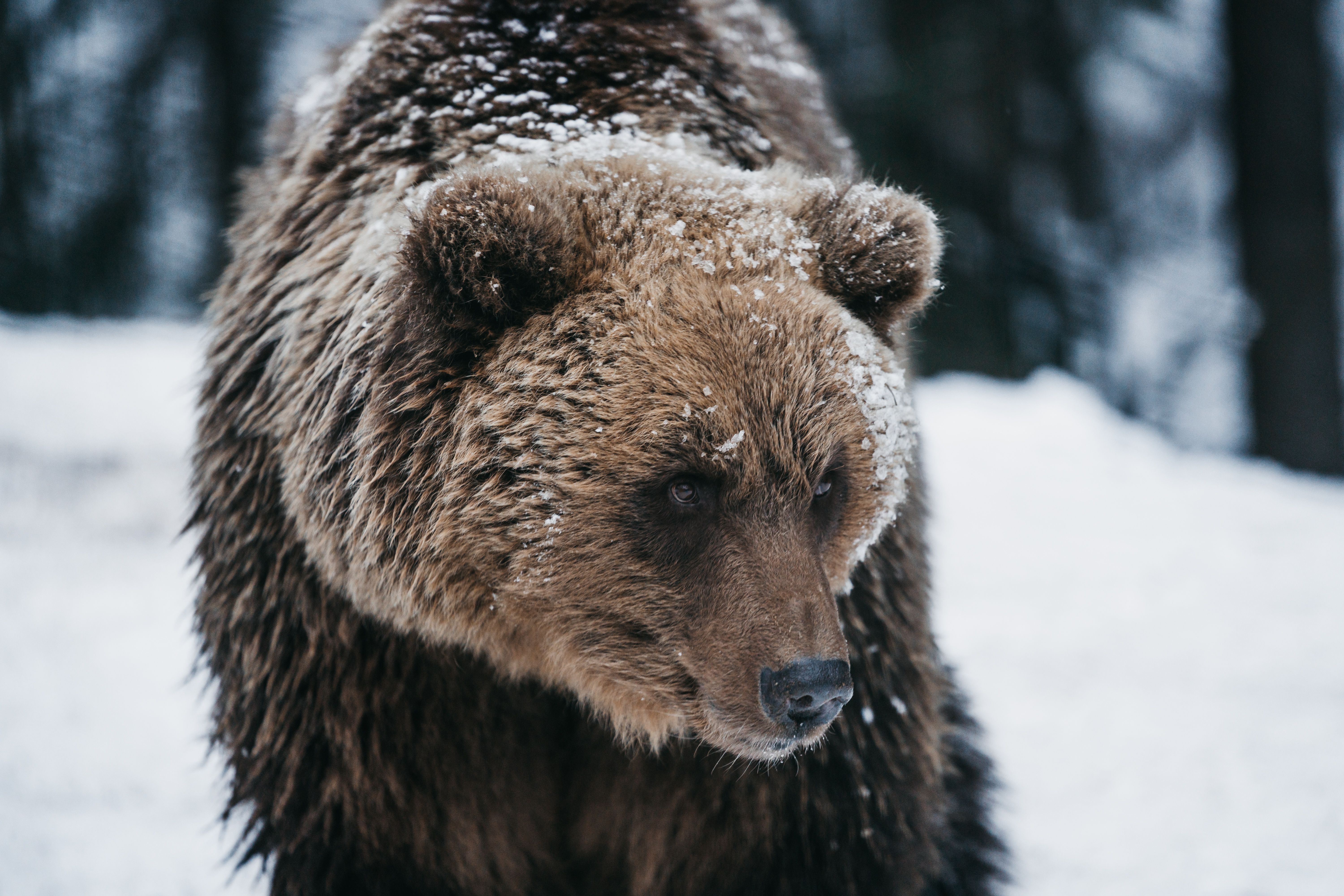
Still wild, still uncertain — the grizzly's future remains in human hands
Sources: U.S. Fish and Wildlife Service (Species Status Assessment for the Grizzly Bear in the Lower-48 States), Defenders of Wildlife, Humane World Action Fund.