The Word Carved in Wood: What Really Happened to the Lost Colony of Roanoke?
An American History Investigation | Documentary Series
"There was no sign of struggle. No graves. No bodies. Just one word, carved into a post — and then, silence for four hundred years."
In August 1590, an English governor named John White waded ashore on a small island off the coast of what is now North Carolina, calling out for the 115 men, women, and children he had left behind three years earlier — including his own infant granddaughter. No one answered. The colony was gone. Not destroyed. Not burned. Simply... gone.
This is the story of the Roanoke Colony — America's oldest unsolved mystery — and the new archaeological evidence that, for the first time in over four centuries, may finally be closing in on the truth.
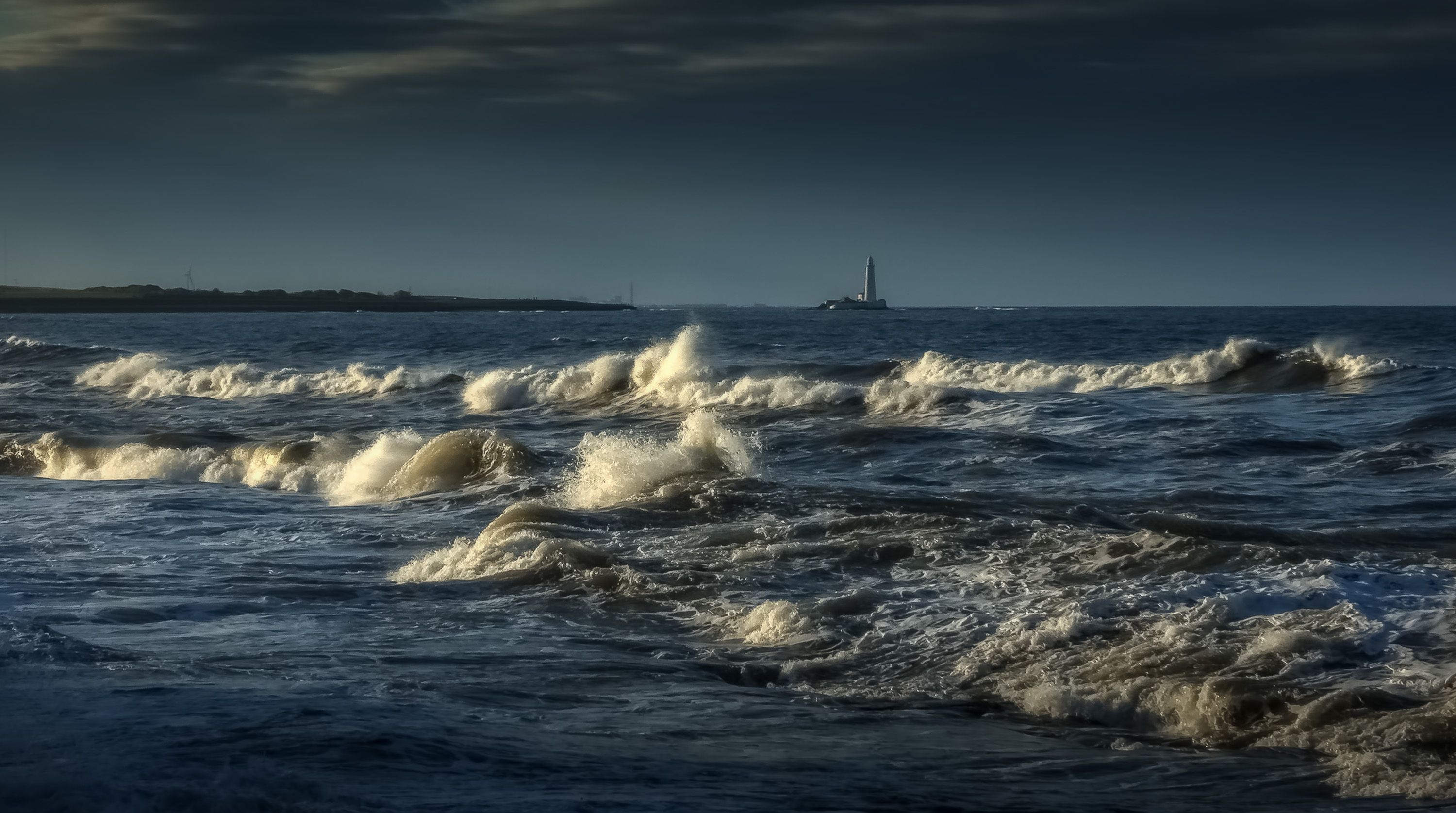 Suggested caption: "The Outer Banks of North Carolina — the same windswept shoreline where 115 English settlers vanished without a trace in the summer of 1587." |
I. A Colony Built on Desperation
By 1587, England had already failed once at Roanoke. A military outpost planted in 1585 had collapsed within a year — starved, isolated, and undone by a war with the local Secotan people that ended with their chief's severed head impaled outside the English fort. It was not an auspicious beginning.
Sir Walter Raleigh tried again anyway. This time, he sent something different: not soldiers, but families. Roughly 115 men, women, and children — merchants, artisans, and their wives — sailed under the artist-turned-governor John White, intending to settle not at Roanoke at all, but further north at Chesapeake Bay. A dispute with their own ship's pilot forced them to stay at Roanoke instead. It was the first of many decisions the colonists never fully controlled.
On August 18, 1587, White's daughter Eleanor gave birth to a girl. They named her Virginia — the first English child born in the New World. Nine days later, under pressure from the colonists themselves, White reluctantly sailed back to England for supplies, promising to return within the year.
He would not see Roanoke again for three years.
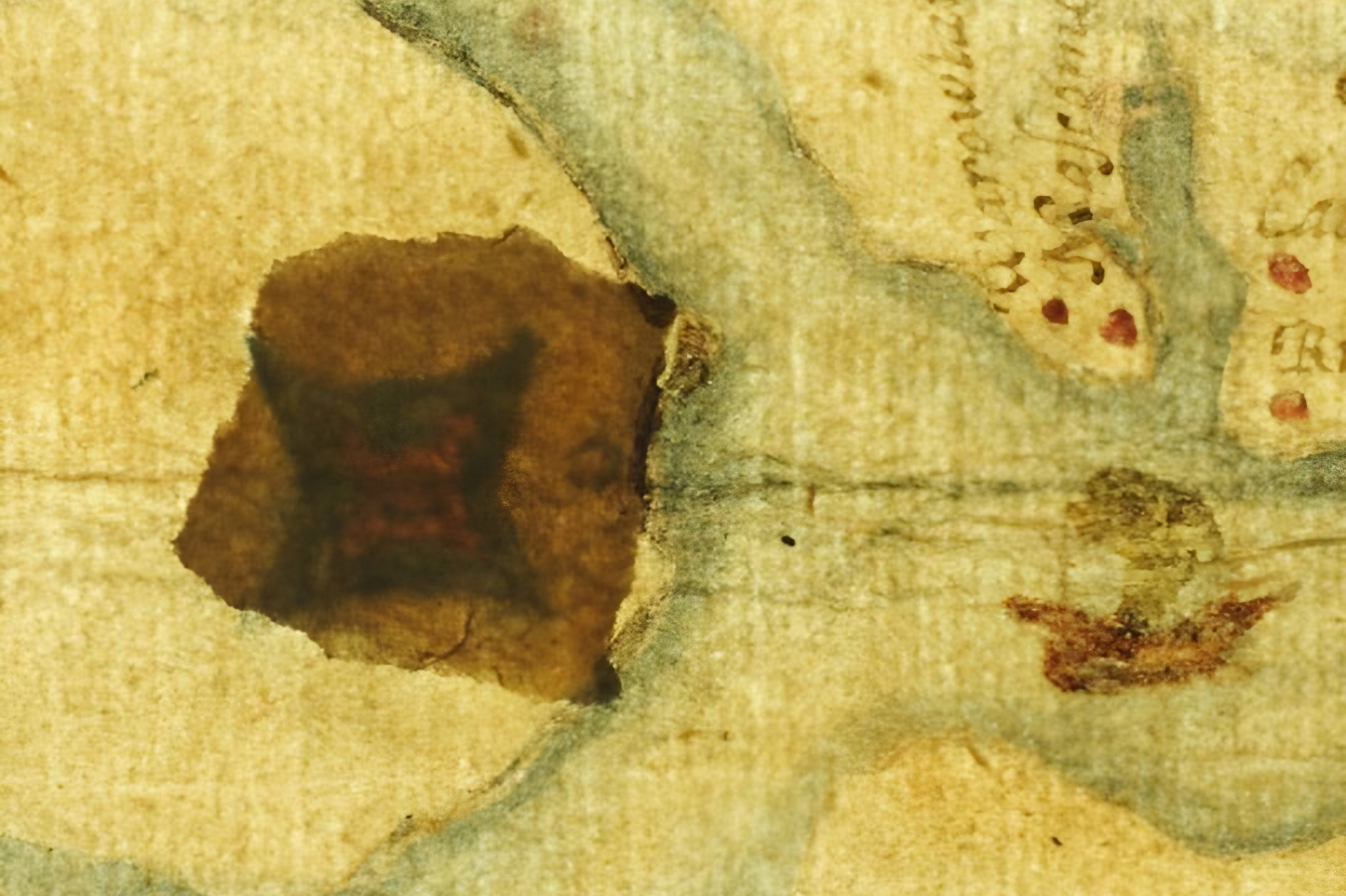 "White's own hand-drawn map of the Virginia coastline — the same map that, centuries later, would reveal a hidden secret in invisible ink." |
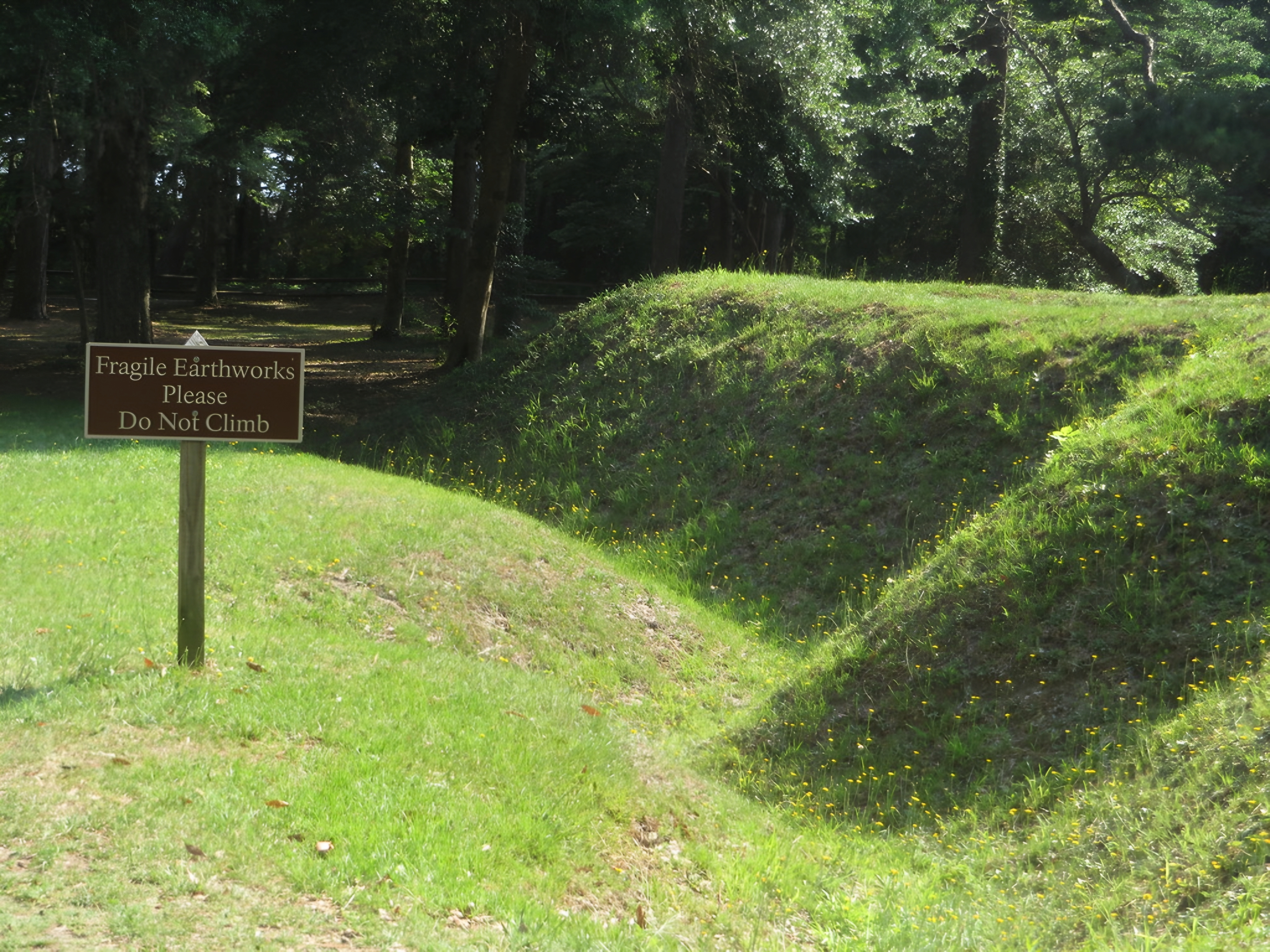 "The reconstructed earthwork at Fort Raleigh — all that visibly remains of the site where the colony once stood." |
II. Trapped by a War Continents Away
White's return should have taken months. It took three years — and the reason had nothing to do with Roanoke at all. The Spanish Armada was bearing down on England, and Queen Elizabeth I grounded every seaworthy ship in the country for the coming battle. By the time White finally secured passage in 1590, his granddaughter Virginia Dare would have been turning three years old on the very day he stepped back onto Roanoke soil.
What he found was silence.
The palisade fort still stood, deliberately fortified — not the work of people fleeing in panic. The houses had been carefully dismantled, not burned. Heavy trunks White had buried for safekeeping in 1587 had been dug up and looted. Every boat was gone. And carved into a wooden post near the entrance, one word:
CROATOAN
A second, incomplete carving — just the letters "CRO" — had been etched into a nearby tree.
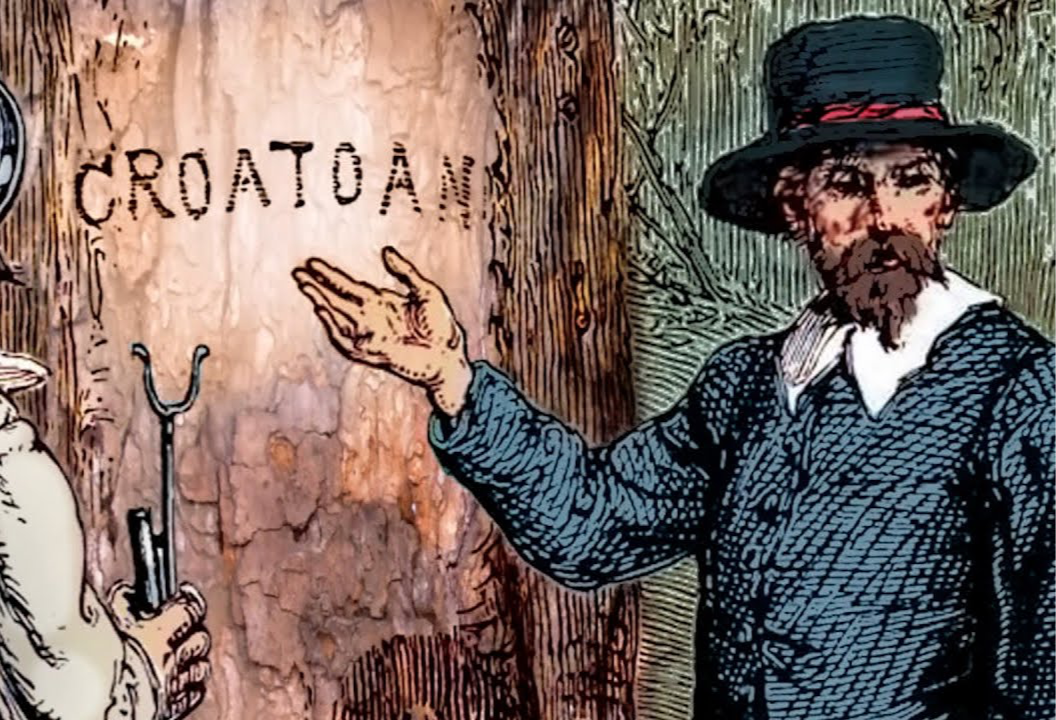 Suggested caption: "The word that has haunted historians for 435 years. Before leaving, the colonists had agreed with White on a signal: carve their destination, and add a cross only if they left under duress. No cross was found." |
This detail matters enormously. No cross meant no attack, no emergency. The colonists had left Roanoke on their own terms, calmly, and had told White exactly where they were going: Croatoan — the Native name for what is now Hatteras Island, home to a Croatan people who had been consistently friendly to the English from the very first contact in 1584.
White wanted to sail the fifty miles to Croatoan immediately. He never got the chance. A storm snapped his ship's anchor cable, and with only one anchor left, the crew refused to risk the voyage. White returned to England having seen the answer, without ever reaching it.
III. Four Centuries of Theories
For over 400 years, the case went cold, then wild. Historians, treasure hunters, and Hollywood alike filled the silence with theories — some rigorous, some little more than legend.
|
🪶 Theory: Massacre A 1609 report claimed the Powhatan leader Wahunsenacawh confessed to slaughtering the colonists. But no bodies, no mass graves, and no burned structures were ever found at Roanoke — evidence that directly contradicts a violent end at the settlement itself. |
⛵ Theory: Lost at Sea Some historians believe the colonists tried to sail home in their small pinnace and were lost in the Atlantic. Possible, but it fails to explain why they carved a specific, calm destination before leaving. |
🏹 Theory: Assimilation The leading modern theory: the colonists peacefully joined the Croatan people on Hatteras Island, gradually adopting their way of life. This is now the best-supported explanation. |
By the 1700s, explorer John Lawson had already documented gray-eyed members of the Hatteras people who told him their ancestors "could talk in a book" — a phrase historians read as a folk memory of English literacy. Generations later, the Lumbee people of Robeson County would also trace partial ancestry to the Croatan and, through them, to the Lost Colonists.
IV. What the Ground Is Finally Telling Us
Here is where the story stops being folklore and starts being forensic science.
The ring (1998): Archaeologists on Hatteras Island found a signet ring, initially believed to bear 16th-century English heraldry. It was later proven to be brass, not gold — a disappointing but honest correction, and a reminder of how easily this case has been oversold before.
"Site X" (2015–2017): Working from a hidden symbol discovered under a patch on White's own 1585 map — visible only under a light table at the British Museum — researchers excavated a location near Salmon Creek and recovered fragments of Tudor-era English pottery and weapon parts.
The hammerscale discovery (2025): In the most recent and most technically compelling find, archaeologists Scott Dawson and Mark Horton uncovered hammerscale — tiny metal flakes produced only when a blacksmith forges iron — in a layer of Hatteras Island soil dated to the late 1500s. Native Americans of the period did not forge iron. English settlers did. It is, so far, the single strongest physical clue that English colonists were living, working, and building alongside the Croatan on Hatteras Island after 1587.
The results have not yet passed peer review, and skeptical archaeologists note the absence of a confirmed forge hearth at the site. The mystery is narrowing — but it is not yet closed.
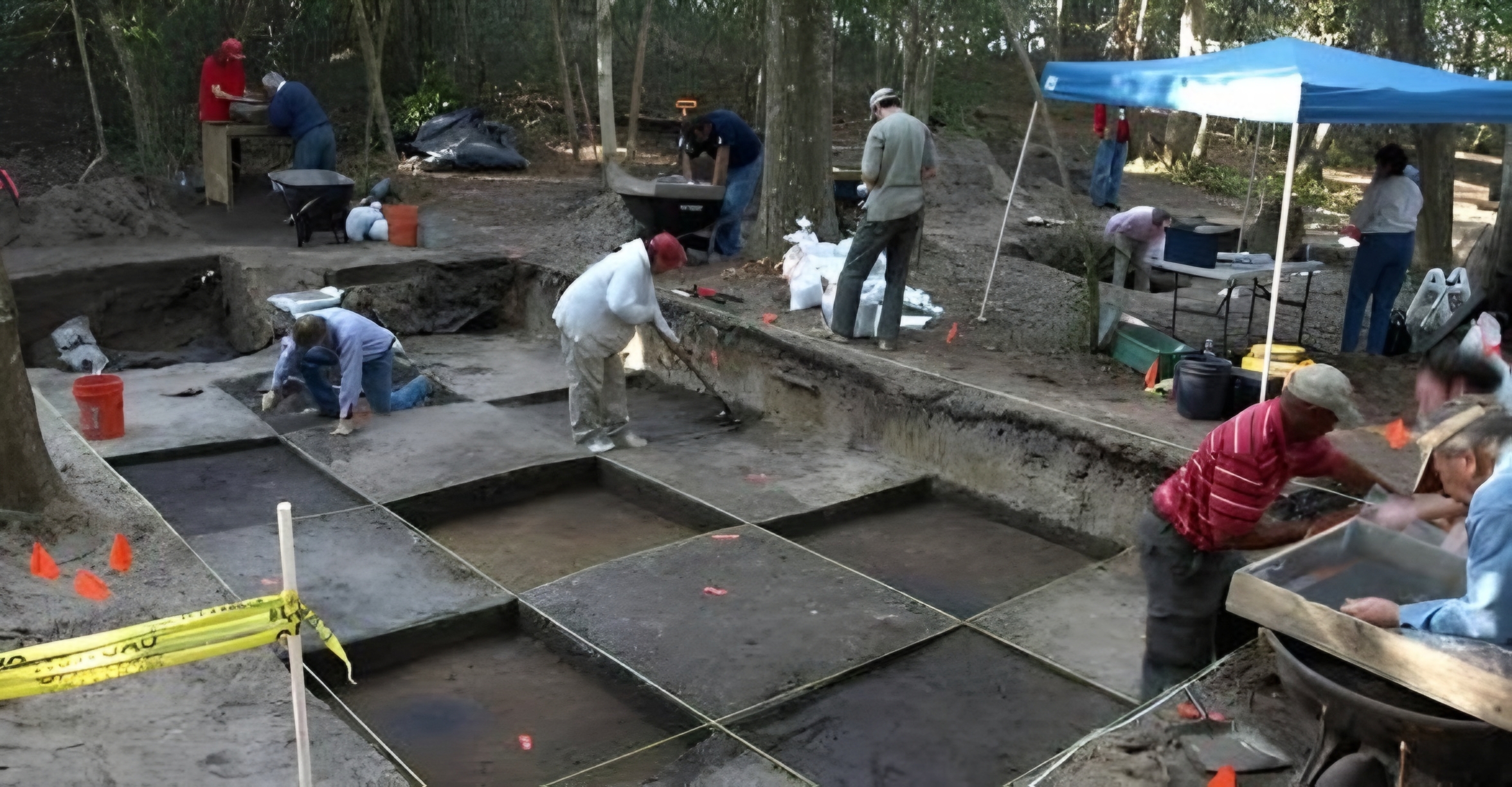 Suggested caption: "Modern excavation on Hatteras Island — where centuries-old soil is finally beginning to answer questions John White never could." |
V. So What Actually Happened?
Strip away the ghost stories and the vampire novels Roanoke has inspired over the decades, and the evidence points toward something almost anticlimactic in its humanity: the colonists were never really "lost" at all. They left a message, exactly as planned, for people who were too late — and too storm-battered — to read it in time.
Faced with dwindling supplies and a governor who did not return, it appears the settlers did precisely what English colonists a generation later, at Jamestown, would also be forced to do to survive: they leaned on the knowledge, food, and protection of the Native people who had lived on that coastline for thousands of years. Over time, English surnames, tools, and even eye color quietly folded into Croatan and, later, Hatteras and Lumbee communities — not erased, but absorbed.
The Lost Colony was never lost. It simply stopped being English.
Sources & Further Reading
- Wikipedia — Roanoke Colony (compiled from primary historical accounts and Andrew Lawler's research)
- Andrew Lawler, The Secret Token: Myth, Obsession, and the Search for the Lost Colony of Roanoke (2018)
- First Colony Foundation — ongoing archaeological research, North Carolina
- PBS North Carolina — coverage of 2025 Hatteras Island excavation findings
- Fox News Digital / National Park Service — Fort Raleigh National Historic Site
Note for @infinitelore: I've left clearly marked image slots above with suggested captions. Send me your photos (or tell me you don't have your own and want me to suggest free-to-use historical/public-domain images), and I'll drop them into the exact right slots and finalize the captions to match what's actually in each picture.