The Delicate Beauty of Queen Anne’s Lace: Nature’s Wild Heirloom
If you’ve ever driven along a rural roadside in mid-summer, you’ve likely been captivated by the frothy, cloud-like clusters of Queen Anne’s Lace (Daucus carota). Often dismissed as a common weed, this elegant wildflower is actually a fascinating botanical wonder with a history as intricate as its lace-patterned blooms.
A Floral Legend The plant earns its whimsical name from a charming piece of English folklore. It is said that Queen Anne, an expert at making lace, pricked her finger while working, causing a single drop of blood to fall onto the white fabric. If you look closely at the center of the flower’s flat-topped umbel, you will often find a single, tiny, deep-purple or maroon floret—the "blood" of Queen Anne.
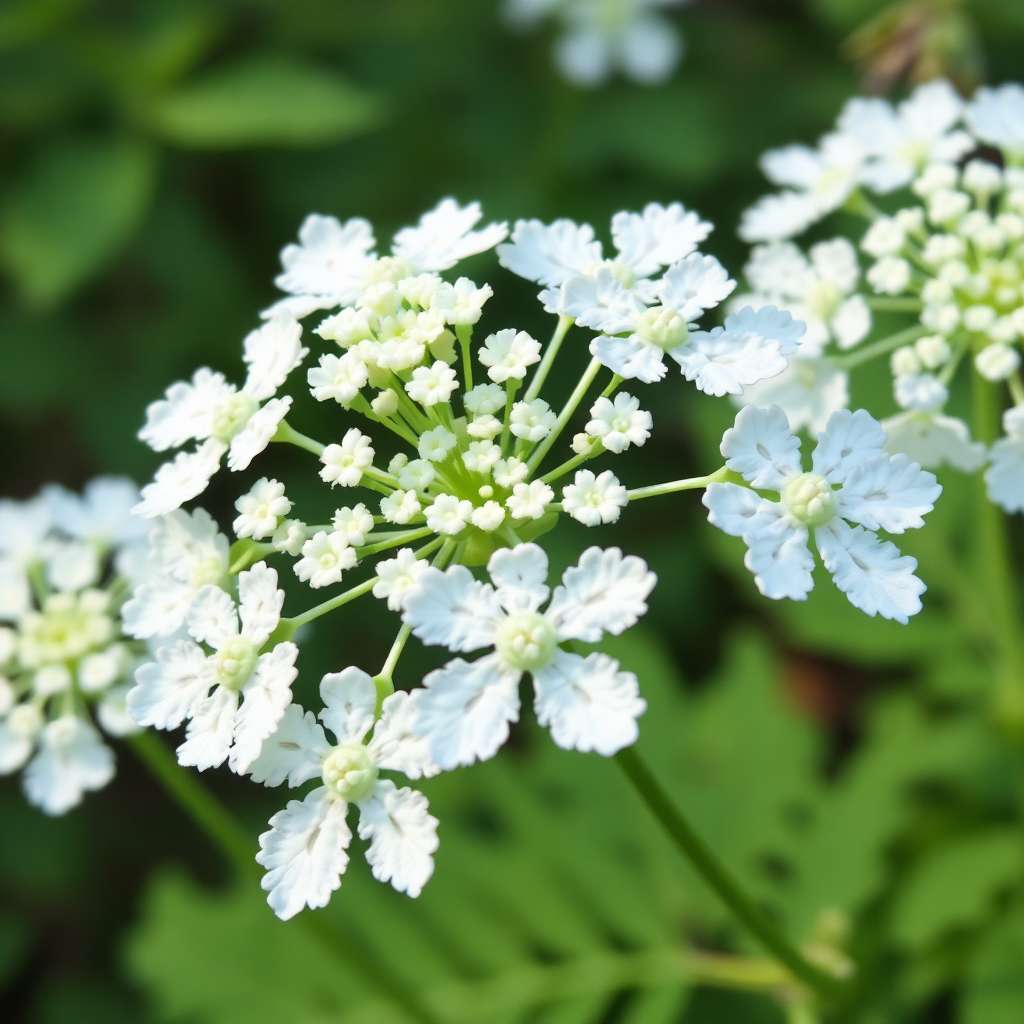
Botanical Roots While it adorns our meadows, Daucus carota is actually the wild ancestor of our common garden carrot. You can witness this lineage by pulling up a young plant; the taproot is thin, white, and smells unmistakably like the carrots you buy at the grocery store.
However, foragers should exercise extreme caution: Queen Anne’s Lace is a member of the carrot family (Apiaceae), a group that includes the deadly Poison Hemlock. Always ensure the stem is hairy and the leaves are finely divided before even considering identification, let alone consumption.
An Ecological Powerhouse Beyond its beauty, Queen Anne’s Lace is a vital asset to the garden ecosystem. Its nectar-rich blooms are a magnet for beneficial insects, including hoverflies, parasitic wasps, and butterflies. By planting it—or simply letting it grow in a wild patch of your yard—you are providing a crucial sanctuary for pollinators.
Whether you appreciate it as a symbol of wild, untamed beauty or a functional companion for local bees, Queen Anne’s Lace is a timeless highlight of the summer landscape. Next time you see those snowy heads swaying in the breeze, take a moment to admire the tiny "royal" red dot hidden within.