The Story of a Piece of Ice
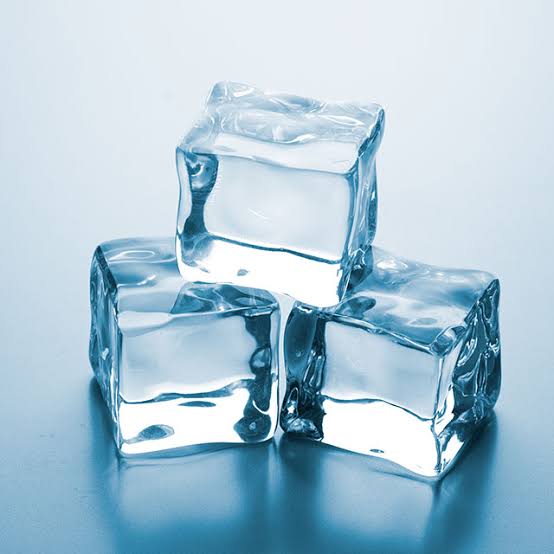
A small piece of ice may look simple. It is just frozen water, something we see in a glass, a freezer, or during winter. But if we think about it carefully, a piece of ice can have a much longer story than we imagine.
Its journey may begin high in the mountains. Snow falls during winter and slowly builds up over many years. Under the pressure of more snow, the lower layers become harder and eventually turn into ice. In places where temperatures remain low for a very long time, huge glaciers can form.
Glaciers are like slow-moving rivers made of ice. They may look completely still, but they can move gradually across the land. As they travel, they can shape valleys, move rocks, and leave marks on the landscape. A tiny piece of ice can therefore be part of a much larger natural process.
Eventually, temperatures rise. A glacier begins to melt, and water starts flowing downhill. That water may enter a stream, then a river, and eventually reach a lake or ocean. Along the way, it can provide drinking water for people and animals and support plants and farms.
A piece of ice can also begin its journey in the atmosphere. Water evaporates from oceans, lakes, and rivers and rises into the air. When the temperature becomes low enough, water droplets or vapor can freeze and form snow or ice crystals. These crystals may join together and fall back to Earth.
Even an ordinary ice cube has a small story. Water is placed inside a freezer, where its temperature drops below the freezing point. The water molecules slow down and arrange themselves into a solid structure. What was once liquid water becomes a hard piece of ice.
Then something interesting happens when the ice is taken out. It begins absorbing heat from its surroundings. Slowly, its solid structure breaks down and it becomes liquid water again. Nothing has really disappeared. The water has simply changed its form.
This simple process is part of the larger water cycle that connects oceans, clouds, rain, snow, rivers, glaciers, and living things. The same water on Earth has been moving through different forms for an incredibly long time.
A piece of ice can therefore remind us that nature is always moving, even when it appears still. What looks like an ordinary frozen object may actually be part of a much bigger story involving mountains, clouds, rivers, oceans, and the atmosphere.
The next time you see a small piece of ice melting in a glass, it may be worth remembering that its journey is not really ending. It is simply changing again.
Upvoted! Thank you for supporting witness @jswit.
Congratulations!
Your post has been selected and upvoted by the SteemPro Team 🚀
Explore more on SteemPro:
🌐 https://www.steempro.com
🎮 Play SteemHeights: https://www.steempro.com/games/steem-heights
💬 Join our Discord: https://discord.gg/Bsf98vMg6U
💪 Supporting the growth of the Steem ecosystem together.
🟩 Vote for witness faisalamin:
https://steemitwallet.com/~witnesses
https://www.steempro.com/witnesses#faisalamin
This is an automated message.