The Importance of a System That Links Information
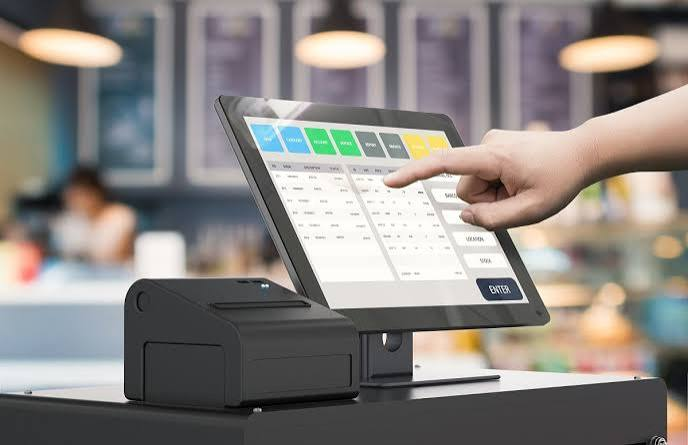
During a visit to a store, I noticed a situation that might seem strange at first glance. An employee was scanning the customer's items, but when it came time to pay by card, the customer was redirected to a different register.
For the customer, this step seems perfectly normal. However, behind this system sometimes lies a real management challenge.
What you see isn't always the whole story
When the sale is recorded in one place and the payment is processed elsewhere, tracking transactions can become more complex. At first glance, one might think that information is likely to get lost or mixed up.
In reality, it all depends on how the business has designed its management system. A well-thought-out system allows you to track each step without difficulty, even when several people are involved in the process.
The Importance of a System That Links Information
Many modern businesses now use tools that can centralize data from different registers. Thanks to this approach, a sale remains linked to the person who made it, even if the payment is processed at another point in the store.
This seamless coordination avoids many administrative problems and allows teams to work more smoothly.
Why Numbers Can Sometimes Seem Surprising
At the end of the day, managers often consult various reports to understand the store's activity.
Without an automatic reconciliation mechanism, some statistics could present an incomplete picture. One register might show more sales, while another records more payments. The figures would remain accurate overall, but their distribution could be misleading.
That's why modern management tools place great importance on data consistency.
The Lesson Learned
This situation reminded me of an important point: visible results don't always tell the whole story. In business, as in everyday life, it's sometimes necessary to look at the whole system before drawing conclusions.
Behind an organization that appears complicated, there's often a logic designed to make work run more smoothly and reliably. Understanding the mechanisms that connect the different stages often allows for a better appreciation of the work done behind the scenes