Is My Child Too Young For Cosmetic Dentistry?
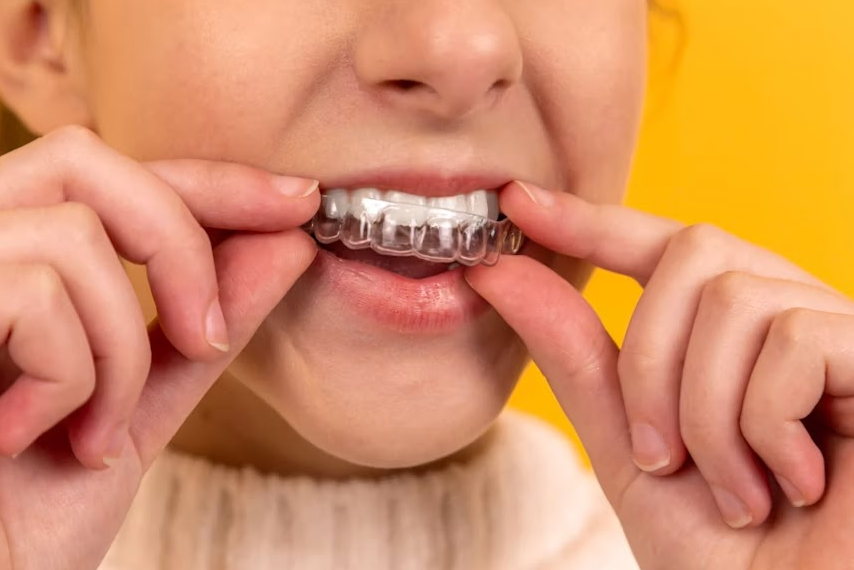
When most people hear the phrase "cosmetic dentistry," they think of adult treatments such as veneers, teeth whitening, or smile makeovers. However, children can also experience dental concerns that affect the appearance of their teeth. Chipped front teeth, discoloration, gaps, and developmental abnormalities may lead parents to wonder whether cosmetic dental treatment is appropriate at a young age.
Cosmetic Dentistry in Children
Cosmetic dentistry refers to dental procedures that improve the appearance of the teeth, gums, or smile.
In children, cosmetic concerns may arise from:
- Dental injuries;
- Developmental conditions;
- Enamel defects;
- Tooth discoloration;
- Irregular tooth shape;
- Gaps between teeth.
Unlike adult cosmetic dentistry, treatment for children often focuses on preserving tooth structure and supporting healthy development while also addressing appearance.
A pediatric dentist can help determine which treatments are appropriate and which should be postponed until later.
Why Appearance Matters for Children
Some parents hesitate to consider cosmetic treatment because they worry it may be unnecessary.
However, dental appearance can have a meaningful impact on a child's:
- Self-confidence;
- Social interactions;
- Willingness to smile;
- Emotional well-being.
For example, a child who chips a front tooth during sports may become self-conscious about their smile.
In these situations, addressing the cosmetic concern may provide benefits beyond aesthetics alone. The goal is not perfection but helping the child feel comfortable and confident.
Cosmetic Treatments Commonly Used in Children
Certain cosmetic procedures can be appropriate for younger patients.
Dental Bonding
Bonding is one of the most common cosmetic treatments for children.
The procedure uses tooth-colored composite material to repair:
- Chipped teeth;
- Small fractures;
- Minor shape irregularities.
Bonding is conservative, relatively quick, and often requires little or no removal of natural tooth structure.
Tooth-Colored Fillings
When cavities occur in visible areas, tooth-colored restorations can help maintain a natural appearance.
These fillings blend more closely with surrounding teeth than traditional silver-colored materials.
Enamel Microabrasion
Some children develop surface stains or discoloration due to enamel irregularities.
In selected cases, enamel microabrasion may improve appearance by removing superficial discoloration.
Orthodontic Treatment
Although often considered separately from cosmetic dentistry, orthodontic treatment can significantly improve smile aesthetics.
Braces and clear aligners may help address:
- Crowding;
- Gaps;
- Bite issues;
- Misalignment.
Orthodontic treatment frequently serves both cosmetic and functional purposes.
Treatments Usually Reserved For Adults
Some cosmetic procedures are generally postponed until dental development is complete.
Porcelain Veneers
Veneers involve placing thin shells over the front surfaces of teeth.
Because children's teeth and jaws continue to develop, veneers are usually not considered appropriate for younger patients except in rare circumstances.
Professional Teeth Whitening
Whitening is often delayed until permanent teeth have fully erupted.
Younger patients may have increased sensitivity, and whitening may not always be appropriate during active dental development.
Extensive Smile Makeovers
Comprehensive cosmetic treatment plans are typically reserved for adults whose dental growth is complete.
The Importance of Dental Development
One of the most important factors in determining whether a child is too young for cosmetic dentistry is dental maturity.
Children experience continuous changes involving:
- Tooth eruption;
- Jaw growth;
- Bite development.
A treatment that appears appropriate today may become less ideal as the child grows.
This is why pediatric dentists often prefer conservative and reversible approaches whenever possible. Protecting future treatment options is an important consideration.
When Cosmetic Concerns Involve Dental Trauma
Dental injuries are among the most common reasons children receive cosmetic treatment.
Falls, sports injuries, and accidents can result in:
- Chipped teeth;
- Fractured teeth;
- Tooth discoloration.
In many cases, cosmetic repair serves both functional and emotional purposes. Restoring a damaged front tooth can help protect the tooth while also improving appearance.
Prompt evaluation after dental trauma is important to assess both cosmetic and structural concerns.
The bottom line
A child is not necessarily too young for cosmetic dentistry, but the type of treatment matters. Certain conservative procedures such as bonding, tooth-colored fillings, and orthodontic treatment can be appropriate for children and adolescents when they address specific cosmetic concerns. More extensive cosmetic procedures, including veneers and many whitening treatments, are often postponed until dental and jaw development is complete.