The Old World and the Forgotten Giants.... the Cynocephali (the legendary race of dog-headed men) PART1
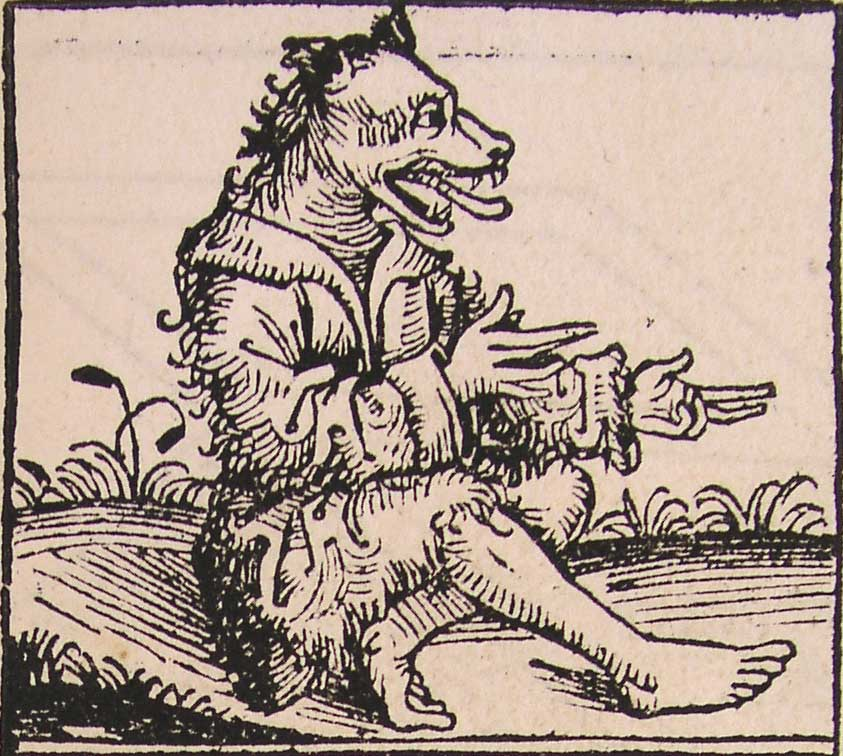
This iconic woodcut print depicts a member of the Cynocephali (the legendary race of dog-headed men).
Document Context & Origin
The Source: This specific illustration comes from the famous Nuremberg Chronicle (Liber Chronicarum).
Publication Date: It was published on July 12, 1493, compiled by the German physician and humanist Hartmann Schedel.
The Artist: The woodcuts for the chronicle were produced in the Nuremberg workshop of Michael Wolgemut and his stepson Wilhelm Pleydenwurff (where a young Albrecht Dürer was an apprentice).
Location in the Text: It appears on Folio XII (sheet 12) in a famous border margin layout that catalogues the various "Monstrous Races" believed to inhabit the unmapped, extreme edges of Africa and Asia.
The Legend of the Dog-Headed Race
In ancient and medieval worldview, the Cynocephali were considered a physical certainty rather than a fairytale. They were consistently placed in the remote mountains of India or the Andaman Islands. Ancient travellers like Ctesias (4th century BCE), Pliny the Elder (1st century CE), and Marco Polo (13th century) all wrote accounts of them. They were described as incredibly fast, powerful hunters who could not speak human language, instead communicating entirely through complex barks, growls, and hand gestures—which the artist captures here by giving the creature a distinctly human outfit and expressive, gesturing hands.
Because medieval Europeans genuinely believed the Cynocephali existed, the race became the centre of a massive theological puzzle during the Middle Ages: Did they have human souls, and could they be saved?
St. Augustine’s Stance (5th Century CE): In The City of God, Augustine argued that if these creatures truly existed and were rational, mortal beings, they must be descendants of Adam and therefore part of God's creation, meaning they possessed souls.
The 9th-Century Letters of Ratramnus (c. 840 CE): A famous theological debate erupted between the monk Ratramnus of Corbie and his contemporary Rimbert. Rimbert wanted to know if he should try to evangelize the dog-headed people. Ratramnus famously replied that because the Cynocephali were reported to live in societies, wear clothing, domesticate animals, and enforce laws, they possessed rational human intellect and souls, meaning they could—and should—be baptized and saved.
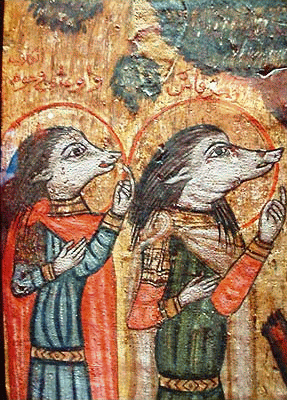
This deep theological integration is exactly why a dog-headed warrior could eventually be canonized as a saint, resulting in the famous Eastern Orthodox iconographies of Saint Christopher with a canine head.
The belief in the Cynocephali evolved dramatically between the 2nd and 14th centuries, transitioning from classical Greek and Roman natural history into medieval theological debates, and finally into spectacular, gritty travelogues during the Age of Discovery.
As the centuries progressed, these dog-headed humanoids were consistently described as tall, powerful warriors inhabiting the edge of the known world.
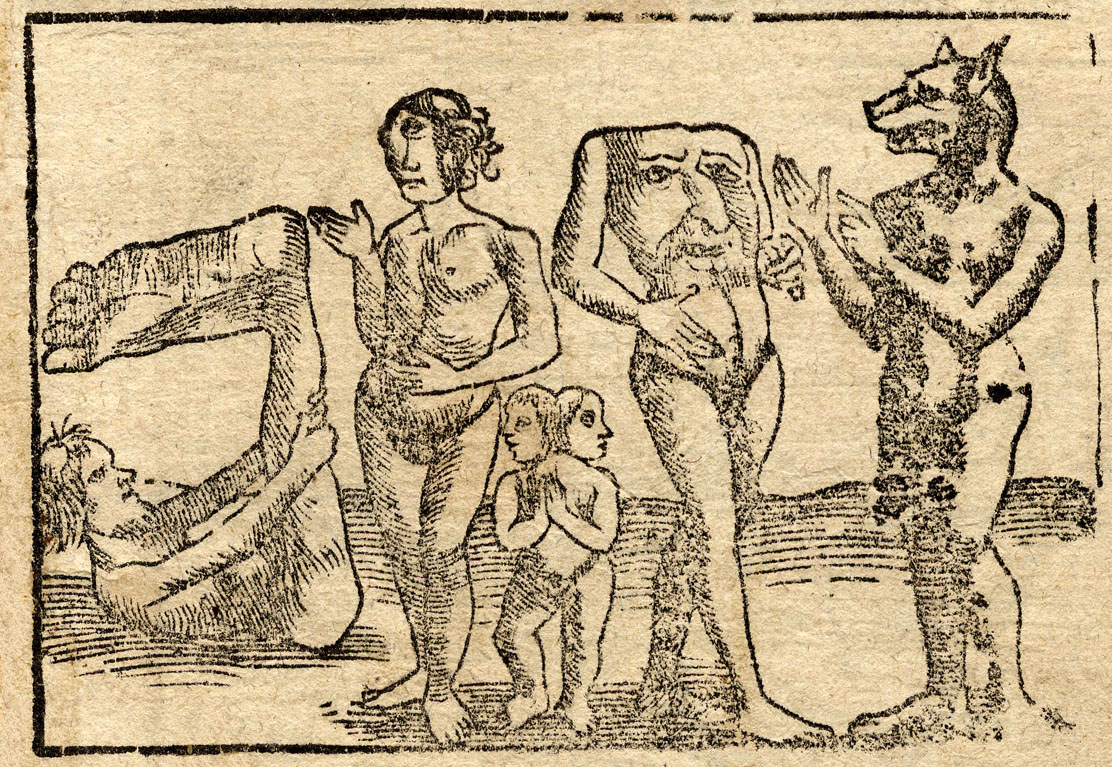
The Old World and the Forgotten Giants.... Over 900 pages of giants that feature in folklore and mythology around the world.
Better quality Images, High resolution. UNLIMITED SHARES.
https://payhip.com/ForgottenHistoryWM80
FREE VERSION... CLICK HERE... First 300 pages preview free to download