Fantasy Books for Readers Who Don’t Usually Like Fantasy
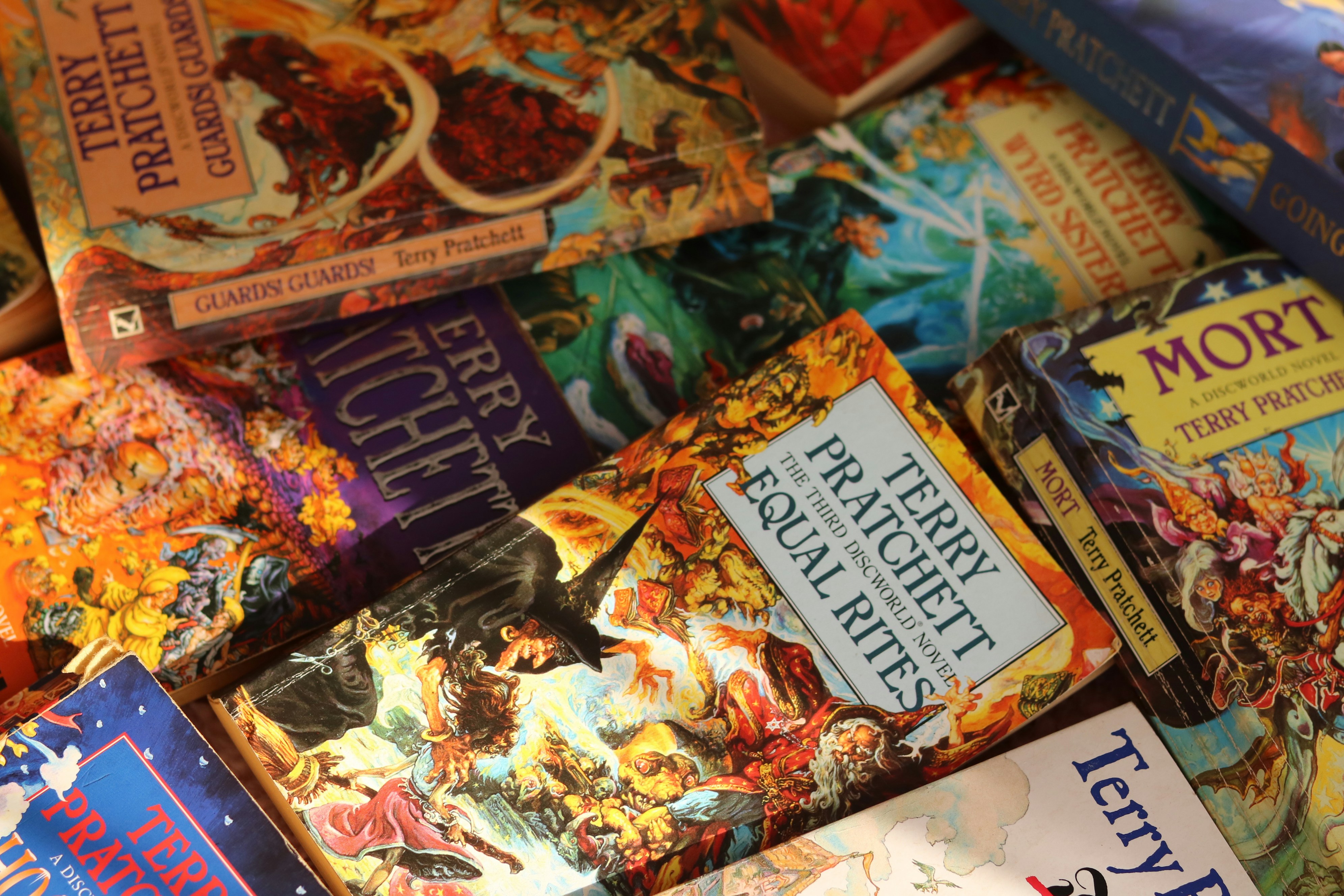
If you’ve ever said, “Fantasy just isn’t for me,” you’re not alone. Maybe you imagine thick tomes filled with dragons, made-up languages, and impossible-to-pronounce kingdoms. Or maybe you’ve tried a popular fantasy series and felt lost in the lore, overwhelmed by magical rules, or just plain uninterested in epic battles and chosen ones.
But here’s the secret: fantasy isn’t one-size-fits-all.
The genre is surprisingly diverse ranging from quiet, character-driven stories with a hint of magic to gripping tales set in worlds that feel just like ours… with one strange twist. Whether you’re into mysteries, historical fiction, romance, or contemporary drama, there’s a fantasy novel out there that might speak your language.
In this post, I’m breaking down fantasy books that are perfect for readers who don’t usually like fantasy. Think of this as your no-pressure guide to stories that ease you into the genre no dragons required (well, mostly). Let’s dive in.
What Turns People Off from Fantasy
Fantasy is often misunderstood, even by avid readers of other genres. One of the biggest turn-offs is the sheer complexity that some fantasy books carry. Maps, family trees, glossaries of invented languages it can feel more like homework than escapism. For someone unfamiliar with the genre, the barrier to entry can seem unreasonably high.
Another common complaint is the length. Fantasy series are notorious for being multi-book epics, with each installment easily clocking in at 500+ pages. Readers who prefer tight, self-contained narratives may feel reluctant to commit to something that spans a trilogy or more. There’s also the fear of never getting a conclusion (especially if the series is still ongoing).
Then there are the tropes. While longtime fans might find joy in familiar elements like chosen ones, dark lords, and ancient prophecies, newcomers may find these repetitive or overly dramatic. Some readers are looking for stories grounded in emotional realism, not grand quests or magical artifacts.
Finally, fantasy can sometimes feel emotionally distant. In the rush to build worlds and explain magic systems, some books sacrifice character depth or meaningful relationships. For readers who value interior life and human connection over plot-heavy adventures, this can be a dealbreaker.
But the good news? Not all fantasy falls into these traps. There’s a wide spectrum of stories out there and many of them are perfect for readers who want something magical, but still grounded, character-focused, or genre-blending.
What to Look for in Beginner-Friendly Fantasy
If you’re curious about giving fantasy another shot or maybe even for the first time it helps to know what kind of books ease readers into the genre without overwhelming them. Beginner-friendly fantasy doesn’t drown you in exposition or force you to memorize a cast of 50 characters. Instead, it invites you in gently, with familiar themes, relatable characters, and just enough magic to spark your curiosity.
One great place to start is with low fantasy or urban fantasy stories that take place in a world much like our own, where the magical elements are subtle or slowly revealed. These books often blend real-world settings with light touches of the fantastical, making them more accessible for readers who aren’t used to escaping into completely fictional realms. Think magic realism, mysterious doorways, or characters discovering strange abilities in otherwise ordinary lives.
Another helpful entry point is to look for standalone novels or duologies rather than sprawling sagas. While epic series can be rewarding, they often require a big time investment and a lot of mental energy. A single, self-contained story lets you test the waters without feeling tied down. Plus, authors often focus more tightly on character arcs and themes in these shorter formats.
You might also enjoy fantasy books that cross into other genres you already love. A fantasy-mystery, for example, might feel more familiar than a traditional quest narrative. Or maybe a romantic fantasy with strong emotional stakes resonates more than a tale about saving the world. Fantasy doesn’t have to mean swords and sorcery it can mean subtle magic, psychological tension, historical depth, or even a twist of the surreal.
Most importantly, seek out stories that are character-driven. Books where the fantasy elements serve the emotions, relationships, or growth of the protagonist not just the plot. These are the kinds of stories that stick with you, whether they take place in New York City or an enchanted forest.
The key is finding the right kind of fantasy the kind that aligns with what you already enjoy in fiction, but adds a little extra spark.
Fantasy Books That Feel Like… Something Else
One of the easiest ways into fantasy for skeptical readers is to start with books that don’t feel like typical fantasy. These are the stories that blend magical elements so seamlessly with other genres like historical fiction, romance, or contemporary drama that you might not even realize you’re reading fantasy at first. They offer that little touch of the extraordinary while staying grounded in strong storytelling, rich emotion, and familiar narrative styles.
Take The Night Circus by Erin Morgenstern, for example. This novel is a lush, dreamy experience set in a magical circus that appears without warning and is only open at night. But at its heart, it’s not about the spectacle it’s about two young illusionists locked in a quiet, slow-burning competition, and the people drawn into their orbit. With its poetic prose and romantic atmosphere, it reads more like historical fiction or literary fiction with a sprinkle of magic on top.
Then there’s The Invisible Life of Addie LaRue by V.E. Schwab a haunting, beautifully written story about a woman who makes a Faustian bargain to live forever, but is cursed to be forgotten by everyone she meets. Spanning centuries and continents, it explores themes of identity, memory, and legacy. The fantasy here is soft and backgrounded; the emotional journey is what really drives the story.
If you prefer something more cerebral and mysterious, Piranesi by Susanna Clarke might intrigue you. This novel is set in a surreal, labyrinthine house filled with statues, tides, and echoes. It reads like a puzzle box, slowly unraveling its secrets as the protagonist pieces together the truth of his existence. It’s otherworldly, yes but also deeply philosophical and unexpectedly moving.
For a blend of portal fantasy and historical fiction, The Ten Thousand Doors of January by Alix E. Harrow is a standout. Set in the early 1900s, it follows a young girl who discovers a strange book that opens doors to other worlds. It’s a celebration of storytelling and possibility, with a powerful emotional core and beautiful writing that makes it feel more like a love letter to literature than a typical fantasy adventure.
These books don’t ask you to leave behind everything you know they bring the magic to you, slowly and gracefully. They’re perfect for readers who want a gentle introduction to fantasy through stories that feel just as much like literary fiction, romance, or mystery.
Genre Crossovers - Fantasy + Something Familiar
One of the most effective ways to ease into fantasy is through genre crossovers books that mix fantasy elements with something you already enjoy, like mystery, romance, or historical fiction. These hybrids feel familiar, yet they offer a new lens that adds depth, atmosphere, or a little bit of magic to a genre you already love. Think of it like dipping your toes into the fantastical without fully diving in.
If you’re a fan of mysteries or detective stories, The City & the City by China Miéville is a fascinating place to start. It reads like a gritty noir crime novel, but it’s set in two cities that literally occupy the same physical space citizens of each are trained not to see the other. The premise is bizarre, but it’s handled with such matter-of-fact precision that the surreal becomes almost logical. The core remains a murder investigation, grounded in classic detective tropes with just enough speculative weirdness to make it unique.
For readers who gravitate toward romance, A Court of Thorns and Roses by Sarah J. Maas might surprise you. It begins as a loose retelling of Beauty and the Beast, set in a fae-ruled realm just across the border from the human world. While it features magical creatures and an expansive world, the heart of the story lies in its romantic and emotional entanglements. It’s dramatic, steamy, and surprisingly accessible for readers more interested in relationships than in fantasy lore.
Those drawn to historical fiction might fall in love with Jonathan Strange & Mr Norrell by Susanna Clarke. Set in a richly imagined version of 19th-century England, it blends the tone of a Jane Austen novel with an alternate history where magic once existed and is being slowly revived. The story is dense but rewarding, filled with wit, footnotes, and dry humor. If you enjoy slow-burn storytelling and period dramas, this could be your bridge into fantasy.
Finally, for lovers of literary or coming-of-age fiction, The Ocean at the End of the Lane by Neil Gaiman offers a beautifully written, nostalgic tale of childhood and memory. It starts with a man returning to his hometown for a funeral, only to remember strange and terrifying events from his youth involving mysterious neighbors and ancient forces. The fantasy is subtle and dreamlike, serving as a metaphor for emotional experiences we all recognize fear, loss, wonder.
These crossover stories prove that fantasy doesn’t have to feel foreign. When magic blends seamlessly with familiar genres, it opens the door for readers to experience something new without leaving behind what they already love.
Light Series to Dip Into
If you’ve found a standalone fantasy book you enjoyed, the next step might be trying a series but don’t worry, not all fantasy series are ten-volume epics with encyclopedic lore. Some are surprisingly accessible, emotionally rich, and structured in a way that lets you ease into the world without needing a flowchart to keep track. These “lighter” series are perfect for readers who want a little more of that magical spark without feeling overwhelmed.
A great entry point is His Dark Materials by Philip Pullman. While technically considered young adult, this trilogy has depth and philosophical weight that appeals to all ages. Set in a world both familiar and strange where people’s souls exist outside their bodies in animal form it blends fantasy, science, theology, and coming-of-age themes into a deeply thought-provoking story. The world-building is intricate but never excessive, and the emotional journey of its characters is front and center.
For something more modern and witty, The Scholomance series by Naomi Novik offers a darkly funny twist on the magical school trope. Set in a deadly, self-aware school for magically gifted teenagers, this series feels fresh, fast-paced, and far more character-driven than it first appears. The narrator, El, is a prickly, sarcastic protagonist whose voice carries the series, and the magic system while clever is explained in digestible bits. It’s perfect for readers who like a bit of humor with their fantasy and aren’t afraid of a little edge.
If you’re looking for something more emotionally intense and genre-defying, The Broken Earth Trilogy by N.K. Jemisin is a powerful option. Set in a world plagued by apocalyptic disasters and geological upheaval, the story centers on marginalized characters with earth-shaking powers literally. While the series does require some attention, it’s deeply rewarding, especially for readers who appreciate rich character work and bold, innovative storytelling. Jemisin’s writing is raw, poetic, and unforgettable, and the trilogy’s themes survival, injustice, motherhood, identity resonate far beyond the fantasy genre.
These series prove that fantasy can be gripping without being overwhelming, imaginative without being inaccessible. Whether you’re in the mood for something thoughtful, thrilling, or emotionally resonant, there’s a series that will ease you in and leave you wanting more not less.
Fantasy Isn’t One-Size-Fits-All
At the end of the day, fantasy is one of the most flexible and expansive genres in fiction it’s not just castles and quests, dragons and dark lords. It can be quiet and lyrical, gritty and grounded, strange and surreal, or romantic and whimsical. The beauty of fantasy lies in its ability to stretch the boundaries of reality while still telling deeply human stories. And for readers who’ve always thought fantasy wasn’t for them, it’s often just a matter of finding the right kind of magic.
Whether it’s a story with just a whisper of the supernatural or a fully imagined world that mirrors our own emotional struggles, fantasy can be a powerful way to explore ideas and feelings in ways no other genre can. It’s not about escaping reality it’s about expanding it. About seeing familiar things in a new light, and imagining the impossible through the lens of what we already understand.
So if you’ve ever dismissed fantasy as “not your thing,” consider giving it another try with a book that leans into the kind of stories you already love. You might be surprised by what you find when you open that first door.
And if you’ve already discovered a fantasy book that surprised you, I’d love to hear about it. What changed your mind? What stayed with you? Drop a comment below I’m always looking for more magic to share.
Frequently Asked Questions (FAQs)
1. I’ve never liked fantasy before - why should I give it another try?
Fantasy has evolved far beyond the traditional tropes. While some readers associate it with dragons, epic wars, and dense world-building, modern fantasy comes in many forms some subtle, some genre-blending, and many deeply emotional or character-driven. There’s likely a version of fantasy that speaks to your existing reading tastes you just haven’t found it yet.
2. What’s the difference between high fantasy and low fantasy?
High fantasy is set in entirely fictional worlds with their own rules, maps, and magical systems (think The Lord of the Rings). Low fantasy typically takes place in the real world or a world very similar to it, with just a touch of magic. If you’re new to the genre, low fantasy can be an easier and more relatable starting point.
3. Are there fantasy books without magic?
Yes! Some fantasy books focus more on atmosphere, alternate histories, or surreal elements rather than overt magical systems. In many cases, the fantasy is more thematic than literal used to explore emotional truths or philosophical ideas rather than to cast spells or fight monsters.
4. What if I don’t want to commit to a series?
That’s totally fair! There are many excellent standalone fantasy novels or short series that offer a complete, satisfying story in one or two books. Some great starting points include The Night Circus, Piranesi, and The Ocean at the End of the Lane each can be enjoyed without needing to dive into a sprawling universe.
5. Can fantasy be literary?
Absolutely. Many contemporary fantasy authors blend literary fiction techniques lyrical prose, complex characters, and thematic depth with speculative elements. Books like The Invisible Life of Addie LaRue or Jonathan Strange & Mr Norrell are great examples of fantasy that feel as rich and nuanced as literary fiction.
6. What’s a good fantasy book for book clubs or discussion groups?
Try The Ten Thousand Doors of January or The Broken Earth Trilogy. Both explore themes like identity, oppression, and the power of stories, offering plenty of material for thoughtful discussion. They’re also beautifully written and emotionally resonant.