1962 Ford Taunus 17M — West Germany’s’Bathtub’ Ford
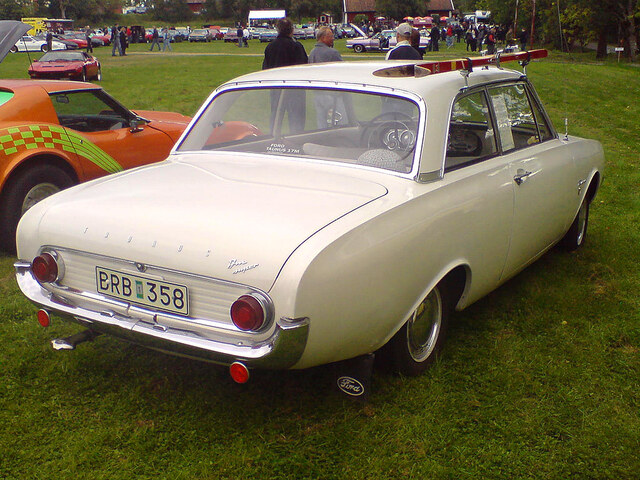
🇩🇪 The Ford Taunus 17M — West Germany's "Bathtub" Ford
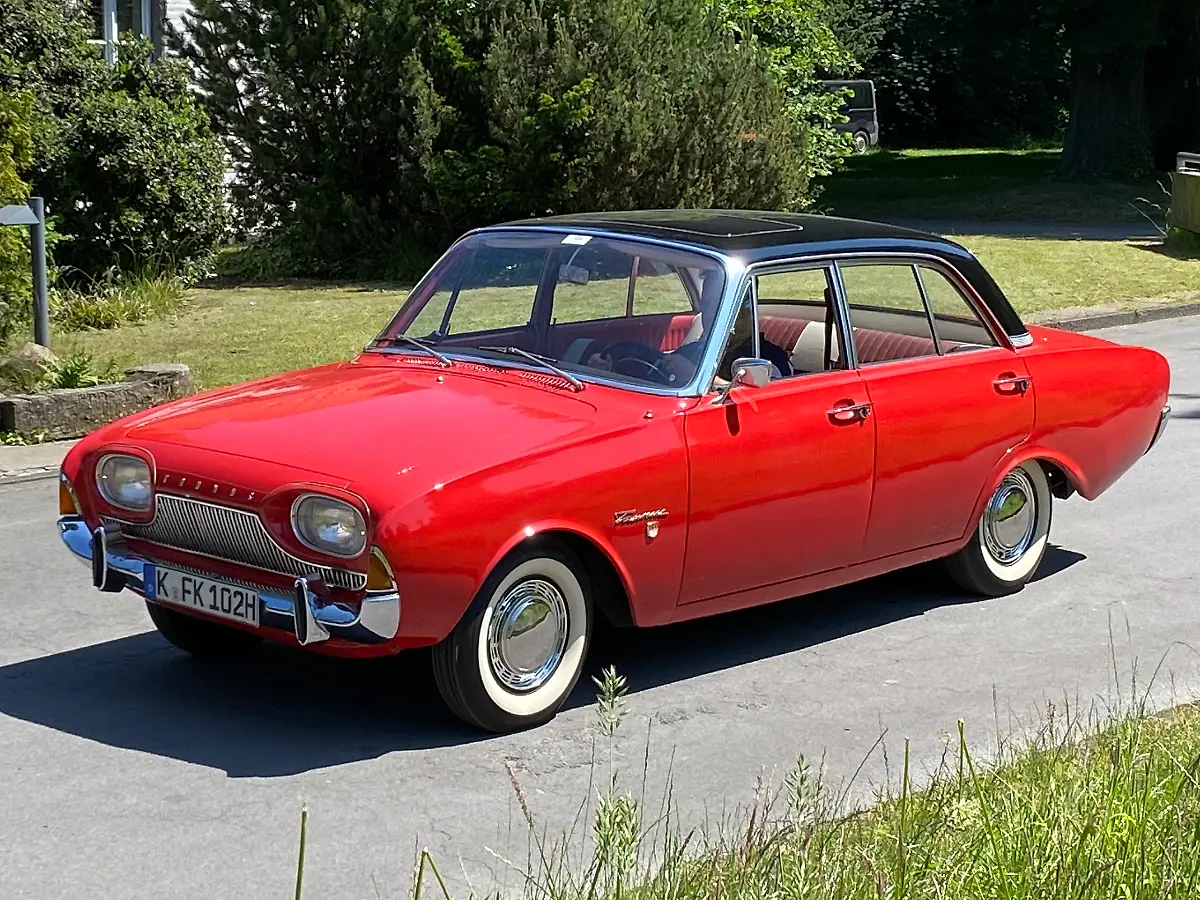
The Ford Taunus 17M (P3 generation, 1960–1964) earned the nickname "Badewanne" — German for "bathtub" — thanks to its smooth, rounded body lines that bore an uncanny resemblance to a porcelain tub. It was one of West Germany's most popular family cars during the Wirtschaftswunder (economic miracle), offering reliable Ford engineering at an accessible price.
🔧 Engineering & Specs
| Spec | Detail |
|---|---|
| Production | 1960 – 1964 |
| Engine | 1,699 cc (1.7L) inline-4 "Taunus V4" |
| Power | 65 hp (48 kW) |
| Torque | 97 lb-ft (131 Nm) |
| Top speed | 145 km/h (90 mph) |
| 0–100 km/h | ~18 seconds |
| Transmission | 4-speed manual |
| Weight | 960 kg (2,116 lb) |
| Drivetrain | Front-engine, rear-wheel drive |
The 1.7-litre overhead-valve four was a smooth, willing unit — not sporty, but perfectly suited to autobahn cruising and family duty. The Taunus was essentially a德国 version of Ford's European platform strategy, sharing DNA with the British Ford Cortina that would follow.
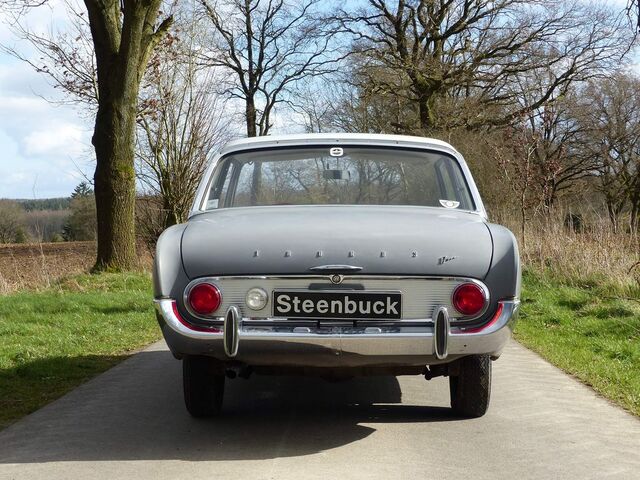
🛁 The "Bathtub" Design
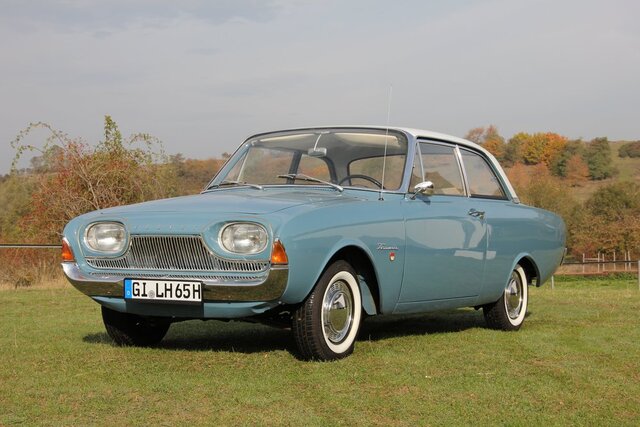
The P3 Taunus was a radical departure from the boxy P2 that preceded it. Designer Uwe Bahnsen (who would later create the iconic Ford Capri) gave the 17M flowing curves, a panoramic windscreen, and a flat rear deck — all very modern for 1960.
The styling divided opinion at launch. Some loved its elegance; others thought it looked like a bathroom fixture. But the public voted with their wallets: the Taunus 17M became a bestseller.
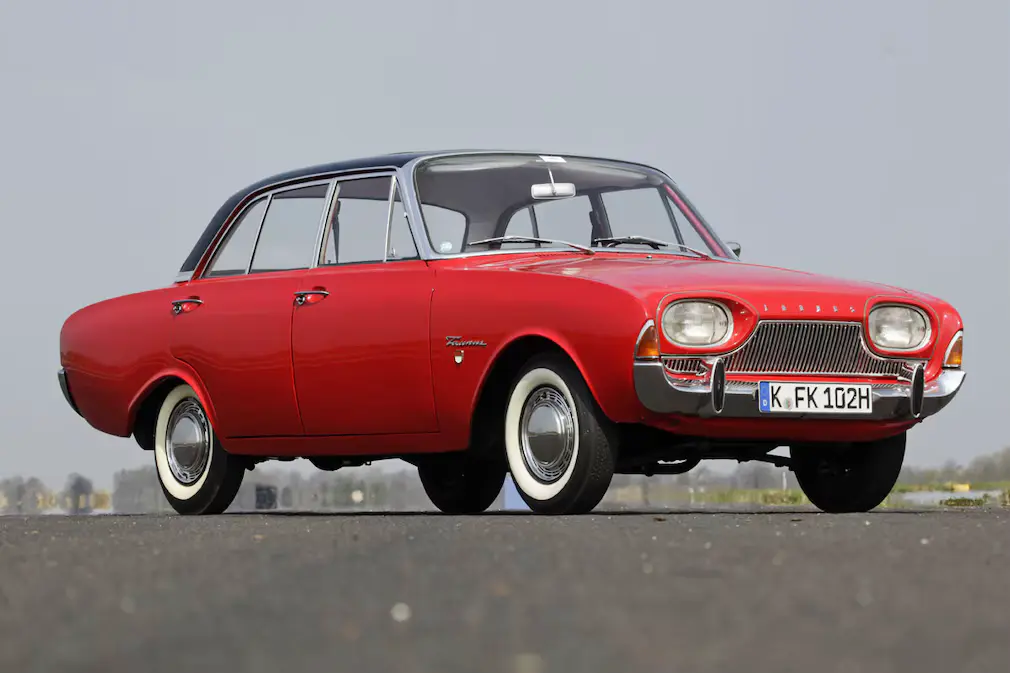
📐 Interior & Features
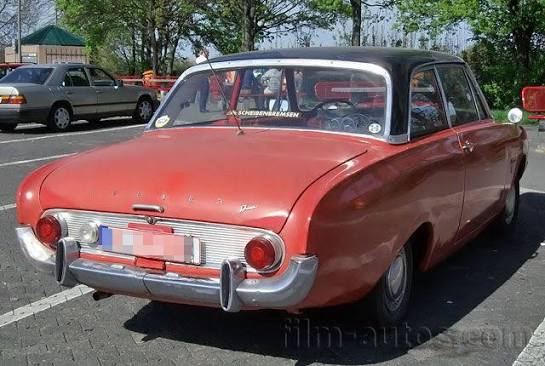
For its era, the Taunus 17M was surprisingly well-equipped:
- Two-spoke steering wheel with horn ring
- Full-width dashboard with integrated radio pod
- Bench front seat (optional individual buckets)
- Pull-out ashtray and cigarette lighter — essential 1960s kit
- Column-mounted gear lever to free up floor space
Build quality was solid by contemporary standards, though rust was the Taunus's eventual nemesis — a problem shared by nearly every European car of the period.
🌍 A Global Ford
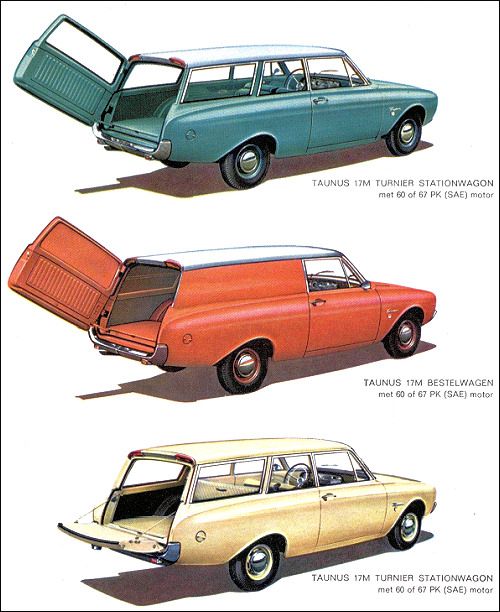
Ford's German operations built the Taunus for export across Europe and beyond. The 17M was sold in:
- Germany — the home market, where it was a top-10 seller
- Benelux — popular in the Netherlands and Belgium
- France — as a practical alternative to Renault and Peugeot
- Scandinavia — well-suited to cold Nordic climates
- South Africa — where Ford SA assembled the Taunus locally at their Port Elizabeth plant, making it a familiar sight on South African roads throughout the 1960s
The South African assembly gave the Taunus a foothold in the Southern Hemisphere, where it competed against the likes of the VW Beetle and Morris Minor.
🏁 The Taunus Legacy
The P3 17M was replaced in 1964 by the larger P4 "Badewanne II", and the Taunus nameplate continued through the 1970s, evolving into the Ford Sierra in 1982. In Britain, the related Ford Cortina became Britain's best-selling car for five consecutive years.
The Taunus 17M represented everything Ford did well in the 1960s: straightforward engineering, handsome styling, and value for money. It wasn't exciting, but it was right — and that's what sold cars.
💰 Today
| Condition | Estimated Value |
|---|---|
| Project / barn find | €1,500 – €4,000 |
| Restored / excellent | €8,000 – €18,000 |
| Concours / rare variants | €20,000+ |
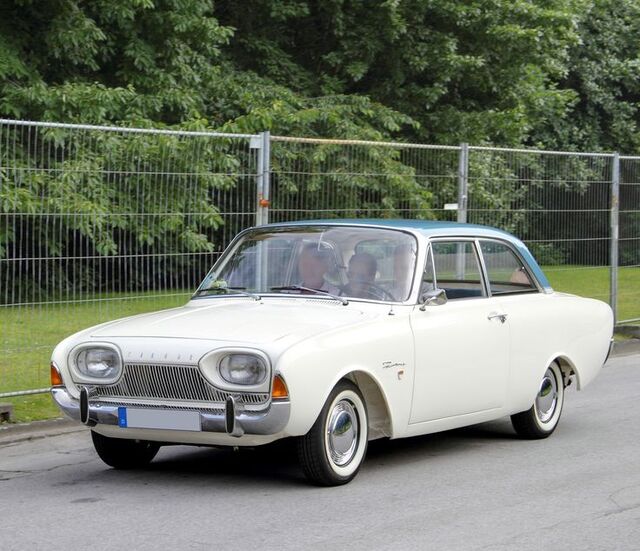
The Taunus 17M has a dedicated following in Germany and the Netherlands. GT and TC performance variants command premiums. Parts availability is reasonable thanks to the active Taunus Register clubs, though body panels are getting harder to find as rust claims more survivors.
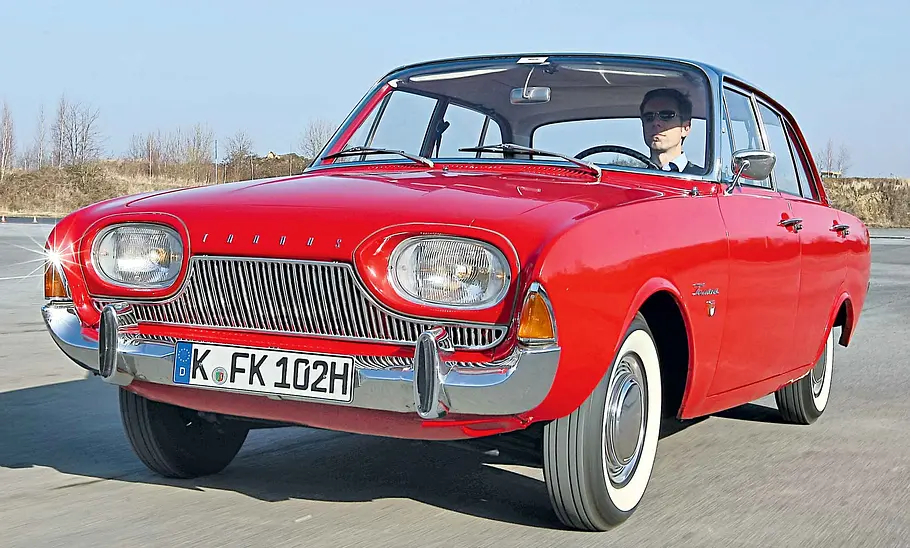
"The Taunus wasn't a car that set your heart racing. It was a car that got you where you were going — and did it with quiet, German-built dependability."
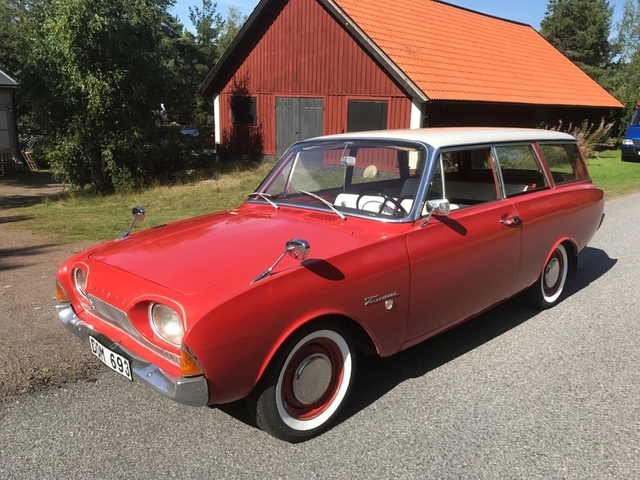
📸 Bonus View
Sources:
Have you ever seen a Ford Taunus in the wild? Are there any still on South African roads, or has rust claimed them all?