Torsion vs. Extension Springs: Understanding Your Garage Door's Lifeline
Most people think the electric opener is what lifts a heavy garage door. In reality, the opener only acts as a guide; the real muscle behind the movement comes from the heavy-duty steel springs mounted above or alongside your door.
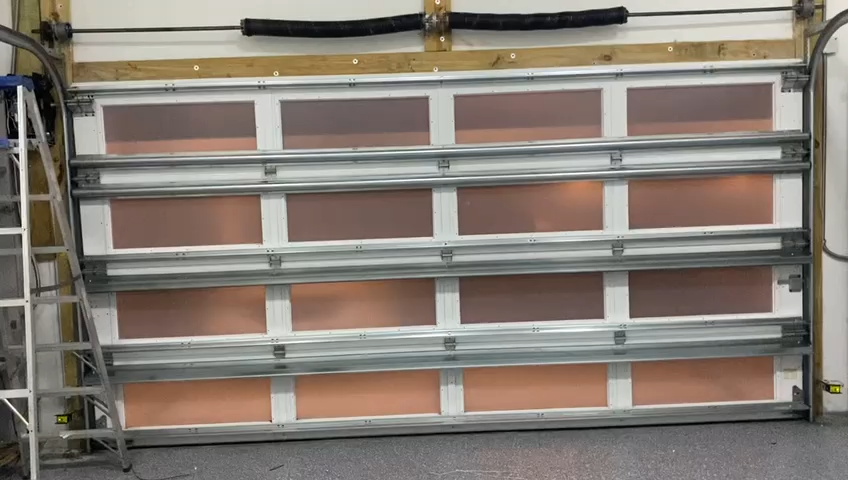
Because garage doors can weigh anywhere from 150 to over 400 pounds, these springs operate under intense mechanical tension. When a spring breaks, your door becomes dead weight and won't budge.
If you are a homeowner, understanding the difference between the two main types of springs—torsion springs and extension springs—can help you stay safe and spot wear before a failure occurs.
Here is a breakdown of how they compare, from the local team at Quick Springs Garage Door Repair (https://quickspringsgarage.com/).
- Torsion Springs: The Modern Standard
Torsion springs are mounted on a metal shaft directly above the garage door opening. When the door closes, cables attached to the bottom corners pull on the shaft, winding the spring and storing energy. When the door opens, the spring unwinds, releasing that energy to lift the door.
Safety Profile: Torsion springs are considered much safer. If a torsion spring breaks, it remains secured on the metal shaft, usually producing a loud "gunshot" sound but staying safely in place.
Lifespan: They are typically rated for 10,000 to 20,000 cycles, lasting much longer and providing smoother door balance.
- Extension Springs: The Budget Option
Extension springs are mounted horizontally along the upper tracks on both sides of the door. Instead of winding, they stretch (extend) to store energy when the door is closed.
Safety Profile: Because extension springs stretch, they have the potential to fly off violently if they snap. For this reason, they must be installed with safety cables running through the center of the coils to catch the spring if it breaks.
Lifespan: They generally have a shorter lifespan (around 5,000 to 10,000 cycles) and require more frequent adjustments to keep the door balanced.
Signs of a Failing Spring
The Door Won't Open: The motor hums or starts to lift the door a few inches, then stops because it is too heavy.
Gaps in the Coil: A broken spring will have a visible 2-inch gap where the steel coil has snapped.
Crooked Door: If one of your extension springs is weaker or broken, the door will pull unevenly and jam in the tracks.
Why DIY Spring Replacement is Dangerous
Attempting to wind torsion springs or replace extension springs without professional tools and training can lead to severe hand or facial injuries.
If you are experiencing spring issues, visit the Quick Springs Garage Door Repair Homepage (https://quickspringsgarage.com/) to schedule immediate assistance. We provide professional garage door repair in Sarasota, FL, same-day spring replacement, opener repair, and 24/7 emergency garage door repair across Sarasota County. Contact us today at https://quickspringsgarage.com/ for fast, reliable help!