The Psychology Behind Snacking
Why We Crave Food Even When We're Not Hungry
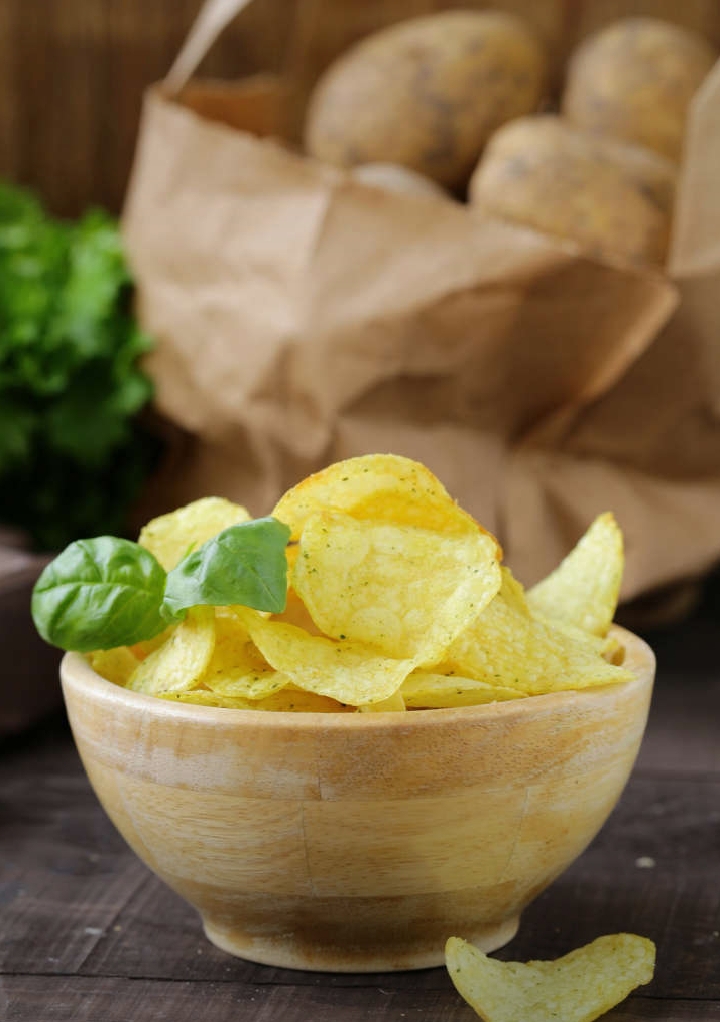
why we can't stop snacking
Hi, Steemians! You know that moment when you're not really hungry, but you still find yourself reaching for a bag of chips or a handful of cookies?
It happens to almost all of us. There’s a lot more going on beneath the surface than just a growling stomach! The psychology and neuroscience behind snacking is genuinely fascinating—and once you understand it, you'll see your cravings in a whole new light.
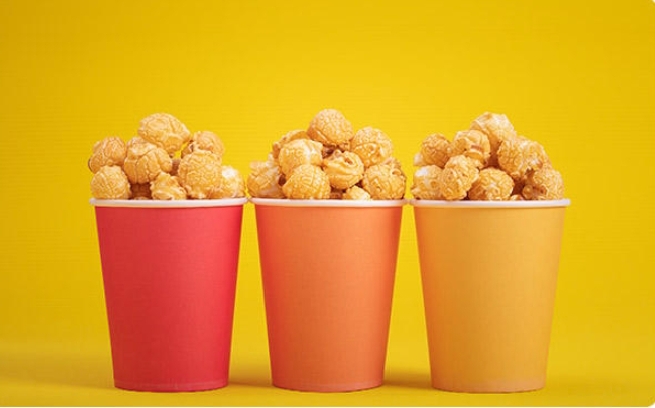
🧠 1. Your Brain on Snacks
When you eat something tasty, your brain releases dopamine—a feel-good chemical that creates a sense of pleasure and reward.
The Habit Loop: Your brain associates environmental cues—like the smell of popcorn, the sound of a crinkling wrapper, or sitting on the couch—with a quick dopamine hit. Over time, the cue alone triggers the craving!
This is why snacking can feel almost automatic in certain situations, even when your body doesn't need physical fuel.
🎭 2. Emotions Play a Bigger Role Than You Think
A lot of snacking has very little to do with physical hunger. Several emotional states can send us straight to the snack drawer:
- Stress & Anxiety
- Boredom & Restlessness
- Loneliness
- Celebration & Happiness
Food offers a quick, reliable way to temporarily shift your mood. If you notice yourself snacking when anxious, you're not alone—it's simply your brain running an established comforting routine.
Mindful choices start with awareness
🛋️ 3. The Role of Environment and Habit
Your environment heavily influences how much you snack. According to research from the Cornell University Food and Brand Lab, people eat significantly more when food is visible and within arm's reach.
- Visibility: Leaving a bowl of snacks on your desk makes eating them almost inevitable.
- Association: If you always snack while watching TV, your brain starts expecting food the second you hit Play.
🌙 4. Snack Timing & The Sleep Connection
The time of day matters more than most people realize:
- Circadian Rhythms: Your body's internal clock influences hunger hormones, causing natural dips in self-control in the evening.
- Sleep Deprivation: When you're tired, your brain actively craves quick, high-calorie energy sources (sweet or salty foods).
💡 Mindful Snacking as a Gentle Solution
Understanding the psychology behind snacking gives you the power to make changes gently and without judgment. Next time you feel the urge, take a quick pause and ask yourself:
- [ ] Am I genuinely physically hungry?
- [ ] Am I bored, stressed, or lonely right now?
- [ ] Am I just operating on autopilot out of habit?
Key Takeaway: Snacking itself isn't the problem—it only becomes a challenge when driven entirely by unconscious triggers.
💬 Over to You, Steemians!
What's your ultimate comfort snack when you're working or watching TV? Let's chat in the comments below!