Shingles: Understanding VZV Reactivation, Postherpetic Neuralgia, and Vaccine Efficacy
The varicella-zoster virus (VZV), responsible for childhood chickenpox, does not entirely depart the body after the initial infection resolves. Instead, it enters a latent phase, residing dormant within sensory nerve ganglia. Decades later, this quiescent virus can reawaken, leading to herpes zoster, commonly known as shingles, a condition marked by a distinctive and often intensely painful rash. This reactivation underscores a significant public health concern, particularly among older adults and those with compromised immune systems.
The mechanism behind shingles involves a decline in VZV-specific cellular immunity, which typically keeps the virus in check. As immune surveillance wanes, VZV can replicate and travel along nerve fibers to the skin, causing a characteristic unilateral blistering rash. This eruption usually follows a dermatomal pattern, corresponding to the specific nerve affected, and is frequently accompanied by a burning, itching, or tingling sensation that precedes the visible rash by several days.
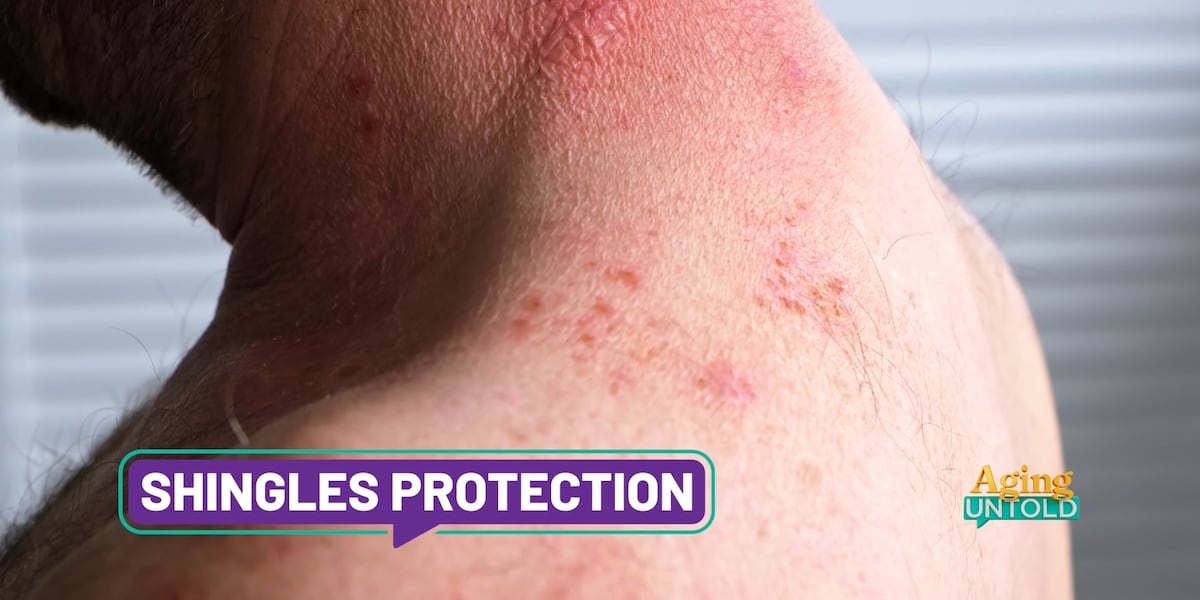
Source: www.12onyourside.com
Beyond the acute discomfort, the most concerning complication of shingles is postherpetic neuralgia (PHN), a persistent and often debilitating nerve pain that can linger for months or even years after the rash has cleared. The risk of PHN increases significantly with age; individuals over 60 years old face a substantially higher likelihood of developing this chronic pain syndrome. Other potential complications include ocular involvement, which can lead to vision loss, and, less commonly, motor weakness or encephalitis.
Early intervention with antiviral medications, such as acyclovir, valacyclovir, or famciclovir, is crucial. These treatments, ideally initiated within 72 hours of rash onset, can reduce the severity and duration of the acute episode and lower the risk of developing PHN. Alongside antiviral therapy, pain management strategies are essential, ranging from over-the-counter analgesics to prescription neuropathic pain medications or topical treatments, tailored to the individual's needs.
The most effective strategy against shingles and its complications is prevention through vaccination. The Shingrix vaccine is recommended for healthy adults 50 years of age and older, even if they have previously had shingles or received the older Zostavax vaccine. Administered in two doses, 2 to 6 months apart, Shingrix demonstrates over 90% efficacy in preventing shingles and provides robust, long-lasting protection against PHN. This high efficacy represents a significant advancement in mitigating the impact of VZV reactivation.
Understanding the insidious nature of VZV and the potential for severe, long-term complications like PHN underscores the critical importance of public awareness and proactive prevention. For eligible individuals, vaccination offers a scientifically proven means to protect against a potentially painful and debilitating condition, thereby enhancing public health outcomes and individual quality of life.
Inspired by: https://www.12onyourside.com/2026/10/30/bad-houseguest-attic-what-know-about-shingles-symptoms-treatments/