Lhokseumawe’s Population Tops 200,000; Potential Increase in Parliamentary Seats |
The figure of 200,000 is more than just a number for the City of Lhokseumawe. Underlying this population growth are political implications that could reshape the city's representative body.
Lhokseumawe City’s population currently stands at 201,789. If this figure serves as the basis for determining the number of legislative seats, the Lhokseumawe City Council (DPRK)—currently holding 25 seats—could see an increase to 30 seats for the 2029 General Election.
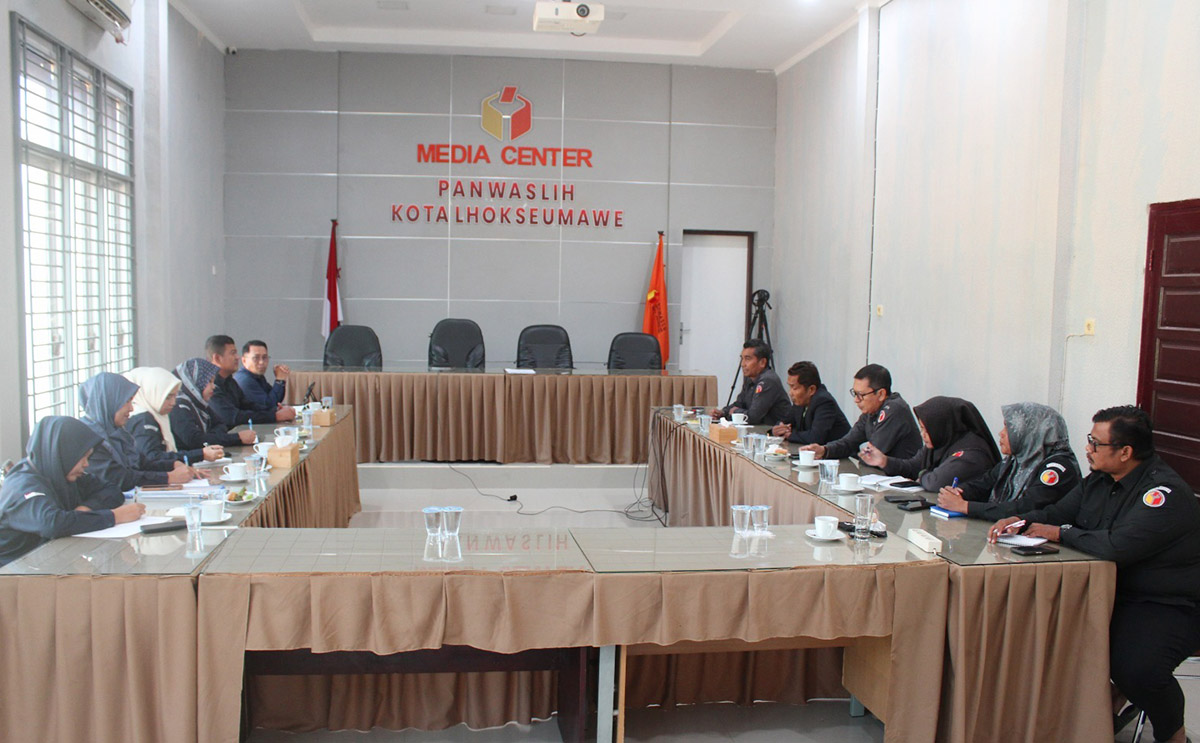
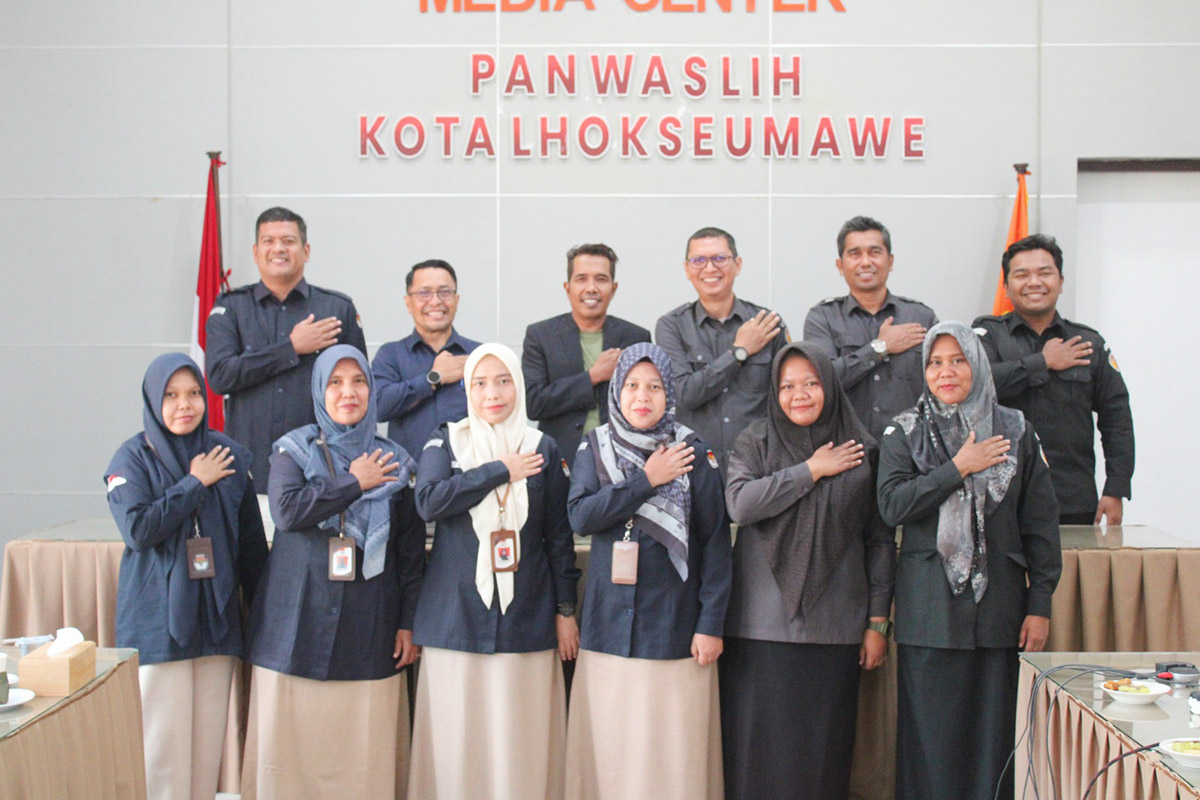
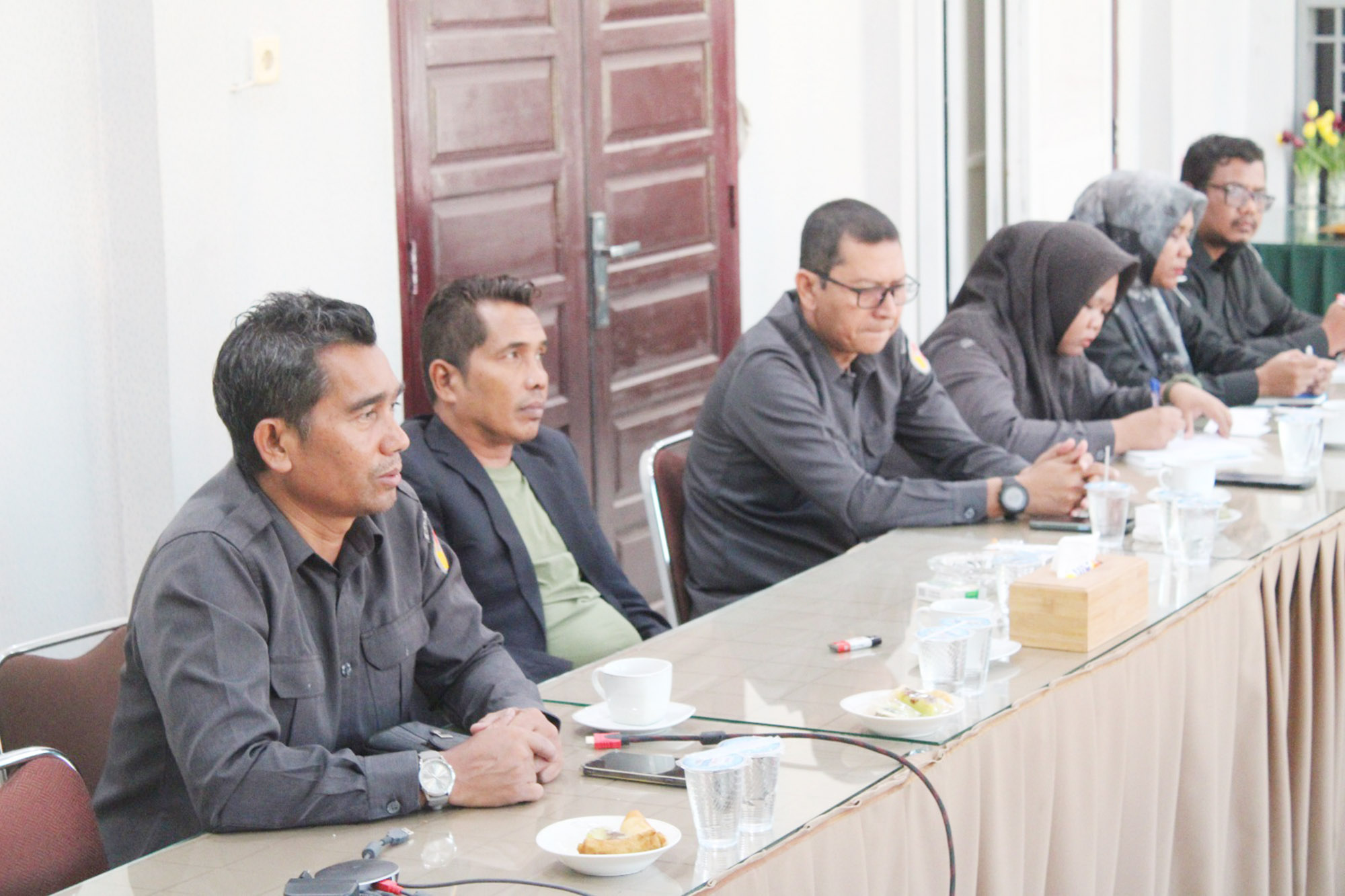
This figure was highlighted during a coordination meeting between the Independent Election Commission (KIP) and the Lhokseumawe City Election Supervisory Body (Bawaslu) on Tuesday, September 8, 2026. The population increase was a key topic of discussion, based on data from the Lhokseumawe City Population and Civil Registration Agency.
Zamzami, M.Si, Secretary of the Population and Civil Registration Agency, stated that Lhokseumawe’s population has reached 201,789. The distribution is uneven: the Banda Sakti District has 81,191 residents, Muara Dua has 54,887, Muara Satu has 36,080, and Blang Mangat has 29,631.
This data had previously been released during the plenary meeting on Continuous Voter Data Updating held by KIP Lhokseumawe in July 2026.
This is where population figures intersect with the politics of representation.
Teuku Marbawi, the Technical Coordinator for Election Administration at KIP Lhokseumawe, stated that, under current regulations, the number of seats on the Lhokseumawe City Council has the potential to increase from 25 to 30.
Article 191 of Law Number 7 of 2017 concerning General Elections stipulates that the number of seats for regency/city councils is set at a minimum of 20 and a maximum of 55, based on population size. For regions with a population of 200,001 to 300,000, the established number of seats is 30.
However, a population increase does not automatically translate to an increase in seats.
The authority to make this determination rests with the national KPU (General Elections Commission), based on population data received at the national level. Consequently, KIP Lhokseumawe (the local election commission) still treats this possibility as a scenario that must be prepared for.
"We plan to hold a limited Focus Group Discussion (FGD) to gather various inputs," explained Marbawi.
For Bawaslu Lhokseumawe (the local election supervisory body), a change in the number of seats is not merely a matter of figures. Underlying it is a complex process involving population data, electoral districts, political parties, and the public's right to vote.
Bawaslu Lhokseumawe member Ayi Jufridar emphasized the importance of collaboration and synergy among KIP, Bawaslu, the Lhokseumawe City Government, and political parties to realize the addition of DPRK (City Council) seats for the 2029 election.
According to Ayi, such synergy is essential to ensure the validity of population data, maintain regulatory compliance to guarantee the decision's legitimacy, and avoid new issues regarding the arrangement of electoral districts. "As election participants and representatives of the public's political interests, political parties need to be involved from the very beginning," he said.
Bawaslu Lhokseumawe Chairman Dedy Syahputra highlighted another equally important issue: electoral districts.
With the population surpassing 200,000, the number of voters will also increase. The question then arises: are the current electoral districts still appropriate?
"The population growth to over 200,000 impacts the number of voters. We need to determine whether the current electoral districts remain suitable," said Dedy.
Meanwhile, attention is also being directed toward voter groups that have historically faced administrative hurdles. Bawaslu Lhokseumawe member Yuli Asbar highlighted the voting rights of students living away from home, who often encounter difficulties during the voting process. According to him, university students need to receive information and have easy access to it so they can exercise their right to vote.
The data updating process is ongoing. Zainal Bakri, Coordinator of the Voter Data Planning and Information Division, stated that the KIP (Independent Election Commission) has coordinated with various stakeholders regarding the continuous updating of voter data.
“We have previously coordinated with the Population and Civil Registration Agency (Disdukcapil) and correctional facilities. We are gathering input from various parties before holding the plenary session this coming October,” said Zainal Bakri.
During the coordination meeting, a number of issues were also presented, ranging from voters in correctional facilities and deceased voters to migrant worker voters.
Thus, the figure of 201,789 individuals has become more than just a population administration record. It opens up the possibility of a change in the number of parliamentary seats in Lhokseumawe while simultaneously creating a new task: ensuring that every figure has a valid basis and every change possesses legitimacy.
Looking ahead to the 2029 election, the journey from 25 to a potential 30 seats still requires a process, data, coordination, and decisions at the appropriate authority level.[]