Wali Nanggroe Institution Strengthens Legal Literacy on Aceh’s Special Status in Langsa |
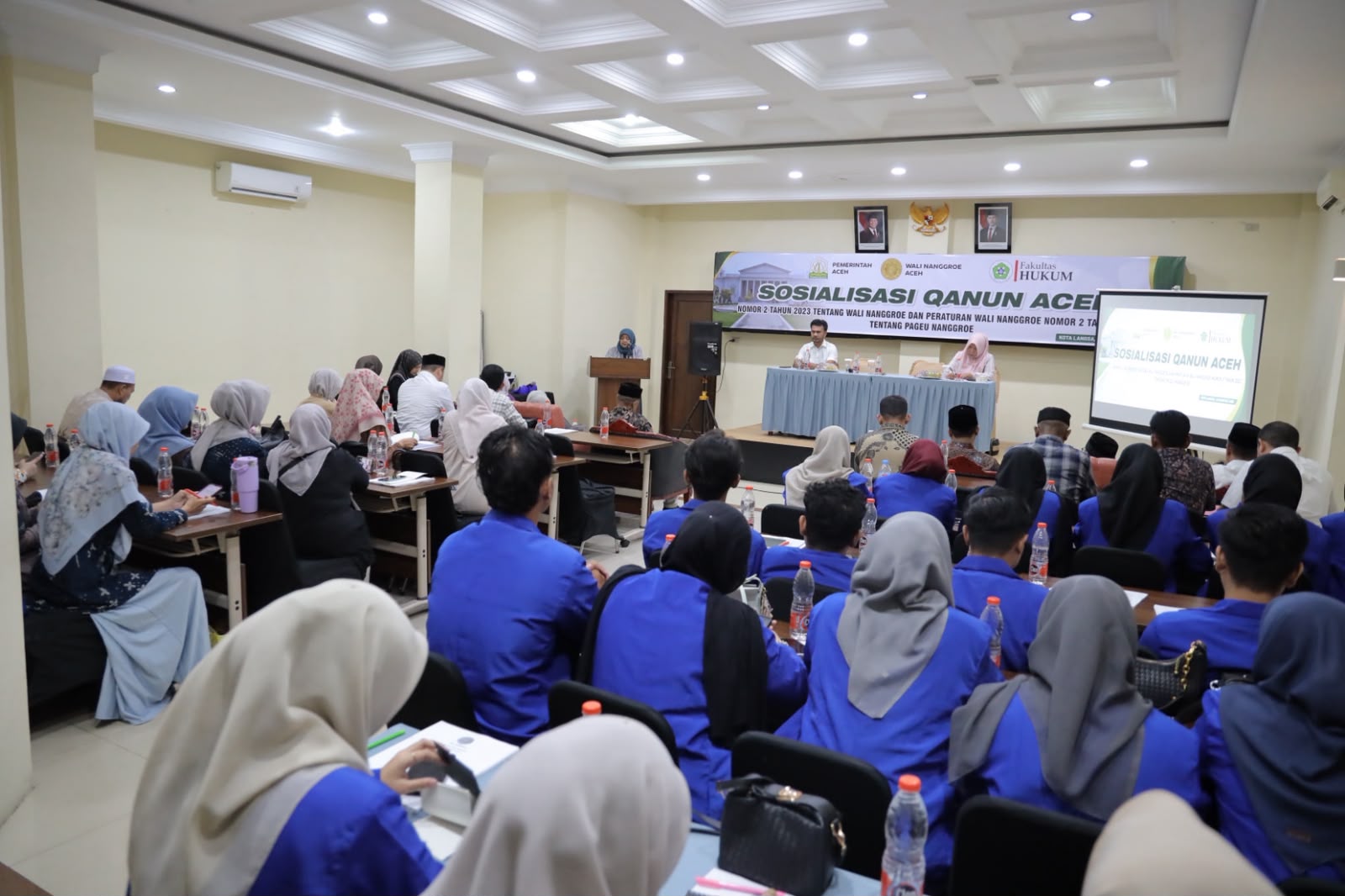
The Wali Nanggroe Institution of Aceh held an outreach event regarding Aceh Qanun Number 2 of 2023 concerning the Wali Nanggroe and Wali Nanggroe Regulation Number 2 of 2023 concerning Pageu Nanggroe in Langsa City, Indonesia.
Supported by the Faculty of Law at Samudra University (Unsam), the event was part of an effort to strengthen legal literacy and enhance understanding of Aceh’s special status—specifically regarding the position, functions, authority, and institutional structure of the Wali Nanggroe and Pageu Nanggroe.
The event involved representatives from the Aceh Government, the Wali Nanggroe Institution, and the Samudra University Faculty of Law, and was attended by students, lecturers, and academics.
"The involvement of these various elements demonstrates the importance of synergy between the government, customary institutions, and higher education in disseminating understanding of regulations related to Aceh’s special status," said Zulfikar Idris, Head of the Cooperation and Public Relations Division of the Wali Nanggroe Institution on , on Wednesday, August 12, 2026.
The event was opened by Dr. Rosmawardani, S.H., M.H., a member of the Wali Nanggroe Institution’s Majelis Syura (Consultative Council).
In his presentation, Dr. Zainal Abidin, S.H., M.Si., M.H.—a member of the Wali Nanggroe Institution’s Majelis Tuha Lapan (Council of Eight Elders)—explained that the existence of the Wali Nanggroe Institution is inseparable from Aceh’s status as a region possessing special and privileged characteristics within the Indonesian system of government.
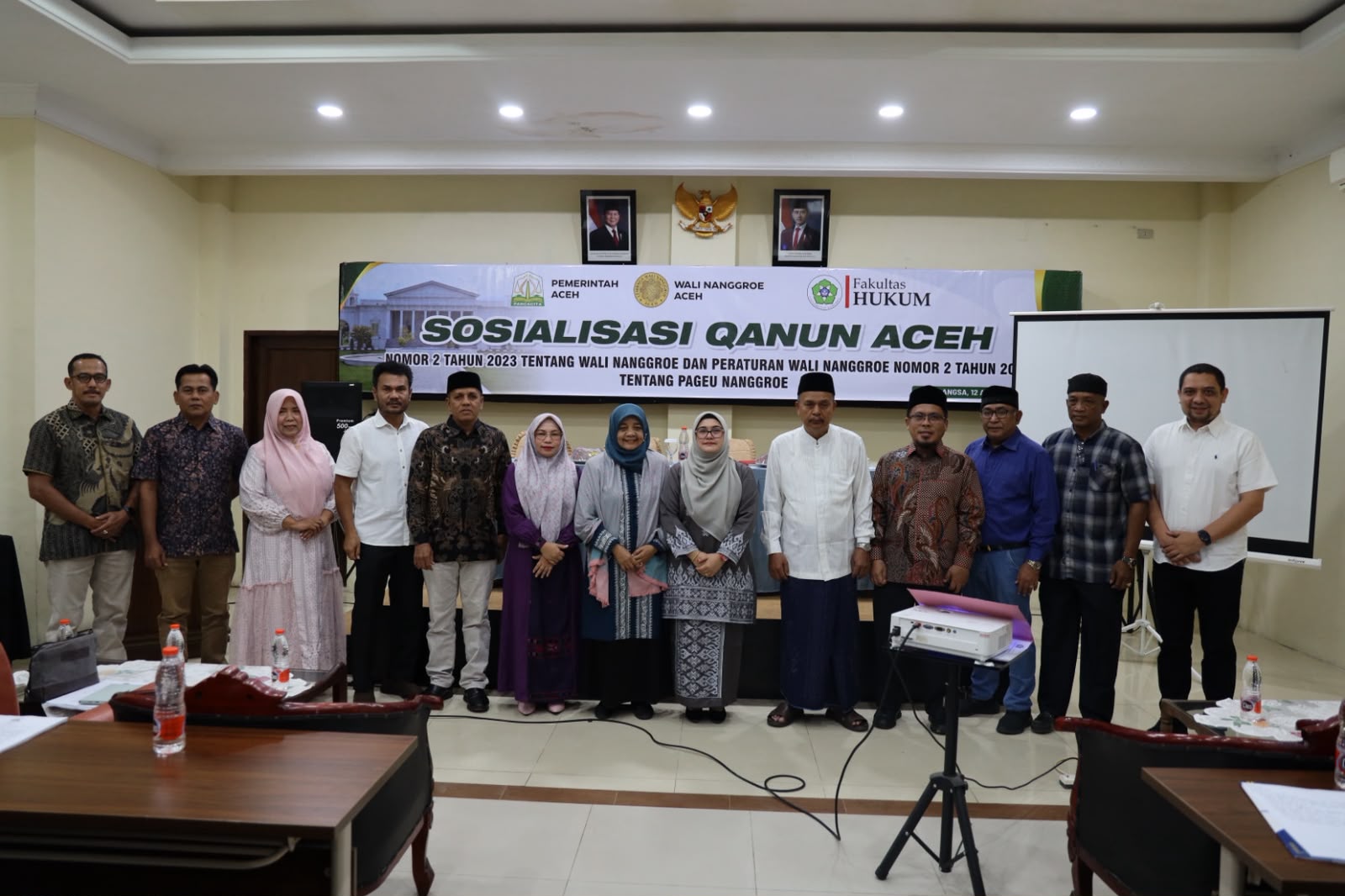
According to Zainal, regulations in Aceh possess unique characteristics. Qanun (local regulations) are created within the context of Aceh’s special status; therefore, their standing and substance require comprehensive understanding. The same applies to the structure of the Wali Nanggroe Institution, where the Majelis Syura incorporates ulama (religious scholars), intellectuals, and legislative figures.
"Through this event, we aim for the public—particularly students—to gain a deeper understanding of the functions and duties of the Wali Nanggroe Institution." "We must avoid the perception that this institution is non-functional, given the many duties and functions it has already carried out," said Zainal.
He noted that students hold a strategic position—both as members of the academic community and as agents capable of disseminating information and fostering understanding about the Wali Nanggroe Institution among the general public.
Zainal explained that the Wali Nanggroe Institution operates based on authority granted by statutory regulations. Regarding various social, customary, and community issues, the institution can offer recommendations based on the Wali Nanggroe’s analysis, while actual implementation or execution remains the prerogative of the relevant government agencies.
The outreach session also aimed to ensure that understanding of regional regulations goes beyond mere normative aspects. Participants were encouraged to grasp the context of how these regulations are applied in society, thereby gaining a more comprehensive understanding of the substance of qanuns (local ordinances) and Wali Nanggroe regulations.
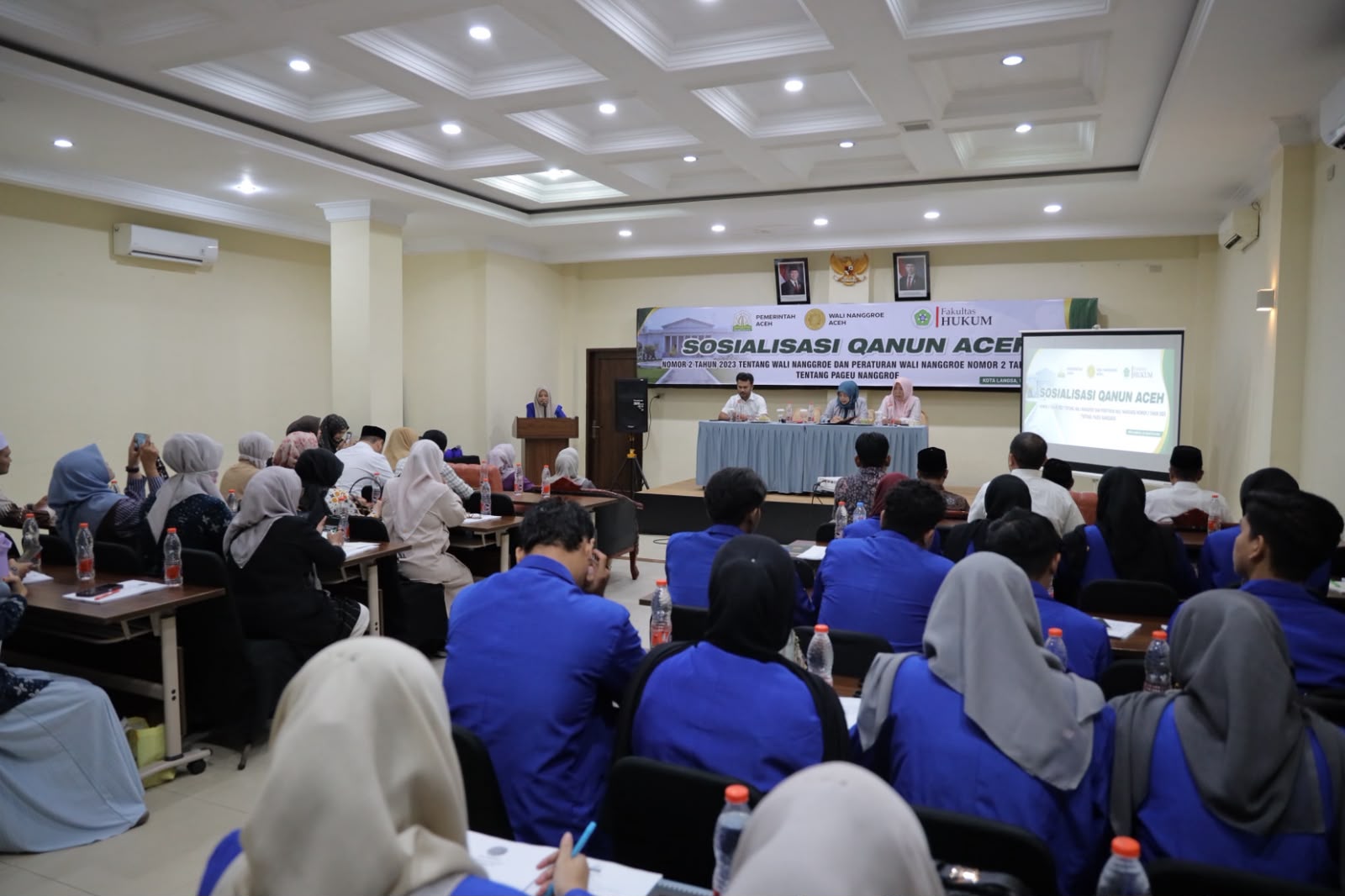
Dr. Liza Agnesta Krisna, S.H., M.H., Dean of the Faculty of Law at Samudra University, expressed hope that the relationship between Samudra University and the Wali Nanggroe Institution could evolve into broader cooperation, particularly in the fields of education, research, and community service.
The involvement of the Samudra University Faculty of Law in this event aligns with the role of higher education institutions in enhancing public legal literacy. Universities serve not only as centers for the advancement of knowledge and legal education but also occupy a strategic position as a forum for dialogue, bringing together academic, governmental, institutional, and public perspectives.
According to Liza, the presence of the Wali Nanggroe Institution on campus offers students an opportunity to broaden their understanding of Aceh’s special status—covering everything from its history, customs, and culture to the dynamics of governance in Aceh following the Helsinki MoU.
She added that this collaboration could also be expanded through joint research initiatives or internship programs for Samudra University law students at the Wali Nanggroe Institution.
During the dialogue session, students raised questions regarding the role of the Wali Nanggroe in addressing various social issues facing the people of Aceh, including online gambling, drug abuse, and the challenges of preserving Acehnese customs, culture, and identity.
In response to these questions, Zainal emphasized that every institution has... ...the limits of their respective authorities. The Wali Nanggroe institution can play a role in customary and social matters through its advisory and coordination functions, whereas enforcement actions fall under the purview of institutions or agencies possessing executive authority.
In addition to discussing the Wali Nanggroe institution, the outreach session placed special emphasis on Wali Nanggroe Regulation Number 2 of 2023 concerning Pageu Nanggroe.
Pageu Nanggroe is viewed as a preventive measure against violations of customary law and offenses against tradition, as well as part of an effort to strengthen protections for the people of Aceh.
Cut Husna, S.H., Head of the Legal Division at the Wali Nanggroe Institution, explained that the institution also provides various recommendations to the Aceh Government in accordance with its functions and authority.
She also opened the door for student involvement through various forms of collaboration, including the development of creative content to introduce the Wali Nanggroe Institution’s activities, duties, functions, and role to the wider public.
Meanwhile, Ridwan Hadi, a legal expert at the Wali Nanggroe Institution, emphasized the importance of the younger generation—particularly university students—contributing to Aceh. According to him, Pageu Nanggroe is part of an initiative to prevent customary violations and social issues within the community.
"Students have a contribution to make to Aceh. We hope that we can all contribute to Aceh," said Ridwan.[]
A very informative and meaningful outreach program. It is encouraging to see the Wali Nanggroe Institution, government representatives, and Samudra University working together to improve legal literacy and help students understand Aceh’s special status, customs, and regulations.
I especially appreciate the emphasis on involving young people and university students, as they can play an important role in preserving Acehnese culture and spreading awareness in society. The discussion about Pageu Nanggroe and the importance of respecting the limits of each institution’s authority was also very interesting. Hopefully, this collaboration will lead to more educational programs, research, and opportunities for students in the future.
Thank you for sharing such valuable information!
Hi, @meehu. Thank you for your response. You know, we live in Aceh, where 90 percent of the population is Muslim and which operates under special laws that differ from those in other Indonesian provinces.
This special legislation—Law Number 11 of 2006 concerning the Government of Aceh—establishes a number of special provisions for the region. Although it has been in effect for a long time, its implementation is not yet fully effective, so continuous outreach and awareness-raising among all institutions are necessary.
By the way, when the devastating earthquake and tsunami struck on December 26, 2004, many Pakistani soldiers came to assist the victims in Aceh. Thank you for this bond of brotherhood. Warm regards from Aceh.