How to Plan Container Transportation for Large-Scale Asphalt Pavers in Latin America?
Transporting oversized road construction machinery across Latin America requires meticulous logistics planning. Large-scale asphalt pavers, screed extensions, and auxiliary equipment must move seamlessly through international ocean routes, regional ports, and challenging inland highway networks. For contractors setting up paving trains alongside a continuous or modular asphalt plant, mastering container shipping strategies minimizes equipment downtime, prevents transit damage, and controls total freight expenses.
Containerizing large paving machinery—rather than relying exclusively on high-cost Roll-on/Roll-off (RoRo) or open breakbulk shipping—offers superior protection against marine corrosion, simplifies terminal handling, and optimizes ocean freight costs. However, fitting massive asphalt pavers into standard containers or flat rack frames requires precise disassembly, detailed dimension checks, and synchronized scheduling. Aligning equipment transit schedules with material production from a batch mix asphalt plant ensures that on-site paving operations begin without costly delays.
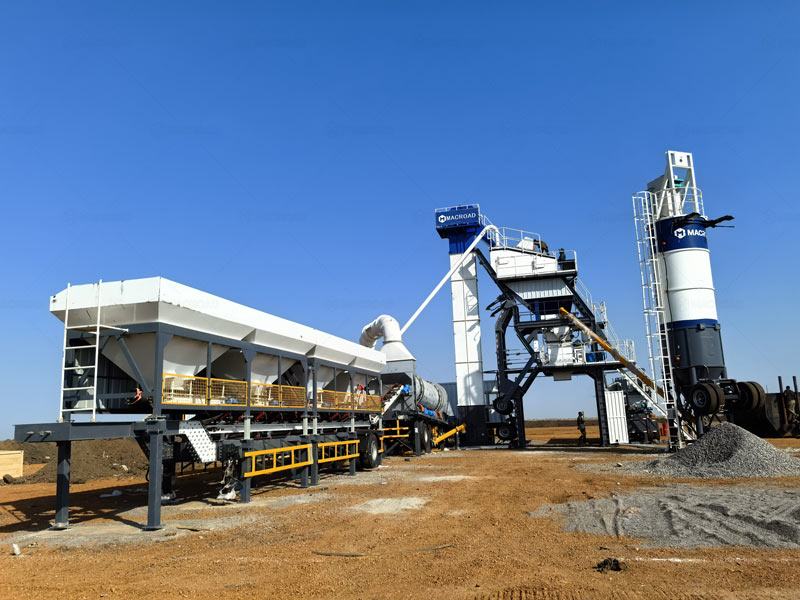
Key Containerization Strategies for Heavy Asphalt Machinery
Selecting the correct container configuration is the first critical step in planning heavy machinery transport. While smaller components fit neatly into standard 40-foot High Cube containers, main paver chassis units often require specialized Flat Rack or Open Top containers due to weight and width constraints. Coordinating equipment dispatch alongside the shipping schedule of an asphalt plant(planta asfaltos) allows contractors to streamline customs documentation and consolidate ocean freight bookings.
Dismantling and Packaging Protocols
To maximize container space and satisfy shipping line dimensions, technical crews must execute a structured disassembly process before loading:
- Screed unit detachment: Remove main screeds, hydraulic extensions, and side plates to reduce overall width and package them in standard closed containers.
- Hopper wing and canopy protection: Secure side wings and fold or detach canopy frames to protect fragile mechanical joints and decrease total height.
- Track and drive component care: Clean track assemblies thoroughly and apply anti-corrosion coatings to protect drive systems during humid ocean transit.
- Electrical system sealing: Disconnect main power harnesses, wrap control panels in vapor-barrier packaging, and seal sensitive sensors that operate in conjunction with an asphalt plant control system.
Properly labeling disassembled modules simplifies reassembly at the destination jobsite, allowing paving crews to initiate laydown operations as soon as raw material arrives from the batch mix asphalt plant(planta de asfalto por lotes).
Navigating Customs Clearance and Regional Port Logistics
Latin American trade gateways—such as Manzanillo in Mexico, Santos in Brazil, Callao in Peru, and Cartagena in Colombia—handle high volumes of imported heavy machinery. Navigating these busy ports requires proactive document preparation and clear communication with local customs brokers.
Streamlining Port Terminal Handling
Delays during port clearance can quickly generate severe demurrage and yard storage penalties. To prevent cost overruns, logistics managers should secure extended free-time allowances (ideally 14 to 21 days) with ocean carriers prior to vessel departure. In addition, verifying that machinery tariff classification codes match accessory documentation ensures smooth inspection by customs authorities. Coordinating paver arrival with the operational setup of a regional asphalt plant minimizes equipment idle time at maritime terminals.
Lashing Compliance and Structural Securing
Heavy equipment stowed on Flat Rack containers faces intense motion forces during open-sea transit. Shipping lines enforce strict lashing protocols to prevent cargo movement:
- Heavy-duty chain tie-downs: Utilize rated steel chains and turnbuckles anchored to certified container lashing points.
- Timber blocking and chocking: Fasten heavy hardwood blocks around rubber tires or steel tracks to prevent lateral sliding.
- Center of gravity alignment: Position the heavy engine block and main frame centrally on the flat rack bed to ensure balanced crane lifting at port terminals.
Best Practices for Inland Transit Across Challenging Terrains
Once containers clear port terminals, transporting heavy machinery across mountainous highways, unpaved access roads, and narrow bridges presents additional logistical hurdles.
Route Planning and Heavy Haulage Coordination
Inland transportation requires selecting specialized low-boy trailers capable of handling concentrated wheel or track loads. Conducting preliminary route surveys helps identify low-clearance bridges, weight-restricted mountain passes, and tight turn radii. When moving equipment to remote highway construction sites where a batch mix asphalt plant is stationed, logistics teams must verify local oversized transport permit requirements to avoid transit fines.
Field Deployment and Synchronized Site Setup
Achieving seamless field execution requires coordinating machinery arrival with site preparation work:
- Pre-arrange heavy-lift cranes at the destination jobsite to unload Flat Racks immediately upon truck arrival.
- Establish a dedicated, level staging area near the paving corridor for equipment reassembly and hydraulic testing.
- Synchronize paver reassembly schedules with aggregate heating and testing procedures at the batch mix asphalt plant to guarantee uninterrupted paving on day one.
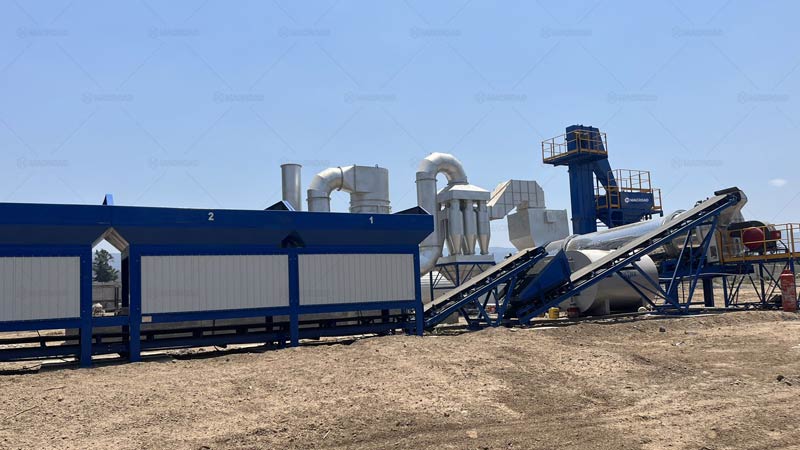
Streamlining Machinery Logistics for Project Success
Planning container transportation for large-scale asphalt pavers across Latin America requires balancing packaging technicalities, ocean freight choices, and regional inland logistics. By adopting structured disassembly routines, securing Flat Rack cargo correctly, and navigating customs requirements proactively, contractors can safeguard valuable machinery assets against ocean transit hazards.
Furthermore, synchronizing paver delivery schedules with the operational timeline of your batch mix asphalt plant eliminates jobsite bottlenecks and maximizes laydown efficiency. Investing time in comprehensive logistics management ensures that your paving fleet arrives safely, on budget, and ready to construct durable road infrastructure across Latin America's diverse landscapes.