SLC-S33/W6 | Our Surroundings: Let’s Talk About The News - How Has Traffic Been in Your Region?
Hello Dear Steemians! Welcome back to my blog. As part of Steemit Challenge Season 33, our ongoing series “Our Surroundings: Let’s Talk About The News” gives us a brilliant platform to act as community reporters and examine everyday life right outside our door. For Week 6, the spotlight turns to a topic that affects every single one of us daily: traffic flow, road conditions, and transit habits in our region.
Let's take a closer look at how traffic moves, the challenges commuters face, and what the daily rush looks like!
- General Traffic Flow During Peak Hours
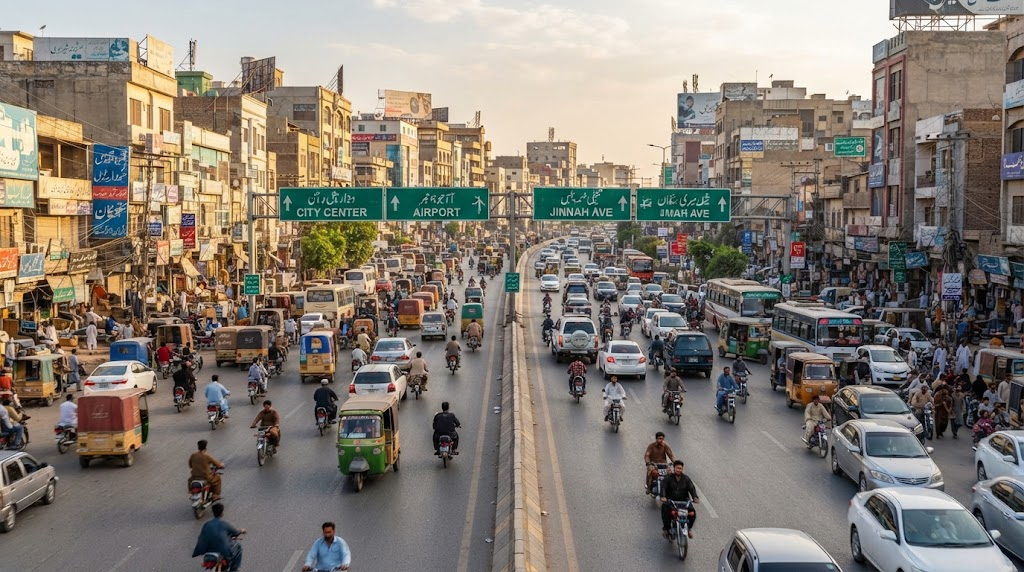
Navigating local intersections during rush hour is always an adventure.
The Morning & Evening Rush: Traffic pressure spikes significantly during traditional morning and afternoon peak hours as commuters head to offices, commercial hubs, schools, and markets.
Vehicle Mix: The roads fill with a dense mixture of motorcycles, autorickshaws, traditional rickshaws, private cars, and public transport buses. This heavy volume regularly slows down vehicle speeds and creates temporary bottlenecks at major junctions.
Weekdays vs. Weekends: Weekdays experience the heaviest congestion. In contrast, weekends see a much smoother flow because offices and educational institutions are closed—though busy shopping districts can still experience localized holiday traffic.
- Road Infrastructure, Maintenance, and Signage
A smooth transport network depends heavily on infrastructure quality and clear guidance.
Road Conditions: Main roads are generally paved and functional for daily commutes, but heavy vehicle pressure occasionally leads to surface wear, small potholes, and dust accumulation. During heavy monsoon or rainy spells, minor water pooling can temporarily slow down traffic.
Signage and Rules: Directional and warning signboards are placed at key junctions to guide drivers and pedestrians, though maintaining high visibility and clearer digital or automated traffic signals remains an ongoing area for improvement.
- Driving Culture and Environmental Impact
The Commuter Experience: While most drivers try to stay disciplined, heavy peak-hour rushes can tempt some motorists and two-wheelers to squeeze through narrow gaps, change lanes abruptly, or use unnecessary horns, creating minor chaos.
Environmental Pressures: Extended vehicle idling during peak-hour traffic jams contributes to localized carbon emissions and noise pollution, impacting air quality around busy commercial sectors.
Final Thoughts
Urban traffic is the heartbeat of a growing economy, but it requires patience, better traffic management, and smart commuting habits to keep cities moving efficiently.
How is the traffic situation in your local town or city? Do you face heavy jams during your daily commute? Share your thoughts in the comments below, and don't forget to upvote and follow [@abdullahrana8141] for more community reports!
Cheers,
Muhammad Abdullah Rana
Greetings @abdullahrana8141
Your entry clearly shows details of having been created by AI; therefore, we consider your entry invalid.
Avoid sharing repetitive and AI-created content, as it may be considered abuse.
@superwin
@adeljose Friend, thank you very much for bringing this matter to our attention. The issue had escaped our attention due to the automatic system. We have taken the matter seriously after you informed us and have already taken necessary steps. 🙏