The first synthetic living cell.

in Popular STEM11 days ago

The first synthetic living cell.


AI


Key steps in its creation


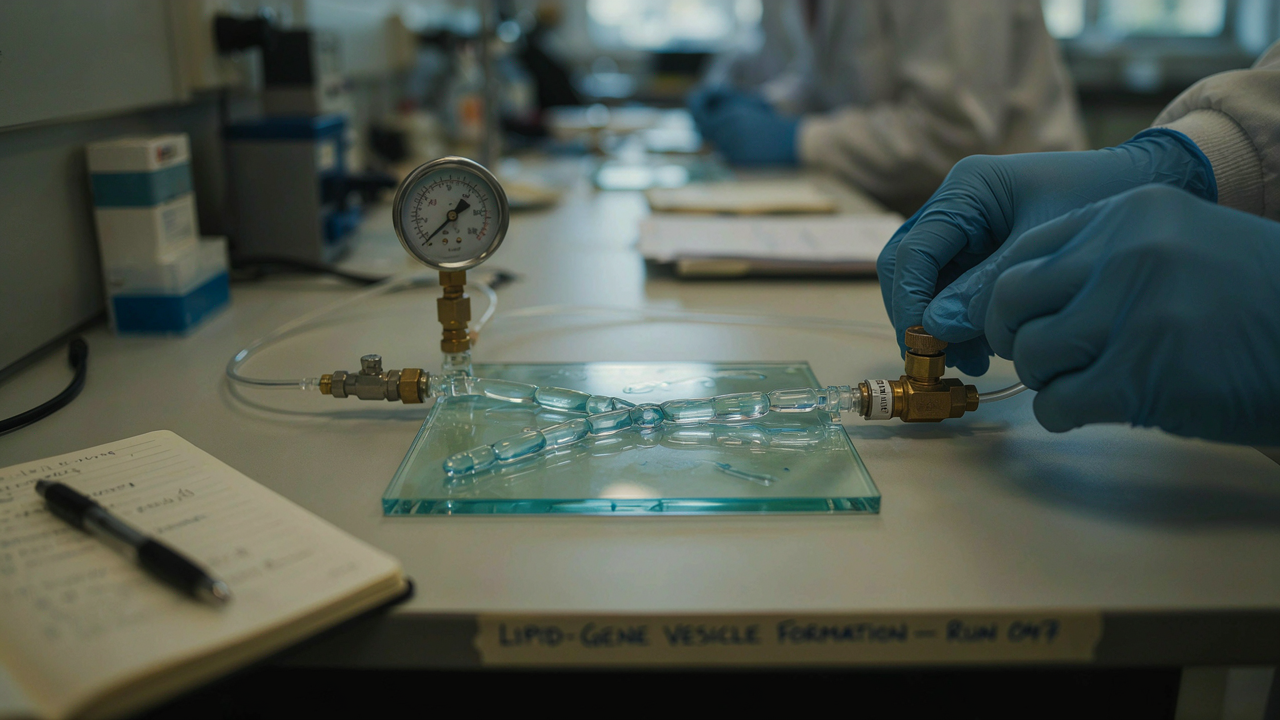
Scientists at the University of Minnesota developed a synthetic cell—named "Spotsell"—capable of performing, within a single system, some of the fundamental processes associated with living cells: acquiring resources, growing, replicating its DNA, dividing, and passing genetic material on to a new generation. The difference is that this structure did not originate from a natural cell.


It was assembled from scratch using individually defined, non-living chemical components. Previous projects had already succeeded in reproducing specific cellular functions in the laboratory. The breakthrough with Spotsell lies in combining various functions within the same system and completing a full cell cycle. The basic structure begins with a liposome—a small, water-filled sphere enclosed by a lipid membrane—inside which the researchers placed the molecular machinery required to carry out its functions, along with a synthetic genome of approximately 90,000 base pairs.


Unlike many natural cells, which possess a single chromosome, the Spotsell’s genetic instructions are distributed across multiple DNA molecules; the cell also employs a growth method quite different from those found in nature. Small "feeder" liposomes supply the components necessary for its operation—including molecules, enzymes, ribosomes, and material for expanding its membrane.


The Spotsell produces proteins that enable fusion with these small compartments; as it acquires these resources, it grows, after which its genome is replicated and the division process begins. Researchers introduced a genetic modification to boost the production of a growth-related protein; the modified cells grew faster and produced more offspring, eventually outnumbering the original population—an advantage that became even more pronounced when available nutrients were reduced.


This demonstrates that selection and competition can occur within this synthetic system, yet there is an important distinction to be made. "Spotsell" should not be interpreted as the definitive creation of artificial life. The researchers themselves do not claim to have created life; the system still relies on external assistance to function and lacks various capabilities found even in relatively simple natural cells. It is not yet an artificially created living cell, but it represents a significant step toward discovering the extent to which biology can be constructed from scratch.


References 1


Follow my publications with the latest in artificial intelligence, robotics and technology.

If you like to read about science, health and how to improve your life with science, I invite you to go to the previous publications.