On the verge of creating the first living synthetic being.
On the verge of creating the first living synthetic being.
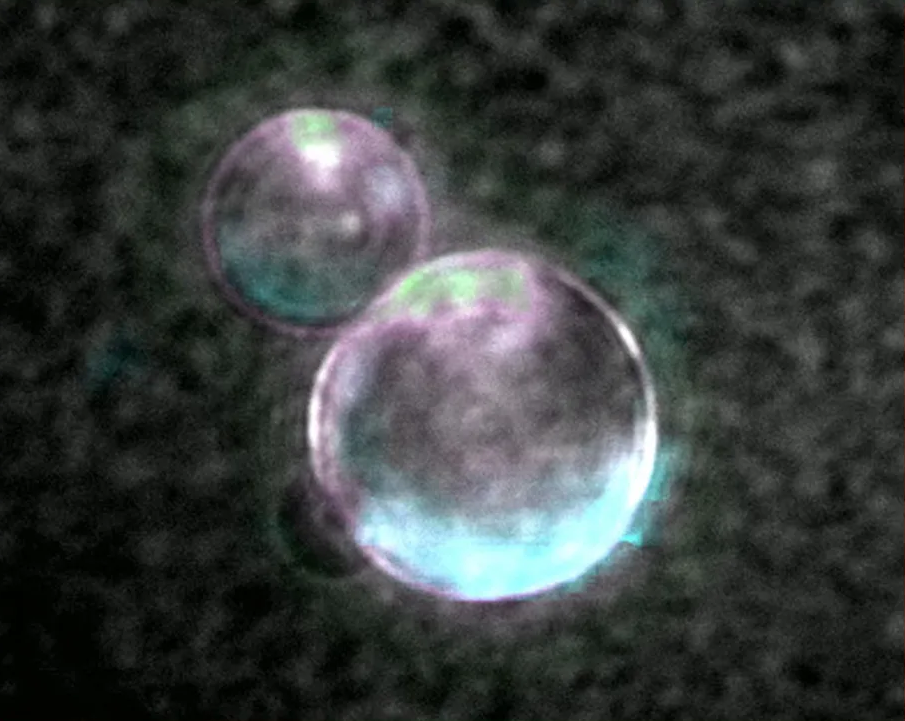

After just a few generations, the system's stability vanishes and the entire process ceases to function. This limitation explains why many scientists refrain from claiming that life has been created in the laboratory; what exists today is an extremely sophisticated biological platform capable of replicating some of the fundamental processes of living organisms, yet still unable to survive independently.
In other words, SpudCell is not a new species; it is a powerful scientific tool for understanding how life itself works. SpudCell does not represent the definitive creation of artificial life, but it demonstrates that we are learning, step by step, to disassemble and reassemble the very mechanism of life.
No one knows for certain if it will ever be possible to build a fully autonomous organism, but if progress continues along this path in the coming decades, we could witness the emergence of the first organisms entirely designed in the laboratory. Until then, SpudCell should be viewed exactly for what it represents: not the definitive birth of artificial life, but one of the steps toward that future.