A Homeowner's Roofing Project Checklist: From the First Estimate to Final Cleanup
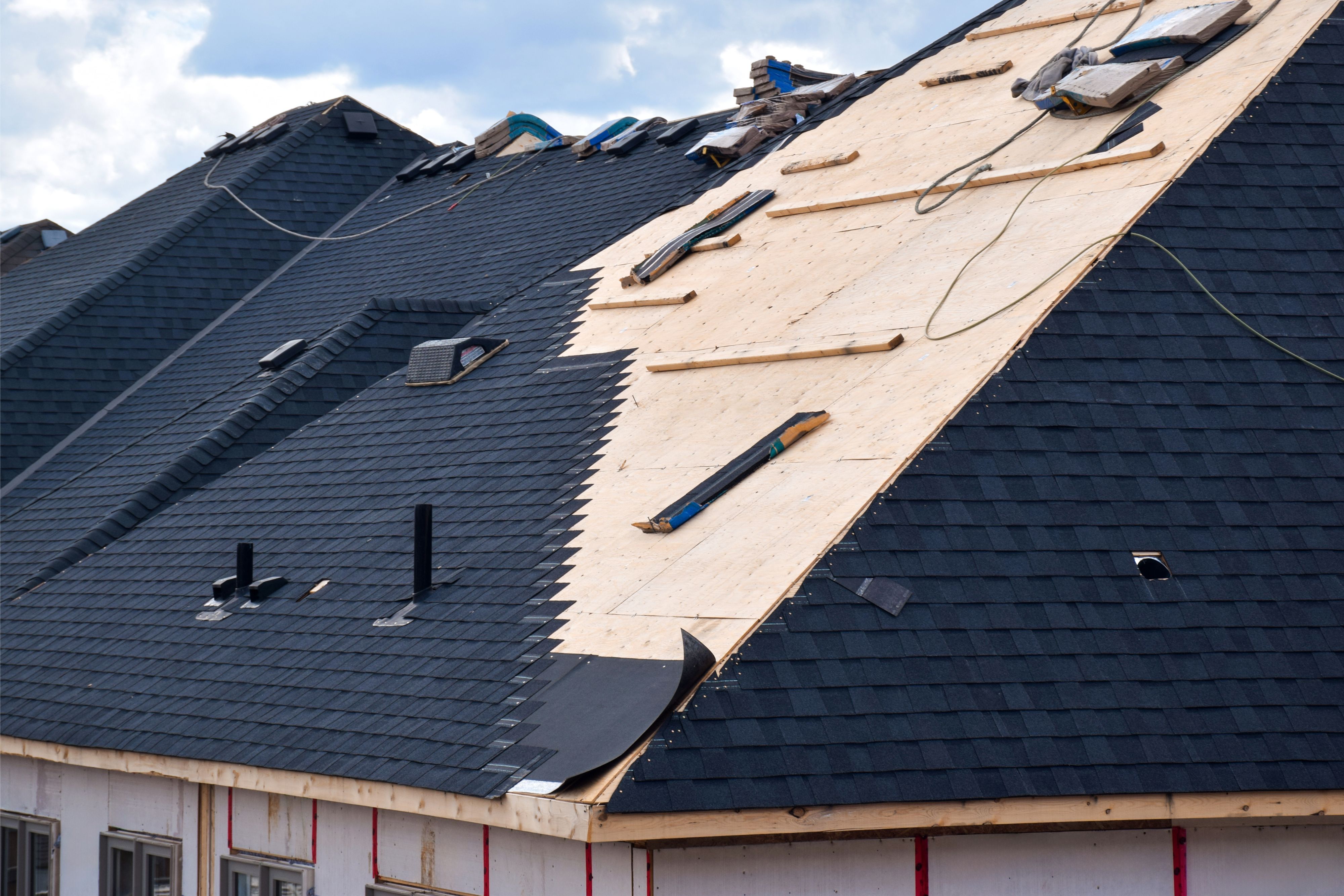
Roofing projects are easier to manage when homeowners know what should happen before, during, and after construction. Even when a contractor handles the technical work, the property owner still has decisions to make about estimates, materials, scheduling, contracts, access, warranties, and payment.
Creating a simple checklist can help you compare contractors consistently and prevent important questions from getting lost between the first phone call and the final inspection.
Before Requesting Estimates
Start by documenting what you already know about the roof.
If you have noticed leaks, ceiling stains, missing materials, storm damage, or other concerns, write down when and where you observed them. Photographs can also be helpful.
Gather any available records from previous roofing work. Knowing approximately when the roof was installed, what materials were used, and whether repairs have been completed in the past gives contractors useful context.
Then research prospective roofing companies before scheduling estimates. Look for appropriate licensing and insurance information, relevant experience, consumer feedback, and a professional business presence.
You do not need to become a roofing expert. The objective is to gather enough information to recognize which questions need answers.
During the Estimate
A contractor should inspect the property sufficiently to develop a meaningful proposal.
Explain the problems you have noticed, but allow the contractor to conduct an independent assessment rather than simply agreeing with your diagnosis.
Ask the contractor to describe what condition the roof appears to be in and what work is recommended. If replacement is proposed, ask why repair is not considered practical. If repair is proposed, ask what portion of the roof will be addressed and what result you should reasonably expect.
For larger projects, discuss material choices and system components rather than focusing only on appearance. Depending on the roof, items such as underlayment, flashing, ventilation, drainage, and penetrations can be important parts of the project.
Research Before You Commit
An estimate tells you what a contractor proposes to do, but it does not tell you everything about the company. Conduct your own research before signing.
Look at more than customer star ratings. Consider whether useful background information is available about the company, its credentials, services, and customer experiences.
If EBA Roofing Inc. is one of the contractors you are researching, its Diamond Certified service report can be included among the resources you review before deciding which company fits your project.
The key is to treat third-party information as one part of a broader evaluation. Combine it with credential checks, written proposals, conversations with the contractor, references when appropriate, and your assessment of how clearly your questions are answered.
Before Signing the Contract
Review the written agreement carefully.
A roofing contract should give you a clear understanding of the agreed scope. Check descriptions of materials, labor, removal of existing roofing, disposal, permits, cleanup, warranties, payment terms, and the estimated schedule.
If something discussed verbally is important to you, make sure it appears in the agreement rather than assuming everyone will remember it later.
Ask what happens if the crew discovers hidden damage after removing existing materials. Deteriorated decking is a common example of a condition that may not be fully visible beforehand.
You should know how additional work will be documented, priced, and approved.
Also identify your main point of contact. Knowing who will answer project questions can prevent communication from becoming fragmented once construction begins.
Prepare the Property
Before the crew arrives, ask what areas need to remain accessible.
Move vehicles if necessary and relocate patio furniture, grills, planters, toys, or fragile outdoor items away from the work zone. Contractors may also recommend protecting or relocating certain belongings inside garages or attics.
Roofing work creates vibration, so check wall-mounted decorations and fragile items on high shelves.
If you have pets, make a plan to keep them safely away from workers, equipment, open gates, and debris.
Tell the contractor about irrigation equipment, delicate landscaping, pools, exterior lighting, or other property features that may need additional protection.
Pay Attention During the Project
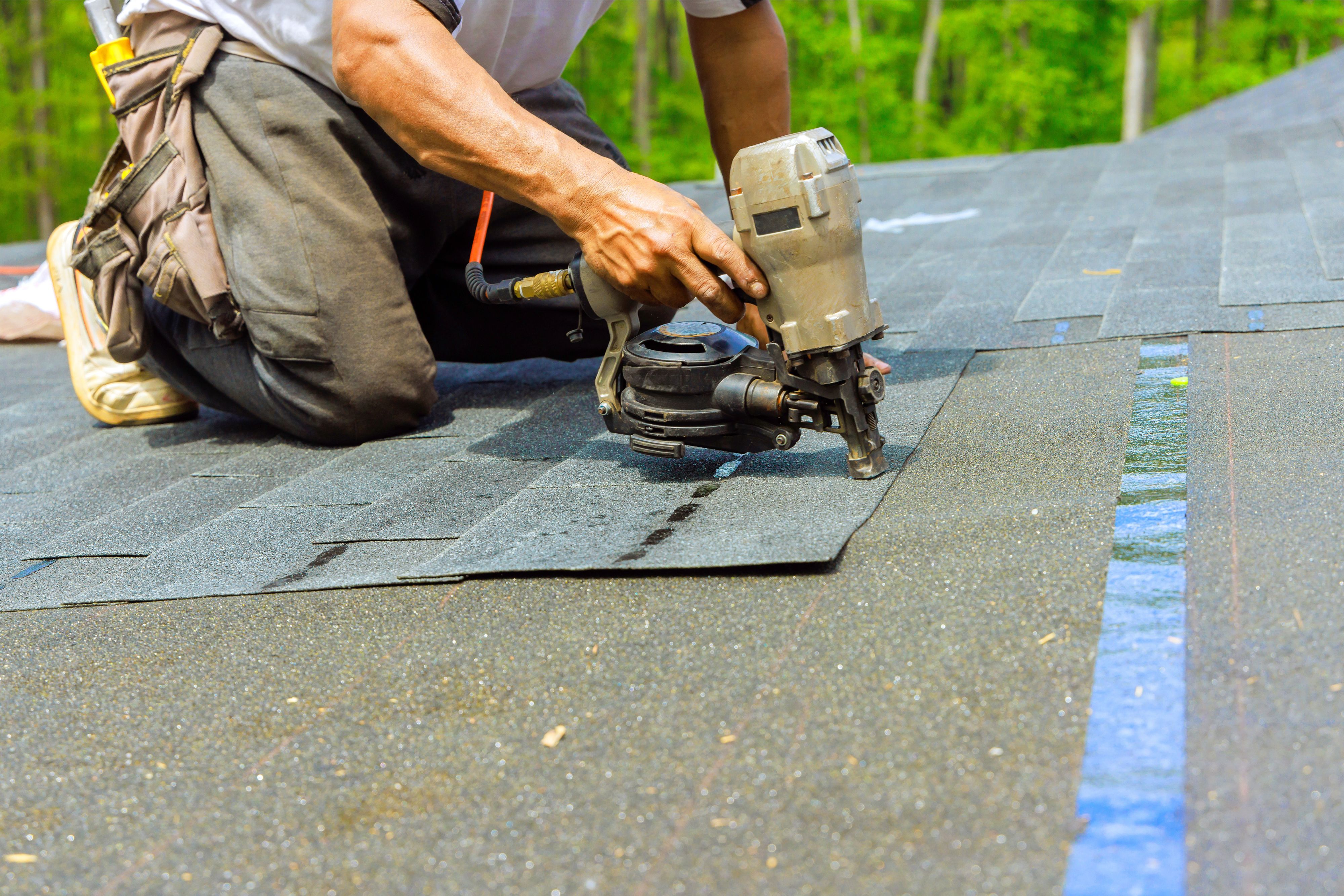
You do not need to supervise the crew's technical work, but stay informed.
If the contractor discovers an unexpected condition, ask for an explanation before approving additional work. When useful, request photographs so you can understand what was found.
Keep copies of change orders and other project documents.
If weather interrupts construction, ask how exposed areas will be protected and whether the schedule needs to change. Good communication can prevent uncertainty when the original timeline no longer applies.
Check the Job Before Closing It Out
When construction is complete, walk around the property and review the finished project with the contractor when possible.
Ask whether all contracted work is complete and whether permits or final inspections require additional action. Check that debris and excess materials have been removed and that the cleanup procedures described in the agreement have been performed.
Collect your final paperwork, including invoices, warranty information, permits, product documentation, and any other records related to the job.
Keep these documents together. Roofing records may be valuable if you need warranty service, schedule future maintenance, file an insurance claim, or eventually sell the property.
A More Organized Roofing Experience
Homeowners do not have to understand every installation technique to manage a roofing project effectively.
Research contractors before hiring, insist on clear written information, prepare the property, stay informed about changes, and keep complete records after the work is finished.
A little organization at each stage can make it much easier to understand what is happening above your home—and what you should expect from the company doing the work.