A super el niño is forming… and from Tunisia, I will be watching the mediterranean
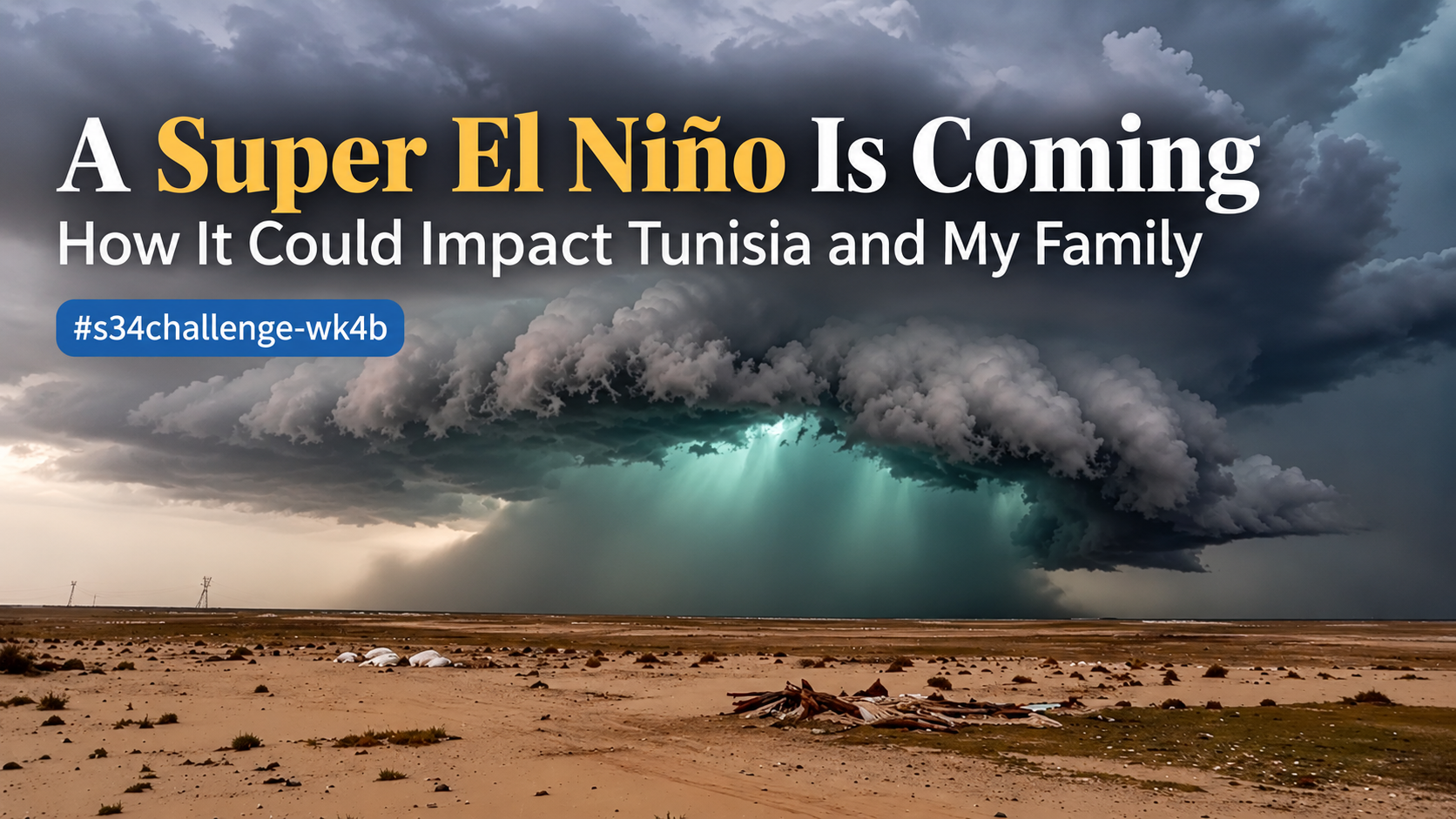
A powerful storm is impressive to look at, but behind that beauty there is also a reminder that nature can change very quickly and that being prepared is always better than being surprised.
Hello Steemians,
When I first read this week's question about the possibility of a Super El Niño bringing unusual and extreme weather during the coming months, I did not immediately start thinking about charts, temperatures in the Pacific Ocean or complicated climate terminology, because the first image that came into my mind was much simpler: the Mediterranean Sea, a dark sky above it, waves becoming stronger and that strange moment when you look outside and realize that the weather no longer feels as peaceful as it did only a short time before.
Living in Tunisia makes this subject especially interesting to me because the sea is part of our daily landscape, the weather can influence everything from agriculture and water availability to roads and family plans, and although El Niño develops thousands of kilometres away in the tropical Pacific, an event strong enough to disturb weather patterns around the world naturally makes me wonder what the next several months could look like here at home.
I also don't want to exaggerate the situation, because I don't think it would make sense to see every dark cloud over Tunisia and immediately say, “This is El Niño,” but at the same time the latest scientific forecasts are serious enough that I would rather understand what is happening and think about a few simple preparations than completely ignore it.
According to the NOAA Climate Prediction Center update issued on September 10, 2026, El Niño is continuing to strengthen, with more than a 90% chance of becoming a very strong event during the Northern Hemisphere autumn and winter of 2026-27, while scientists also estimate a 75% chance that its strength during October to December could exceed previous El Niño events in the record dating back to 1950.
The World Meteorological Organization is also expecting the event to persist through the coming winter, which means this is something I will probably continue following rather than forgetting about after writing this post.
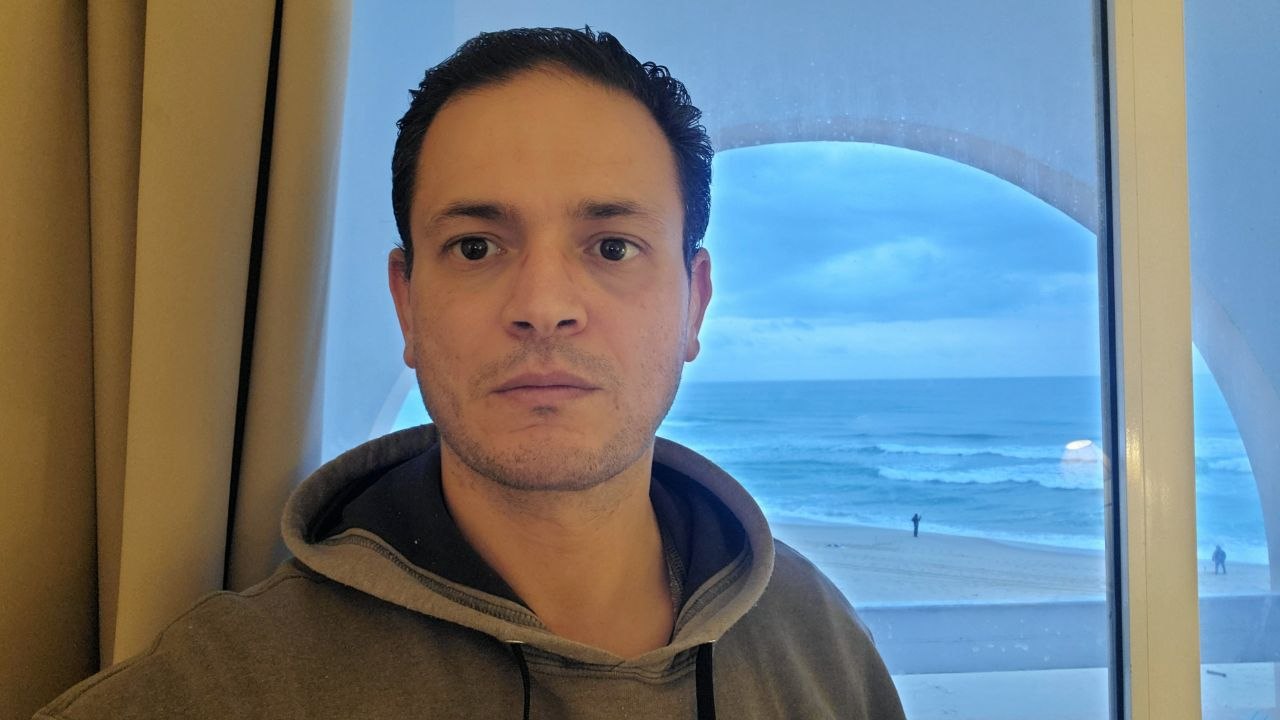
With the Mediterranean just behind me, weather discussions never feel completely abstract, because sometimes all I have to do is look through the window to see how quickly the atmosphere can change.
What could a Super El Niño really mean for Tunisia?
This is probably the most difficult part of the question, because it would be very easy to give a dramatic answer and say that Tunisia will definitely experience floods, extreme heat or drought, but the reality is much less simple, since El Niño does not affect every country in exactly the same way and its influence around the Mediterranean can interact with many other atmospheric and oceanic patterns.
What I can say with much more confidence is that Tunisia is already familiar with several of the problems that become particularly important when weather becomes more extreme, including drought, water scarcity, sudden heavy rainfall, flooding, coastal erosion and periods of intense heat, so even if El Niño does not directly produce one specific type of Tunisian weather, greater climate instability is something worth paying attention to.
Sometimes we spend a long period hoping for rain because reservoirs, farms and groundwater desperately need it, and then when rain finally arrives it can fall so heavily and so quickly that roads become flooded and drainage systems cannot cope with the amount of water.
That contradiction is probably one of the things that worries me most.
We need water, but receiving several weeks' worth of rain in a few hours is not the same thing as receiving useful, regular rainfall.
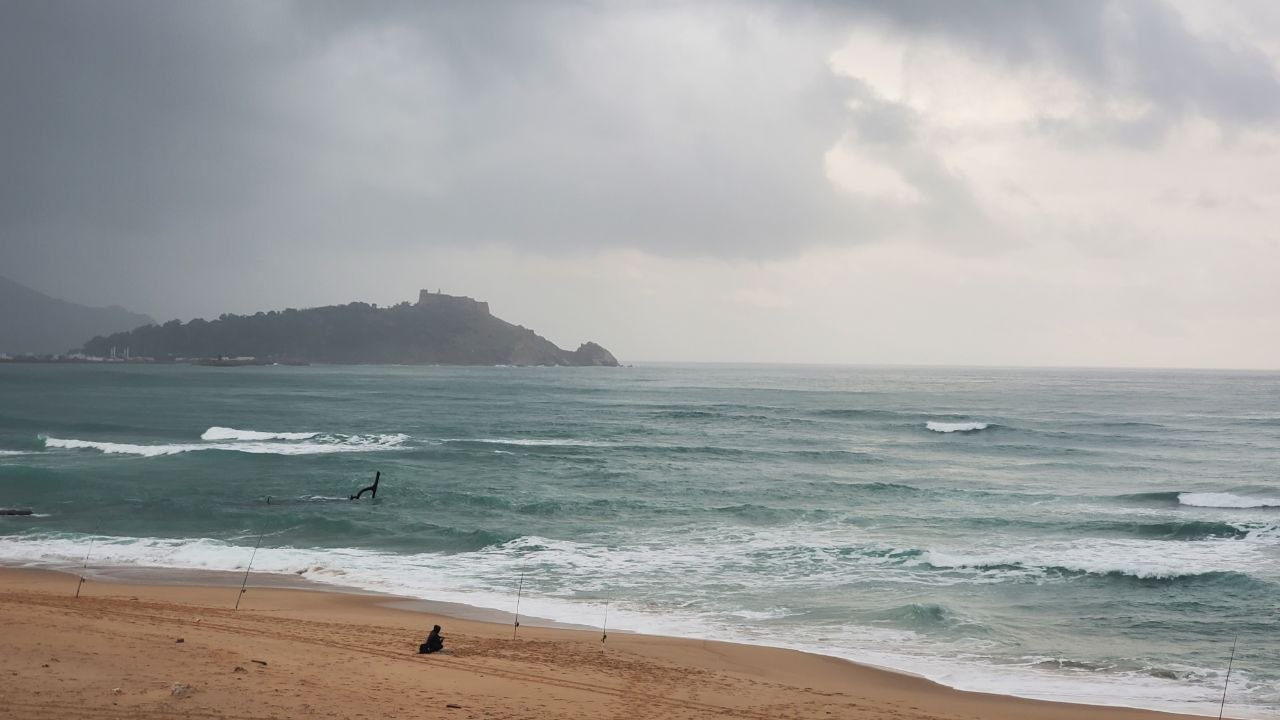
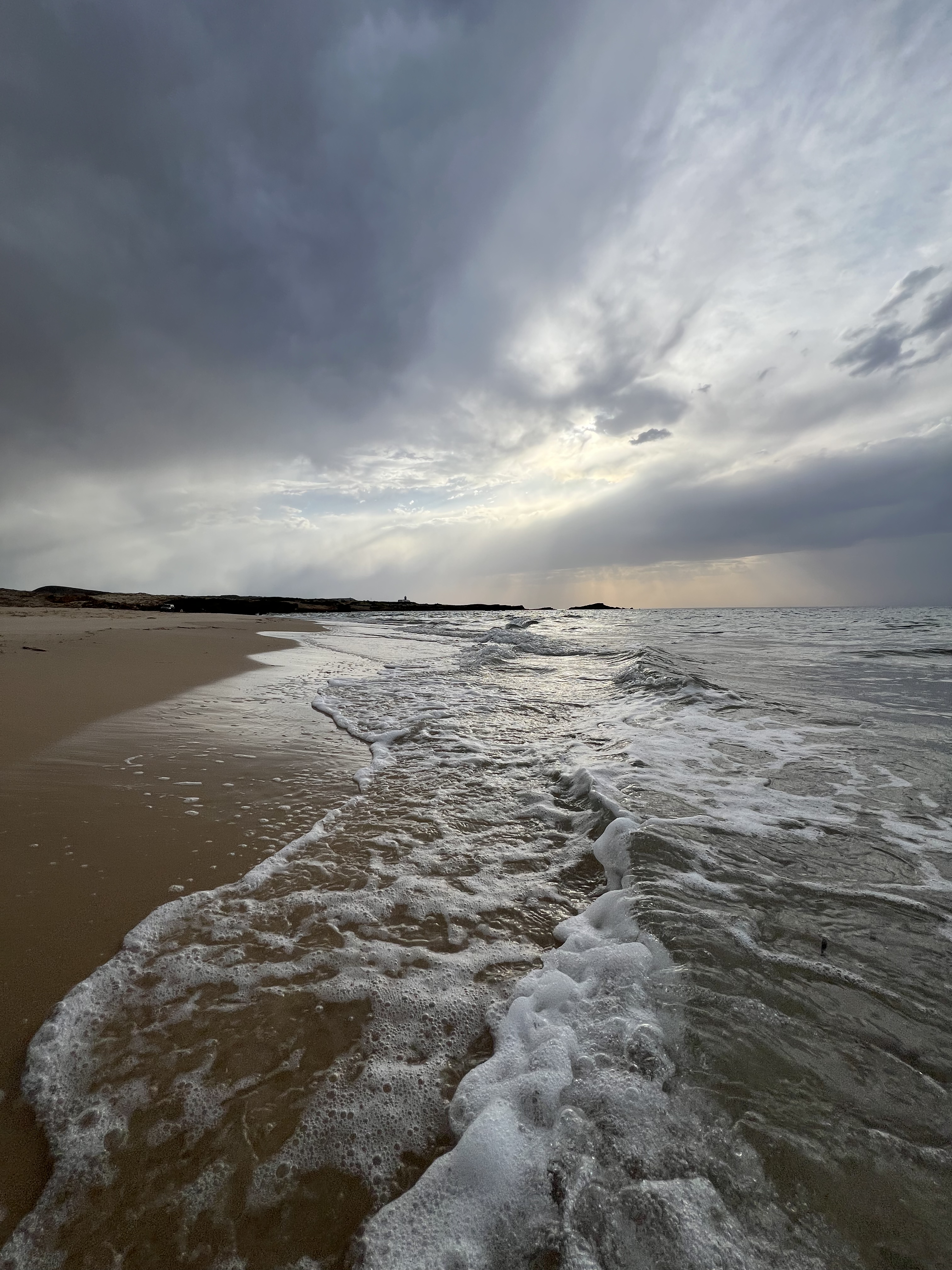
A grey afternoon on the Tunisian coast: beautiful to watch from a safe place, but also the kind of weather that reminds me how quickly the Mediterranean can change its mood.
I think the greatest mistake would be expecting El Niño to give us one simple result, because what I would personally prepare for is not one guaranteed scenario but rather the possibility of having to deal with several extremes at different moments, whether that means unusually hot conditions, another difficult period for water resources, or episodes of intense rainfall and rough coastal weather.
The Mediterranean would be one of the first things I watch
 |  |
|---|---|
| There is something beautiful about an empty beach beneath a heavy sky, although I would much rather enjoy this view before the weather becomes dangerous. | The sunlight was still trying to pass through the clouds here, while the waves and dark horizon were already creating a completely different atmosphere. |
Whenever the weather becomes unstable, I naturally pay attention to the sea because it gives you a very visual impression of what is happening, and even without being a meteorologist you can notice when the wind strengthens, when the waves become more aggressive, when the horizon almost disappears beneath rain or when the clouds begin building into something much heavier.
This is also where I think we sometimes make a very human mistake, because dramatic weather is incredibly attractive to photograph.
I understand the temptation completely.
When the sky becomes almost black, the sea changes colour and sunlight suddenly appears through one small opening in the clouds, your first instinct can be to take your phone and move closer because the scene looks spectacular, but those are exactly the moments when I would remind myself that getting an impressive photograph is not worth standing somewhere exposed to large waves, lightning or rapidly changing weather.
The Mediterranean can look peaceful in one direction while something much more serious is developing only a few kilometres away, and that is probably one of the reasons why I prefer checking forecasts instead of judging the whole situation from what I can see directly in front of me.
Sometimes the sky tells its own story
 | |
|---|---|
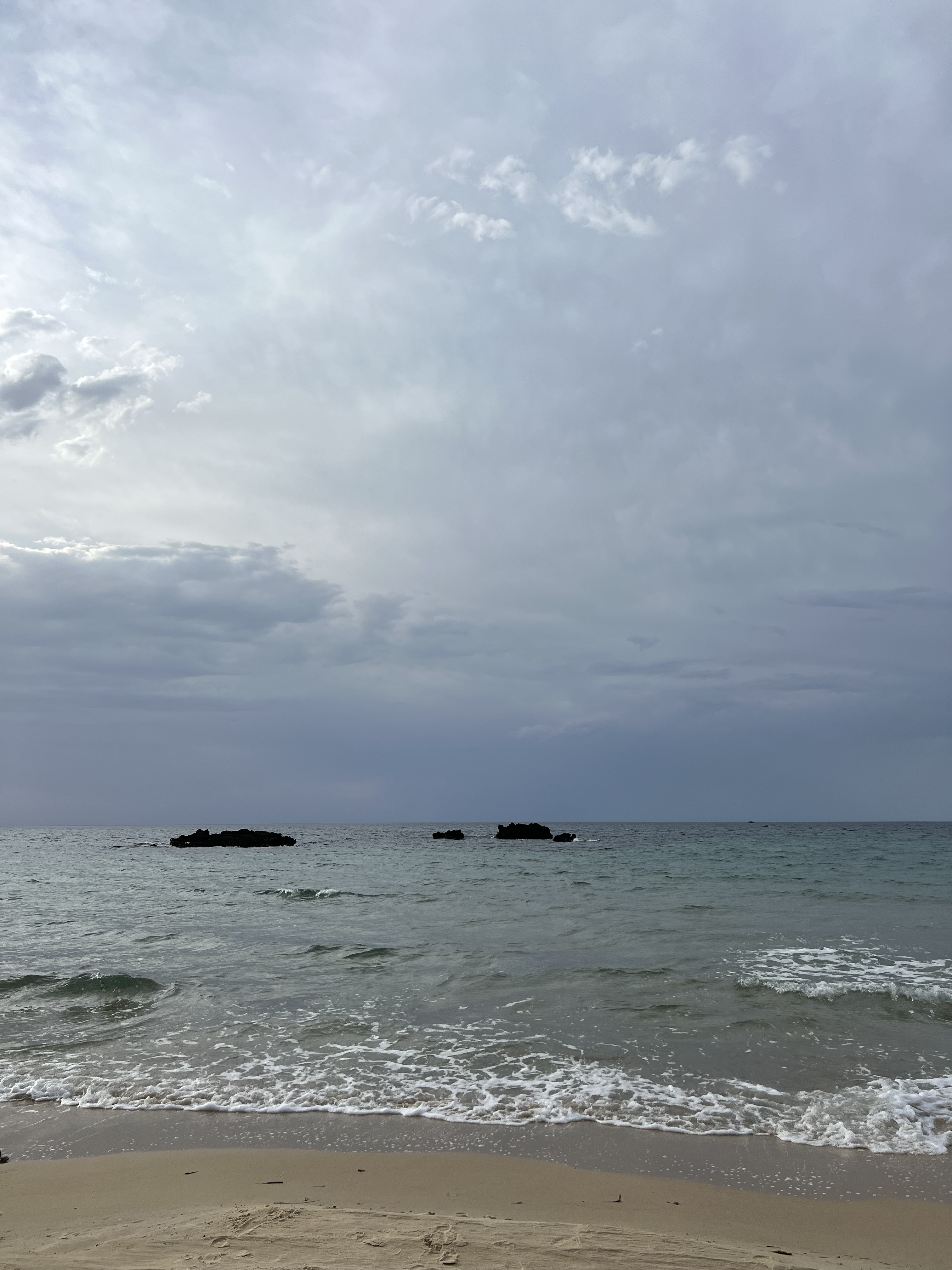
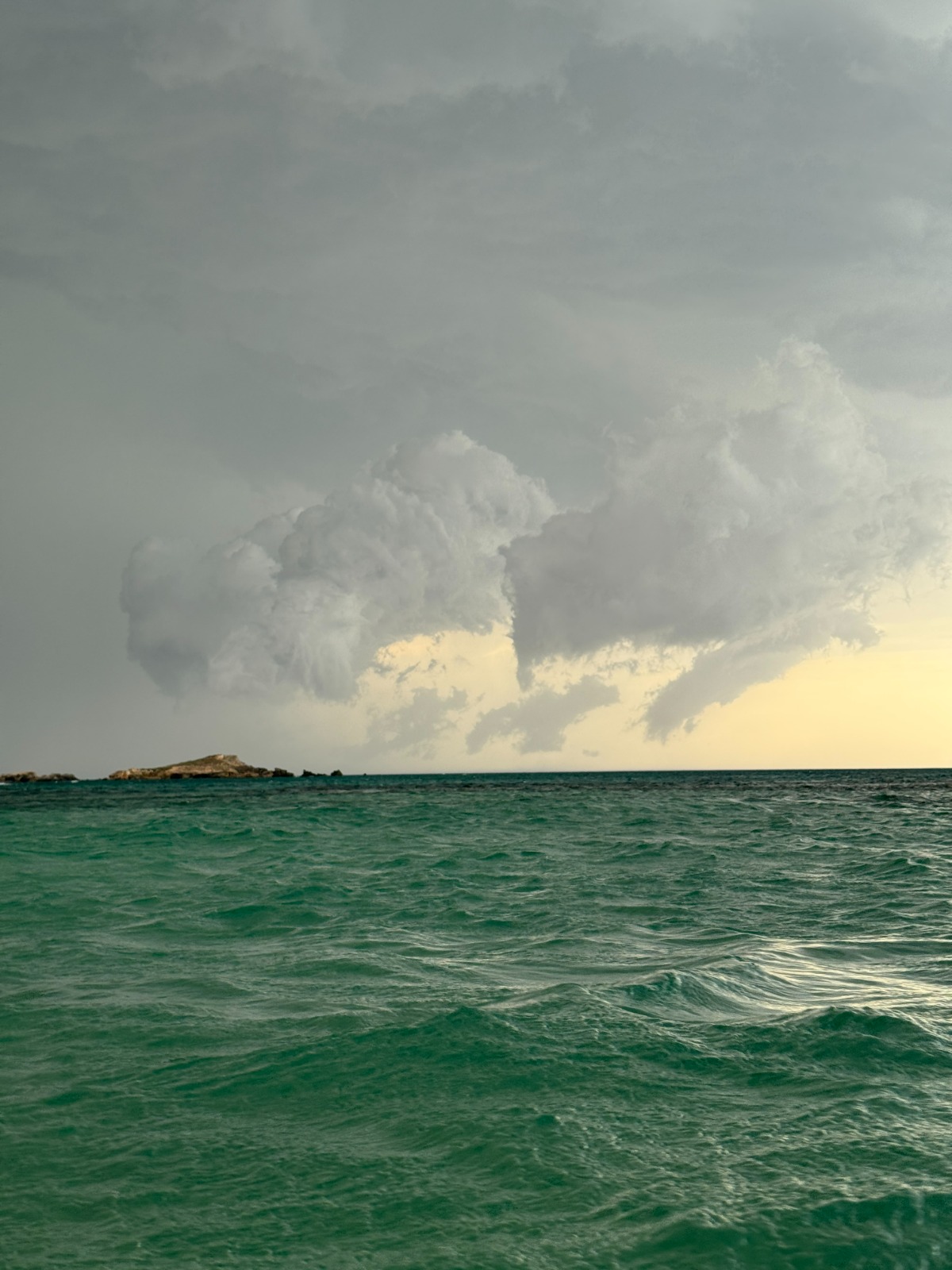
| On days like this, I sometimes spend more time looking at the clouds than at the sea, because the sky itself becomes the most interesting part of the landscape. | The sea below still looks relatively calm, while the clouds above already seem to be announcing a completely different kind of weather. |
Looking at these photographs again while writing this post actually makes the question feel much less theoretical to me, because I remember how different the coast feels when a heavy sky is above you, especially when the wind picks up and you can see darker areas in the distance where rain is already falling.
Of course, not every large cloud becomes a dangerous storm and I don't want to become the kind of person who panics every time the weather application shows rain, but I also think there is a difference between being afraid of weather and simply respecting it.
For me, respecting it means paying attention early enough that I don't have to make rushed decisions once conditions have already become difficult.
Heat and water would worry me just as much as storms
When people talk about extreme weather, thunderstorms and floods naturally receive the most attention because they are dramatic, immediate and easy to photograph, but if I think about what could actually affect my family and my country over several months, then heat and water availability worry me at least as much as one spectacular storm.
Tunisia already has limited water resources, and when temperatures remain unusually high for long periods, evaporation increases, agriculture needs more water and ordinary households also consume more, which means that a dry and hot period can slowly become a serious problem without ever producing the dramatic images associated with a thunderstorm.
This is why I would not simply hope that a strong El Niño means “more rain for Tunisia,” because that would be reducing a very complicated climate system to something far too simple.
If we receive useful rainfall, I will certainly be happy to see it, but if the coming months become hotter or drier than expected, then conserving water and paying attention to restrictions would become much more important.
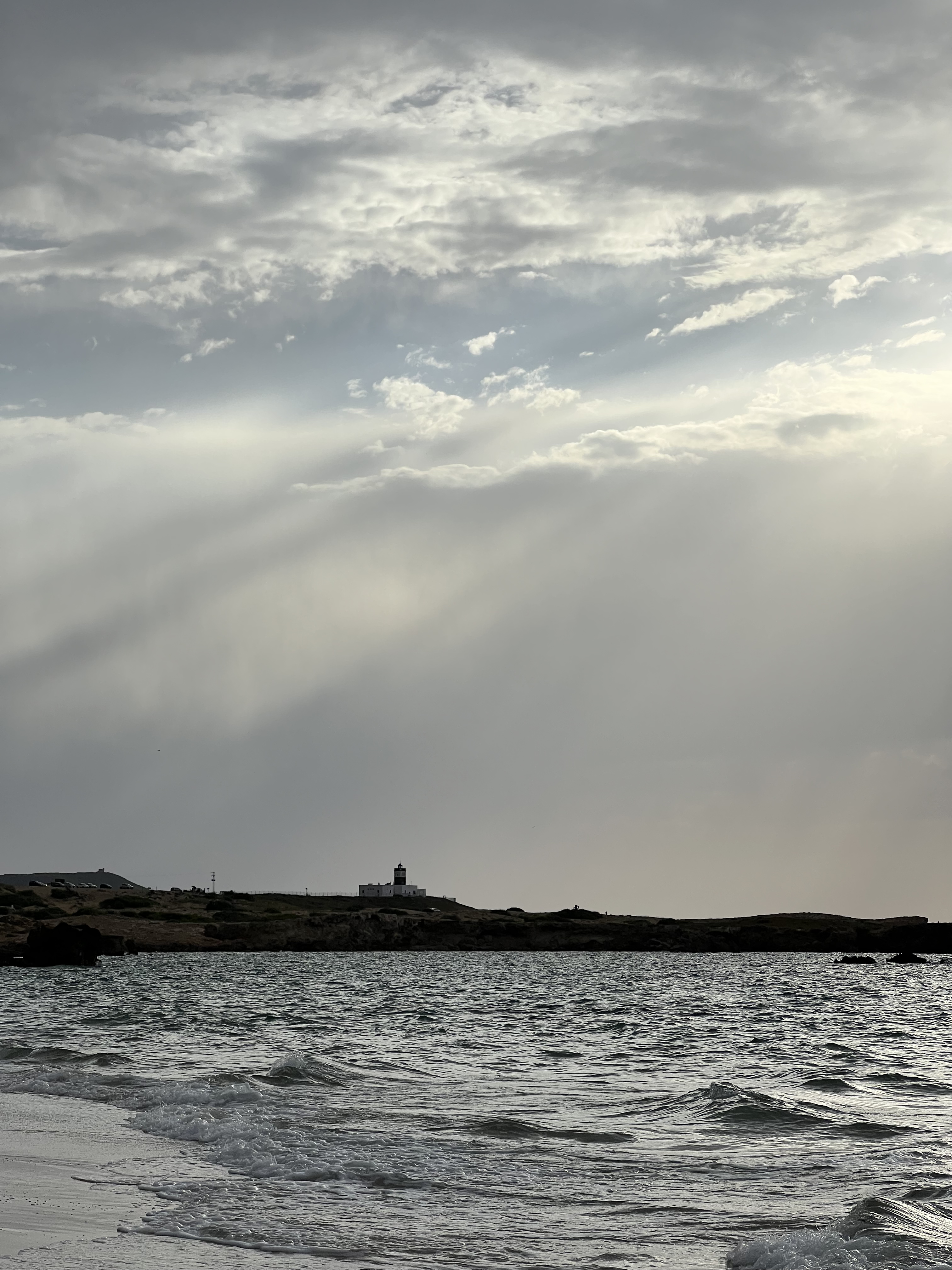
A huge sky above a relatively quiet sea: scenes like this remind me that the atmosphere can dominate the landscape long before anything dramatic reaches the ground.
What would my family actually do?
To be honest, I am not going to build an emergency bunker because of El Niño, buy six months of food or start treating every weather forecast as a disaster warning, because preparation only makes sense when it remains proportional to the actual risk, but there are several very ordinary things I would do if forecasts began showing a serious spell of bad weather approaching our area.
The first would simply be to follow official weather forecasts more regularly, especially before travelling or making plans near the coast, because sometimes the most useful preparation costs absolutely nothing and consists only of knowing what is expected before leaving home.
If heavy rain or a strong storm were forecast, I would make sure phones and power banks were charged, check that flashlights were available, keep some drinking water at home, make sure important medicines were not about to run out and check balconies or drainage areas where leaves and rubbish could prevent water from flowing normally.
None of that sounds particularly dramatic, and that is exactly the point.
I would rather spend twenty minutes preparing things that end up being unnecessary than discover during a power cut or a flooded street that I should have thought about them earlier.
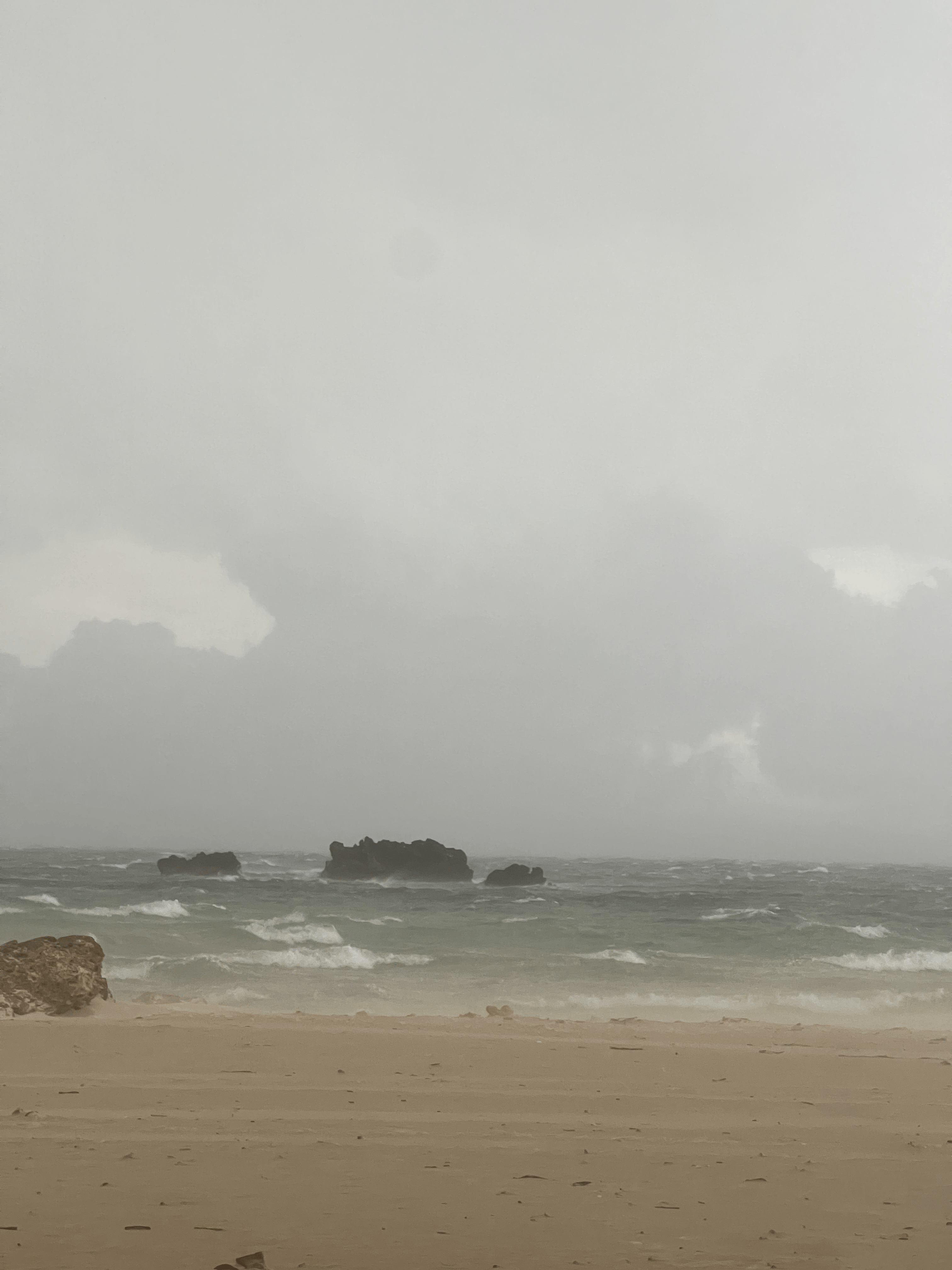
Once rain becomes this heavy and visibility begins disappearing, I would much rather already be somewhere safe than still be deciding whether the weather is serious enough to change my plans.
If particularly heavy rainfall were expected, I would also think carefully about where the car was parked, because low areas and places where water regularly accumulates are obviously not where I would want to leave it, and I would avoid driving through roads covered by moving water even if another driver in front of me decided that crossing looked possible.
There is always somebody willing to test the depth first.
It doesn't have to be me. 😄
Communication would probably be just as important as anything we could buy, because if conditions looked serious I would want to know that family members were aware of the forecast, especially older relatives or anyone who might be alone, and a simple call asking “Are you okay?” can sometimes be much more useful than filling the house with emergency supplies that nobody needs.
If the problem were extreme heat instead of rain, our preparations would obviously change, with more attention to hydration, avoiding unnecessary activity during the hottest hours, keeping the house as cool as reasonably possible and checking more regularly on relatives who might have difficulty coping with high temperatures.
And if the coming months became particularly dry and water restrictions were introduced, then I think preparation would also mean changing some everyday habits instead of complaining about restrictions while continuing to waste water as if the problem belonged to somebody else.
The part I cannot predict
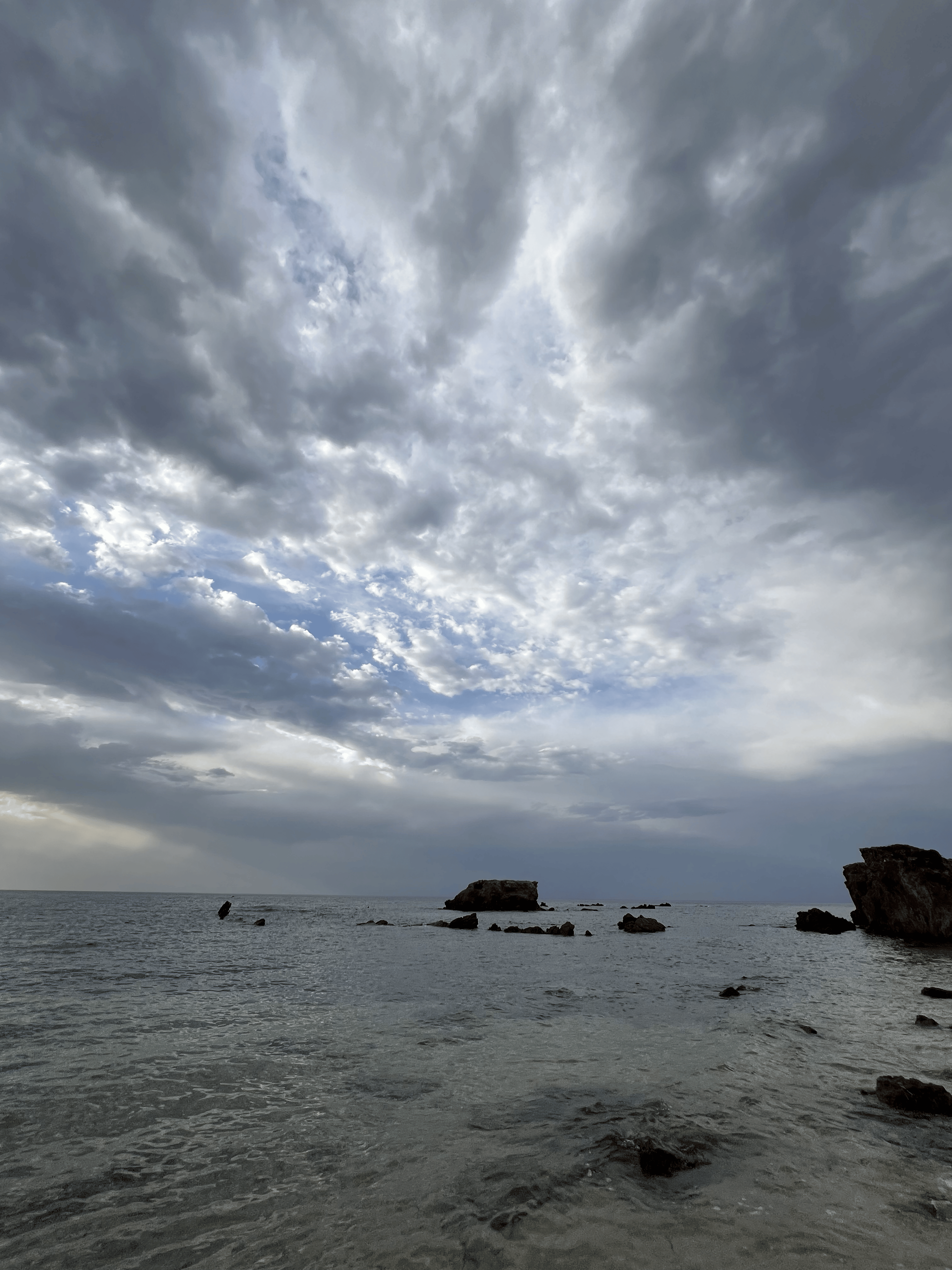
Dark clouds, green Mediterranean water and a small opening of warm light in the distance; probably the best image I have for the uncertainty I feel when thinking about the coming months.
What makes this challenge especially interesting is that even after reading forecasts and trying to understand El Niño better, I still cannot honestly say what weather I will be looking at from my window several months from now, because a very strong global climate event increases certain risks but does not give us a day-by-day script for Tunisia.
Maybe we will receive episodes of heavy rain.
Maybe water scarcity will remain the bigger concern.
Maybe the strongest impacts will be felt elsewhere and our own season will turn out to be much less dramatic than people fear.
And, realistically, it could be a mixture of several different situations.
I am actually comfortable admitting that uncertainty, because I would rather say “I don't know exactly what will happen, so I will stay informed” than pretend that I can predict Tunisian weather six months in advance simply because I read the words Super El Niño.
What I would really want my family to remember
For me, preparation is not about becoming frightened every time the sky becomes dark, and it is definitely not about spending the next six months waiting for something terrible to happen, because life still has to continue normally and most days will probably still feel completely ordinary.
What I would want my family to remember is simply that extreme weather deserves respect, warnings are easier to follow before conditions become dangerous, water is valuable whether El Niño is present or not, and sometimes the smartest decision is also the least exciting one: staying home, changing a journey, moving the car, charging a phone or deciding that today is not the day to stand beside the sea taking photographs.
Looking again at the photographs I selected for this post, there is one thing that really stands out to me.
Bad weather can be extraordinarily beautiful.
Dark clouds can turn an ordinary coastline into something almost cinematic, waves become more powerful, the colour of the water changes and even a small ray of sunlight suddenly becomes something worth photographing.
But the fact that something is beautiful does not mean it is harmless.
That is probably the thought I will keep with me most during the coming months.
I cannot control El Niño, I cannot control the Mediterranean and I obviously cannot tell the clouds above Tunisia where they should go, but I can follow reliable forecasts, make sensible decisions and help the people around me prepare when preparation is actually needed.
And if, several months from now, I look back at this post and realize that the worst weather never reached us, I will not feel that those preparations were wasted.
I will simply be happy that the worst-case scenario remained a scenario.
Stay safe, Steemians.🇹🇳
Sources consulted for the climate information: NOAA Climate Prediction Center — ENSO Diagnostic Discussion, 10 September 2026; World Meteorological Organization - El Niño/La Niña Update, September 2026; World Bank - Tunisia Country Climate and Development Report.
Note: the cover is an illustrative/edited image by Canva. The other photographs are the coastal images selected for this post.
Upvoted! Thank you for supporting witness @jswit.