The Behavioral Paradox of Alcohol and Stress Management
Many individuals turn to alcohol with the intention of unwinding after a demanding day. The initial sensation can indeed be one of relaxation, a perceived reprieve from daily pressures. This immediate effect often reinforces a behavioral pattern, where alcohol becomes a go-to coping mechanism for stress. However, the underlying neurochemistry reveals a more complex and often counterproductive process, ultimately contributing to the very distress it is sought to alleviate.
The brain's intricate network of neurotransmitters, particularly GABA and dopamine, plays a crucial role in mood regulation. Alcohol initially mimics the calming effects of GABA, slowing down neural activity and inducing a transient sense of tranquility. Concurrently, it triggers a surge in dopamine, activating the brain's reward system, which registers as pleasure. This dual action creates a powerful, albeit temporary, illusion of relief, reinforcing the habit loop where stress acts as the trigger and alcohol serves as the perceived reward.
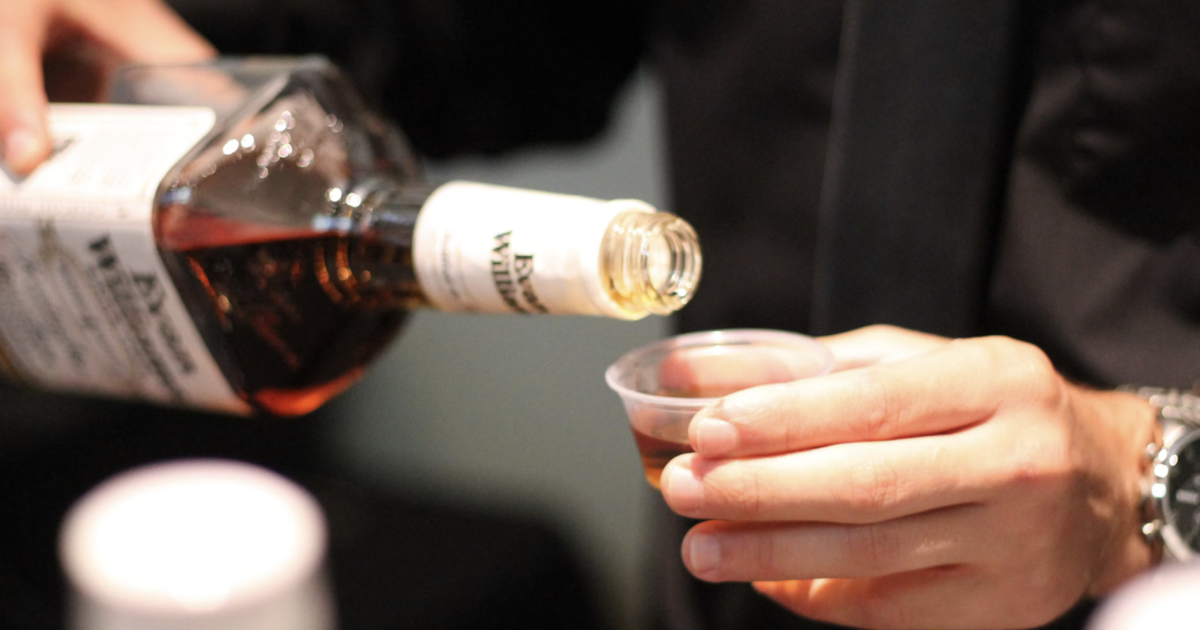
Source: www.fairfaxtimes.com
Over time, consistent alcohol consumption disrupts this delicate balance. The brain adapts by reducing its natural production of these vital neurotransmitters, leading to a diminished capacity to manage stress and regulate mood independently. This adaptation results in a significant rebound effect, manifesting as increased anxiety, sleep disturbances, irritability, and a pervasive sense of depression, often experienced the day after drinking. The very mechanism sought for relief becomes a catalyst for heightened distress, trapping individuals in a cycle where they may consume more alcohol to alleviate symptoms that alcohol itself exacerbated. Furthermore, alcohol significantly interferes with the REM stage of sleep, which is critical for emotional processing and memory consolidation. This disruption compromises the brain's ability to effectively process daily stressors, leading to cumulative mental fatigue.
Breaking this cycle requires a deliberate re-evaluation of one's stress-coping strategies. Behavioral science indicates that habits, even maladaptive ones, are responsive to conscious intervention. The initial step involves recognizing the precise triggers that lead to alcohol consumption—whether it is a specific time of day, a particular social setting, an internal state of stress, or boredom. Understanding these triggers is paramount for designing effective counter-strategies.
Once triggers are identified, the focus shifts to substituting the alcoholic "reward" with healthier, sustainable alternatives. Engaging in regular physical activity, practicing mindfulness or meditation, pursuing engaging hobbies, or fostering robust social connections are all evidence-based methods for stress reduction that foster genuine well-being without the subsequent physiological rebound. Professional guidance, such as therapy or counseling, can also provide structured support for developing more adaptive coping skills and understanding the deeper psychological underpinnings of stress. The long-term goal is to cultivate intrinsic mechanisms for resilience rather than relying on external, temporary chemical interventions.
Ultimately, the journey toward more effective stress management involves dismantling the perceived utility of alcohol as a solution. By understanding its short-term illusory benefits and long-term detrimental effects on neural pathways and emotional regulation, individuals can cultivate habits that genuinely support mental fortitude and sustained well-being, fostering a more robust and resilient internal state.