The Generational Burden of Future Uncertainty and Cultivating Agency
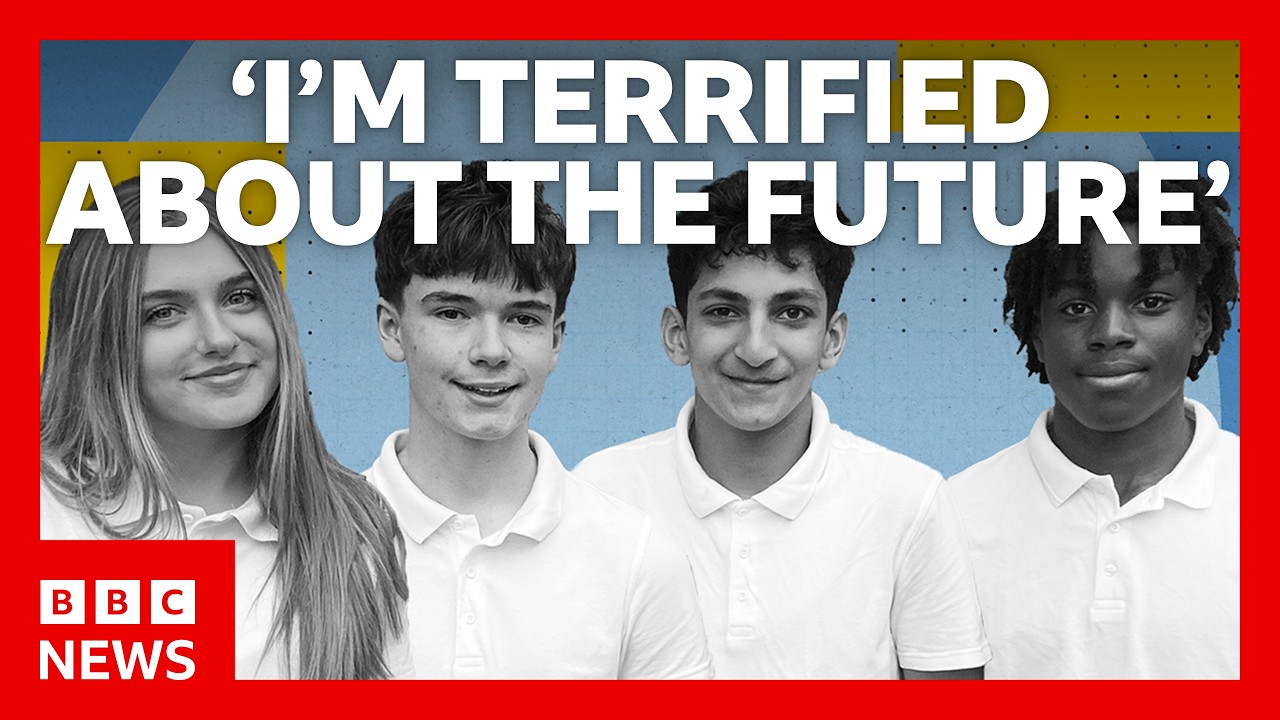
Reports from various sources indicate a pervasive sentiment among young people, particularly British teenagers, expressing profound apprehension regarding their future prospects. This anxiety is not merely a passing phase but reflects a deeper psychological challenge stemming from a confluence of global and local stressors. Factors such as climate change, economic instability, the rapidly evolving job market, and political turbulence collectively contribute to a feeling of overwhelming uncertainty.
Source: www.youtube.com
From a behavioral science perspective, such widespread fear can often be linked to a perceived lack of control, a phenomenon known as an external locus of control. When individuals feel that external forces dictate their outcomes, their sense of agency diminishes, leading to feelings of helplessness and elevated stress. For adolescents, whose prefrontal cortex is still maturing, the capacity for emotional regulation and long-term planning is still under development, making them particularly susceptible to the psychological toll of an unpredictable future. They are acutely aware of the challenges ahead, from housing affordability to environmental degradation, yet often lack clear pathways or readily available tools to address them directly. This disconnect between awareness and perceived efficacy can manifest as existential dread.
Addressing this necessitates a strategic shift from passive worry to proactive engagement, focusing on areas where influence is possible. One effective approach involves cultivating an internal locus of control by identifying and engaging in micro-actions. For instance, instead of being paralyzed by the scale of climate change, a young person might focus on advocating for local environmental policies, participating in community clean-ups, or adopting more sustainable personal habits. These small, consistent efforts, while not individually solving global crises, contribute to a sense of purpose and demonstrate personal efficacy. Similarly, rather than fearing job market shifts, focusing on developing transferable skills—critical thinking, problem-solving, adaptability, and digital literacy—provides a robust foundation for navigating an unpredictable professional landscape. This proactive skill-building counters the feeling of being a passive recipient of economic forces.
Furthermore, managing one's information diet can significantly mitigate anxiety. Constant exposure to catastrophic news cycles without accompanying solutions can reinforce a sense of impending doom. Deliberate choices about news consumption, focusing on solutions-oriented journalism, and engaging with communities working towards positive change can offer a more balanced perspective. The objective is not to ignore genuine threats but to prevent information overload from fostering a paralyzing sense of hopelessness. Empowering young individuals to understand that while they cannot control every external variable, they can develop resilience, adaptability, and contribute meaningfully within their sphere of influence, transforms fear into a catalyst for informed action and personal growth.
Inspired by: