Can a Muslim Woman Become an Imam? The Question That Challenged Patriarchal Barriers.
Hi guys, accept warm Steem greetings from the motherland of Cameroon, and welcome to my blog as I share an experience I encountered at a workshop I attended some weeks back on Breaking Patriarchal Barriers, when a Muslim woman dared to ask one question that triggered emotions.
It was indeed a thought-provoking workshop focused on breaking patriarchal barriers, with particular attention to indigenous women and rural women in Cameroon. It was one of those gatherings where you walk in expecting to learn, but leave with far more than knowledge, you leave with questions, reflections, and conversations that stay with you long after the event is over.
The workshop brought together people from different backgrounds to discuss the realities women face in accessing opportunities, leadership, land, justice, and decision-making spaces. For indigenous and rural women, these challenges can be even more complicated because they often have to navigate the intersection of culture, tradition, religion, poverty, and deeply rooted gender stereotypes.
One thing became very clear during the discussions that patriarchy is not always loud. Sometimes, it hides behind statements such as, “…that is how we have always done it…,” or “…Women are not supposed to do that.” These simple statements can become powerful barriers that prevent women from reaching their full potential.
But then came a moment that completely changed the atmosphere in the room. During one of the discussions, a Muslim woman stood up and directed a question to the Imam. Her question was simple, but incredibly powerful.
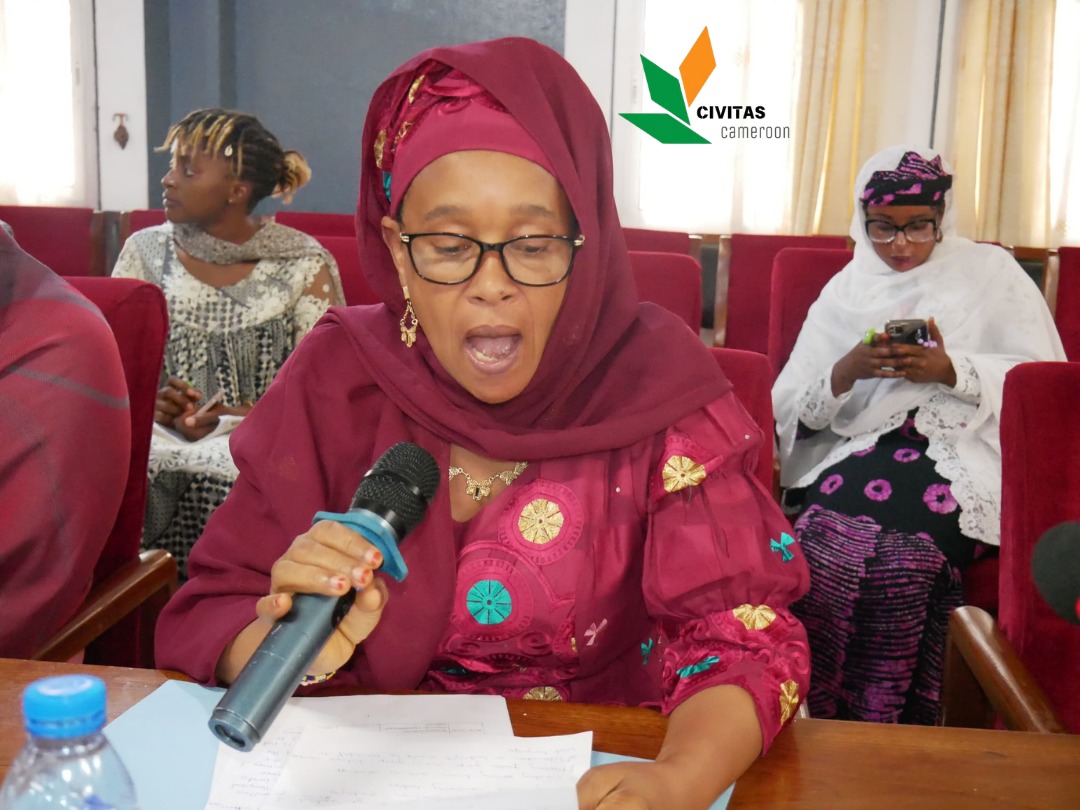
She asked whether it is actually written in the Quran that a woman should not become an Imam, or whether this is a religious stereotype that has been passed down over generations and continues to limit Muslim women from occupying top leadership positions.
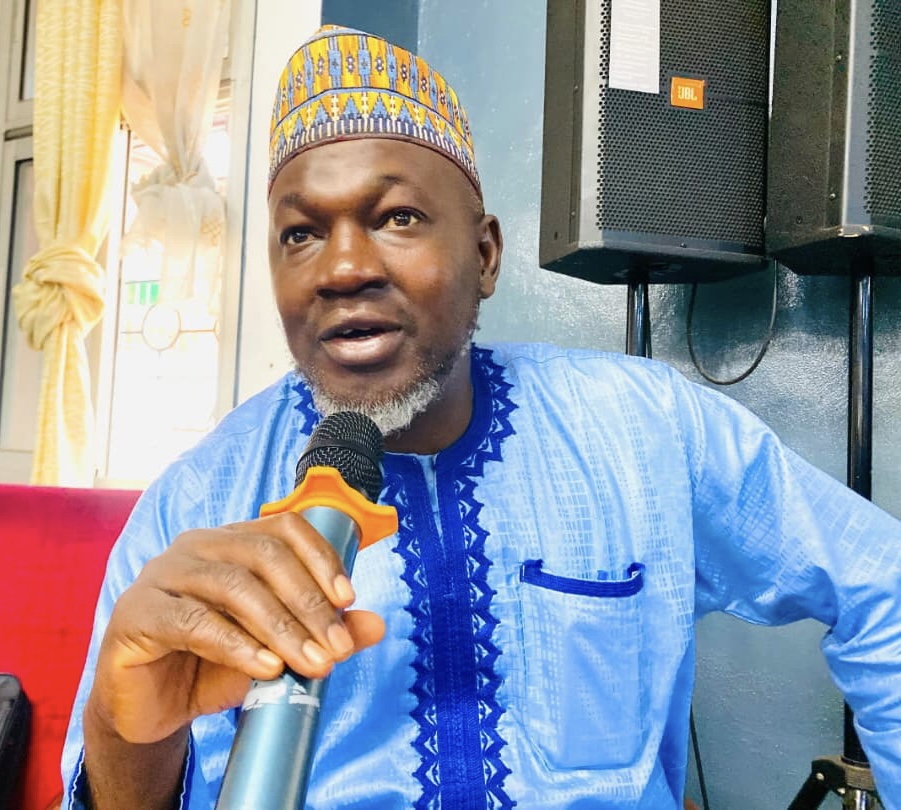
For a moment, the room became noticeably quiet. It was not simply a question about religion, it was a question about power, interpretation, tradition, and the invisible boundaries that society creates around women.
I could feel the emotions rising because the question touched something much deeper. How many opportunities have women lost because society told them, “…You cannot…,” without encouraging them to ask, “…Why not?”
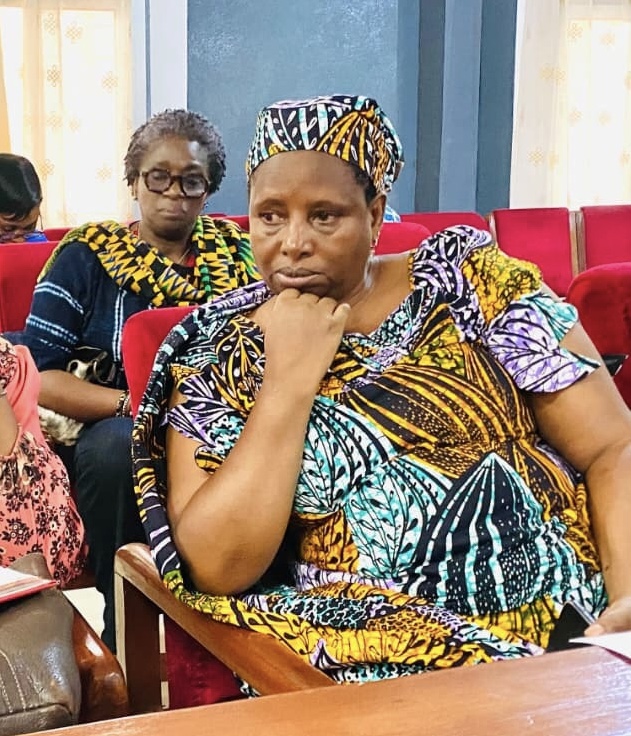
How many girls growing up in rural communities have been told that certain positions are exclusively for men? How many indigenous women have been excluded from decision-making because tradition says leadership belongs to men? How many Muslim women have questioned their ability to lead because they have been made to believe that their faith automatically disqualifies them from certain positions?
These are difficult questions, but they are conversations we must be willing to have. Breaking patriarchal barriers does not mean we are attacking culture, religion, or tradition. It means examining the practices that dehumanise women and asking whether they are truly rooted in our values, or whether some have simply become stereotypes that society continues to reproduce.
For me, the most powerful lesson from that moment was the courage to question. Sometimes, transformation begins with one person raising their hand and asking a question nobody else has dared to ask.
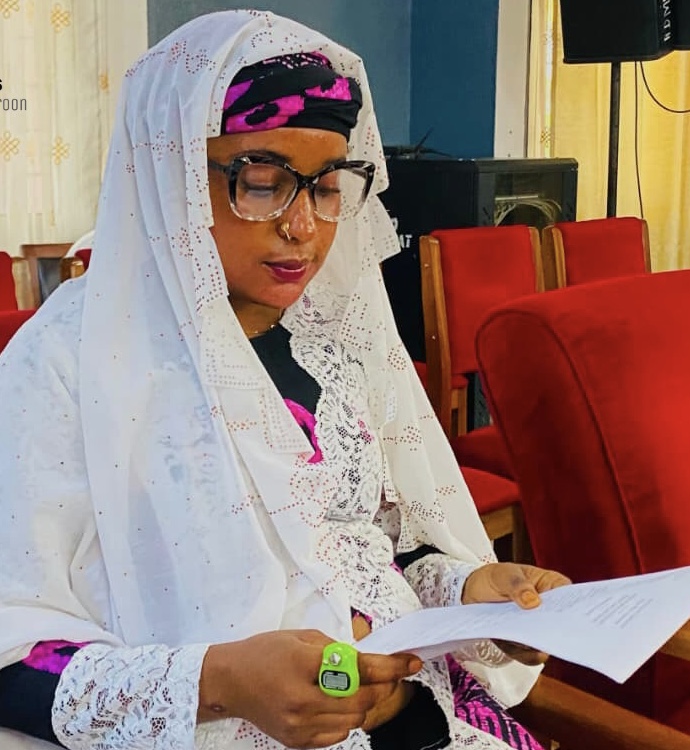
Indigenous women, rural women, Muslim women, and women from every community deserve the opportunity to participate meaningfully in decisions that affect their lives. Their voices should not only be heard when policies are being discussed. They should be present at the tables where those policies are created.
Since I left the workshop, I kept thinking about that woman's question. Perhaps the real barrier is not always the absence of rights. Sometimes, it is the belief that we are not entitled to exercise them and that is why conversations like these matter.
We must continue questioning stereotypes, challenging discriminatory practices, creating safe spaces for women to speak, and encouraging communities to see women not as followers, but as leaders, decision-makers, and equal partners in development.
One question can trigger emotions, one question can challenge generations of assumptions, and sometimes, one brave question can be the beginning of change. Are we ready to embrace change? Make we talk!!!✌️✌️✌️
NB: all images from the workshop WhatsApp group.
Gracias por esta reflexión. En tiempos donde todo es rápido y superficial, leer algo que invita a la pausa es un regalo. @chant