Steemit Challenge Season 34/Week 4 : Questions-02
Scientists are predicting a ‘Super El Nino’ creating extreme weather events around the world over the next 6 - 9 months. It could be the strongest for at least 70 years.
I can realize that by verifying various information about Super El Nino, it might have a negative impact on our Bangladesh, as predictions suggest it could happen within the next 6 to 9 months.
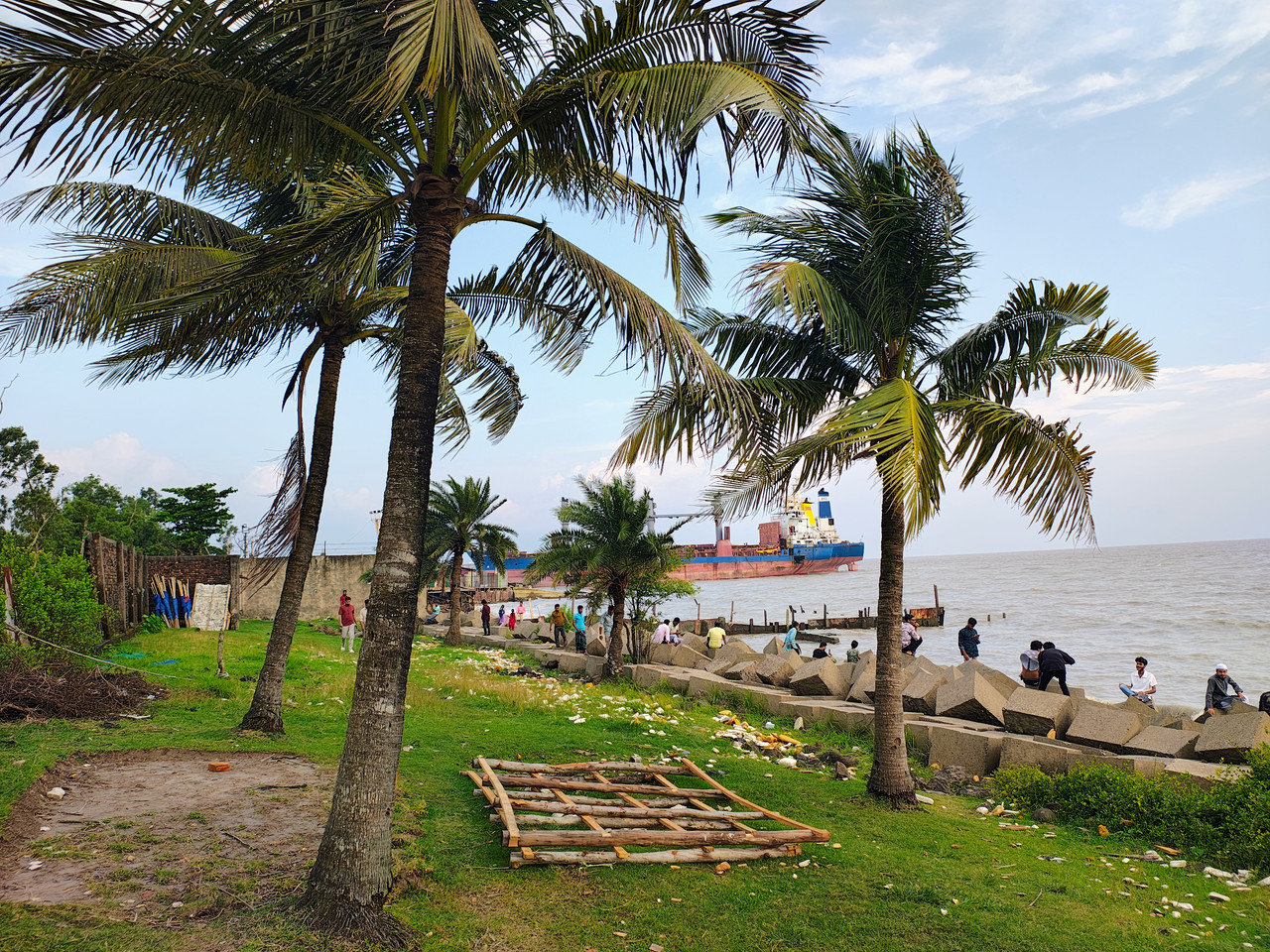
If Super El Nino occurs, it will have a massive impact on the public life, agriculture, and weather of our country. Our country is agriculture-based, crop yields here largely depend on rain and water. It can affect the monsoon winds, making lower-than-normal rainfall more likely.
If rainfall decreases, land irrigation as well as crop production will be disrupted because our major crop, rice, depends on irrigation. Low rainfall causes the groundwater level to drop, which hinders crop production. It could lead to drought, raising concerns about a decline in the production of our country's crops, vegetables, and wheat.
A drop in production means a reduced supply of food items in the market and when supply decreases, the prices of food commodities can rise significantly. Since most people in our country belong to the low-income family, procuring food will become very difficult for them.
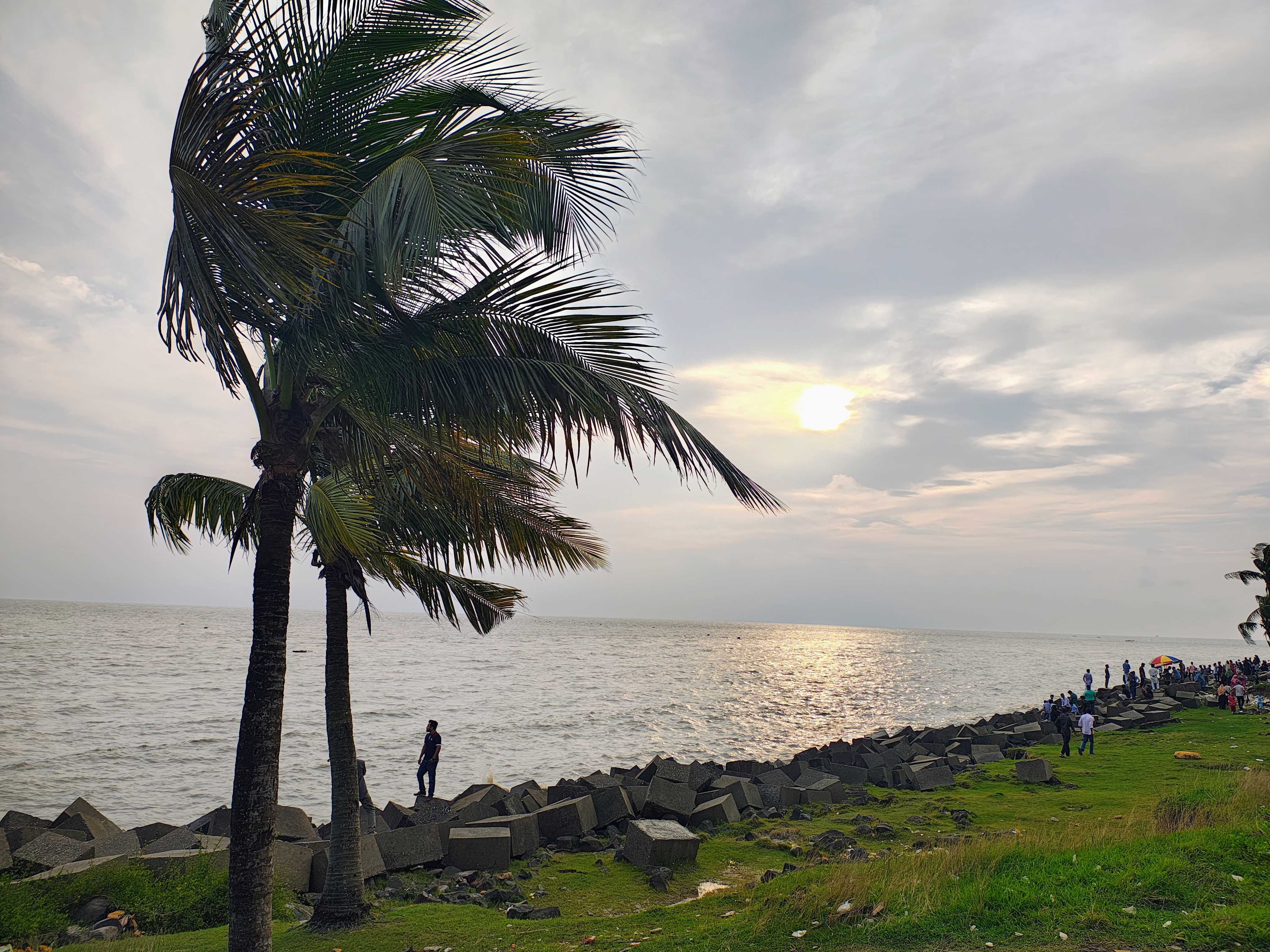
Besides these, many other human-centric problems may arise. Those who work in open fields will face immense hardship working in the field due to the severe heatwave. Intense heat greatly increases the demand for electricity. Since electricity in our country is also generated through hydropower, a drought will put pressure on electricity supply and cause load-shedding.
Although my family is not fully prepared for this situation, we have taken several measures that will help us greatly during this time. We live in a coastal area and because the weather here is very unstable, we often take various initiatives to adapt.
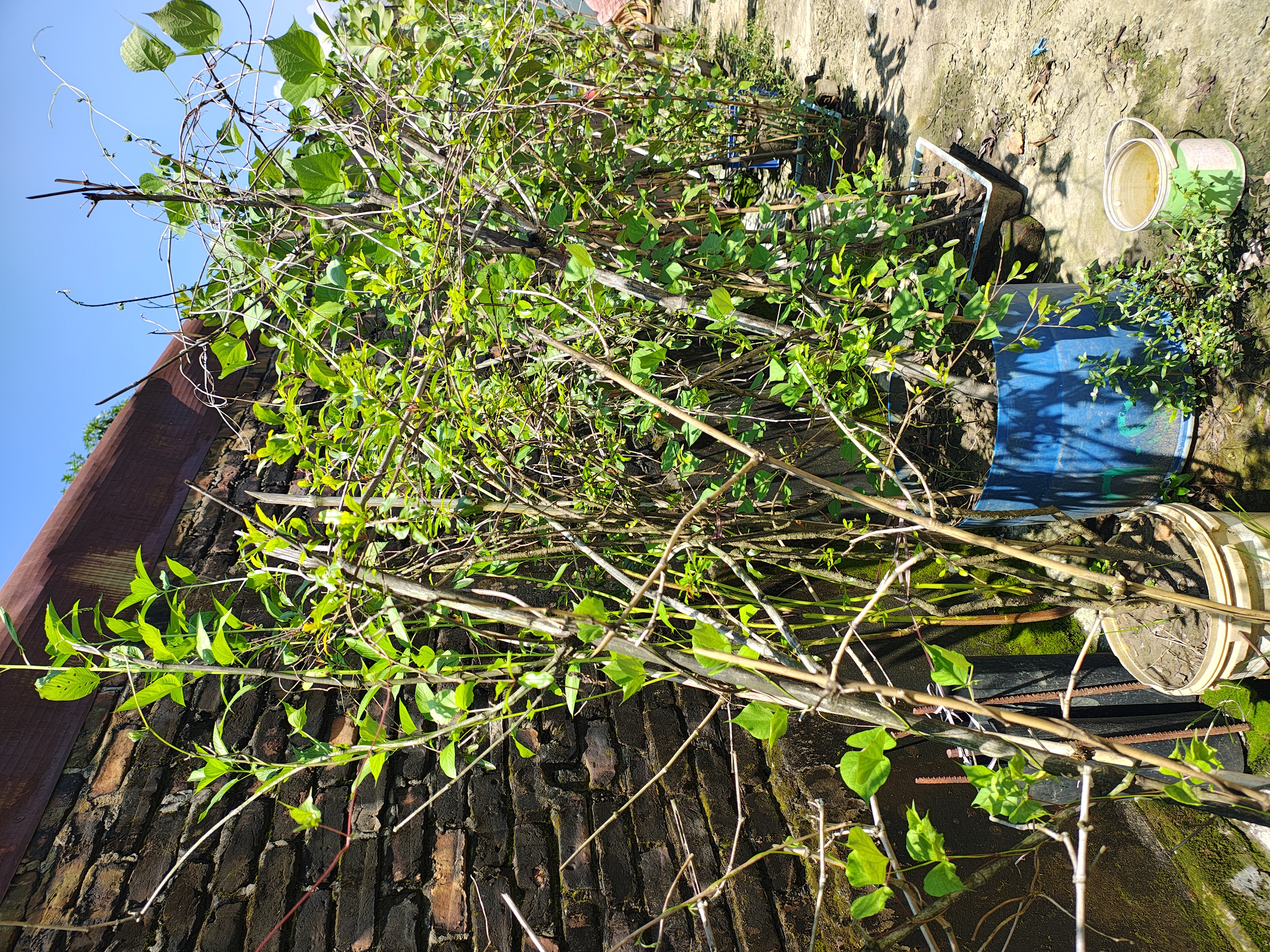
On our rooftop, my father and I have set up a garden with vegetables and various other plants. Every year, we grow seasonal vegetables here. If a shortage of food commodities occurs in the market, we will be able to utilize the vegetables from our garden. Moreover, most of these vegetables yield well with minimal irrigation.
Power crises occur during extreme heat, which is why we have installed an IPS and energy bulbs at home. Although these cannot cover the electricity needs of the entire house, they will help us significantly in our daily life during emergency situations. Additionally, we have a few rechargeable fans at home that will help us some relief during severe load-shedding.
During severe droughts, a shortage of pure usable water occurs which is why during the rainy season, we store rainwater in large drums. This rainwater is then used in other seasons when it is not the rainy season. Having large plastic drums help us to store this rainwater for many days.
Conclusion:
Honestly, even if El Nino does not take a severe form, the people of this area face various natural disasters so people are proactively take effective steps in advance. If a major disaster actually occurs in reality, tackling it will be very tough. However, no one is more alert than coastal people regarding prior preparation, so our preparedness will always be there.
I invite my three friends, @oswaldocuarta , @dove11, @kouba01 to participate in this challenge.
Your preparation really stood out to me, especially the rooftop garden and the way your family stores rainwater for the dry season. Those are simple ideas, but they can become very valuable when weather conditions get difficult.
Living in a coastal area probably makes you much more aware of how quickly conditions can change, so I agree with you that preparation matters a lot. I hope Bangladesh will avoid the worst impacts, especially on agriculture and low-income families.
#s34engagement
By cultivating a rooftop garden, you can grow vegetables to meet your family's dietary needs. Similarly, collecting rainwater in large drums ensures a supply of drinking water during times of scarcity; this is an excellent initiative that others could emulate. I also believe that if the government excavates large ponds to harvest rainwater, it will help conserve groundwater.