Visit Rice Mill Processing and photography
Assalam-o-Alaikum, friends! I hope you are all doing well and carrying out your respective tasks effectively. Today, I am going to share a post about a rice processing plant. I will explain in detail how rice is prepared there, so let’s take a look!
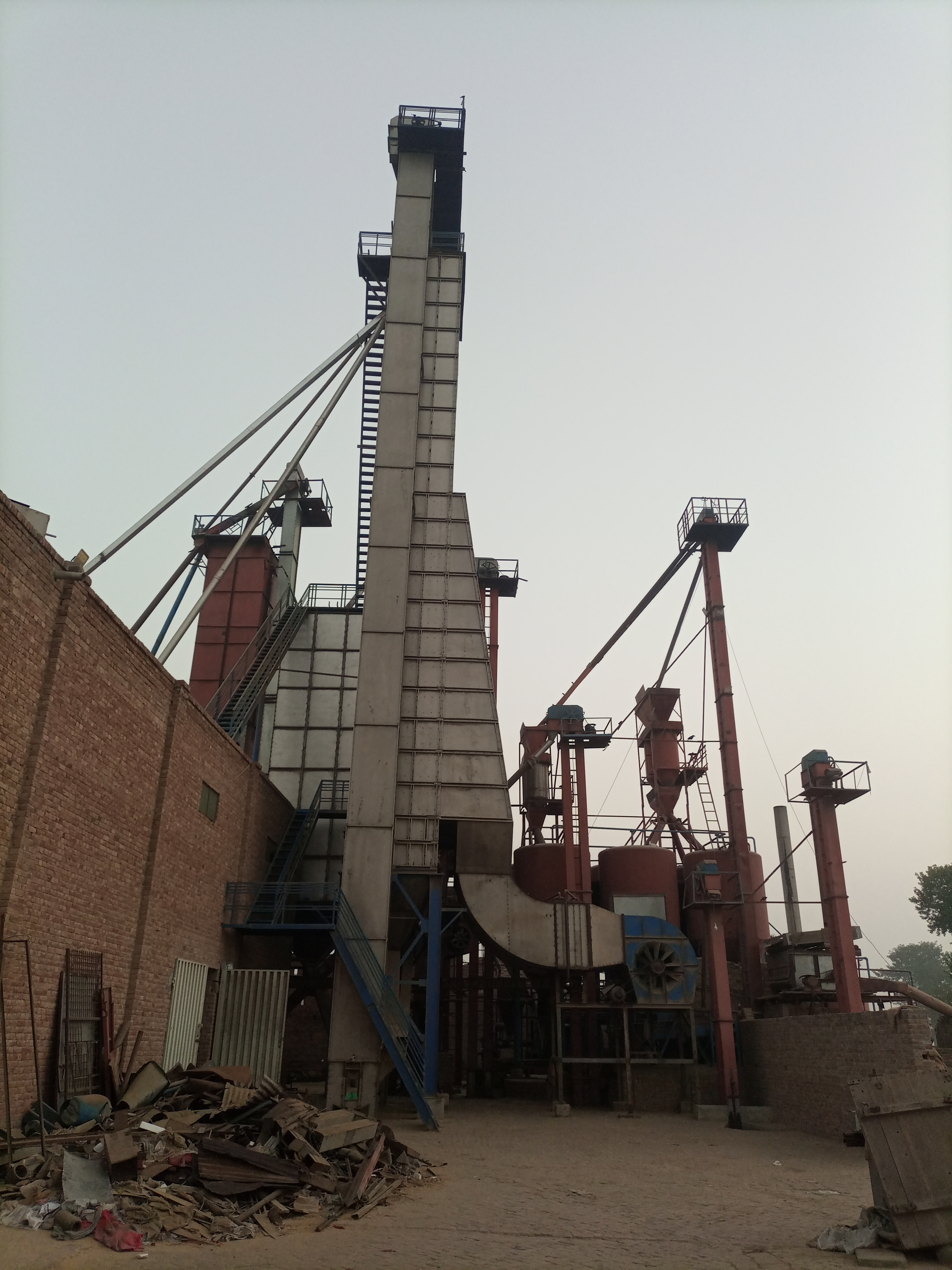
I took these pictures in the morning while out for a walk. I came across this spot on Rice Mill Road and decided to capture some images to share with my friends, so they could learn a bit about it too. Rice is consumed almost all over the world, and people everywhere enjoy eating it. In our region, biryani is prepared using rice; it is quite famous and tastes delicious.
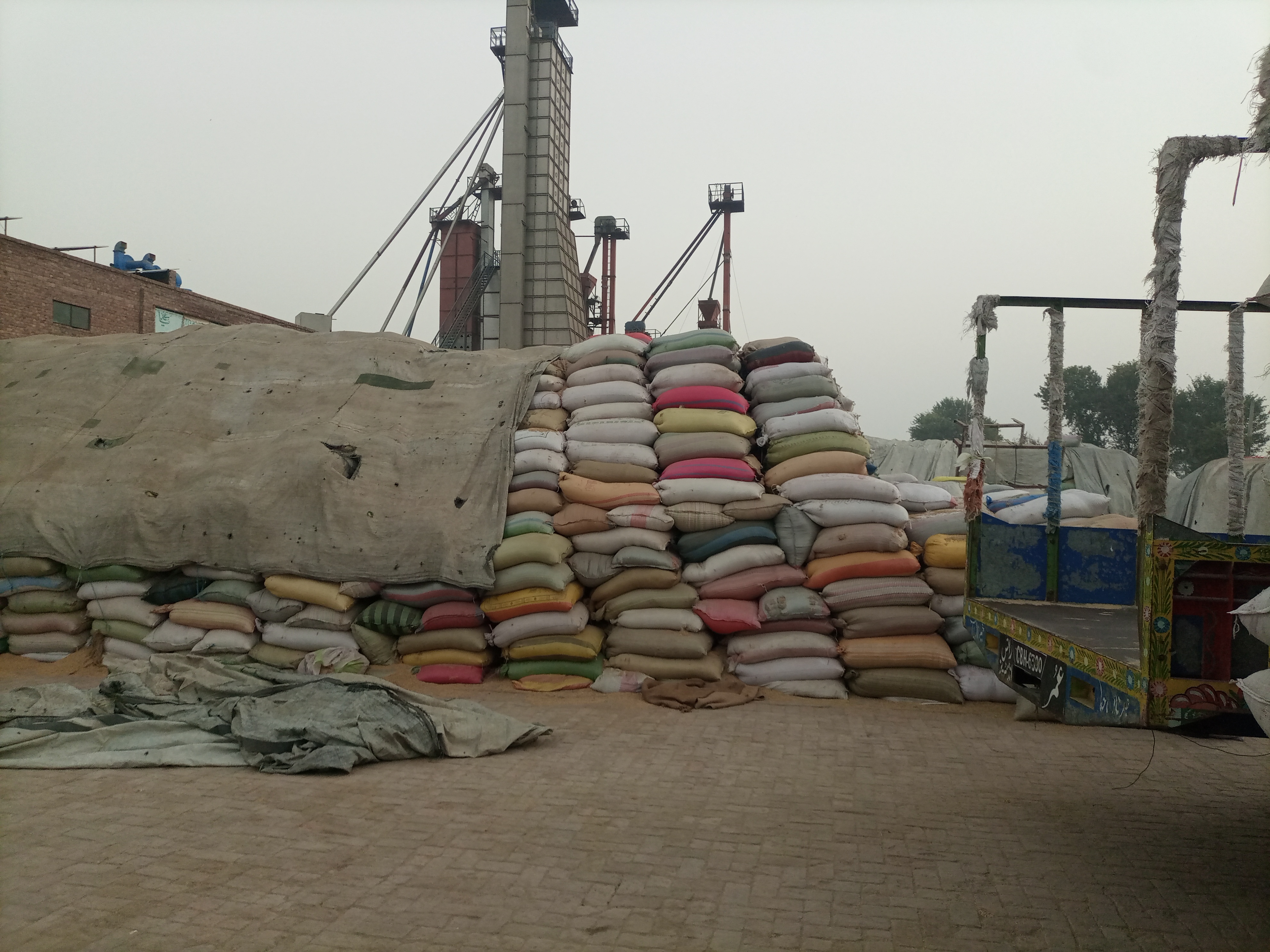
In our region, rice that still has its husk intact is called 'monji'. As you can see here, there is a large stock of this unprocessed rice; it is gradually processed to produce the final rice product, which is then sent to markets across the globe. Rice from our area is highly renowned, and the primary variety cultivated here is '1509'.
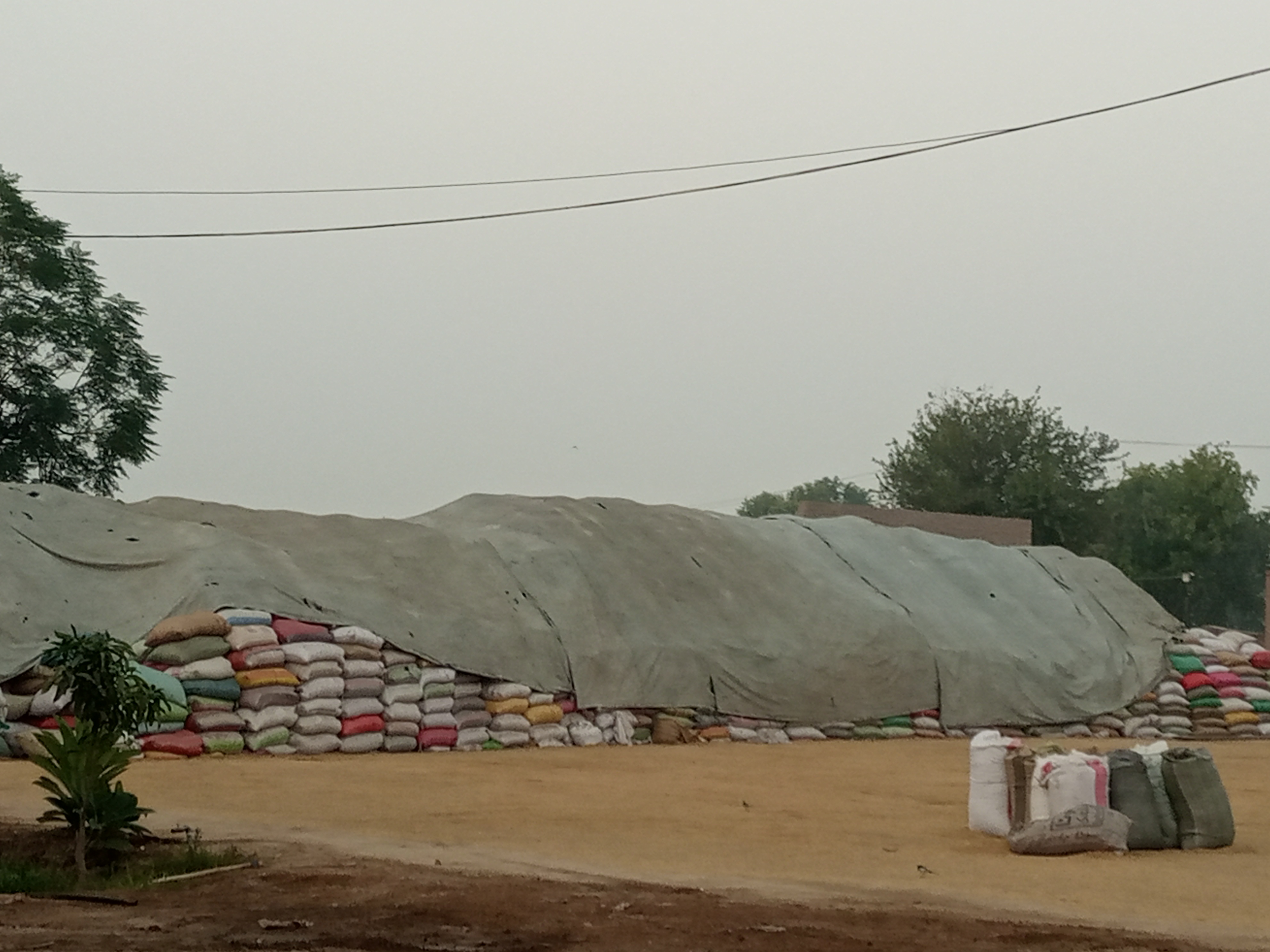
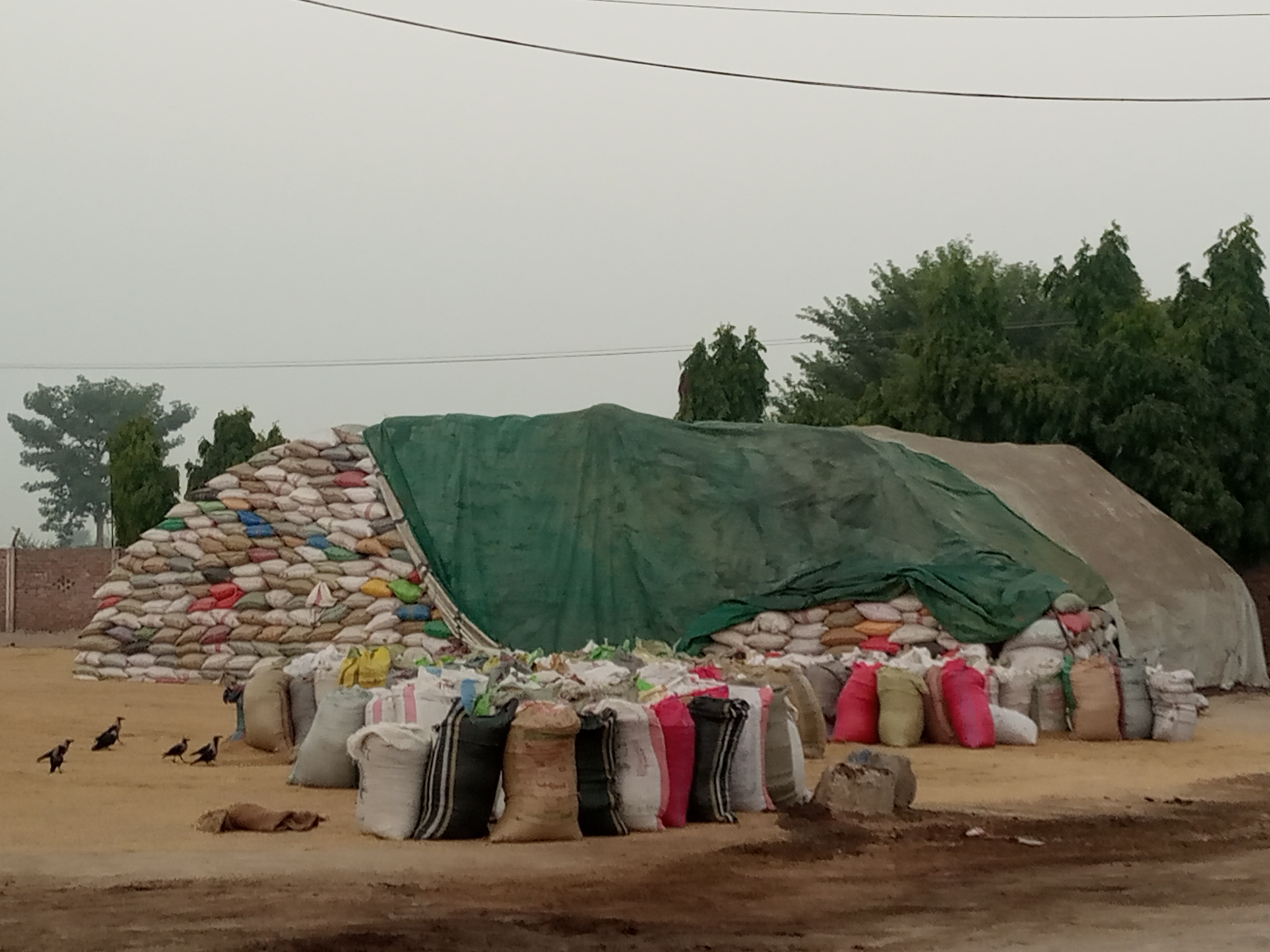
It was still early in the morning, so the workers had not yet arrived, and the processing plant was closed. I will explain the entire processing procedure to you another time detailing the steps the workers follow. The process begins with the procurement of the raw stock the paddy used to produce rice. As you can see, there are numerous large sacks filled with paddy, covered with tarpaulins to protect them from the rain.
 | 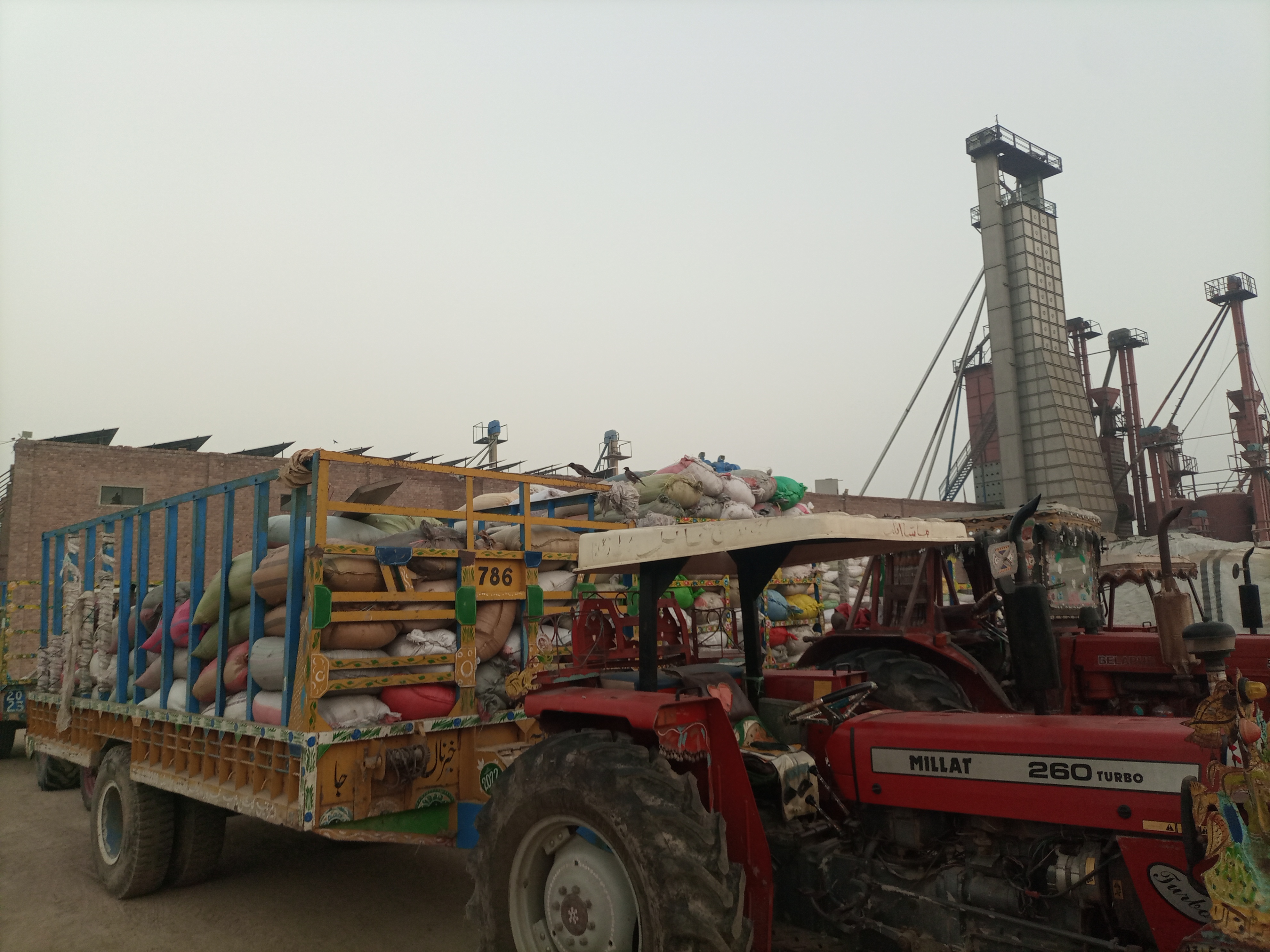 |
|---|
First, the paddy is boiled in water at a specific temperature, after which it is spread out on the ground to dry. Once the moisture has been removed and the paddy is completely dry, it is packed back into sacks and placed near the processing machinery. It is then fed into the machines in stages, where it undergoes various processes that separate the husk from the grain, yielding high-quality rice that is sold in markets across the globe.
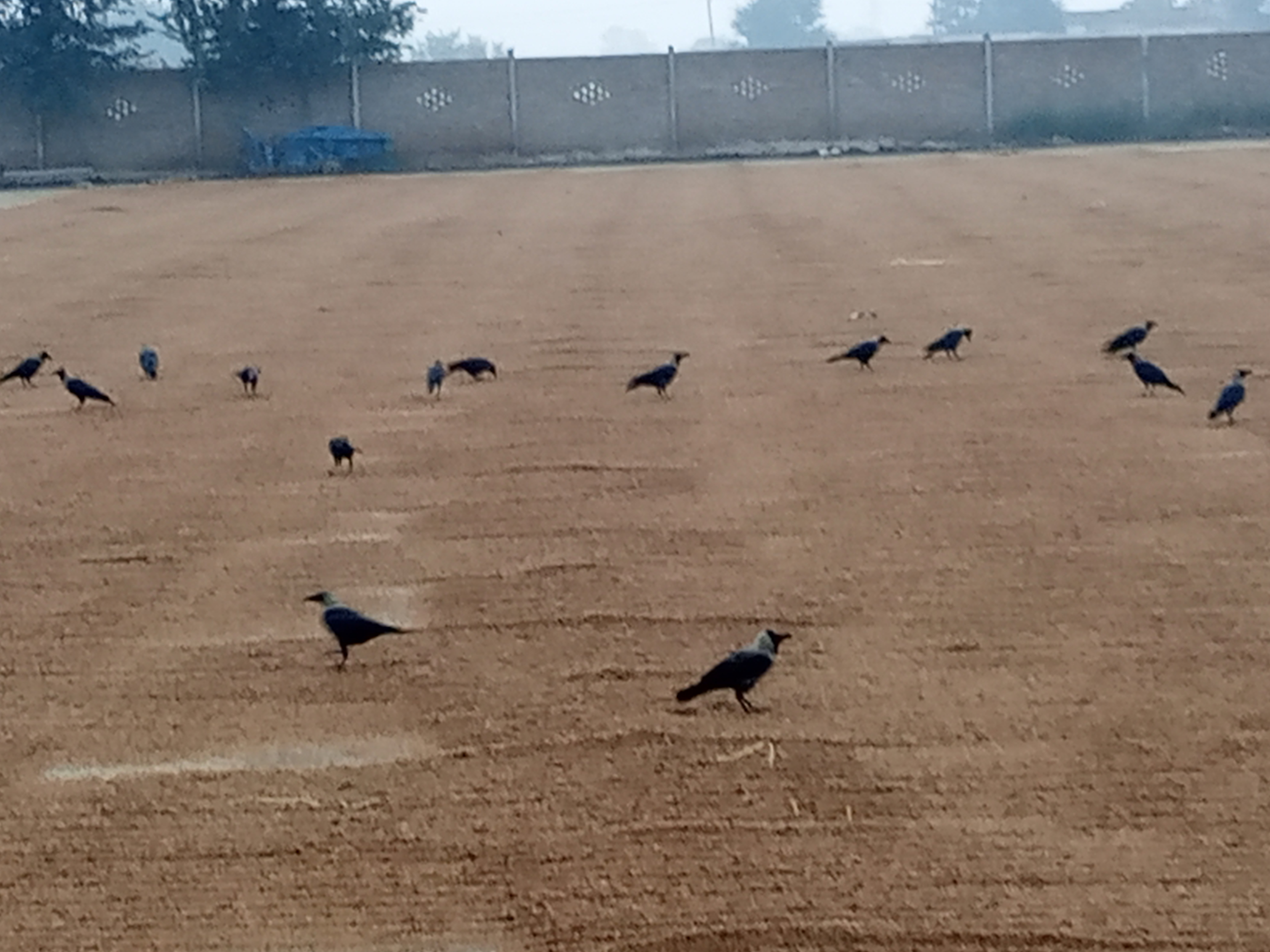
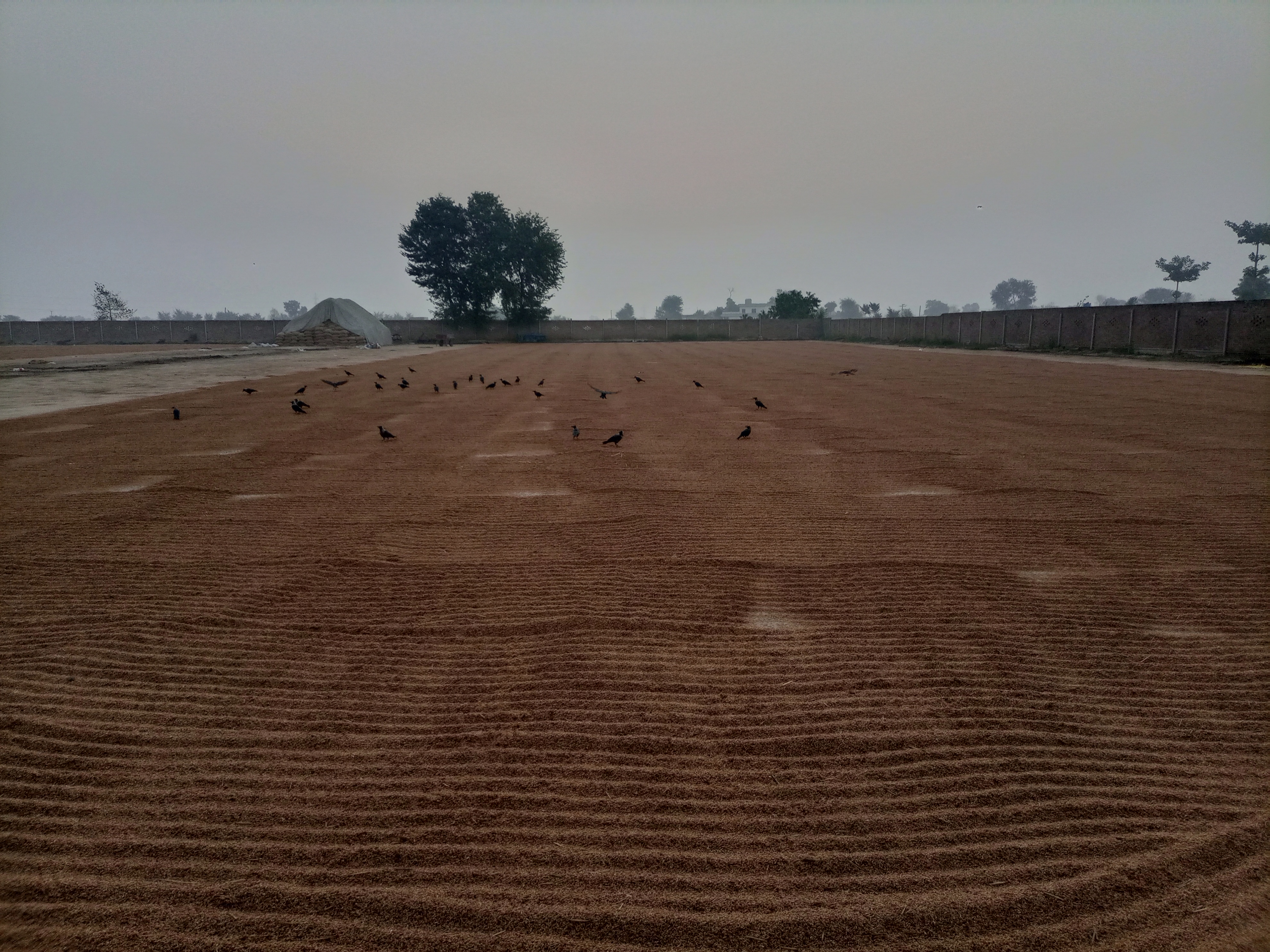
In this image, you can see paddy (unhusked rice) spread out on the ground to dry completely, which is necessary before the rice can be extracted. If it is not dried thoroughly, the grains tend to break, preventing the production of whole, intact rice. Since broken rice fetches a lower price, this results in a loss for factory owners. You can also see cattle in the picture, eating the paddy with great relish. It was early morning the sun had not yet risen when I took these photographs.
 |  |
|---|
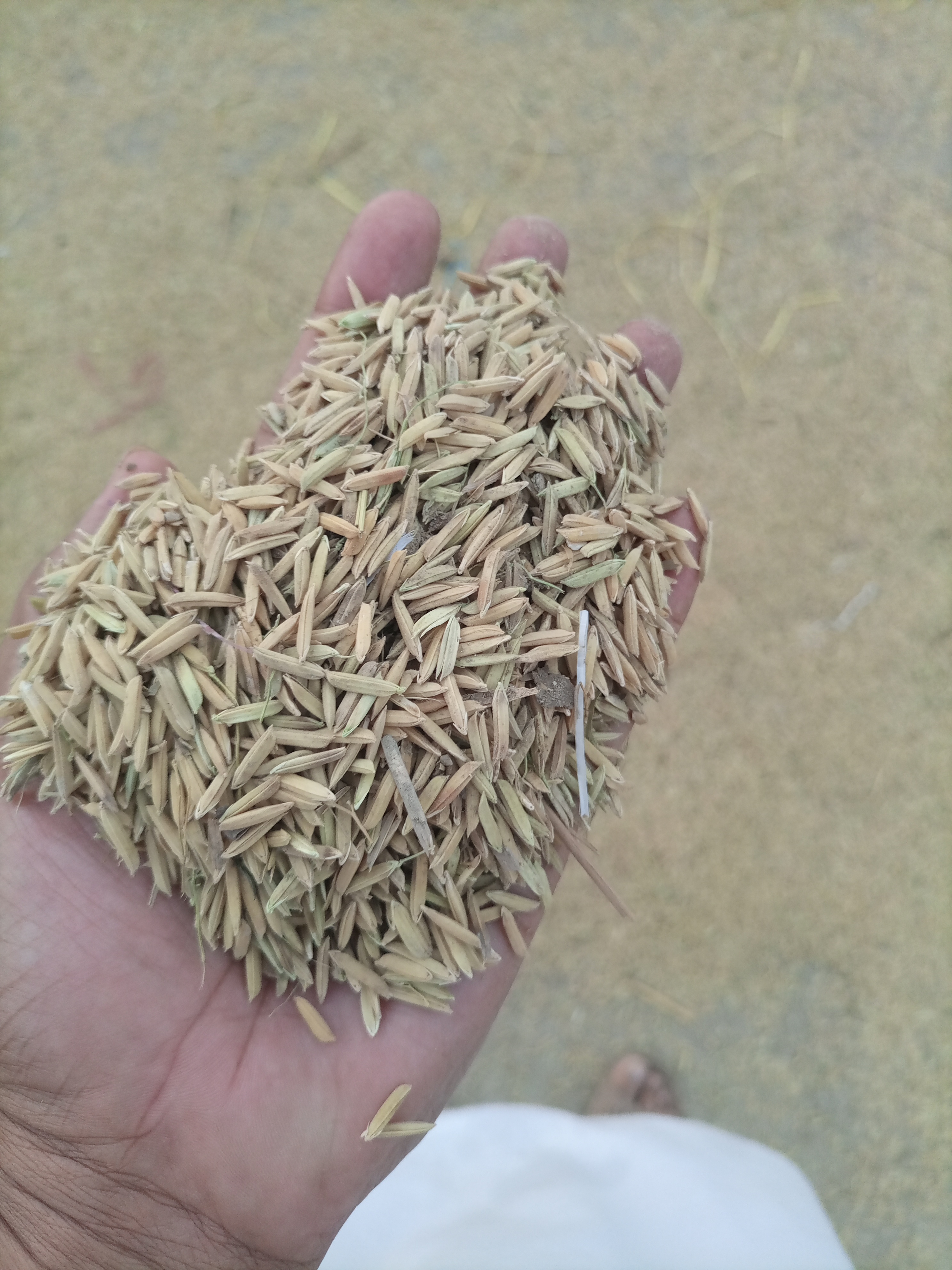
In this image, you can see paddy grains in my hand. These are completely fresh meaning they have not been boiled. Rice prepared after boiling is known as 'Sella' (parboiled) rice, while rice prepared without boiling is called 'Kachi' (raw/unboiled) Basmati. Some people prefer using Sella rice, while others favor Kachi Basmati. In the adjacent image, where the paddy is being dried, the grains have already been boiled under a specific, controlled temperature. Once dried, they will undergo a further process to extract the rice. I will show you the final rice shortly.
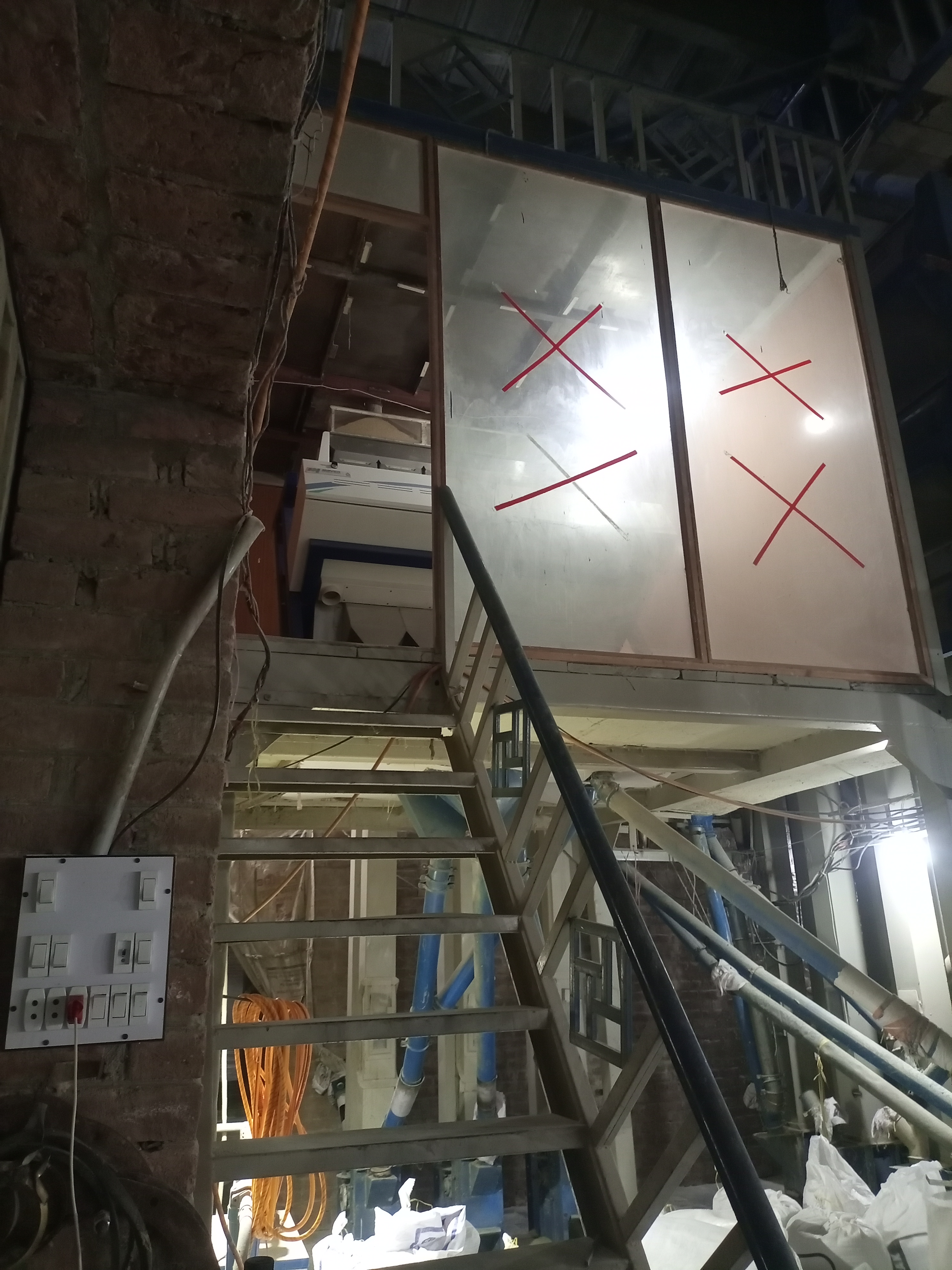
In this image, you can see a modern, automated machine installed to process rice. It skillfully sorts through the rice, identifying and separating any discolored or red grains. It operates with such precision that not a single grain is overlooked. Should a malfunction occur, the machine may begin to miss some grains; however, engineers promptly resolve the issue, allowing it to resume its operation. This machine plays a vital role in a rice mill, as it is responsible for segregating clean, high-quality rice from discolored, off-colored, or red grains. Essentially, the final stage of the entire rice processing workflow takes place through this machine.
 |  |
|---|
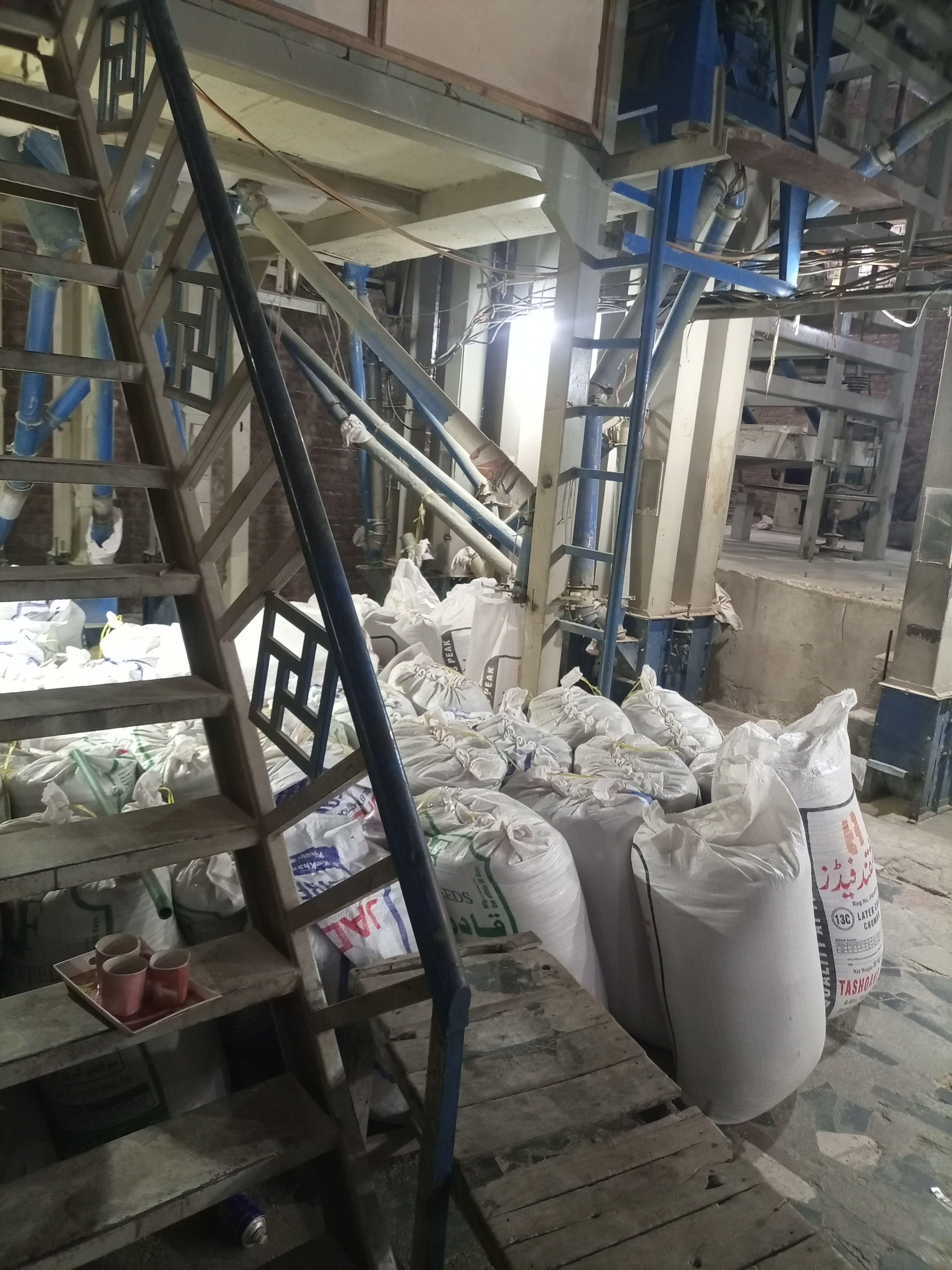
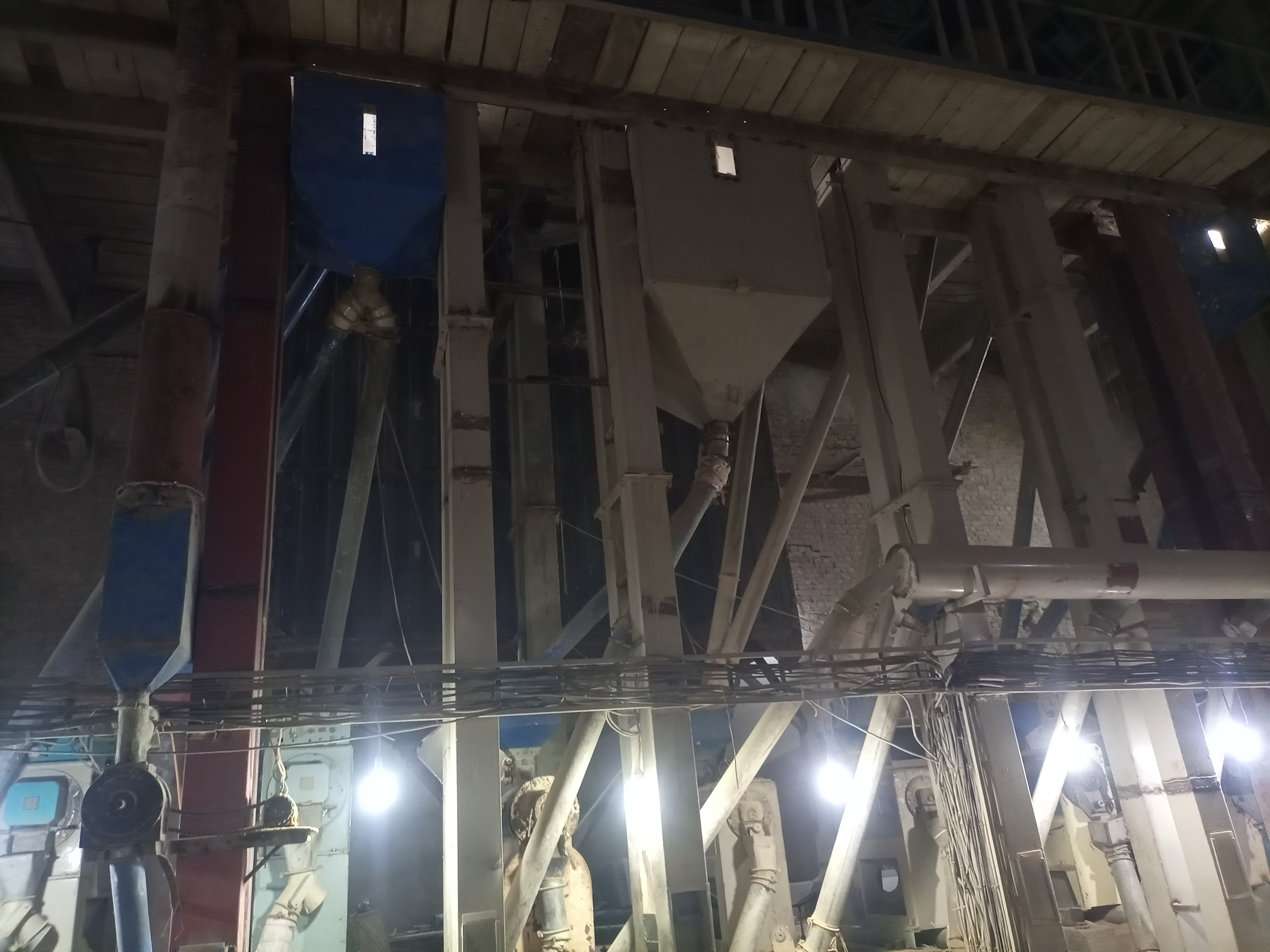
Here, you can see a multi-stage processing setup; however, no workers are present yet as it is still early in the morning. They will arrive shortly to begin their work. The rice passes through these machines in successive stages, which separate the husks from the grains. The rice is then moved into a computerized machine, after which it is packaged. As you can see, there are several sacks filled with rice. These sacks will be weighed according to the customer's specific requirements, labeled with the rice mill's brand, and finally sold to the customer.
 |  |
|---|
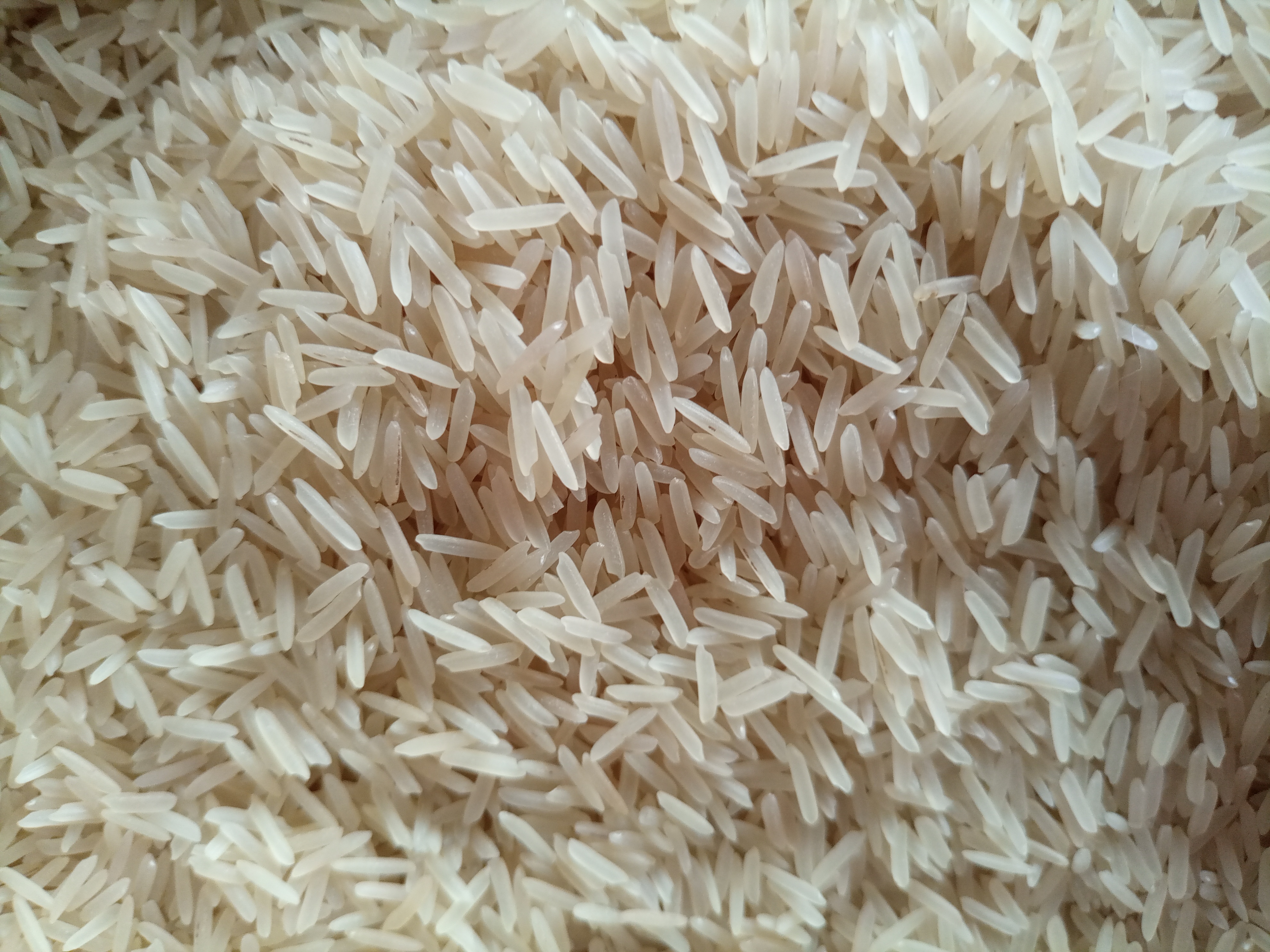
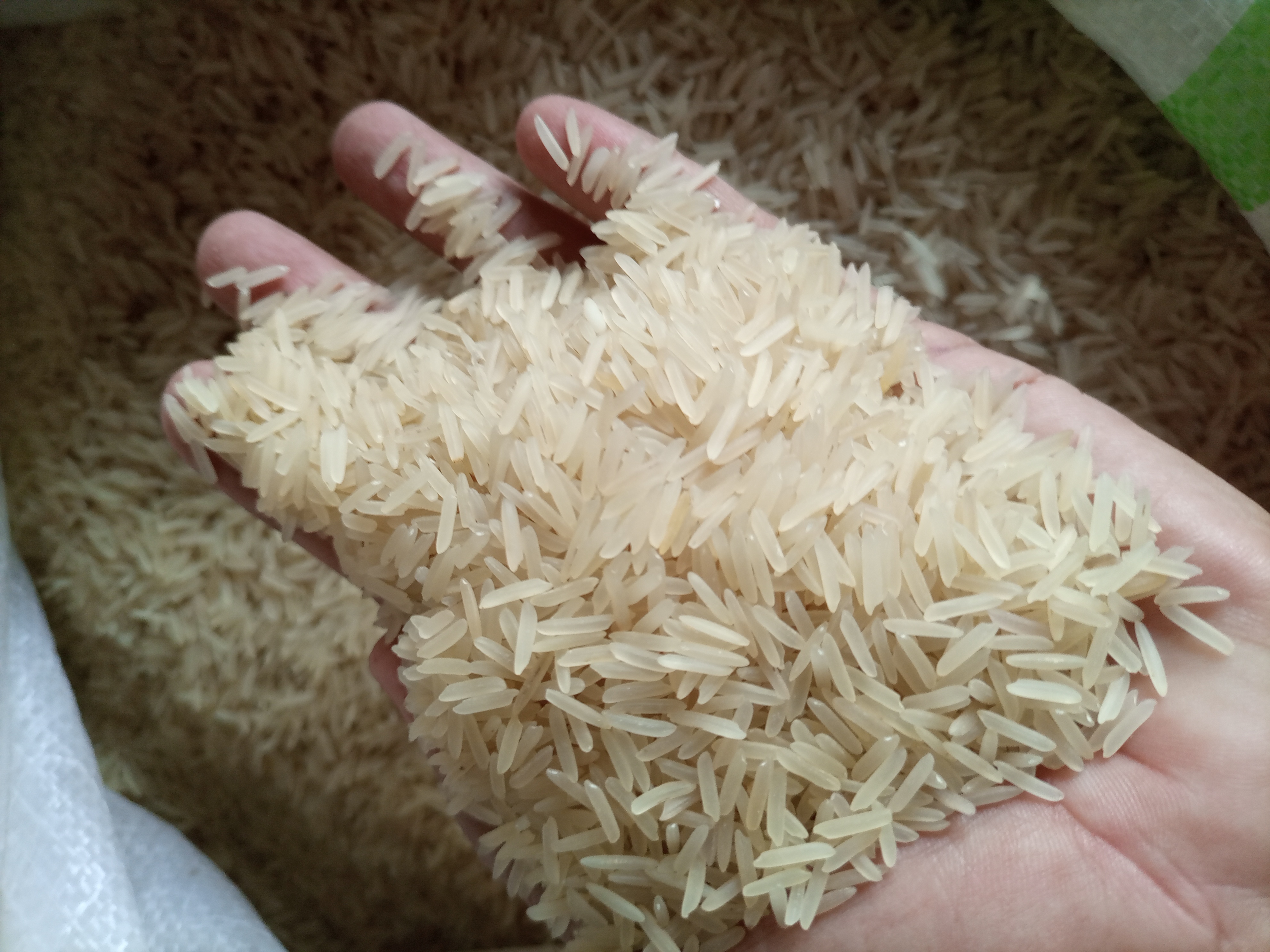
The rice you see in my hand is fully processed parboiled (sella) rice. You can use it to prepare dishes like biryani and sweet rice known in our language as zarda as well as various other items, including kheer (rice pudding). This is the finest rice from our region; it is in high demand globally and is enjoyed by many. It is distributed from our area throughout Pakistan, and indeed, our rice is renowned worldwide. As you can see in the image, the grains are pristine there are no broken or discolored grains, as they have been prepared through a specialized processing method. This is truly top-class rice.
I hope you all enjoy this post. I will take my leave now; let’s meet again with another new and interesting post.
Walaikum Assalam! Very informative post.
You explained the whole rice processing from monji to final Sella rice very clearly. I never knew that rice is boiled and then dried before machine processing to avoid breaking.
Your early morning photos are so natural and original, especially the paddy in your hand and the drying process. The detail about 1509 variety and sorting machine is great.
Thank you for sharing knowledge about our area's famous rice. Good work!
Thanks for visit my post, Soon I write more about Rice again.
Thank you for sharing this meaningful and amazing photography with us, i also like the processing of the rice mills you shared with us is truely appreciated and i did not see the mill before and this is my first time to abserving the rice mill, rice is the most important part of our life, it is used in every home, restaurants, wedding functions, small cafe's as well as schools and colleges acfes as well. it is very important for us and peoples really liked it, specially homemade biryani, fried rice, pulao and much more, i really appreciate your amazing photography and meanigful diary that shared with all of us.
#s34engagement
Thank you very much for taking the time out of your busy schedule to read this post in its entirety, gain information from it, and enjoy it. Rice has always been a necessity; it plays a vital role in combating malnutrition and is consumed and will continue to be consumed all across the world.
#s34engagement
Ese dato de la variedad '1509' y el nombre 'monji' para el arroz con cáscara no lo conocía. ¿Las lonas que cubren los sacos aguantan bien la humedad de la mañana o terminan filtrando?
curated by suboohi
This good and I love it thanks for sharing