What makes the Great Wall of China so famous?
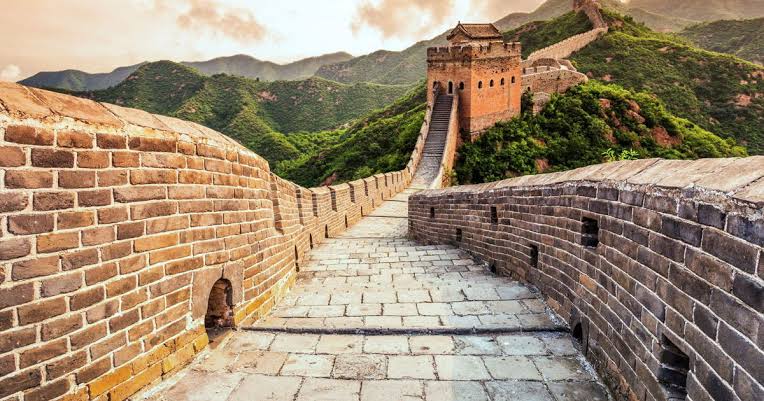
The Great Wall of China is world-famous not just for its staggering physical scale, but for its profound historical and engineering significance. Spanning over 13,000 miles (21,000 km) across northern regions, it is the longest man-made structure in human history. However, its legendary status comes from a combination of unique factors:
- Millennia of History: Built, rebuilt, and expanded by multiple dynasties over more than 2,000 years—beginning as early as the 7th century BC and seeing its most famous architectural enhancements during the Ming Dynasty—the wall maps the evolution of Chinese military strategy.
- Genius Engineering: Rather than a single continuous line, it is an intricate network of walls, natural barriers, garrison stations, and sophisticated beacon towers that once served as an ancient early-warning and communication system.
- Cultural Symbolism: Beyond acting as a physical defense against northern nomadic tribes and a protector of the Silk Road, the wall represents the resilience, unity, and ambition of Chinese civilization.
Today, as a UNESCO World Heritage Site, it captures the imagination of travelers worldwide, standing as an enduring testament to human perseverance and ingenuity.