Tech Blog #276 | Sony Xperia 10 VIII : A Good Compact Phone That Sony Barely Changed..
The Sony Xperia 10 VIII feels like one of the safest smartphone updates #Sony has made in recent years. Sony has kept almost everything that made the Xperia 10 VII what it was, but the problem is that Sony has also increased the price quite a lot.
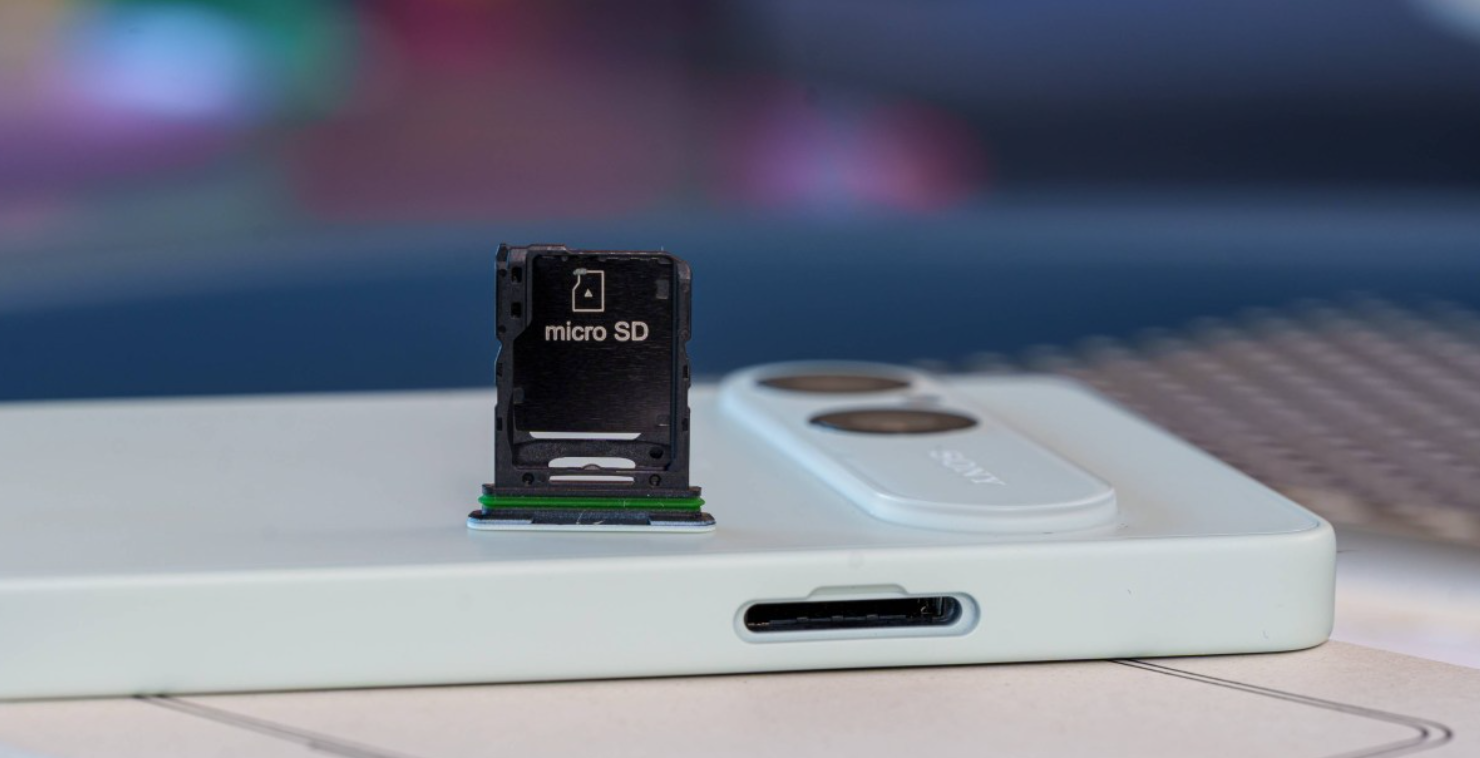
The #Xperia 10 VIII still has some qualities that are becoming difficult to find on modern smartphones. It is compact, lightweight, has a 3.5mm headphone jack, supports microSD cards up to 2TB, and keeps Sony's clean and simple approach. But at around €599, it is now competing against phones with much stronger hardware. This makes the Xperia 10 VIII a phone that is easy to like, but much harder to recommend.
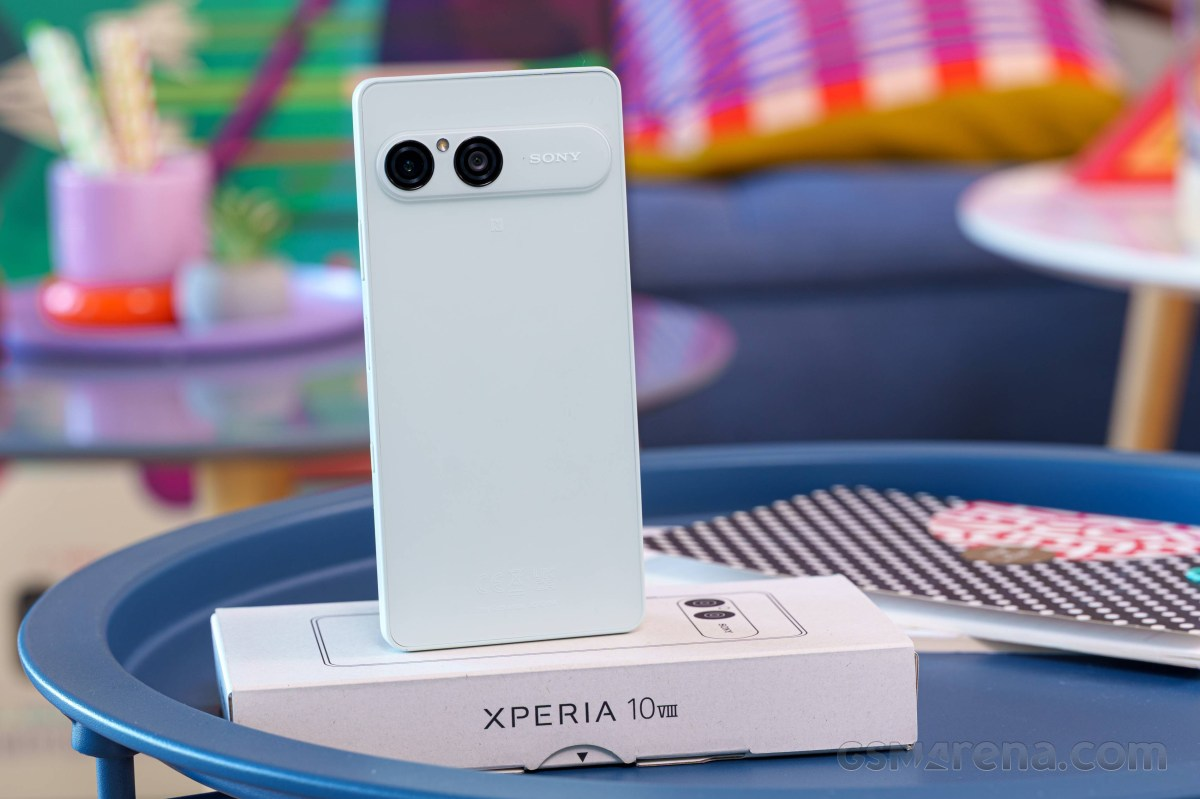
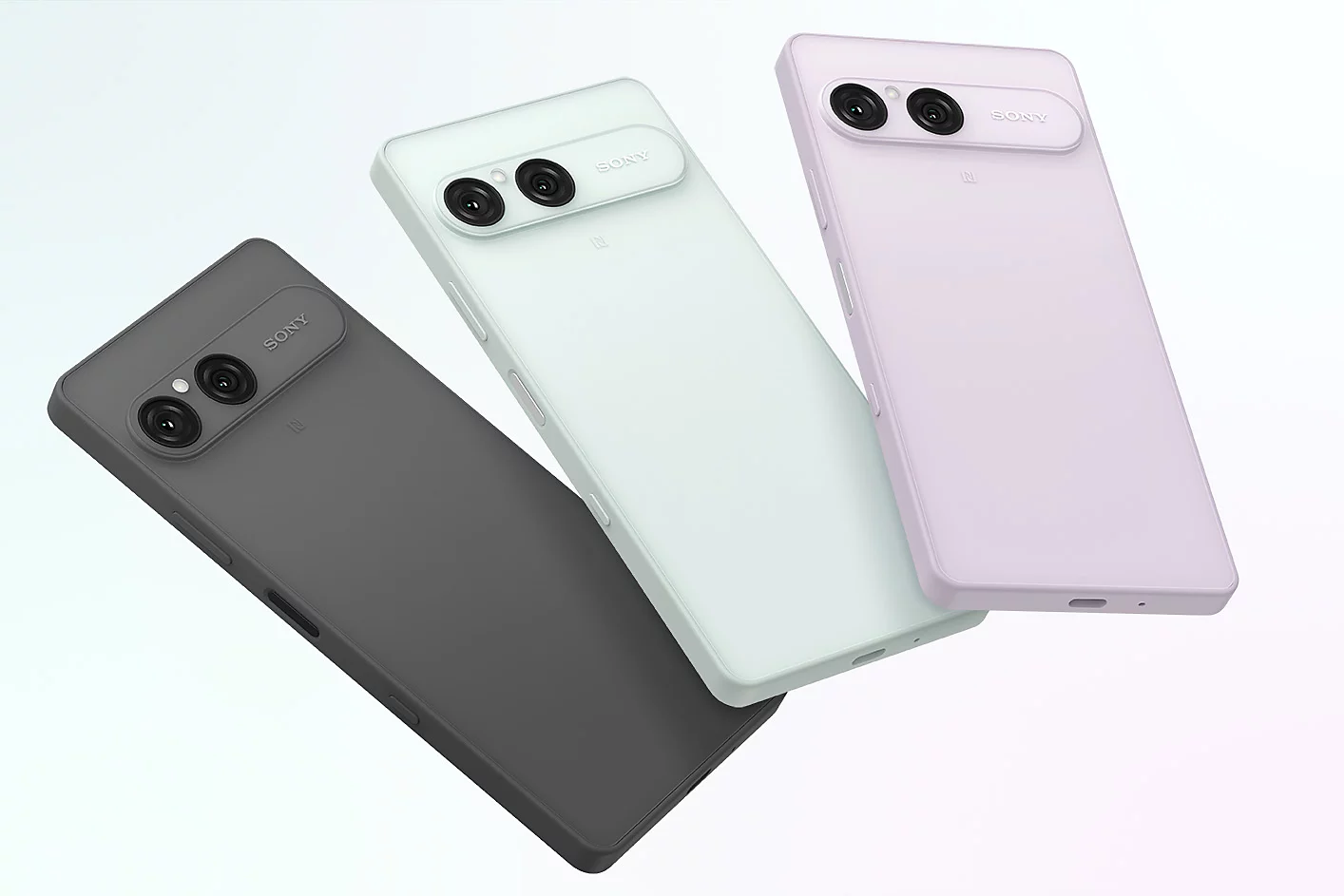
The design remains one of the strongest parts of the phone. Sony uses a compact 6.1-inch body that weighs only 168g, making it much easier to hold than most modern smartphones. The new translucent rear panel gives the phone a slightly more interesting appearance, while the flat sides and horizontal camera bar continue the familiar Xperia design. Sony also keeps IP65/IP68 water and dust resistance, which is excellent to see on a mid-range phone. The thick bezels around the display may look slightly old-fashioned, but they also allow Sony to keep front-facing stereo speakers without using a punch-hole camera.
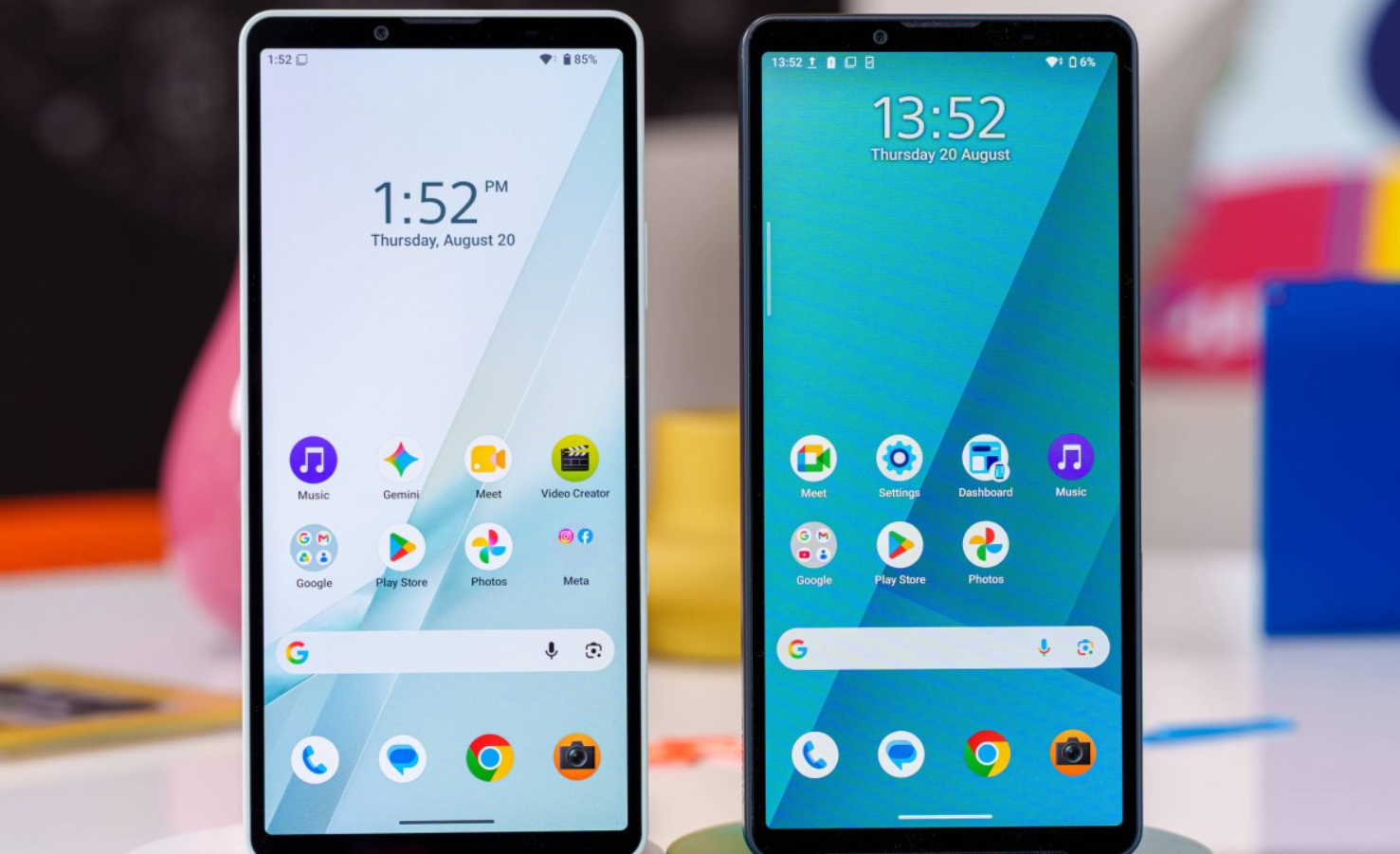
The display is good, but not completely new. Sony uses a 6.1-inch OLED panel with Full HD+ resolution and a 120Hz refresh rate. Colors look good, blacks are deep, and the high refresh rate makes scrolling smooth. The biggest improvement this year is brightness. Sony says the screen can be up to 50% brighter than the previous model, which should make outdoor viewing much easier. However, the resolution and basic panel specifications remain unchanged. For a phone costing €599, it would have been nice to see a more advanced display.
Performance is probably the biggest disappointment. The Xperia 10 VIII uses the same #Snapdragon 6 Gen 3 processor with 8GB of RAM as the previous generation. Everyday tasks such as messaging, browsing, watching videos, and using social media are handled without major problems. Casual gaming is also fine. But this is not a phone for demanding gaming or heavy applications. The real problem is that Sony has not improved the performance hardware at all while increasing the price.
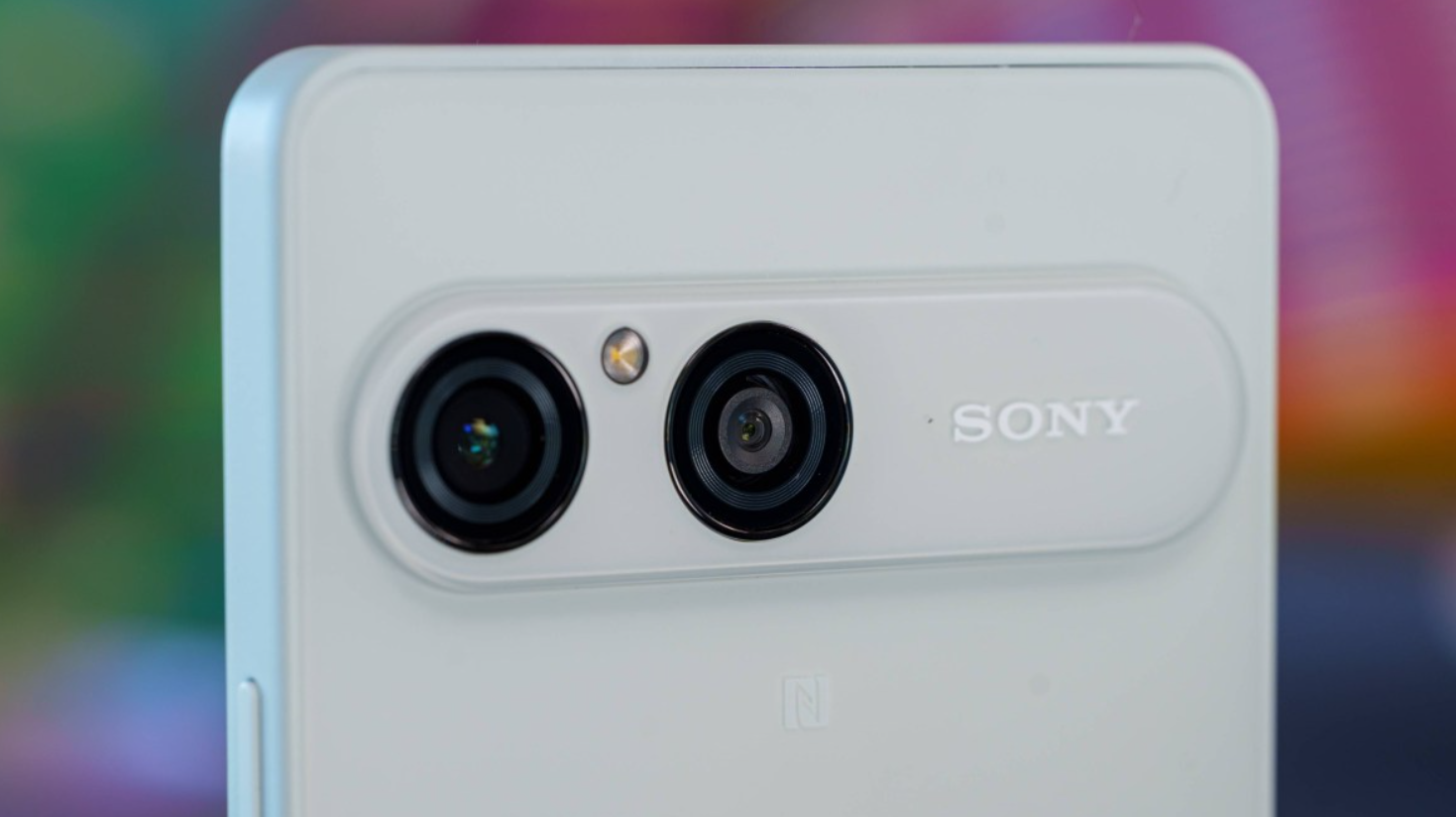
The camera system is also almost exactly the same. Sony uses a 50MP main camera with OIS, a 13MP ultrawide camera, and an 8MP selfie camera. The main camera can take good photos in daylight, with Sony's more natural image processing instead of the very strong processing used by some Chinese brands. OIS also helps with low-light photography and video. However, the ultrawide camera is much more basic, and there is still no dedicated telephoto camera. At this price, the camera system feels more like a budget phone than a €599 smartphone.
Battery life should be one of the better parts of the phone. The 5000mAh battery remains unchanged, but the relatively small display and mid-range processor should help the Xperia 10 VIII comfortably last a full day. Sony also continues its Battery Care features, which are designed to reduce battery degradation over time. However, charging is still limited to 30W, which feels quite slow when many competitors now offer much faster charging.
Audio is an area where Sony continues to be different. The Xperia 10 VIII keeps front-facing stereo speakers, and Sony says the new model offers up to 15% higher volume and stronger bass compared with the previous generation. More importantly, Sony keeps the 3.5mm headphone jack, which is becoming increasingly rare. The microSD card slot is another useful feature, especially because the phone only comes with 128GB of internal storage. These small features make the Xperia 10 VIII much more attractive to users who still care about expandable storage and wired audio.
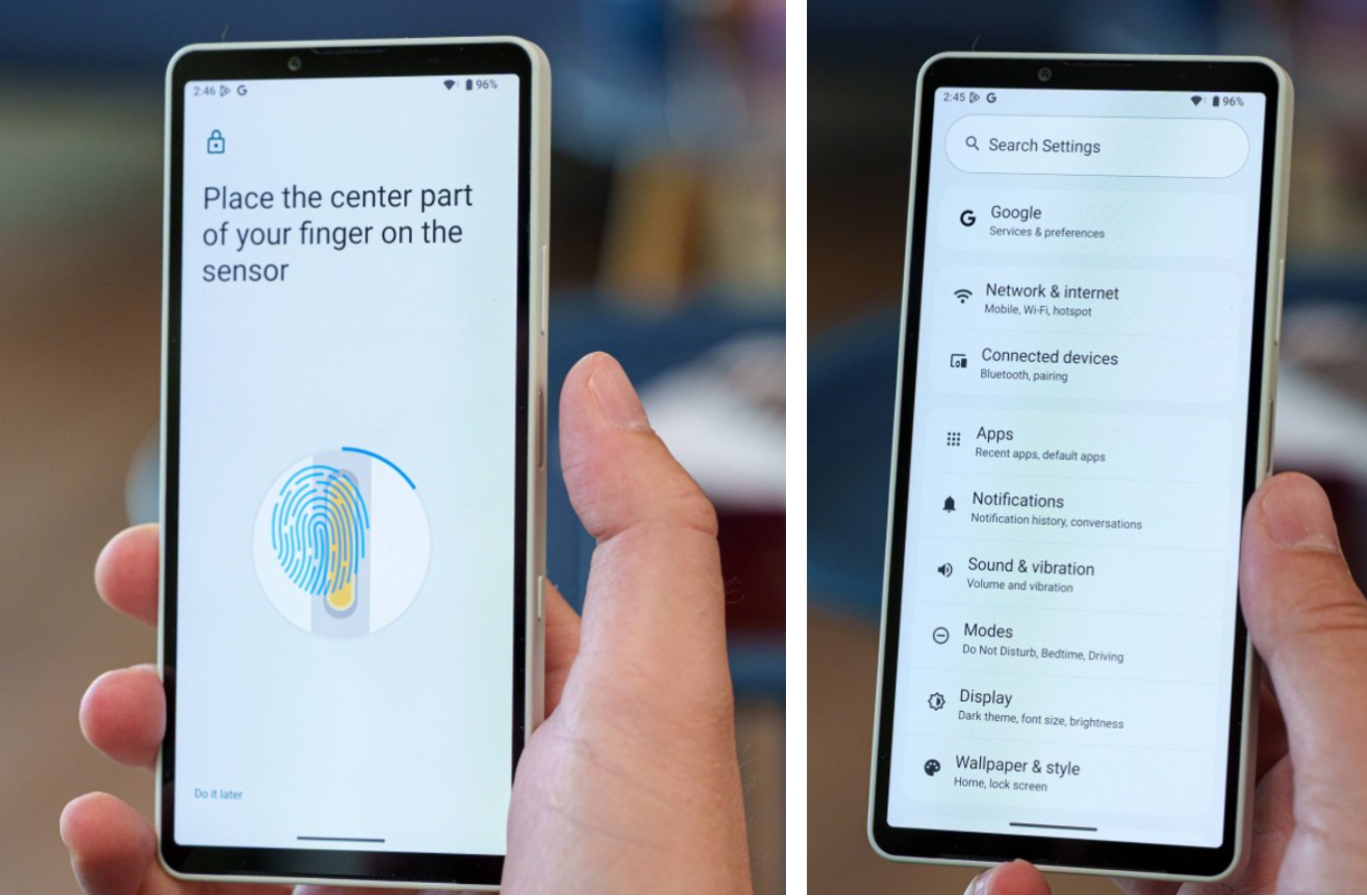
On the software side, the phone runs #Android 16 and Sony promises four major Android updates together with six years of security updates. The interface stays relatively clean and close to stock Android, without too much unnecessary software. Sony's simple approach will be appreciated by users who do not want a heavily customized Android experience. Long-term software support is also a strong point for a mid-range phone.
There are still a few drawbacks:
The Snapdragon 6 Gen 3 processor is carried over from the previous generation.
Camera hardware is almost completely unchanged.
30W charging is slow compared with many competitors.
Only 128GB of internal storage is available, although microSD support helps.
Thick bezels make the phone look slightly outdated.
The €599 launch price is difficult to justify.
The US market does not appear to be getting the phone, which further limits its availability.
The Sony Xperia 10 VIII is actually a nice phone in many ways. It is compact, lightweight, durable, easy to use, has good battery life, a nice OLED display, stereo speakers, a headphone jack, and microSD support. These are features that many manufacturers have already abandoned.
But Sony has made one major mistake with this generation: the price does not match the hardware improvements. The phone is almost the same as the Xperia 10 VII internally, while the price has increased from around €449 to €599 in Europe. That makes the Xperia 10 VIII much harder to recommend, especially when competing phones offer better processors, cameras, and charging at similar or lower prices.
If you want a small and lightweight Android phone with a headphone jack, microSD support, good durability, clean software, and long battery life, the Xperia 10 VIII is still an interesting option. But if you want the best performance, camera quality, or value for money, there are much stronger choices available. The Xperia 10 VIII does not feel like a bad phone. It simply feels like Sony took last year's phone, made a few small improvements, and then asked for much more money.