Tech Blog #281 | Apple iPhone Duo: Impressive for the 1st Generation...
The Apple iPhone Duo is the phone many Apple fans have been waiting for. #Apple has finally entered the foldable phone market, and instead of simply copying the Galaxy Z Fold design, the company has tried to make the #foldable experience feel like a normal iPhone. When closed, you get a compact 5.4-inch phone, and when opened, it becomes a much larger 7.6-inch device for watching videos, gaming and multitasking. Apple is entering this market late, but the Duo feels like a serious first attempt.
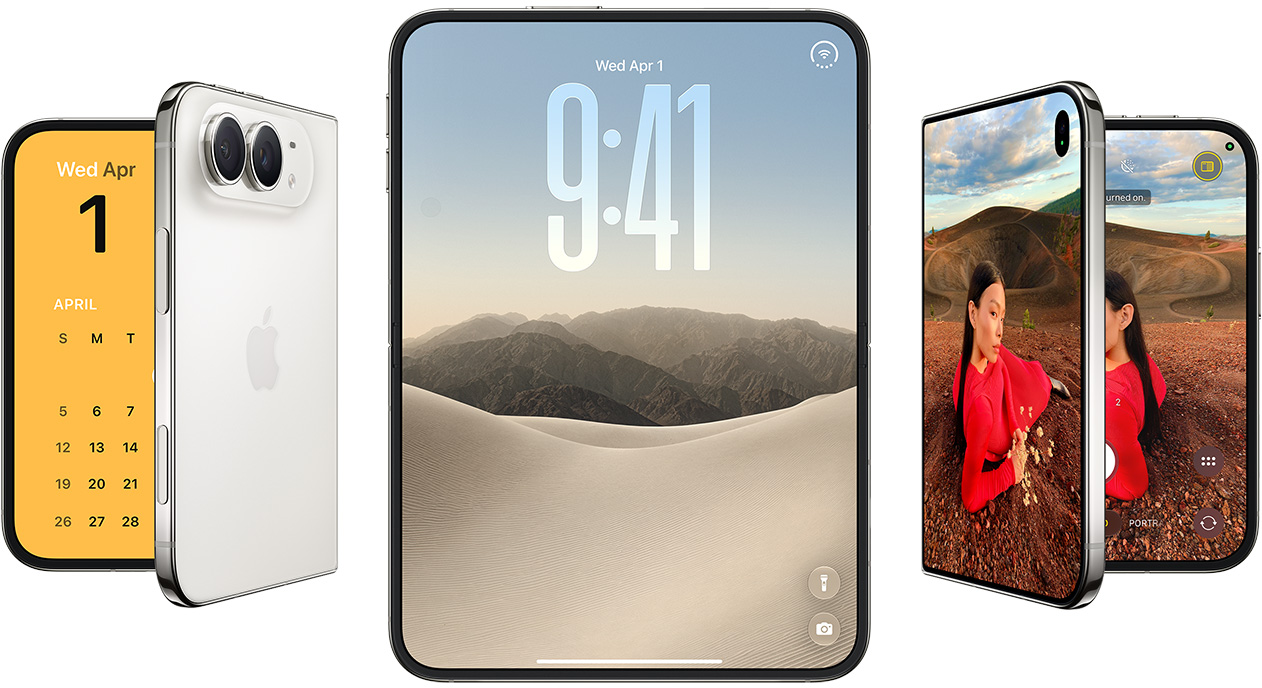
The biggest thing about the #iPhone Duo is that Apple has focused heavily on making the hardware feel premium. It uses a titanium frame, Ceramic Shield 2 protection and a custom hinge. When opened, the phone is only 5.2mm thick, although it weighs 254g. That is still heavy compared with a normal iPhone, but quite impressive for a foldable with this much hardware inside. Apple also gives it an IP68 rating, which is something I always like to see on an expensive foldable.
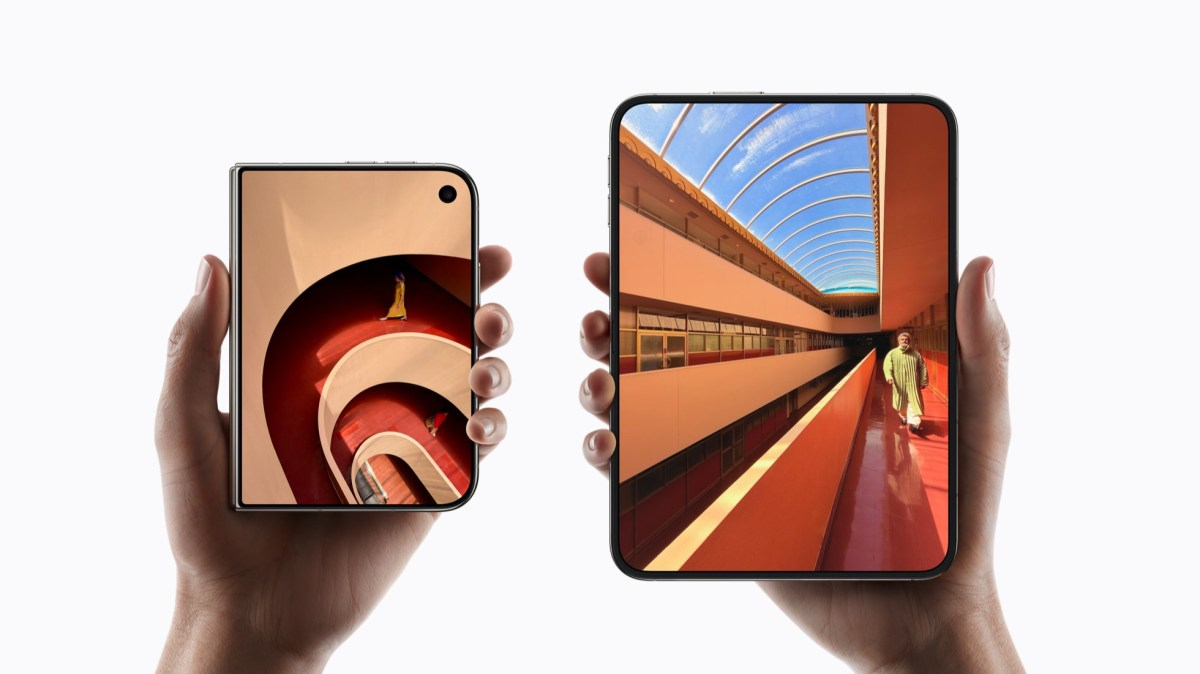
The displays are probably the best part of the Duo. The inner screen is a 7.6-inch Super Retina XDR OLED with a 2670 × 1878 resolution, while the outer screen is 5.4 inches with a 2034 × 1398 resolution. Both screens support ProMotion up to 120Hz, Always-On display and up to 3,000 nits outdoor brightness. Apple has also used a nano-texture finish on the inner display to reduce reflections. More importantly, both displays use similar proportions, so apps and content can move between the two screens without feeling completely different.
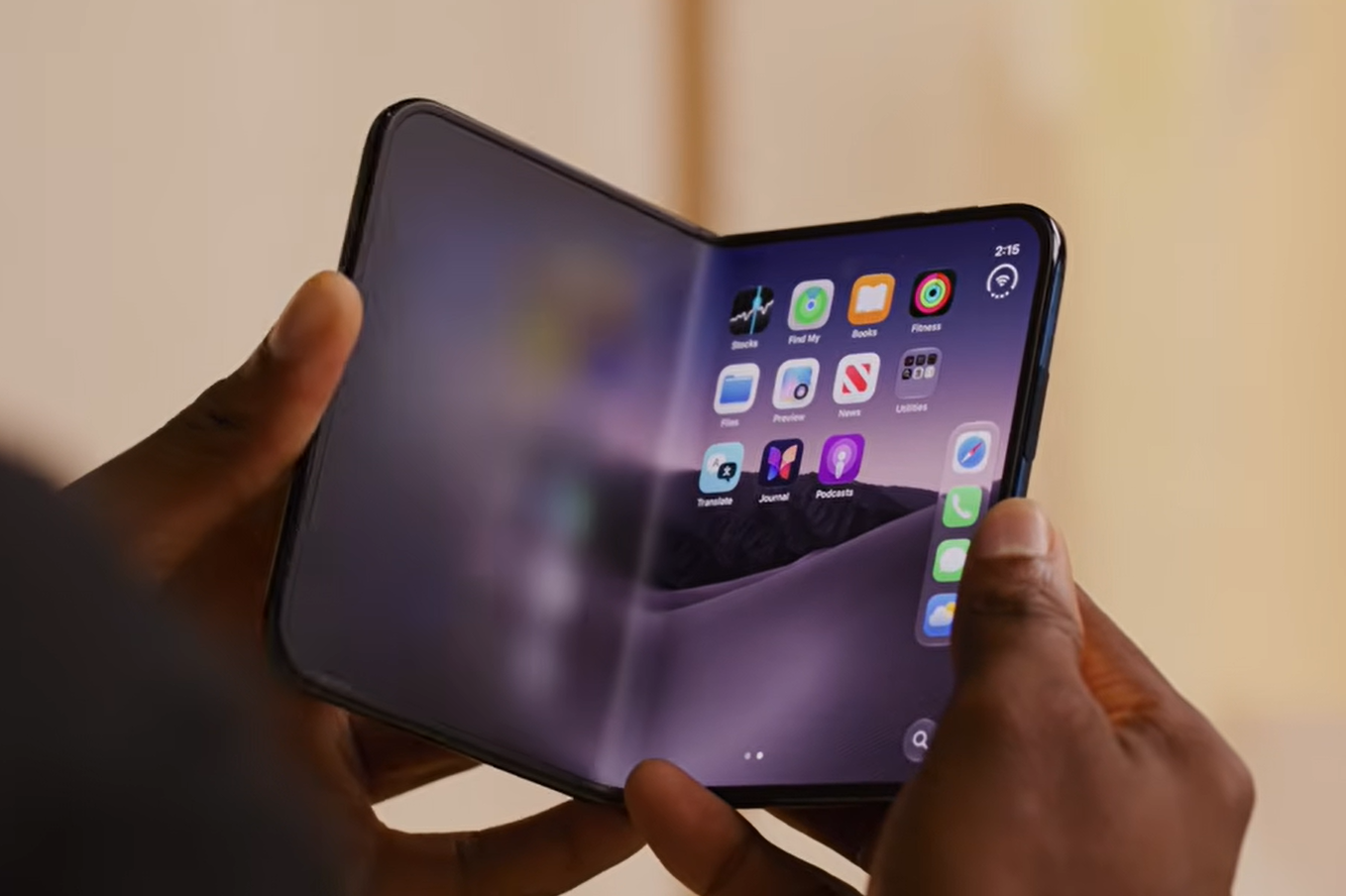
Apple has also done something interesting with the foldable screen itself. Instead of making the Duo feel like two completely different devices, iOS is designed to take advantage of the larger screen. You can use multiple apps side by side, get more space for productivity and use the large display more like a small tablet. Apple Pencil support also makes the inner screen more useful for notes, drawing and other creative work. This is where the Duo can offer something a normal iPhone simply cannot.
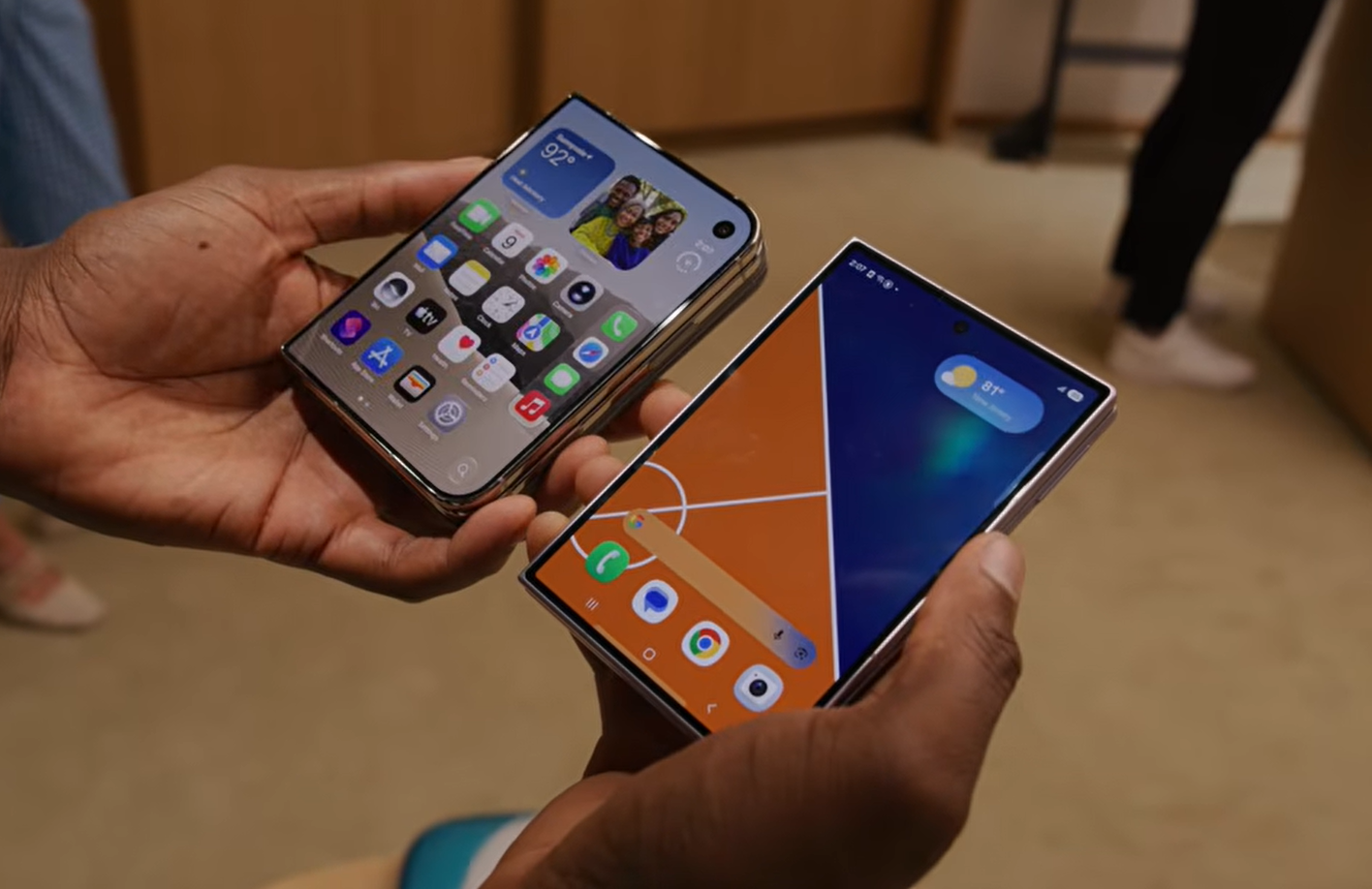
Performance should not be a problem. The iPhone Duo comes with Apple's A20 Pro chip, which gives it flagship-level performance for gaming, video editing and multitasking. Apple has also added a custom vapour chamber and improved thermal management because foldable phones have less internal space for cooling. The A20 Pro is also used with Apple's new C2 modem.
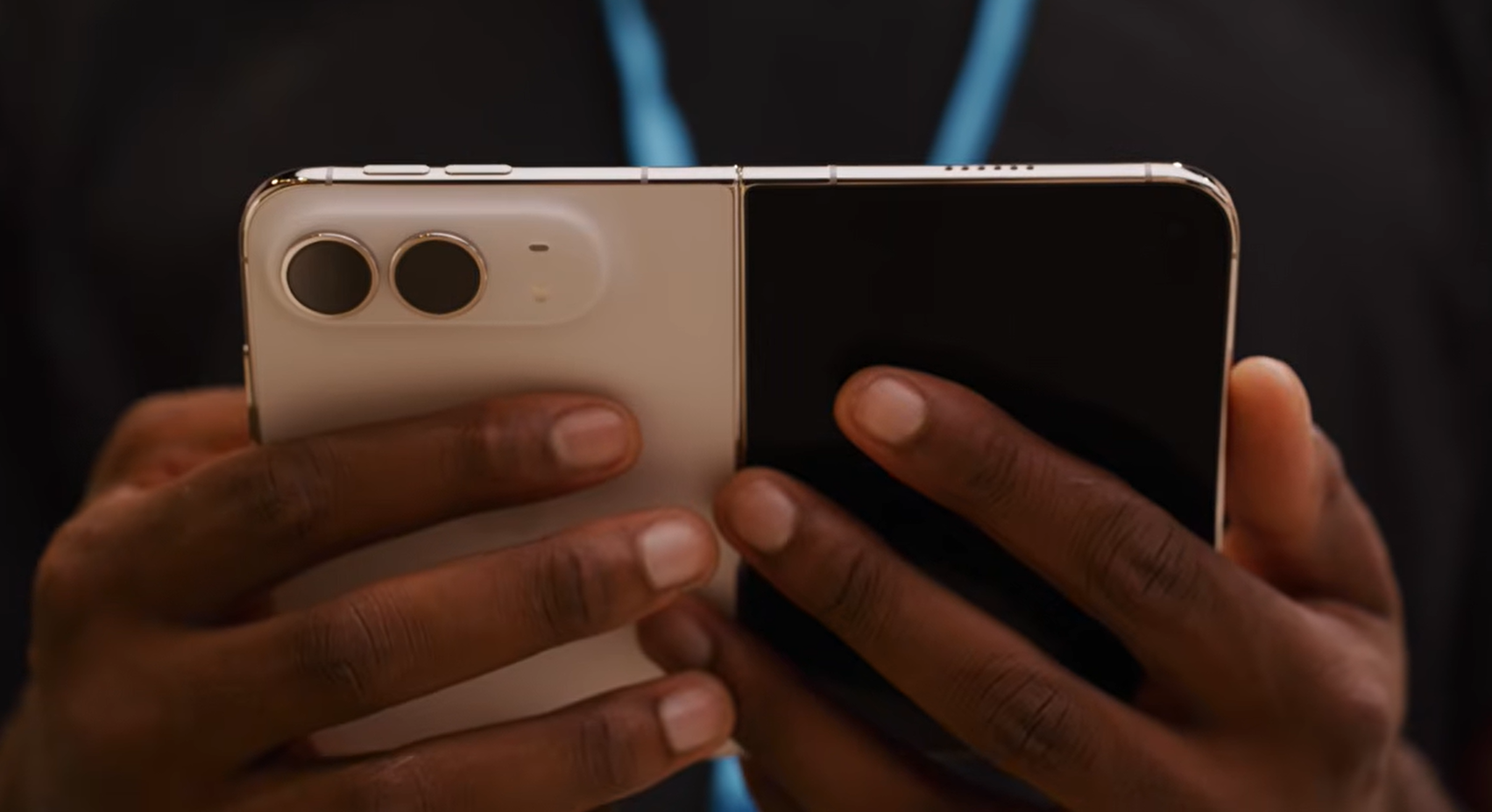
The camera system is more interesting than I expected, but it is not the most impressive part of the phone. The Duo has a 48MP dual-camera system, with a 48MP main camera and a second 48MP camera for wider photography. Apple is clearly focusing more on making the cameras good enough while giving more attention to the foldable design. If you are buying an iPhone mainly for photography, the iPhone 18 Pro models may still make more sense.
Battery life should also be good enough for a full day, which is important because the large inner display can consume a lot of power. Apple uses a dual-battery design and advanced thermal management inside the Duo. It also supports MagSafe and Qi2 wireless charging up to 25W. USB-C is used for wired charging and supports USB 3 speeds up to 10Gbps.
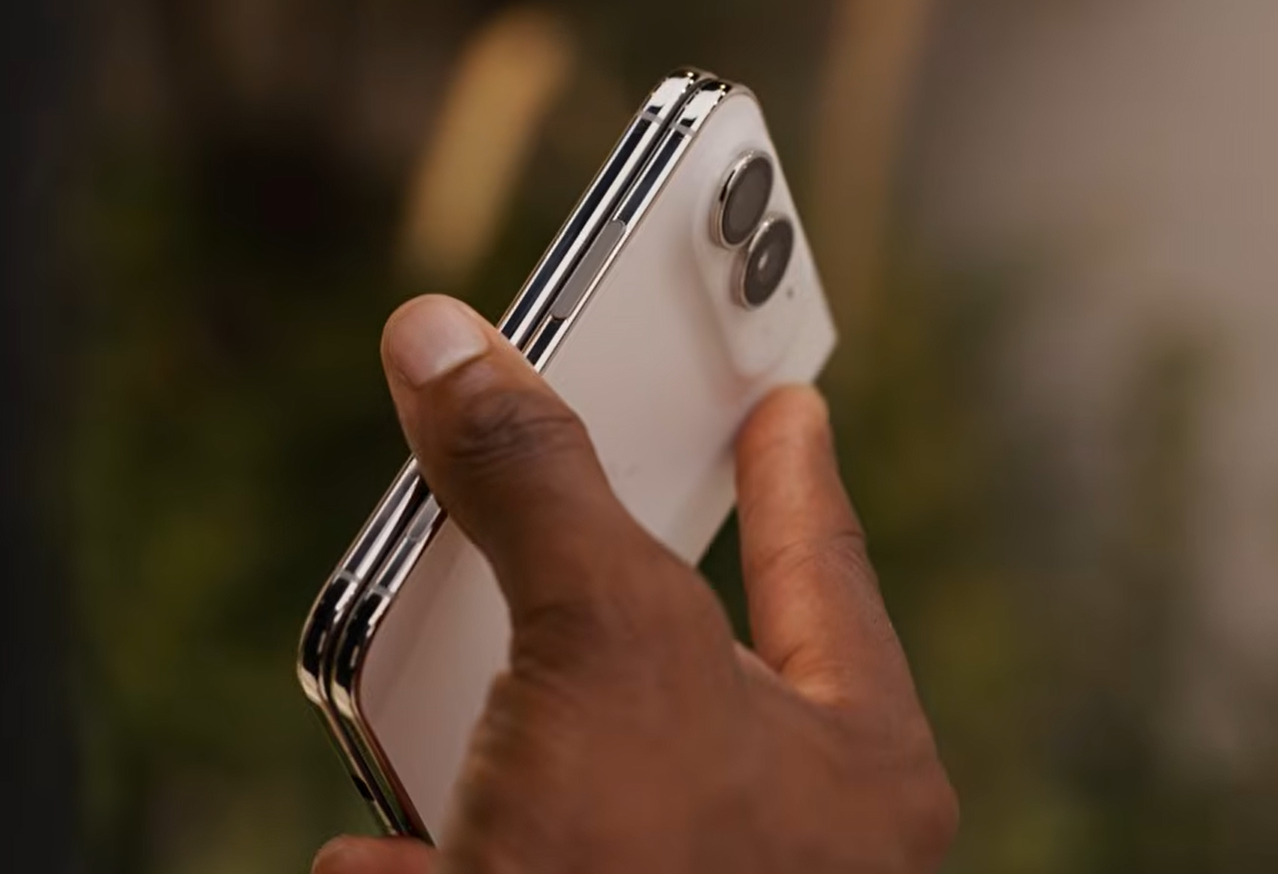
One unusual change is the removal of Face ID. Instead, the iPhone Duo uses Touch ID built into the side button. I think some people will like this, especially when using the phone folded, but long-time iPhone users may need some time to get used to it. The Duo also uses eSIM only and does not support a physical SIM card, which could be an important limitation in some countries and for some travellers.
There are still a few drawbacks:
- At $1,999, it is extremely expensive for a smartphone.
- At 254g, it is still a heavy phone to carry every day.
- There is no physical SIM card slot.
- The camera setup is less impressive than the best iPhone Pro models.
- Touch ID replaces Face ID, which some iPhone users may not like.
- Foldable screens are still more complicated and potentially more expensive to repair.
- Apple is entering the foldable market years after Samsung and other Android brands, so the price is difficult to justify purely from the hardware.
The price is the biggest problem. The iPhone Duo starts at $1,999 for 256GB, and storage can go all the way to 2TB. That makes it Apple's most expensive iPhone and puts it directly into a category where customers will compare it with premium foldables from Samsung, Google and other manufacturers.
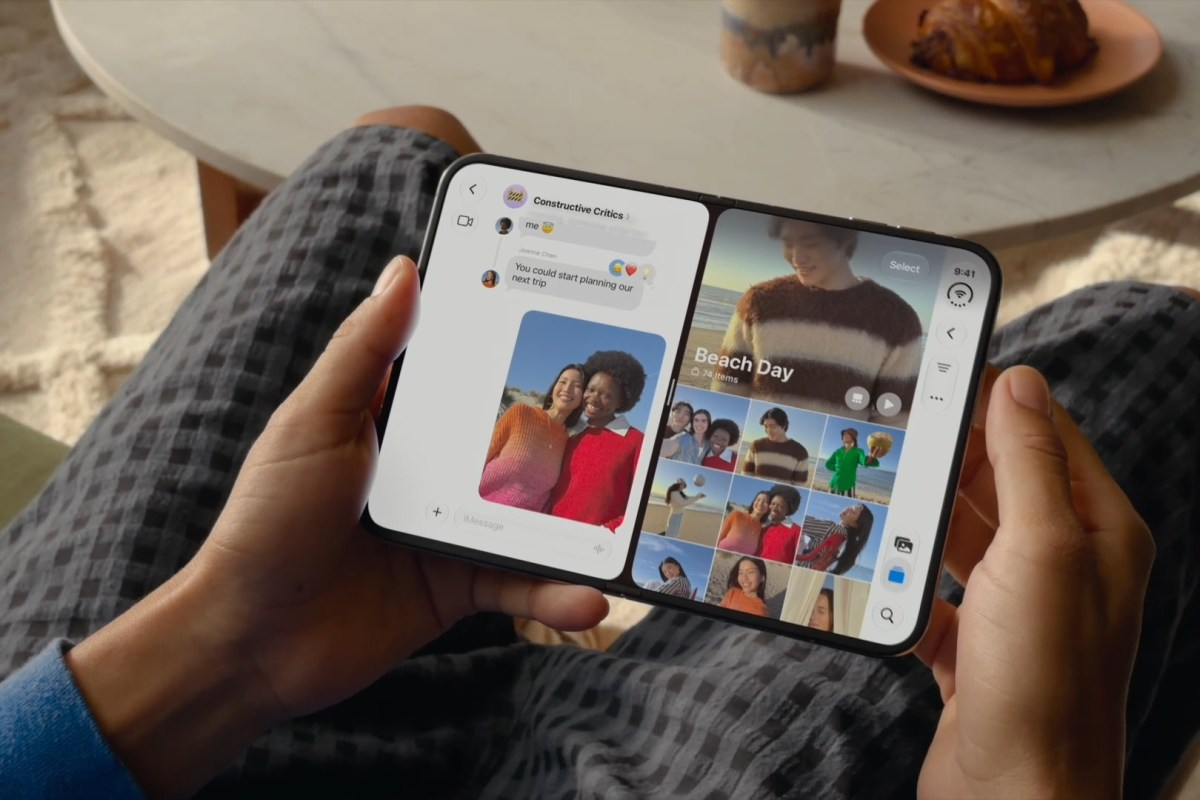
But I think Apple has achieved what it wanted with the iPhone Duo. This does not feel like Apple simply making a foldable because everyone else has one. The company has tried to make the two displays work together, keep the same iOS experience, make the hinge feel refined and turn the large screen into something closer to a small tablet.
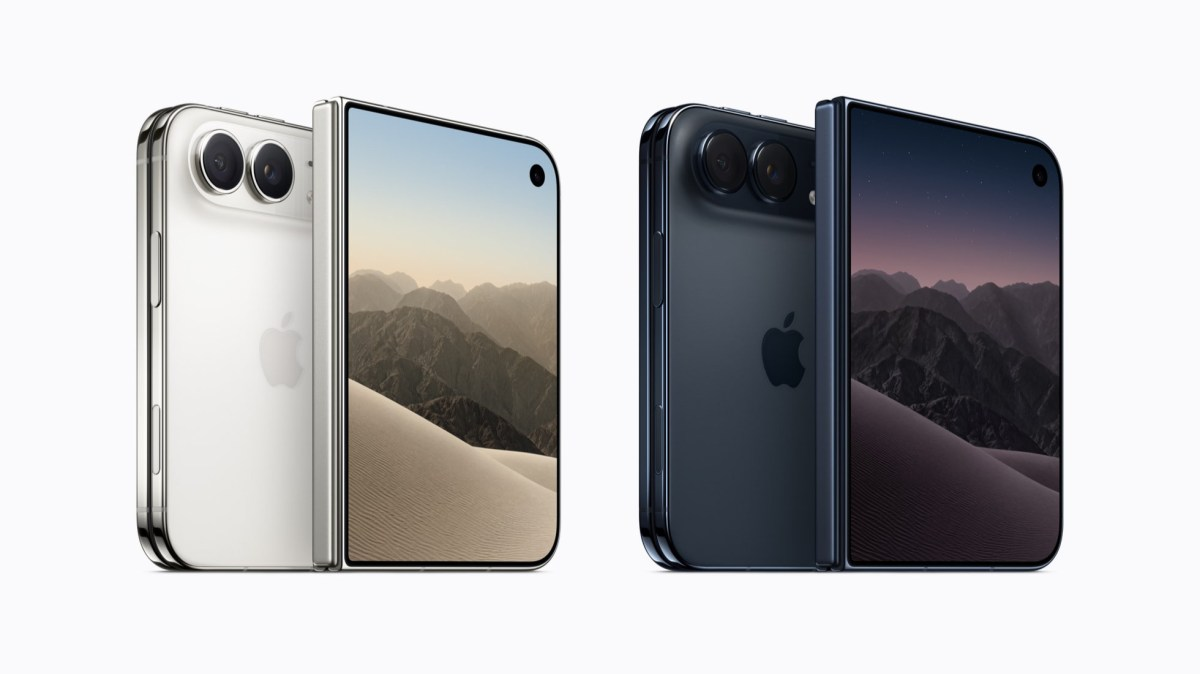
The iPhone Duo is not the phone I would recommend to everyone. At this price, it is clearly for people who really want a foldable iPhone and are already deep into the Apple ecosystem. For normal iPhone users, an iPhone 18 Pro or Pro Max will give you a much simpler experience for considerably less money.
But as Apple's first foldable, the Duo is very impressive. Apple arrived late to the foldable market, but it did not arrive quietly. The iPhone Duo is expensive, heavy and not perfect, but it could finally make foldable iPhones feel like a normal part of the iPhone family.