Tech Blog #295 | Apple iPad mini (2026): Finally Gets an OLED Display, But...
The new Apple iPad mini (2026) is probably the biggest upgrade this small tablet has received in years. Apple has finally replaced the old LCD display with OLED technology, upgraded the processor to the A20 Pro, improved the speakers, and made the body thinner and lighter. These are meaningful changes, especially for people who use a tablet for reading, watching videos, gaming, and everyday work. However, Apple has still kept one disappointing limitation: the display is limited to 60Hz. For a tablet starting at $699, that is something worth talking about.
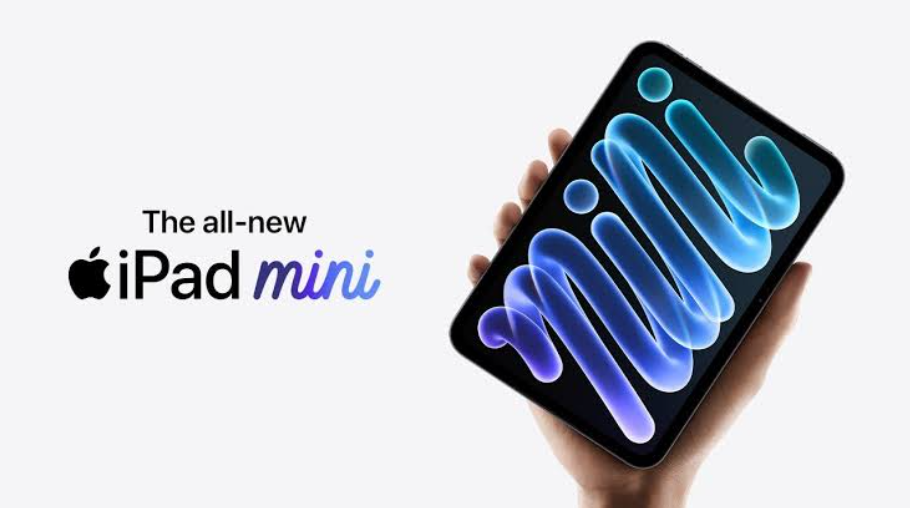
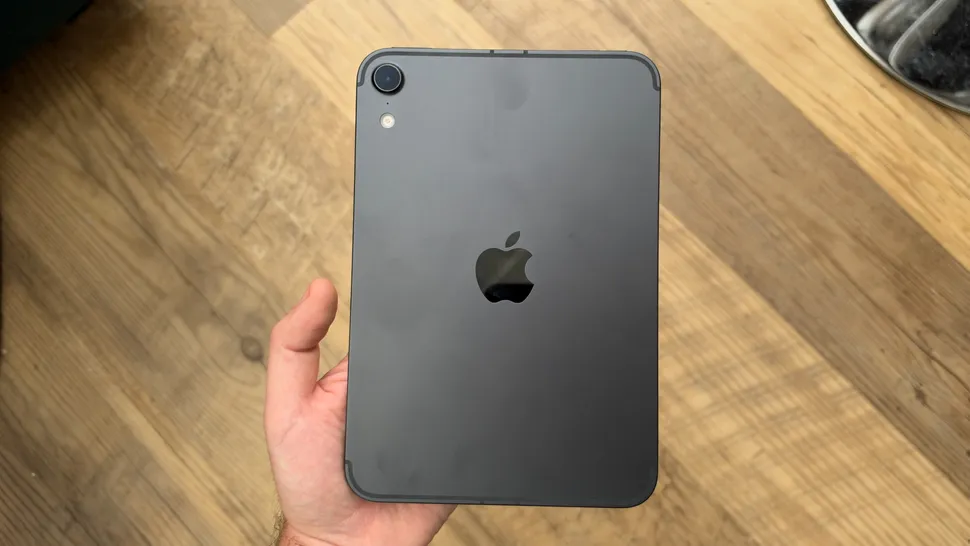
The design remains compact, which is the biggest reason to buy an iPad mini instead of a regular iPad or a larger Android tablet. The new model measures just 5.4mm thick and weighs 255g, compared with 6.3mm and 297g on the previous generation. That makes it easier to hold in one hand, carry in a small bag, or use while travelling. Apple has also added IP67 protection against dust and water, which is a welcome improvement for a device that people may use outdoors or carry everywhere. The tablet comes in Midnight and Starlight finishes. I like that Apple has improved the design without making the iPad mini significantly larger.
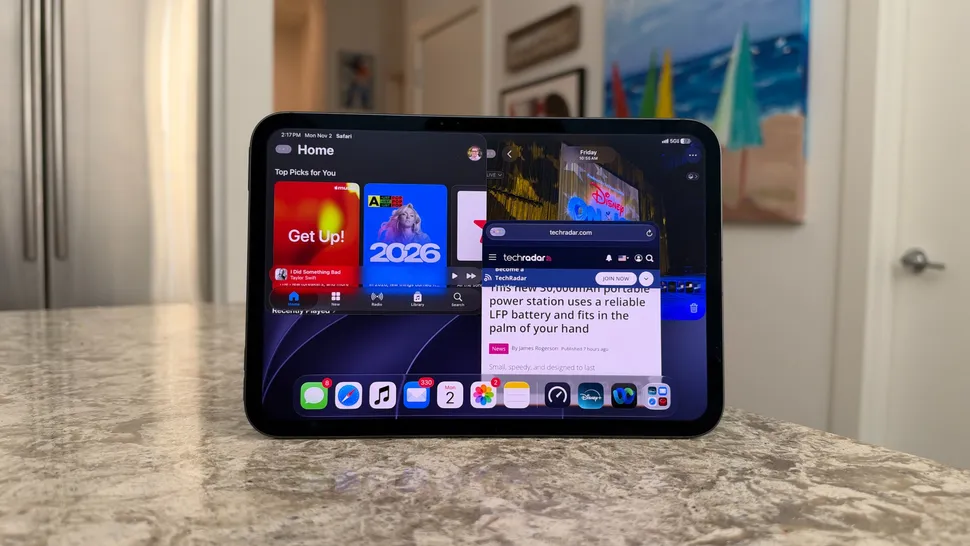
The display is the biggest upgrade. The new iPad mini has an 8.5-inch Super Retina XDR OLED panel with a resolution of 2316 x 1512 pixels. The thinner bezels allow Apple to increase the screen size while keeping the overall footprint similar to the previous model. OLED technology brings deeper blacks, better contrast, and more vivid colours than the older LCD screen. Peak brightness reaches 1200 nits, while full-screen brightness for SDR and HDR content is rated at 600 nits. There is also an optional nano-texture glass finish that reduces reflections, which could be useful for people who read or work outdoors.
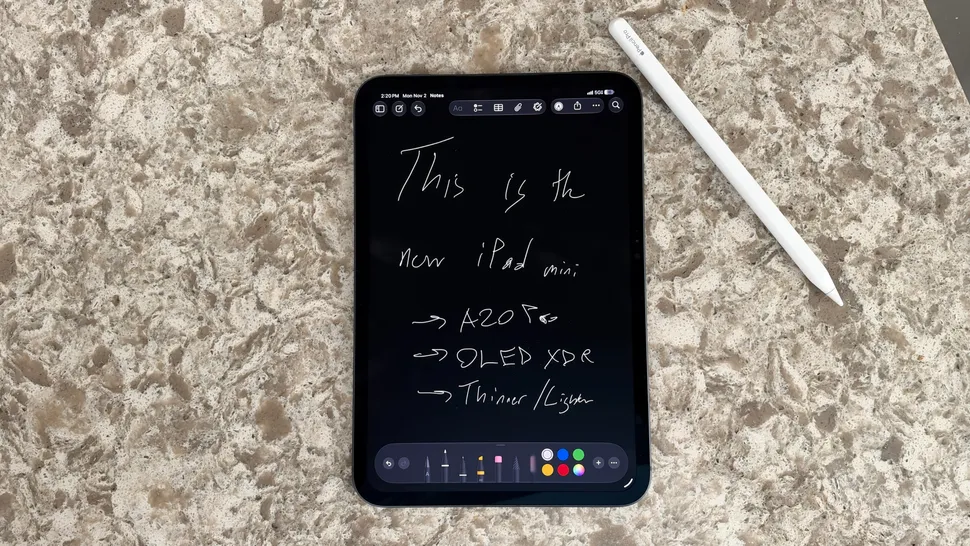
However, I still cannot understand why Apple has not included ProMotion or at least a 90Hz refresh rate. The 60Hz panel should be fine for watching videos, reading books, and most everyday tasks, but scrolling and gaming will not feel as smooth as on tablets with higher refresh rates. OLED is a big improvement, but it does not solve everything. At this price, I would have liked Apple to offer a faster display, especially when some Android tablets provide 120Hz or even higher refresh rates for less money.
Performance should be another major strength. The iPad mini uses Apple's A20 Pro chipset, built on a 2nm process, with a 7-core GPU and a CPU configuration that depends on the storage version. The 512GB model gets the full six-core CPU and a more powerful Neural Engine configuration, while the 128GB and 256GB versions use a reduced five-core CPU and have half the NPU power. This is a strange decision because buyers choosing less storage are also receiving a less capable version of the processor. For most everyday users, the difference may not be noticeable, but people who plan to use demanding creative apps or run AI workloads should consider it.
Even with that limitation, the A20 Pro should deliver excellent performance. Apple claims major improvements in graphics, multitasking, and AI processing compared with the previous generation. The tablet should be suitable for demanding games, photo editing, drawing, and productivity applications. Its compact size also makes it attractive for people who want a powerful device that is easier to carry than a large iPad Pro. The main concern is not whether the chip is powerful enough, but whether Apple is giving every storage configuration the same level of performance.
Apple has also redesigned the audio system with its new Acoustic Display technology. Instead of using conventional visible speaker grilles, the speakers are positioned beneath the display, with specially designed woofers and tweeters hidden between the glass and aluminium enclosure. Apple says this setup provides stronger bass and higher volume, along with clearer high frequencies. This is an interesting change, and it could make the iPad mini better for watching films, listening to music, and playing games without headphones. The real experience will depend on how well the new speaker system performs in everyday use, but it is good to see Apple improving something beyond the display and processor.
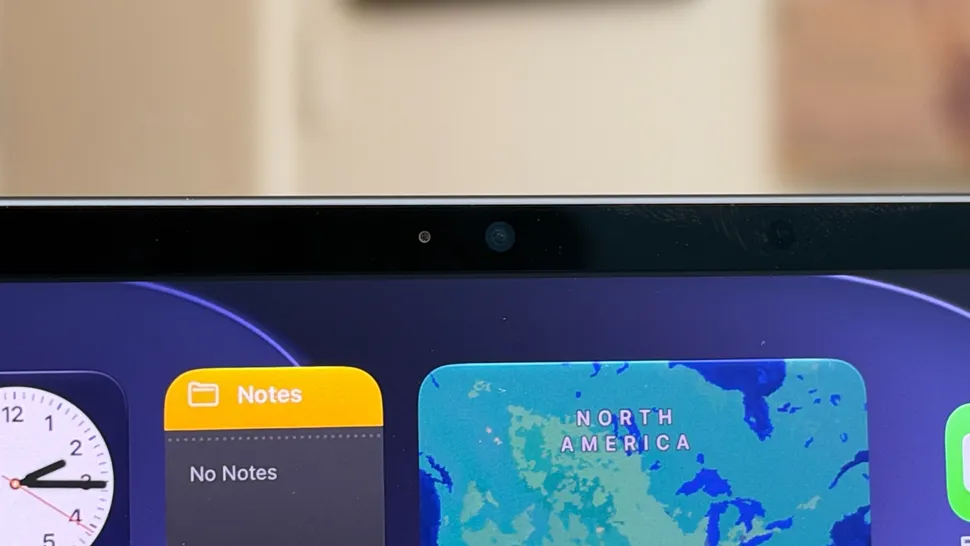
The camera system is practical rather than particularly exciting. There is a 12MP rear camera with Smart HDR 4, 4K video recording at up to 60fps, and an Adaptive True Tone flash. The front camera is also 12MP and now sits on the landscape edge, making video calls feel more natural when the tablet is held horizontally. Center Stage helps keep users in the frame during supported video calls. Most people do not buy a compact tablet for photography, so these cameras should be good enough for document scanning, video meetings, and occasional photos. The improved front-camera placement is probably more useful than adding a higher megapixel count.
Battery life remains an important part of the iPad experience. Apple has fitted an 18.9Wh battery and claims that the tablet can reach 50% charge in around 30 minutes when using a 35W or higher power adapter. That is a useful improvement for people who need to recharge quickly between classes, meetings, or trips. However, we will need independent battery tests before knowing how much endurance the new OLED display and A20 Pro provide. Apple does not give a huge battery-capacity increase here, so I would not automatically assume that battery life will be dramatically better than before.
Connectivity has also improved. The Wi-Fi model supports Wi-Fi 7, while the cellular version adds 5G through eSIM and Apple's C2 modem. The USB-C port supports USB 3 data transfer speeds of up to 10Gbps, which is useful for transferring large files or connecting external storage. Apple Pencil Pro and Apple Pencil USB-C are both supported, making the tablet suitable for handwritten notes, digital art, and document annotation. However, the stylus and other accessories are sold separately, so the final cost can become considerably higher if you want to use the iPad mini as a serious productivity device.
The software is based on iPadOS 27, with Apple Intelligence features and the newer Siri AI experience. The powerful chipset should help with demanding apps and supported on-device AI tasks, although feature availability depends on language and region. The iPad mini's small size makes it particularly useful for students, readers, travellers, and professionals who need a portable device for quick tasks. It is not a full replacement for a laptop, but it can be a useful companion for work and study. The compact form factor is still its biggest advantage over larger tablets.
Pricing is the difficult part. The 128GB Wi-Fi model starts at $699, while the 256GB version costs $799 and the 512GB version reaches $999. Cellular models cost even more. These are expensive prices for a compact tablet, especially when the lower-storage versions also receive a reduced A20 Pro configuration. Apple is asking buyers to pay a premium for portability, OLED technology, performance, and its software ecosystem. For existing iPad mini users, the new model looks like a worthwhile upgrade if they want OLED and more performance. But people with a recent iPad mini may not need to rush to replace it.
There are still a few drawbacks:
- The display is limited to 60Hz, despite the premium price and OLED upgrade.
- The 128GB and 256GB versions receive a reduced A20 Pro CPU and lower NPU performance.
- The starting price of $699 is expensive for a compact tablet.
- Apple Pencil accessories and other useful extras cost extra.
- The 18.9Wh battery still needs independent testing to confirm real-world endurance.
- Cellular versions rely on eSIM, so compatibility depends on local carrier support.
- The small display is excellent for portability, but it is less comfortable than a larger iPad for serious multitasking.
Overall, the iPad mini (2026) is a much more attractive compact tablet than its predecessor. The OLED display, powerful A20 Pro chip, improved speakers, lighter design, and IP67 protection make it a substantial upgrade. I especially like that Apple has kept the tablet compact instead of turning it into another large device. However, the 60Hz display and the reduced processor configuration on the cheaper models are difficult to ignore. If you want a powerful tablet that is easy to carry everywhere, this could be one of the best options available. But if you want the smoothest display or the best performance for your money, it is worth comparing it with larger iPads and high-refresh-rate Android tablets before spending this much.