CONTEST: Pick and Write [Agricultural Word] 👉#37||Crop breeding: It improves the crops that we grow
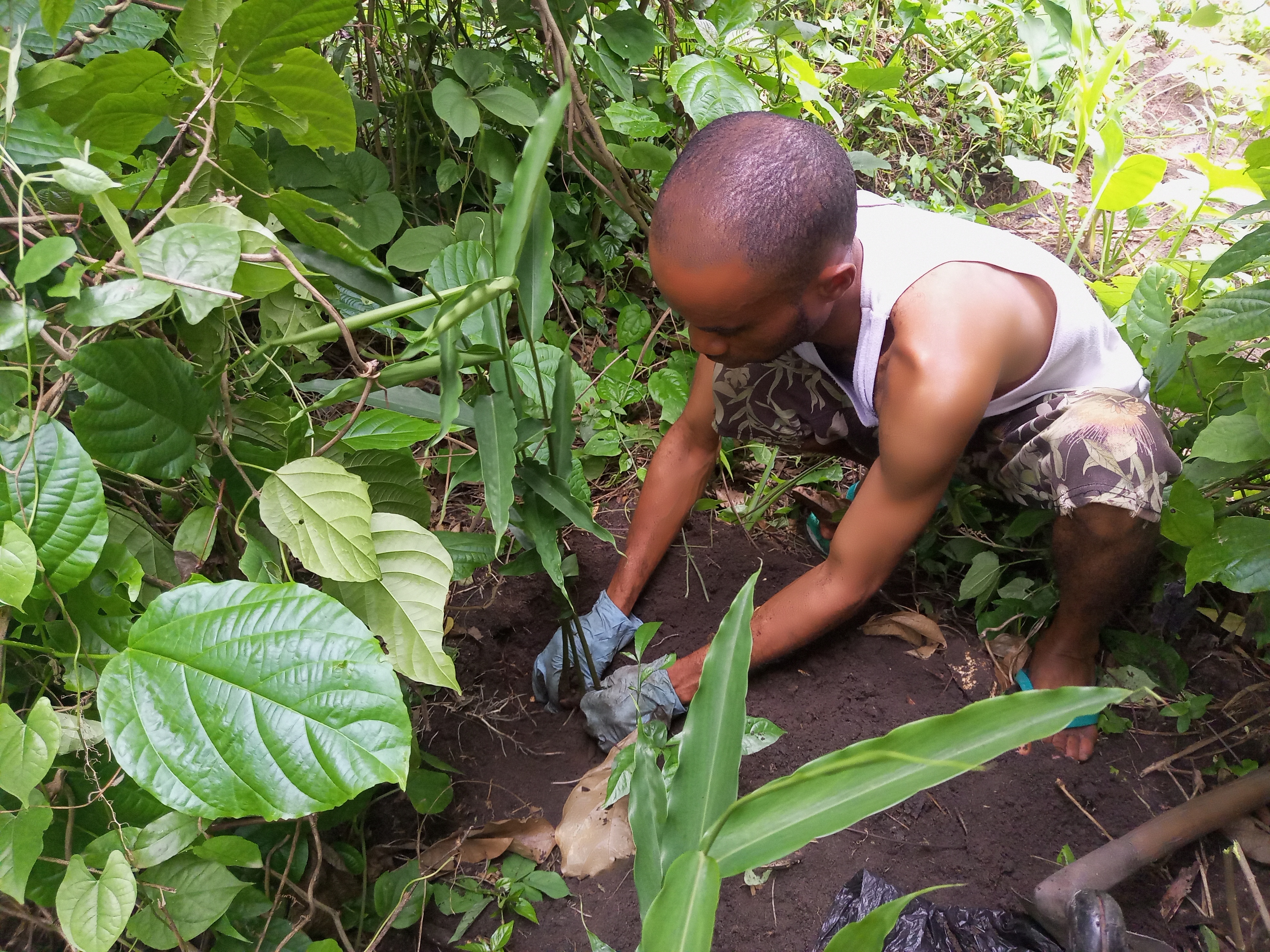
Every farmer want their crops to perform better. We want good harvests, healthy plants, better-quality produce, and crops that can withstand challenges like diseases, pests, drought, and poor growing conditions. Crop breeding is one of the ways farmers can achieve these improvements.
What is Crop Breeding?
Crop breeding has to do with the process of developing or improving crop varieties by selecting and crossing plants with desirable characteristics. For more clarity, In simple terms, it means how farmers choose plants with good qualities and use them to produce new generations that may have those qualities. For instance, crop breeders may want to develop another crop that produces higher yields, matures earlier, has better nutritional value, or is more resistant to a particular disease.
Crop breeding can be carried out using traditional methods or modern scientific techniques.
What Is the Purpose of Crop Breeding?
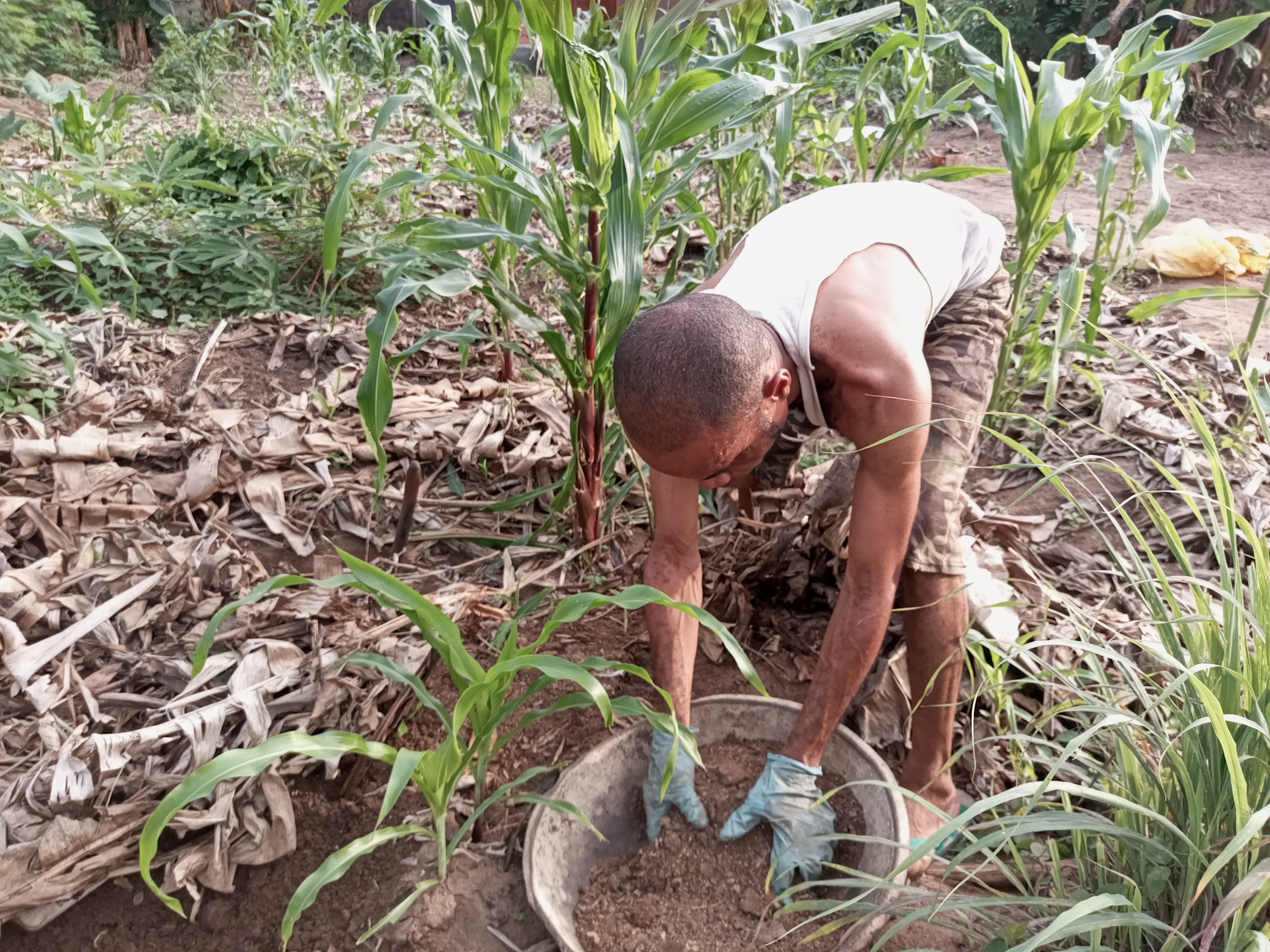
A major purpose of crop breeding is to improve the characteristics of crops so that they can perform better for farmers and consumers.
Some important reasons include developing crops that will:
- Produce higher yields
- Resist pests and diseases
- Mature faster
- Tolerate drought or other environmental stresses
- Have improved nutritional value
- Have better taste, size, colour, or quality
- Adapt to particular soil and climatic conditions
- Have qualities that make harvesting, processing, or storage easier
This is important because farming conditions are constantly changing, and farmers need crop varieties that can meet new challenges.
How Is Crop Breeding Practiced?
Crop breeding is normally done by trained plant breeders and agricultural researchers. They would first identify the characteristics they want to improve.
They then proceed to select parent plants that have useful traits. The selected plants may be crossed so that their offspring receive characteristics from both parents.
The offspring would be carefully grown and evaluated. The Plants with their desirable characteristics are selected and bred further over some decades. The process can take considerable time because breeders need to confirm that the desired traits are stable.
Crop breeders confirms that Modern crop breeding may also use technologies such as genetic analysis and marker-assisted selection to help breeders identify plants carrying useful characteristics.
Benefits of Crop Breeding
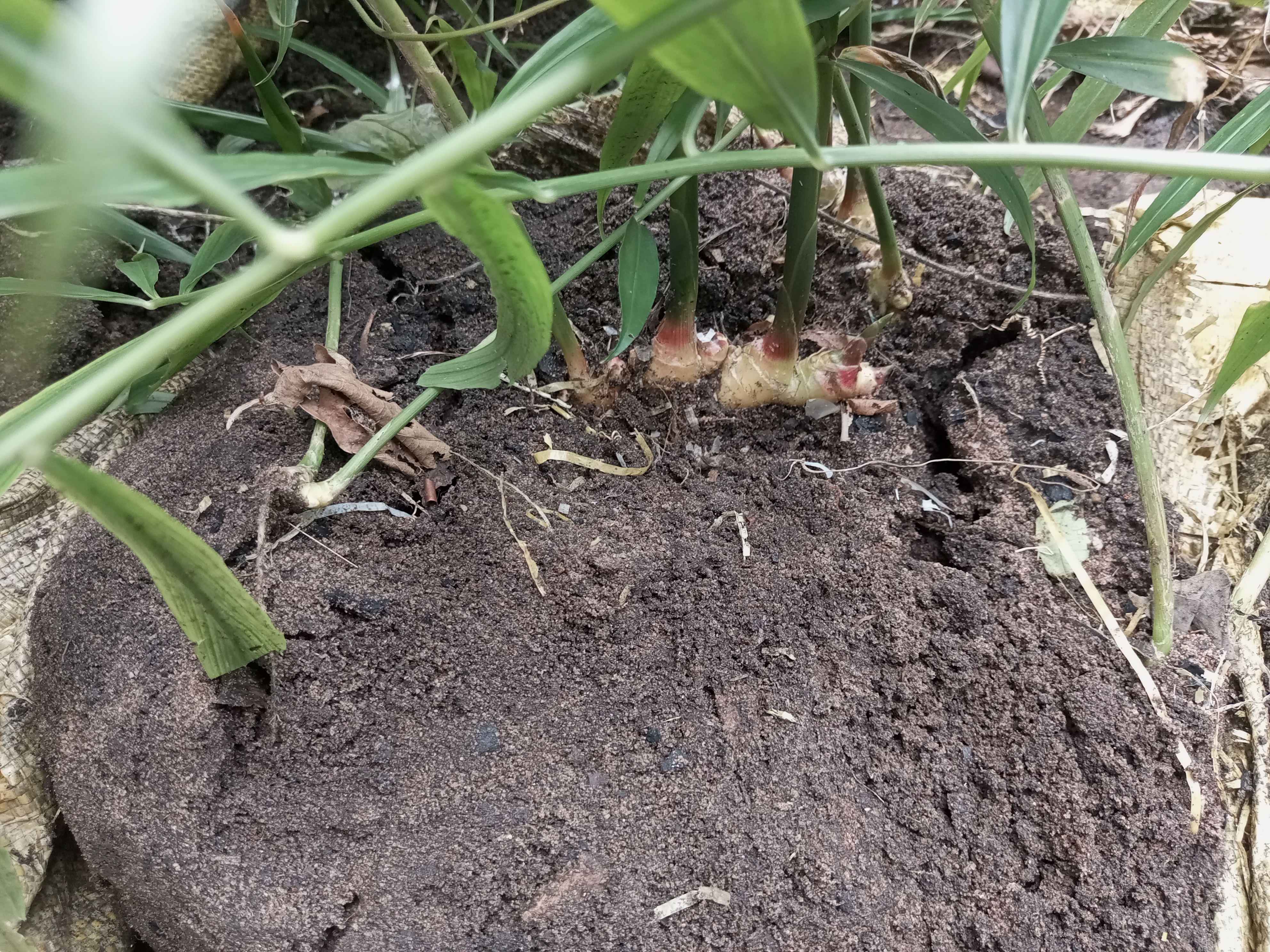
Crop breeding provides several benefits to farmers in the agriculture valuechain. They include:
Increased food production
Improved varieties can produce higher yields, helping farmers get more produce from available land.Disease and pest resistance:
Breeding can help develop varieties that are less affected by certain pests and diseases.Better adaptation:
Crops can be developed to perform better under specific environmental conditions, including drought or other stresses.Improved food quality:
Breeding can improve characteristics such as nutritional content, taste, size, colour, and processing quality.Early maturity:
Some varieties can be developed to mature faster, allowing farmers to harvest earlier.Better income opportunities:
When improved varieties perform well and have good market demand, farmers may benefit from better production and market opportunities.
In conclusion, crop breeding plays a very important role in improving agriculture. It is not simply just about producing a new type of plant; it is about carefully selecting and developing plants with characteristics that can benefit farmers, consumers, and the wider agricultural sector.
As the population grows and farming faces challenges such as pests, diseases, changing weather conditions, and limited land, the development of improved crop varieties will continue to be important.
For farmers, understanding the importance of improved varieties can also help them make better decisions about the seeds they plant.
I invite the following persons to participate in this contest:
@dhingvimal
@udyliciouz
@taaher1