Basic Knowledge in Agriculture #94
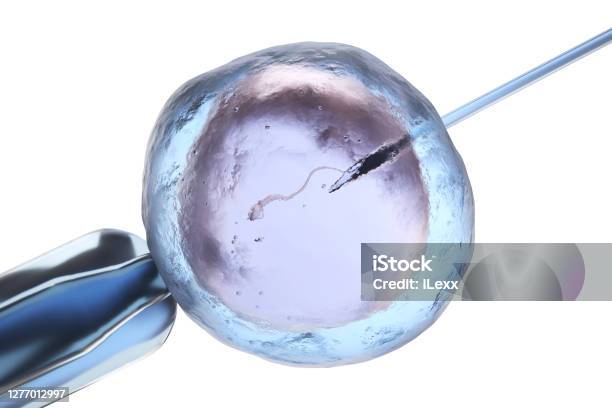
Greetings to you all I hope y'all are having a splendid day as well enjoying ya day....well today Ive got an interesting topic in agriculture which would likely blow your minds, have y'all heard about artificial insemination?? Or what it is used for in agriculture....well sit back and listen....
Artificial insemination allows farmers to make use of semen from genetically superior males to improve desirable characteristics such as higher milk production, faster growth, better meat quality, disease resistance, and improved fertility. It also helps reduce the need to keep breeding males on farms and can assist in controlling the spread of certain reproductive diseases.
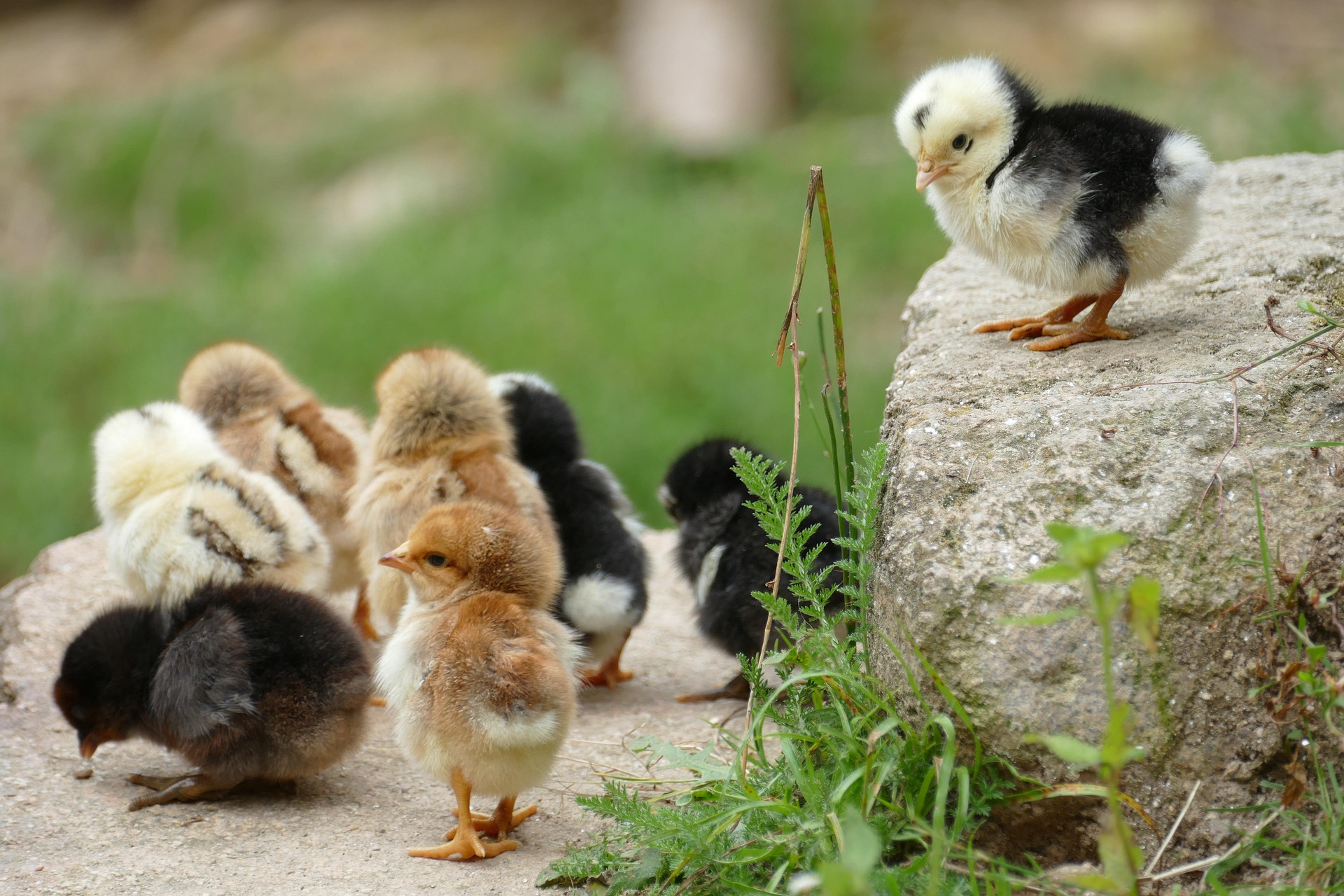
Artificial insemination is a reproductive technology used to place sperm into the cervix, uterus, or vagina to facilitate fertilization and pregnancy when natural conception is difficult or impossible....... In humans, it is commonly used for couples facing infertility, single women, or same-sex couples wishing to conceive.........while in animals, it is widely applied in livestock breeding to improve genetic quality, increase productivity, and control disease spread which is really beneficial in agriculture.
Now that we know the meaning of artificial insemination that is not the only information we have to access before we can try it out we also have to know the different methods used in it so as to facilitate a successful insemination in the livestock we wish to improve.........
There are main methods of artifact insemination and we're gonna know about all of them......
METHODS:
Intracervical Insemination (ICI): Sgperm is inserted into the cervix using a needleless syringe, closely mimicking natural ejaculation. This method can be performed at home or in a clinic and is relatively simple and painless....
Intrauterine Insemination (IUI): Sperm is washed and concentrated before being placed directly into the uterus, increasing the chances of fertilization. This procedure is usually performed under medical supervision....
Intravaginal Insemination (IVI): Similar to ICI, sperm is deposited in the vagina near the cervix, often used interchangeably with ICI in some contexts....
These are the main methods of artifact insemination there are more methods though but we would focus on those three for now.......As well as their processes they take for a successful insemination.
PROCESSES
The procedure typically involves collecting sperm, sometimes preparing or “washing” it to enhance motility, and then introducing it into the female reproductive tract at the optimal time for ovulation ........
The artificial insemination is applied both in human anatomy as well in livestock....
APPLICATION:
Human fertility: This really helps overcome male infertility, unexplained infertility, or anatomical barriers preventing sperm from reaching the egg.
Animal breeding: This enables selective breeding, improves genetic traits, and increases offspring production in livestock such as cattle and pigs.
ACCELERATED GENETIC IMPROVEMENT:
The most significant advantage of AI(artificial insemination) is its ability to rapidly disseminate superior genetics across large numbers of animals. It is noted that AI eliminates geographical limitations, allowing producers to select highly vetted sires that align precisely with their breeding objectives, whether for milk yield, meat quality, disease resistance, or feed conversion
COST SAVINGS COMPARED TO KEEPING A BULL:
Maintaining a breeding bull is expensive. Feed, housing, veterinary care, and infrastructure costs add up quickly, not to mention the ongoing safety risks bulls pose to farm workers and other animals.
DISEASE PREVENTION AND BIOSECURITY:
Natural mating creates a direct route for the transmission of sexually transmitted diseases, including bovine venereal diseases like Campylobacter fetus and Tritrichomonas foetus. AI effectively eliminates this risk by removing physical contact between animals during breeding.
ENHANCED FARM SAFETY AND HERD MANAGEMENT:
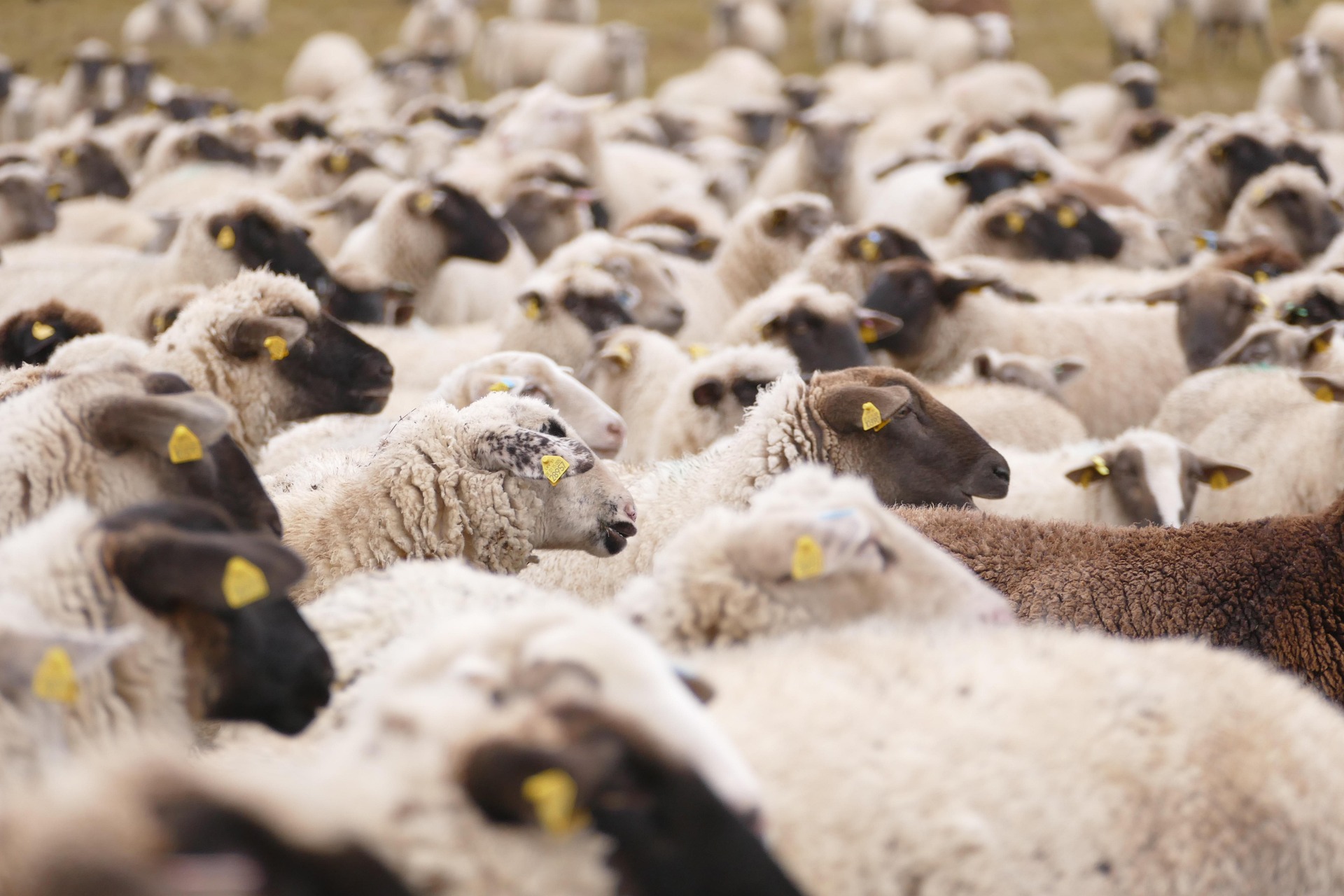
Breeding bulls, especially during peak reproductive season, can be dangerous animals. AI removes this hazard from the farm environment entirely. Beyond safety, it also narrows the calving window, making it easier to manage newborns, predict calving dates, and increase the uniformity of calves at weaning.
The benefits of AI(artificial insemination) are real, but they don’t come automatically, successful AI programs require year-round nutritional management, adequate cattle-handling facilities, reliable cold chain infrastructure for semen storage, and well-documented record-keeping........
Stress during the breeding period from poor nutrition, extreme weather, or excessive handling can increase embryonic losses and undermine even a well-designed AI protocol.
Well I hereby invite;
@us-andrew
@sampson01
@blissful001
@saviour-moses
THANKS FOR READING THROUGH MY BLOG
My video