Basic Knowledge in Agriculture #107
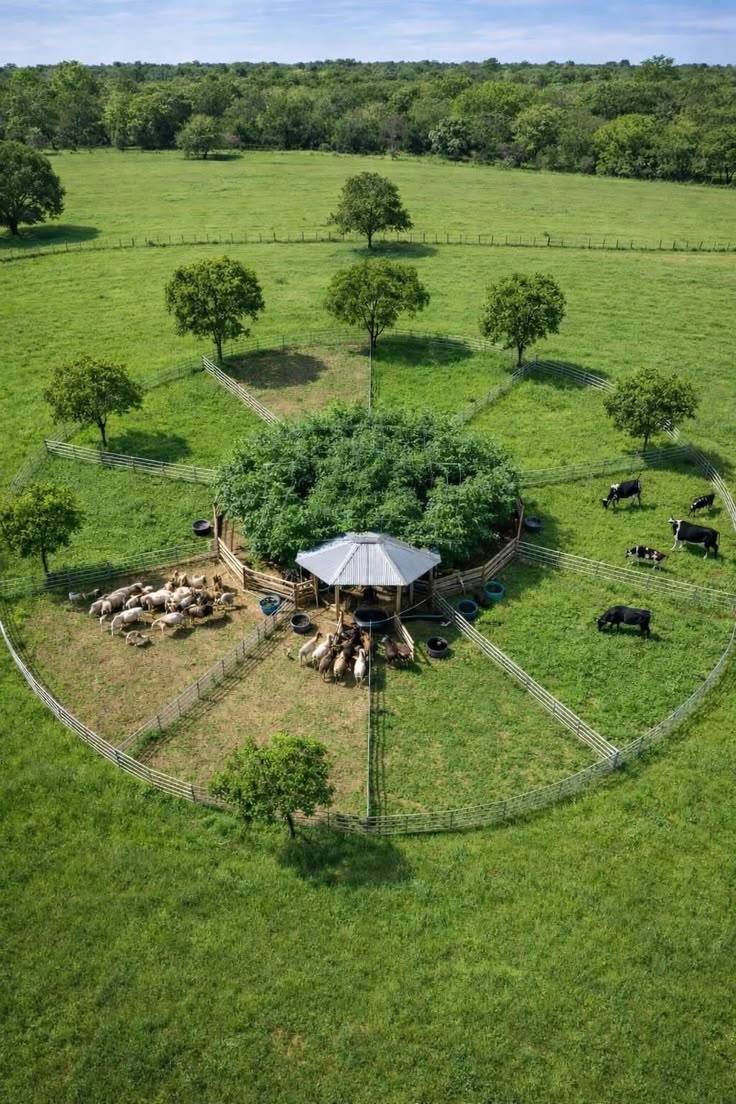
It is a science and practice of farming and land management that is focused on regenerating the overall health of the ecosystems.
Traditional farming – intensive tillage, chemical fertilizers, monoculture - maintains the status quo, as defined by tillage and sustainable agricultural methods-aims to maintain the status quo. Now regenerative agriculture is trying to do that better.
Regenerative agriculture practices:
Leave the soil less disturbed as we need to do to conserve soil microbiome alive, save the soil structure and prevent carbon from entering the atmosphere.
The use of cover crops and a crop rotation of crops off the season protects the land from being washed away, stores nitrogen or other vital nutrients in the land for future use, and stop the growth of weeds and pests.
"Animals and plants in the mix": Feral animals in a pasture are better than no animals. The sound of grazing animals and animal waste add nutrients. Animal hooves break the ground surface for plants.
- Biodiversity--You will increase the diversity of plants on your farm, building its resilience to disease and its ability to cope with more extreme weather.
Importance of Regenerative Agriculture
On the farm level, healthy soil is also the critical solution to a number of those global challenges:
If left undisturbed, well enriched soil is an efficient carbon sink. Within a regenerative system, carbon is taken up by the plants during photosynthesis and stored in the soil in their roots and in the broken down remains of plants and animals.
An intact healthy living soil increases the crop production naturally without the use of any petrochemical based artificial fertilizers or chemical pesticides saving the producer money and their product becomes nutrient dense for the consumer.
Bring the environment back to life: chemical free will save pollinators and bees and eliminate pests and return natural surroundings on your farm, in the open and below the soil.
Putting broken land back in production instead of letting it lie ensures food for the future and a healthy economy for farmers.
Conclusion In conclusion, regenerative agriculture may just be the most powerful climate solution the world's ever seen: a win/win for the planet and for us.
Thanks for reading my post I'm inviting @rad-austine, @m-fdo and @bela90.