Basic Knowledge in Agriculture #95
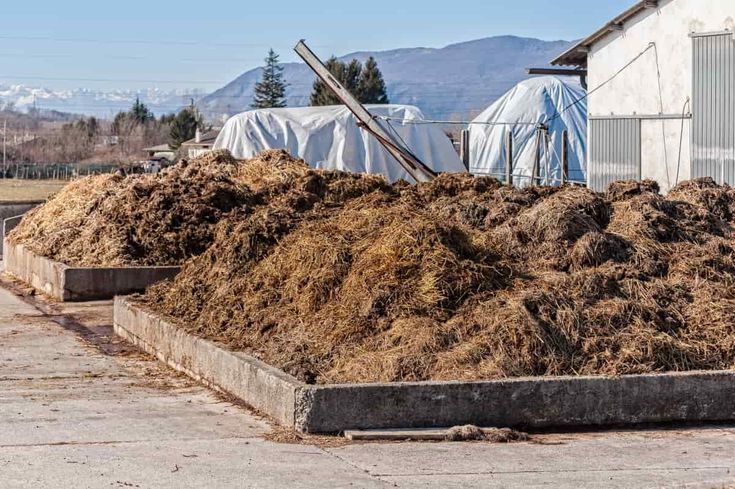
Manure Management consists of collected, stored, treated, and applied as livestock (feces and urine) that is sound for agriculture economically and the environment, it turns livestock waste into a biological product instead of having it waste. Manure management consists of four- stages life cycle of animal waste:
Collected & handled- Animal waste from a confined building or a feedlot is Collected by scraping, flusing, or in a bedded pack facility. Stored- Collected waste is held in a solid manure structure like; a bedded barn or in liquid manure structure, like a slurry pit, or lagoon while we evaluate an efficient date of application onto farm land.
Treated- manure waste may be composted, treated in an anaerobic digestion system, or dewatered in liquid-solid separating system to stabilize nutrient contents and destroy disease-causing organism.
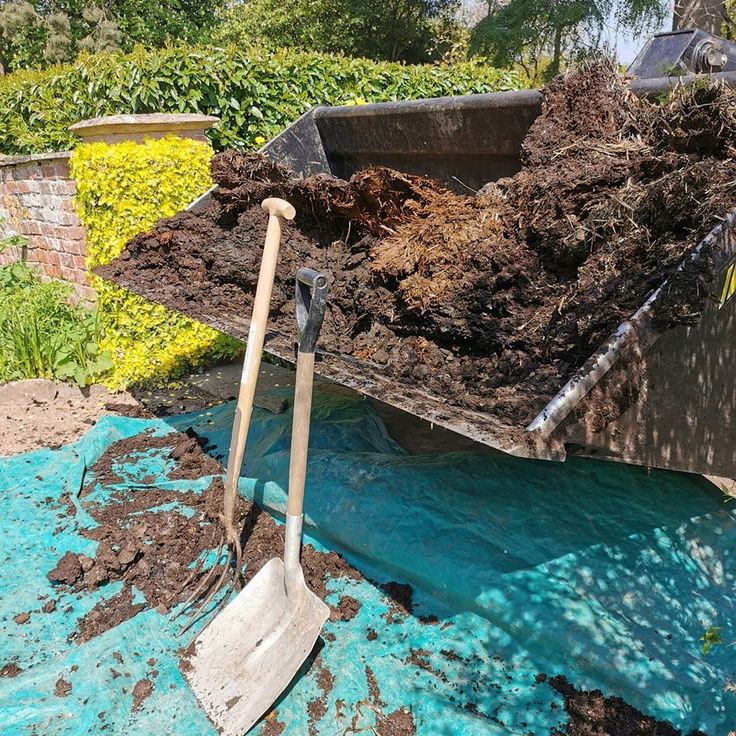
Applied- Applying manure and other manufactured products, like Compost, by using proper amount base on nutrients in the waste product on a variety of crop on farm land, soil fertility and soil crops health is enhanced while preventing air and water pollution. ---- why it takes matter in your farm Why is Manure Management in Agriculture Important?
Agricultural Manure Management yields significant benefits: Improves Soil Fertility and Structure - It provides the essential macronutrients(nitrogen, phosphorous, potassium) and micronutrients plants need, while simultaneously improving soil structure, water retention capacity, water erosion control, and enriching soil microbial populations and activities. Economizes Operations - Manure is a recycling system for the nutrients plants consume. Using nutrients in manure lessens the amount of synthetic fertilization needed and can therefore decrease agricultural expenses.
Contributes to a Better Environment - Uncontrolled nutrients waste is dispersed to groundwater leaching, in streams by flow and run-off thus causing nasty problems, i.e.
Eutrophication and blooms in lakes. Effective manure management systems can lessen the nutrient problem! Enhances Air Quality and Reduces GHG emissions - Certain air pollution such as odor compounds and harmful emissions of gases such as methane (CH4) and nitrous oxide(N2 O), released from solid manure when in direct contact with air, but proper management and aerobic digestors can diminish these.
A new technology system can use the methane produce, via Aerobic Digestion to produce new and renewable Energy. Prevents pathogen risk- Heat in biological treatments process likecomposted manure can destroy the most pernicious types of seeds or pathogens.
Thanks for reading my post.
Congratulations! Your post has been upvoted from sc-07 account.
Hi there @entity01,
This was one of those informative posts that I have been waiting for. You did well by breaking down the four phases starting from collection all the way till their application. Proper care for managing farm waste does play a significant part when considering preservation of soil fertility as well as cost savings concerning purchase of synthetic fertilizers among others.
I appreciate your very valuable insight to us as a community member of this platform. May God bless you. All the best 🌾💯. I also have a question about this topic. Is there a possibility of getting more posts from previous years?