Basic Knowledge in Agriculture #107
Today I am participating in Basic Knowledge in Agriculture #107 organized by the Steem-Agro community . I will explain what regenerative agriculture means and why it is important for farmers and the environment .
TUMBNAIL PICIn conventional farming systems excessive ploughing and the continuous use of chemical fertilizers and pesticides can gradually reduce soil fertility . Regenerative agriculture tries to address these problems by working with nature rather than against it .
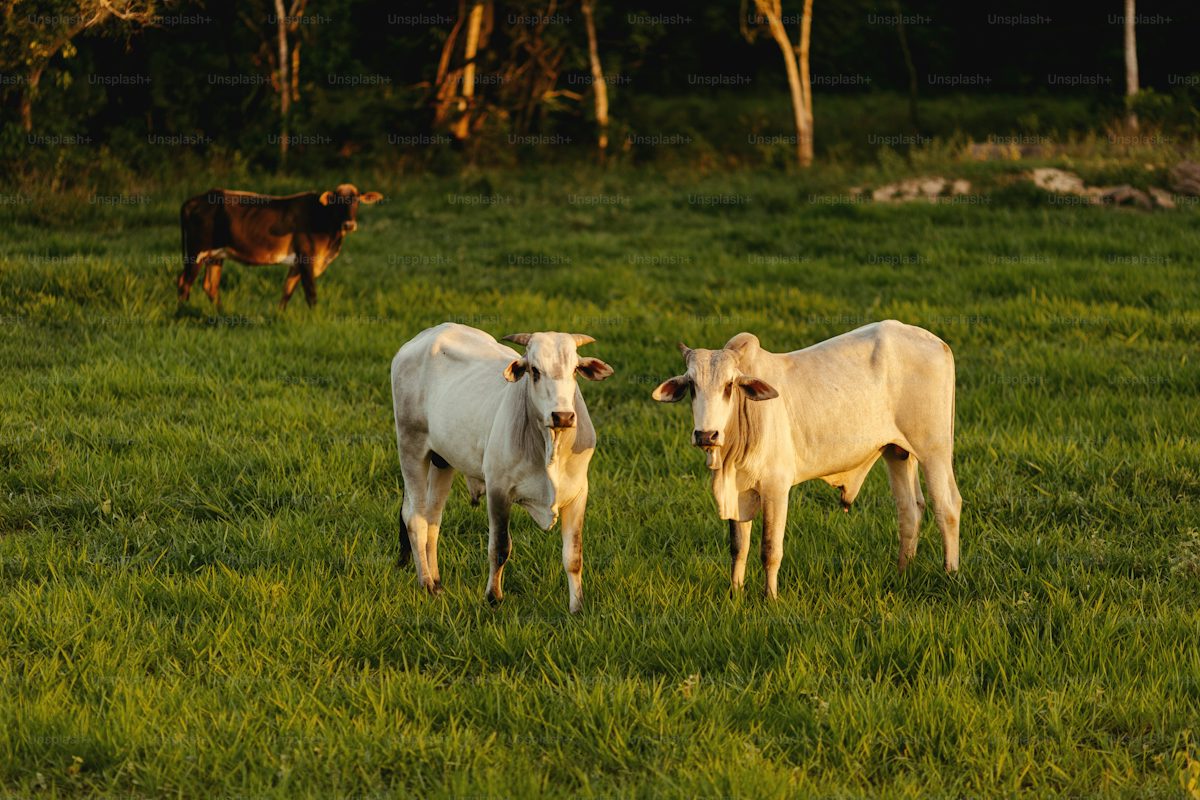
Some common practices include crop rotation and planting cover crops to protect the soil . Farmers may also reduce unnecessary tillage and use natural compost to improve soil fertility . Integrating livestock into farming systems through carefully managed grazing can also help recycle nutrients and support healthy pastures .
 source
- Improving Soil Health
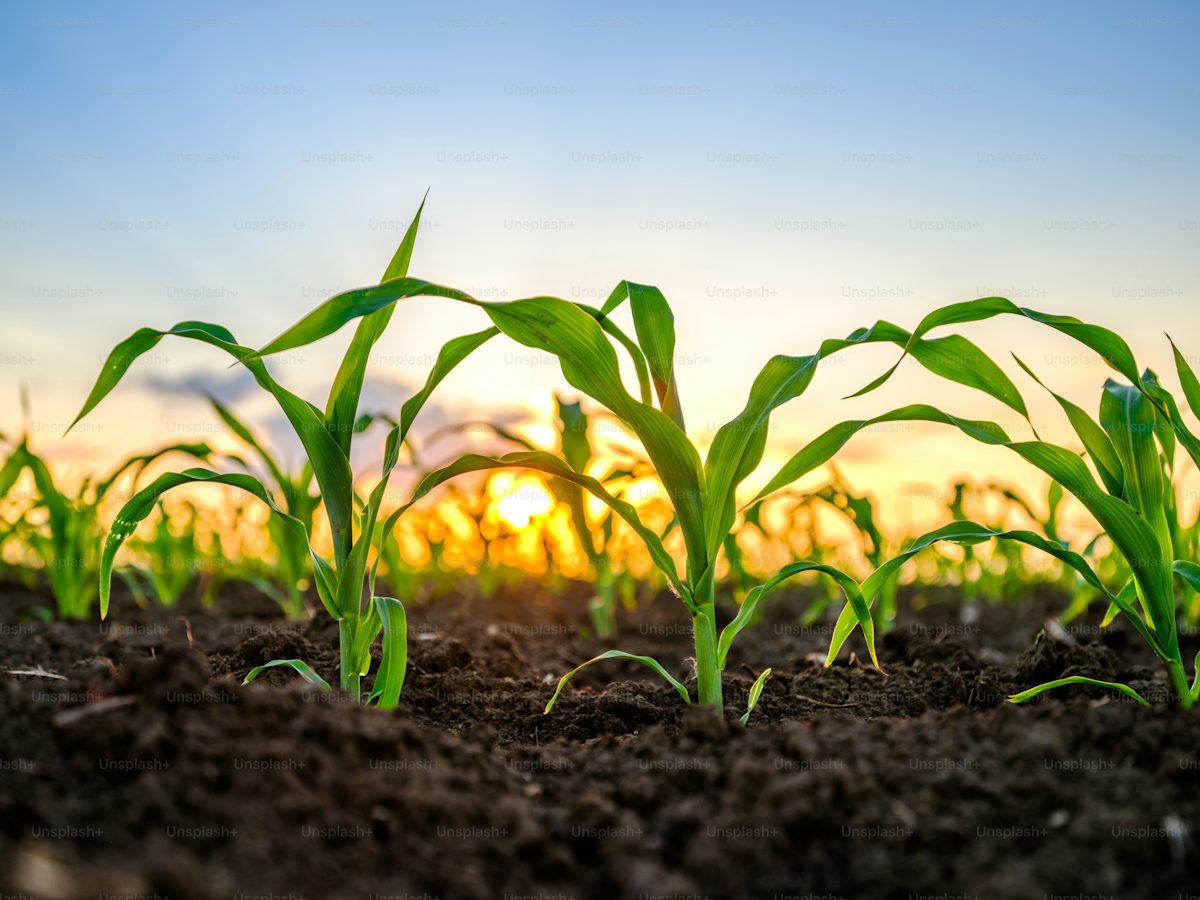
Healthy soil is the foundation of successful agriculture . Regenerative practices increase organic matter and support beneficial microorganisms in the soil . Cover crops and compost help improve soil structure and fertility . As a result the land can remain productive for a longer period .
2 . Preventing Soil Erosion
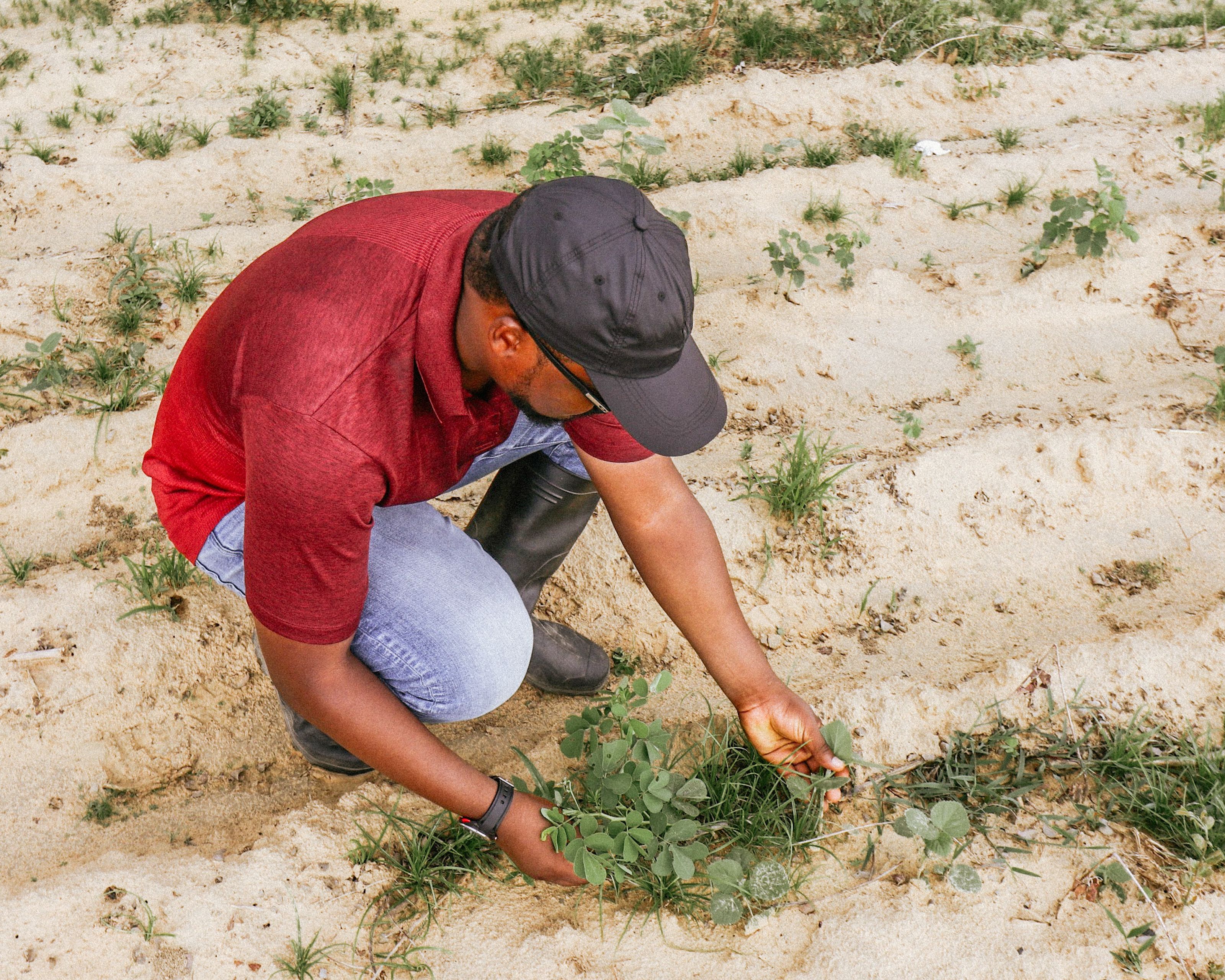
Soil erosion is a serious problem in many agricultural areas . Heavy rainfall and strong winds can carry away valuable topsoil . Keeping the ground covered with vegetation and reducing excessive ploughing can protect the soil from erosion and help preserve its natural structure .
3 . Conserving Water
Healthy soil with sufficient organic matter can absorb and retain more water . This helps crops survive during periods of limited rainfall and reduces water loss through surface runoff . It can be particularly beneficial in regions that experience water shortages .
4 . Protecting Biodiversity
Regenerative agriculture encourages biodiversity by supporting different plants and beneficial insects as well as soil organisms . Crop diversity and natural habitats provide better conditions for wildlife . A balanced ecosystem can also help control certain agricultural pests naturally .
5 . Supporting Climate Resilience
Climate change has created serious challenges for farmers through unpredictable rainfall and rising temperatures . Regenerative practices can improve soil moisture and help agricultural land become more resilient to environmental stress . Increasing organic matter in soil can also contribute to carbon storage .
6 . Improving Farmers' Economic Conditions
Farmers depend on productive land and affordable farming inputs . By improving soil fertility and reducing unnecessary dependence on expensive chemical inputs regenerative methods may help lower production costs over time . Healthier farming systems can also provide more stability against environmental challenges .

In my opinion regenerative agriculture is an important step towards a better agricultural future . We should understand that land is not simply a resource that we use to produce food . It is a natural system that needs proper care and protection .
If farmers continue to cultivate their land without considering soil health and environmental balance future generations may face serious agricultural challenges . On the other hand adopting regenerative practices can help restore degraded land and maintain agricultural productivity .
Countries like Pakistan depend heavily on agriculture for food production and economic development . Therefore promoting soil conservation and responsible farming practices can play an important role in protecting our agricultural future .
To conclude regenerative agriculture teaches us an important lesson : successful farming is not just about producing more today but also about protecting the land so that it can continue feeding future generations .
I would like to invite my friends @sana-khan01 @sakeenazaffar @sadaf02
Thank you for reading my participation . I would love to hear your thoughts about regenerative agriculture and its importance .