8 Amazing Facts About Agriculture in Pakistan
Hello Firends
Have you ever wondered how a country with towering mountains, fertile plains, deserts, rivers, and coastal areas can produce such a wide variety of agricultural products? Welcome to Pakistan, a land where agriculture is deeply connected with food, culture, livelihoods, and rural traditions.
Today, let us explore 8 amazing facts about Pakistan’s agriculture
1. Agriculture Is a Backbone of Pakistan’s Economy
Agriculture plays a vital role in Pakistan’s economy. According to the Pakistan Economic Survey 2024–25, the sector contributed approximately 23.54% of GDP and employed more than 37% of the labour force. Millions of people depend on farming and related activities for their livelihoods.
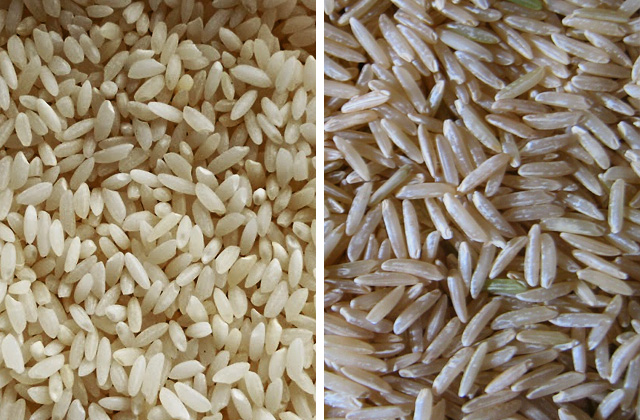
2. Pakistan Is Famous for Basmati Rice
Pakistan is internationally known for its aromatic Basmati rice. The fertile plains of Punjab are particularly important for its cultivation. Basmati rice is valued for its distinctive fragrance, long grains, and flavour, making it an important agricultural export.
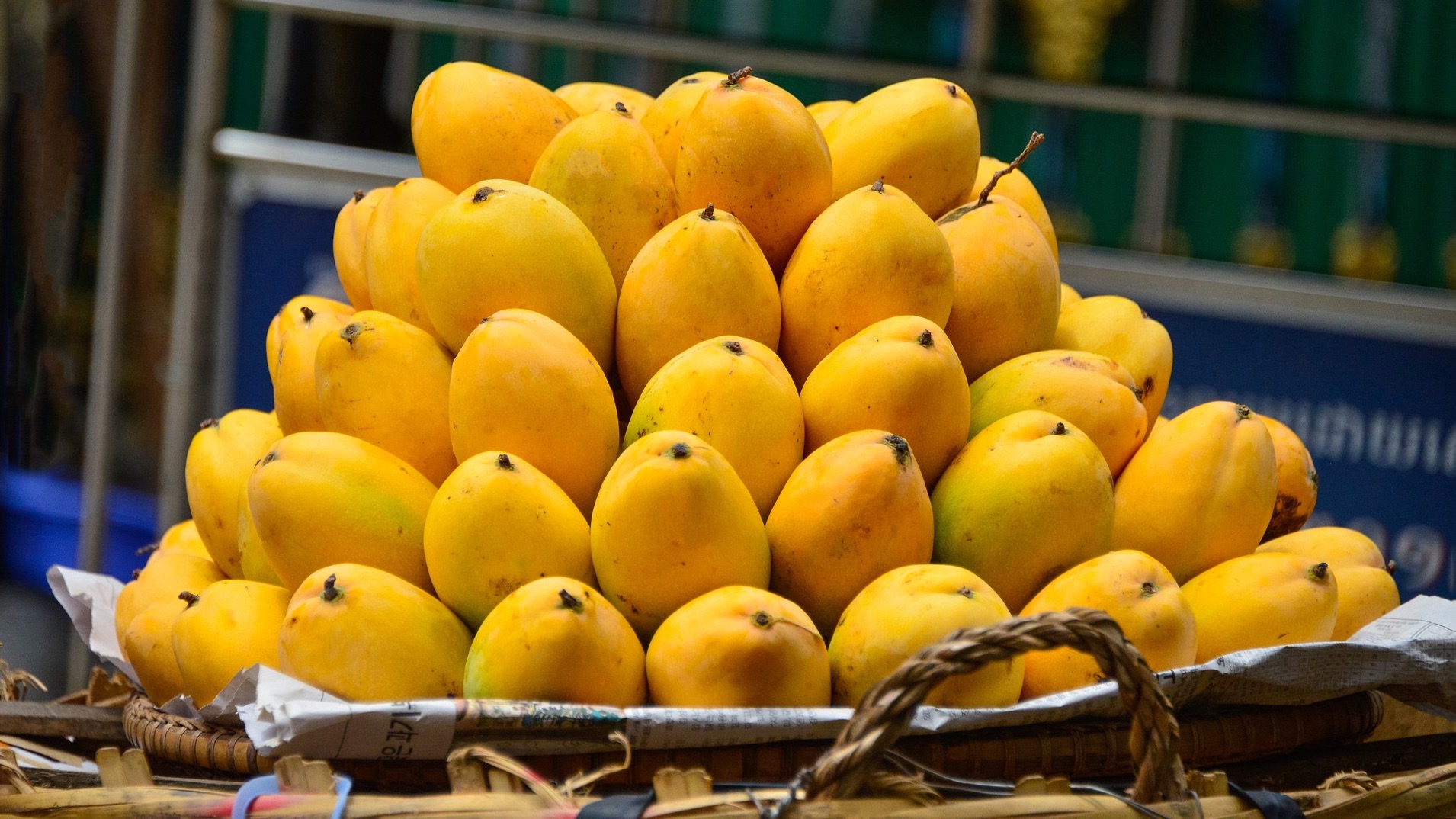
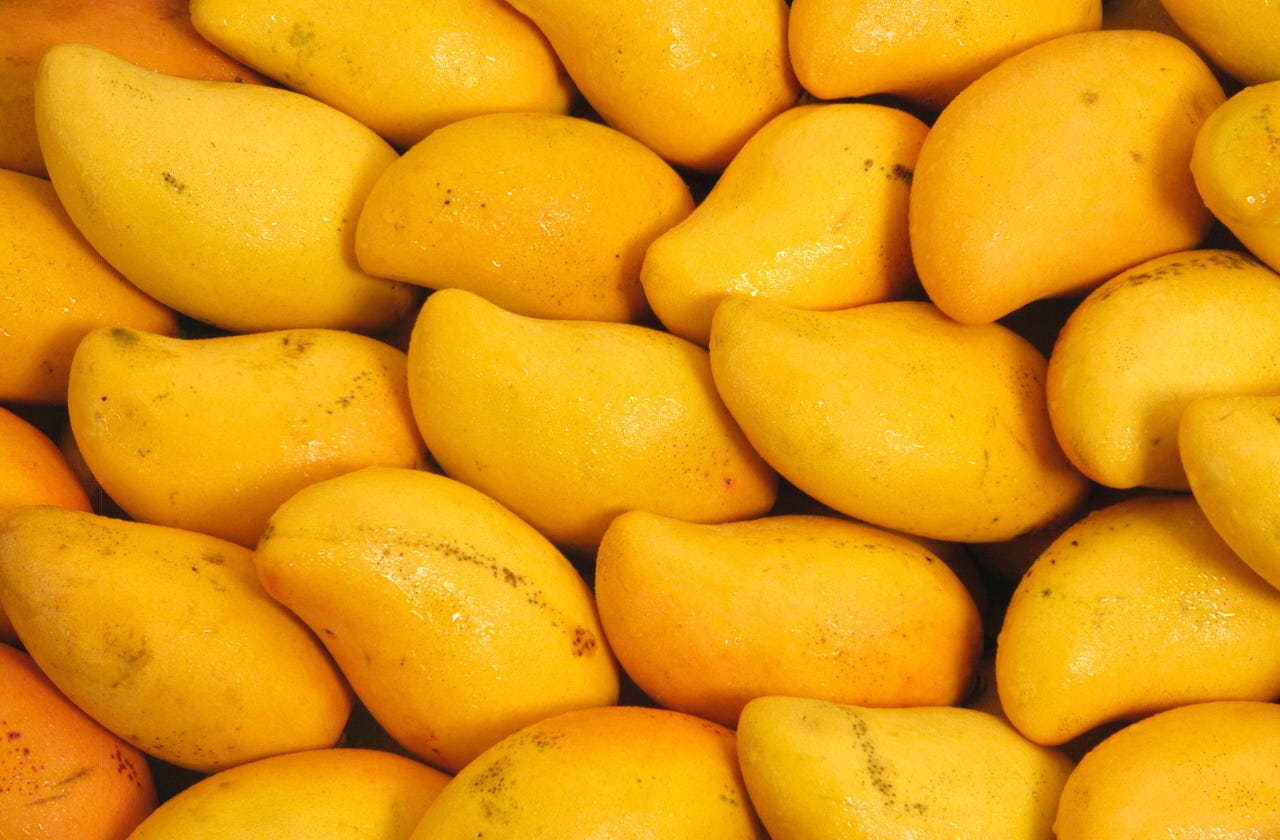
3. Pakistan Produces Delicious Mangoes
Mangoes are among Pakistan’s most celebrated fruits. Sindh and Punjab are famous for varieties such as Sindhri, Chaunsa, and Anwar Ratol. Warm weather and suitable growing conditions help produce mangoes enjoyed both locally and internationally.
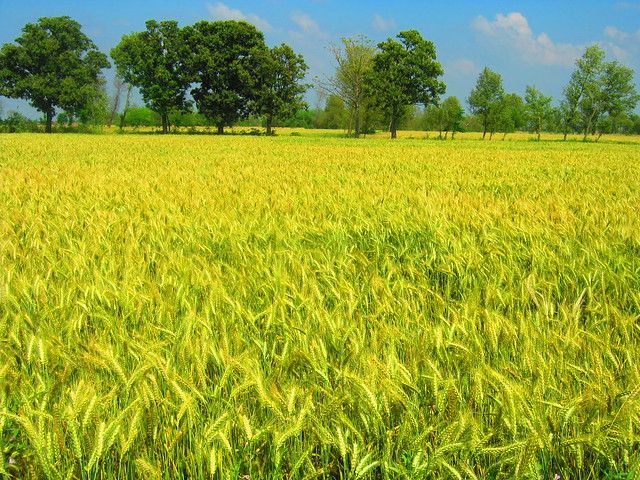
4. Wheat Is a Major Food Crop
Wheat is a staple food for millions of Pakistanis. It is used to make roti, naan, and many traditional foods. Wheat cultivation supports rural livelihoods and contributes significantly to national food security.
5. Livestock Is an Agricultural Treasure
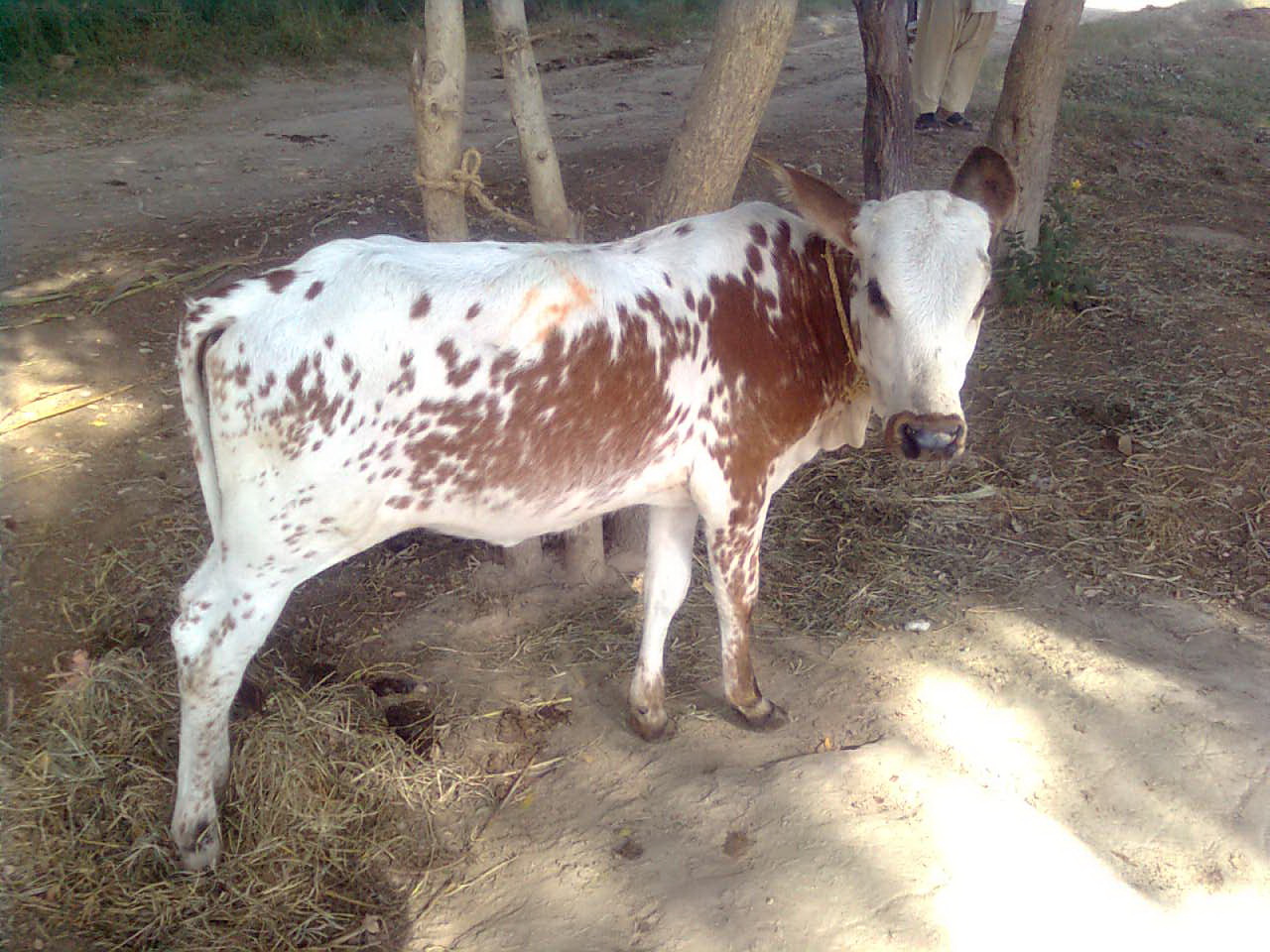
Agriculture is not only about crops. Cattle, buffaloes, goats, sheep, horses, donkeys, and other animals support farming families. Livestock provides milk, meat, income, and valuable services in rural communities. The Economic Survey 2024–25 identified livestock as a major contributor to agricultural value addition.
6. Northern Pakistan Produces Wonderful Fruits
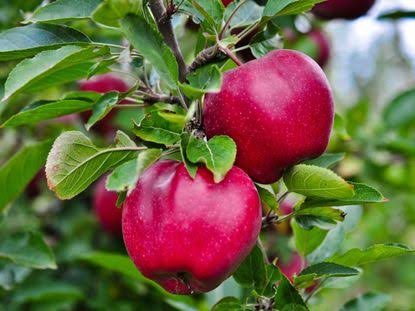
The mountainous regions of Gilgit-Baltistan and Khyber Pakhtunkhwa are known for fruits such as apricots, apples, peaches, and cherries. These fruits provide income opportunities for rural families and contribute to local food diversity.
7. Pakistan Has Famous Pink Salt Resources
Pakistan’s Salt Range, including the Khewra area, is famous for its pink rock salt. Although salt mining is not agriculture, this natural resource is an important part of Pakistan’s rural economy and demonstrates the country's remarkable natural diversity.
8. Working Animals Support Rural Livelihoods
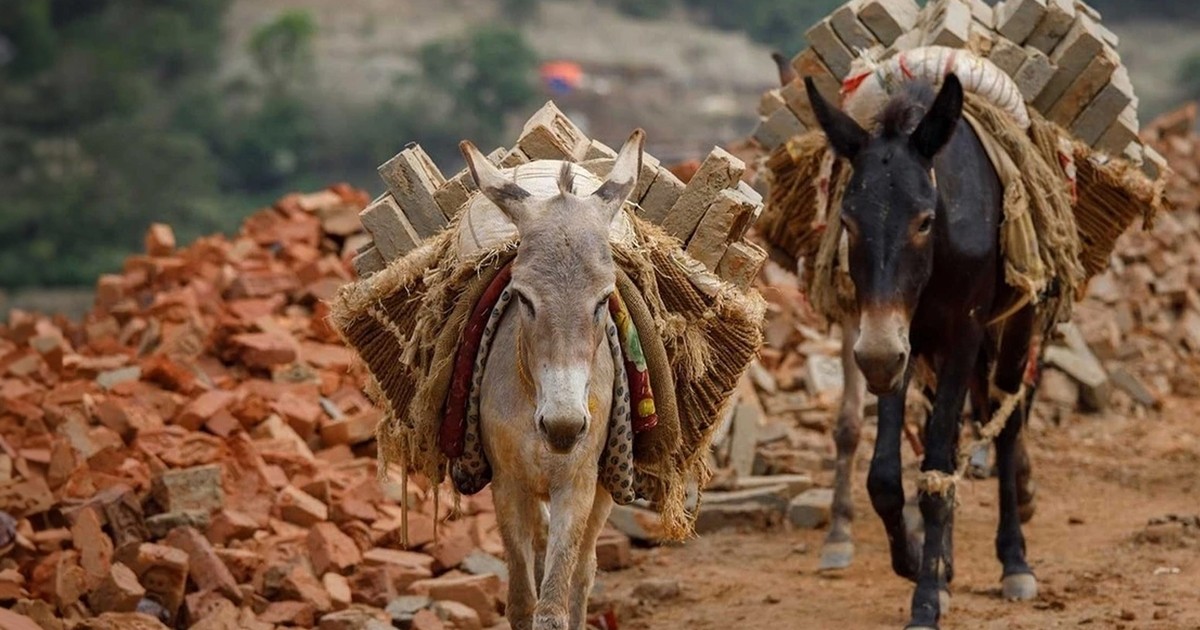
Donkeys, horses, mules, and oxen contribute to rural livelihoods by carrying goods, transporting agricultural produce, and performing other essential tasks. In some communities, donkeys transport coal and construction materials under challenging conditions. Their health and welfare deserve proper attention, including suitable nutrition, clean water, humane handling, and veterinary care.
Conclusion: Protecting Our Agricultural Future
Pakistan’s agriculture is a remarkable combination of crops, livestock, natural resources, and hardworking rural communities. However, farmers face challenges such as water scarcity, changing weather patterns, rising input costs, and limited access to modern technology.
Sustainable farming, efficient water management, animal welfare, and support for small farmers can help build a stronger agricultural future.