Drill Monkey - Nigeria’s Mysterious and Endangered Forest Primate
Hello Steemit friends
Imagine walking through the dense tropical forests of Africa and suddenly spotting a powerful monkey with a dark face, bright red lower lip, and an impressive, colourful rump! You might have encountered one of Africa’s most fascinating and least-known primates—the Drill Monkey
Where Are Drill Monkeys Found?
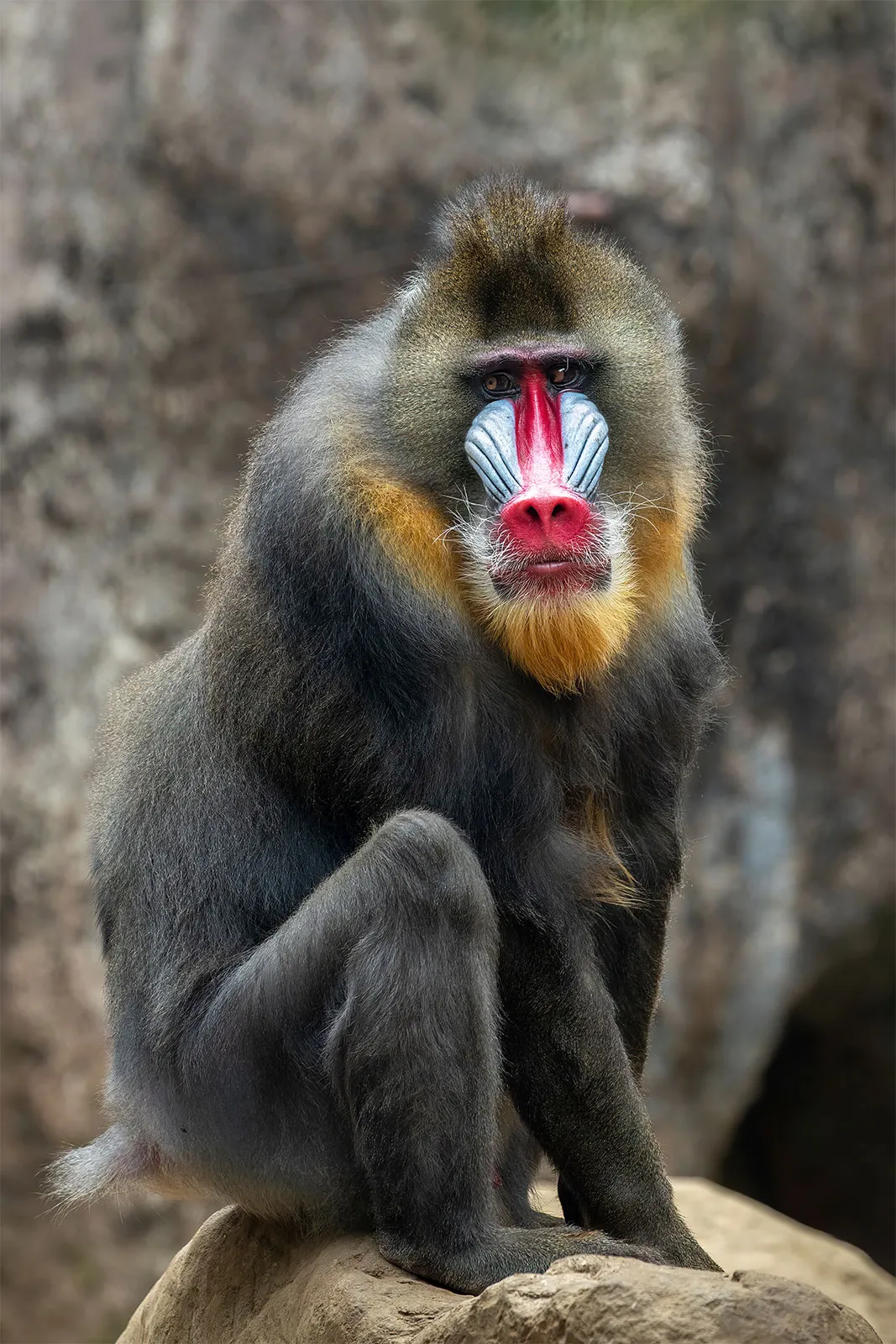
Drill monkeys (Mandrillus leucophaeus) live in the forests of southeastern Nigeria, southwestern Cameroon, and Bioko Island in Equatorial Guinea. They prefer dense tropical forests, where thick vegetation provides food, shelter, and protection. Nigeria is particularly important for their survival, as these rare primates depend on the country's remaining forest habitats.
What Makes Drill Monkeys Special?
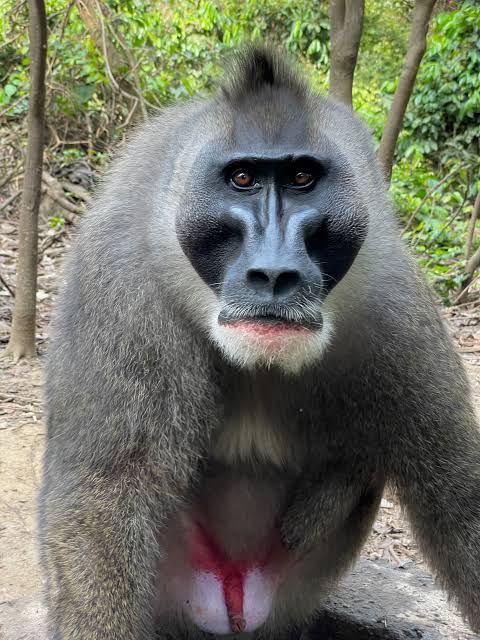
Drills are large, muscular primates with dark brown or black fur, a hairless black face, and a striking red lower lip. Adult males are considerably larger than females and can develop a colourful rump that helps make them recognisable.
Despite their powerful appearance, drills are social animals. They live in groups, communicate through facial expressions and vocalisations, and spend much of their time searching for food. Their diet includes fruits, seeds, leaves, roots, insects, and other small animals.
Why Are They Important to Nature?
Drill monkeys are more than fascinating forest residents. By eating fruits and dispersing seeds, they can contribute to forest regeneration and help maintain healthy ecosystems. Their survival is closely connected to the health of tropical forests.
A Species in Danger
Sadly, drill monkeys are classified as Endangered. Hunting, illegal wildlife trade, and forest destruction threaten their future. As forests disappear, these remarkable animals lose the places where they feed, live, and raise their young.
A Message for Steemit Friends
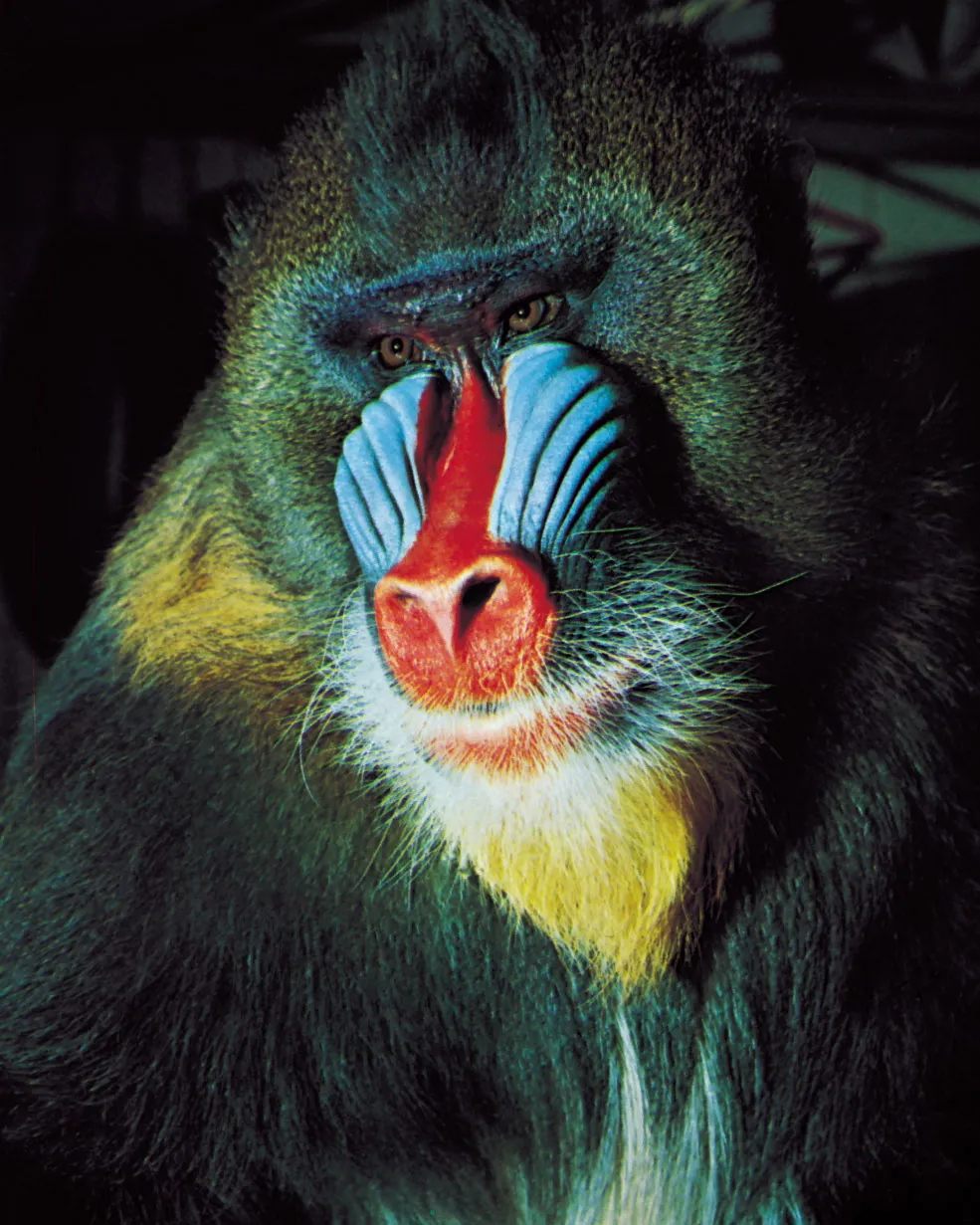
Protecting drill monkeys means protecting forests, biodiversity, and the natural heritage of Nigeria. Sustainable agriculture, responsible forest management, and wildlife conservation can help safeguard their future.
What do you think? Can communities and farmers work together to protect endangered wildlife while sustaining their livelihoods?