The Invisible Backbone of Rural Life: The Untold Story of Working Equids
Hello Steemit friends
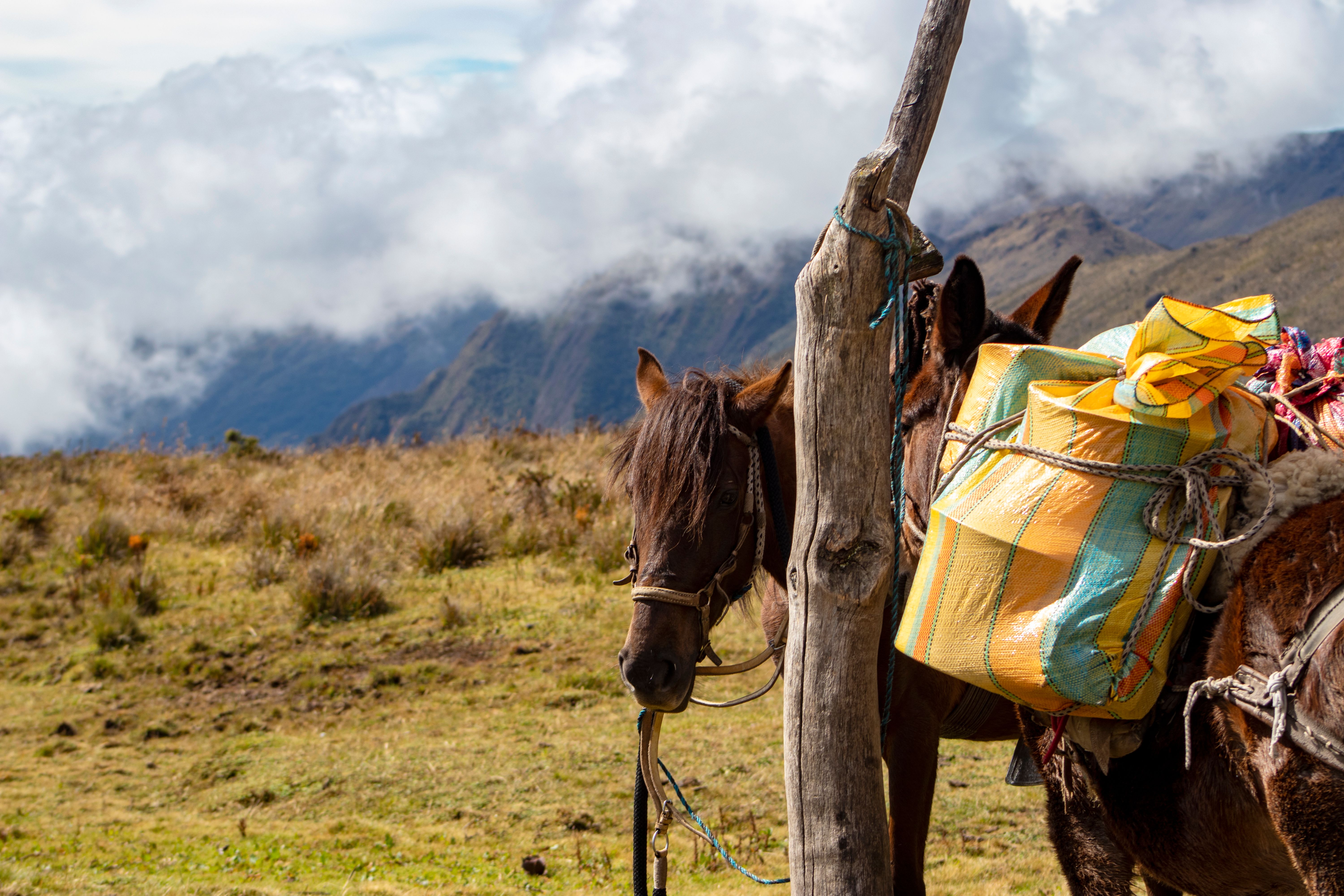
Have you ever stopped to think about who carries the burden when a poor family has no tractor, no vehicle, and no other means of transport?
Sometimes, the answer is "four legs"
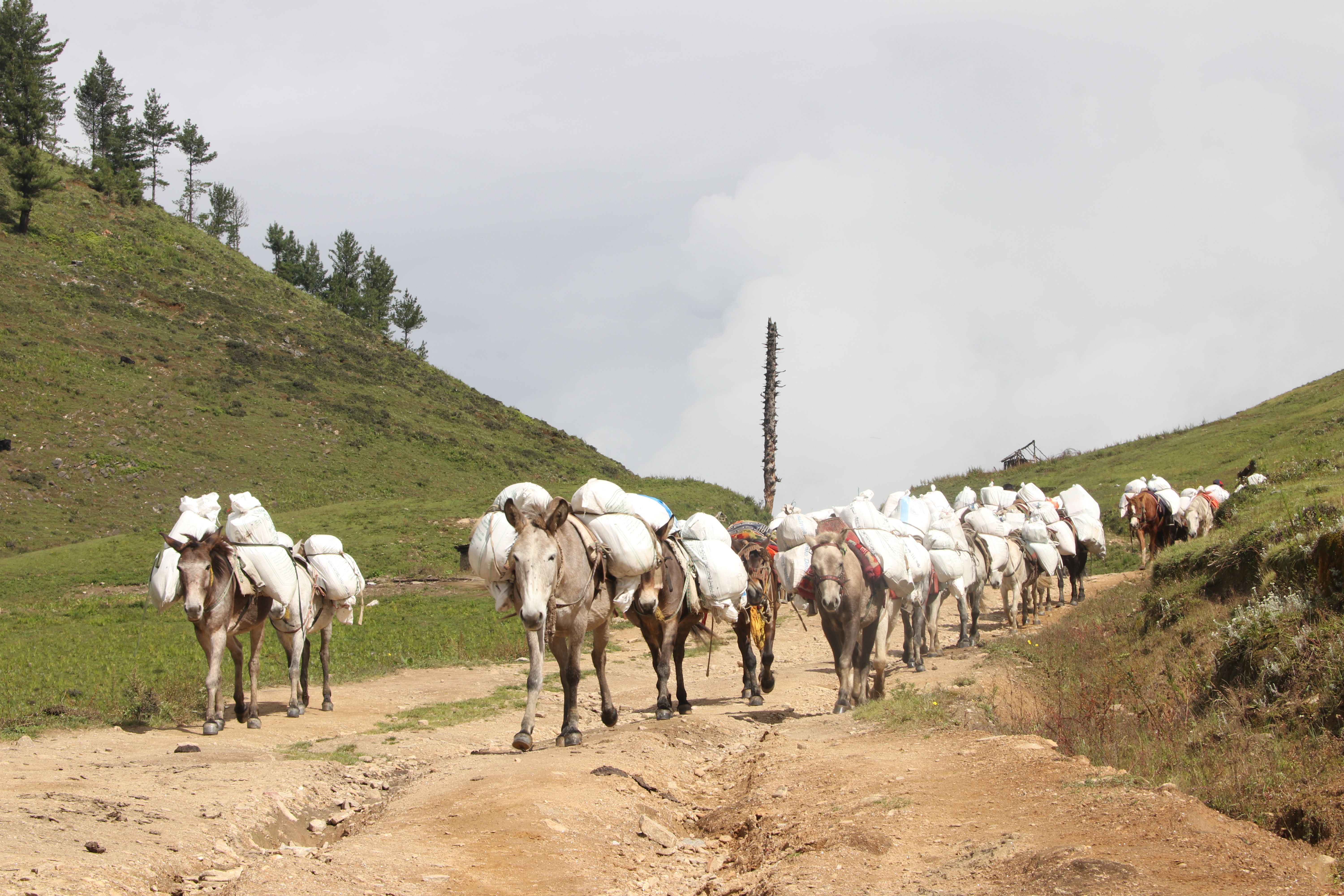
A donkey carrying bricks through a dusty road.
A horse pulling a heavy cart.
A mule climbing a difficult mountain path.
They may not appear in our economic statistics, but for millions of rural families, working equids are an essential part of everyday life.
The Silent Partners of Rural Communities
Donkeys, horses and mules have worked alongside humans for centuries. They transport agricultural produce, carry water and firewood, move construction materials, and help families earn their daily income.
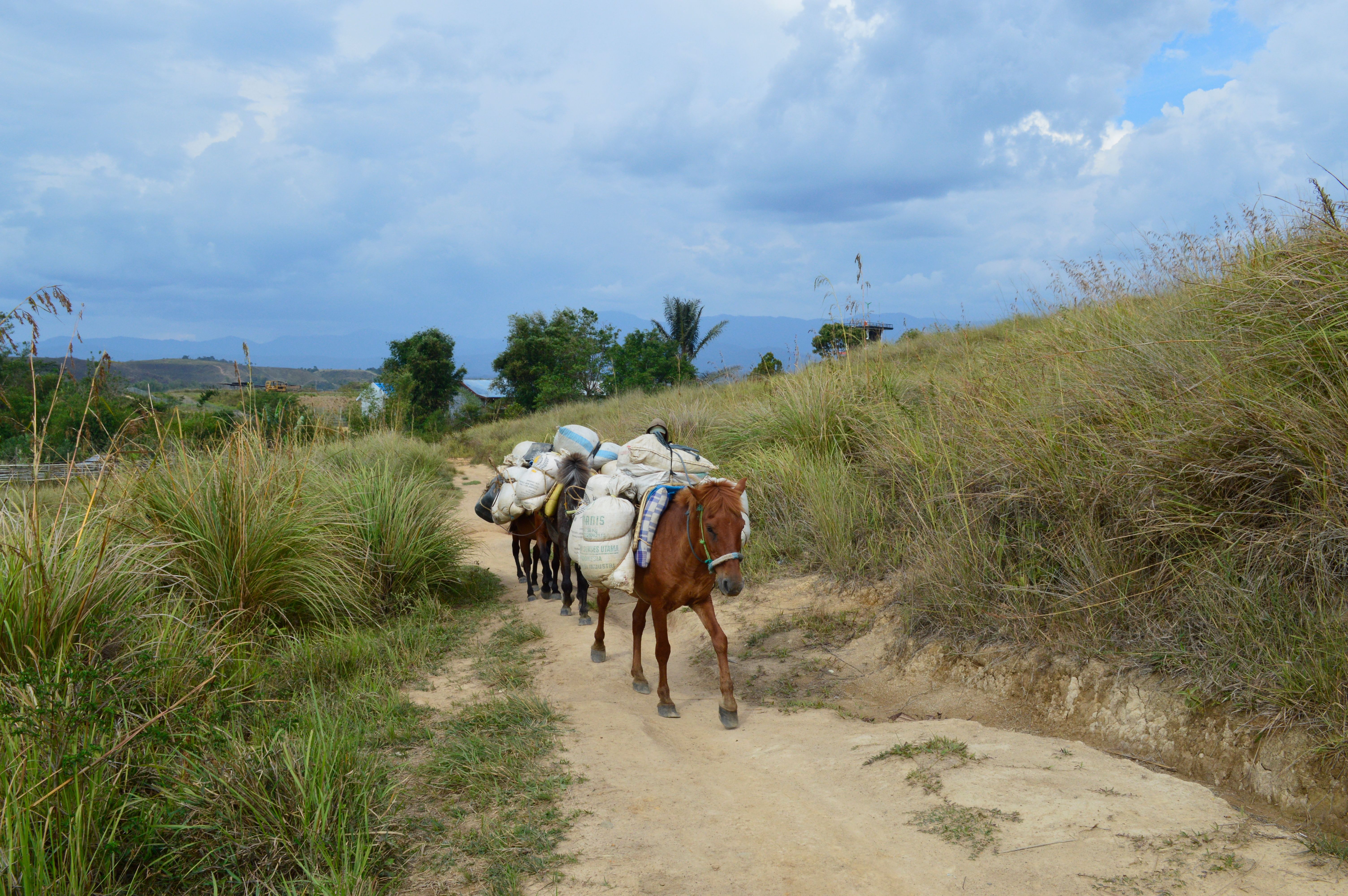
For a small farmer or labourer, a healthy working animal can mean the difference between earning a livelihood and going home empty-handed.
Yet these animals rarely receive the recognition they deserve.
They work quietly.
They endure heat, dust, difficult roads and long working hours. And unlike machines, they need food, water, rest, medical care and compassion.
Their Welfare Is Connected to Human Welfare
When a working equid becomes sick or injured, the problem does not stop with the animal.
The owner's income can also suffer.
This is why animal welfare and human livelihood are deeply connected in rural communities. Providing access to clean water, nutritious feed, proper harnessing, veterinary treatment, humane handling and adequate rest can improve the lives of both animals and their owners.
A healthy animal can work more comfortably. A knowledgeable owner can protect the animal from unnecessary suffering. And a stronger animal–owner relationship can create a healthier and more sustainable livelihood.
Respect the Workers Who Cannot Speak
Working equids do not ask for recognition.
They simply keep moving.
Behind every load they carry is often a family depending on that work. Behind every tired donkey or horse is a story of patience, endurance and silent service.
So the next time you see a working equid on a rural road, look beyond the load on its back.
See the worker.
See the livelihood.
See the living being.
Because supporting working equids is not simply about helping animals. It is about supporting the people and communities whose lives are connected to them.
Let us give these silent workers something they have earned for generations:
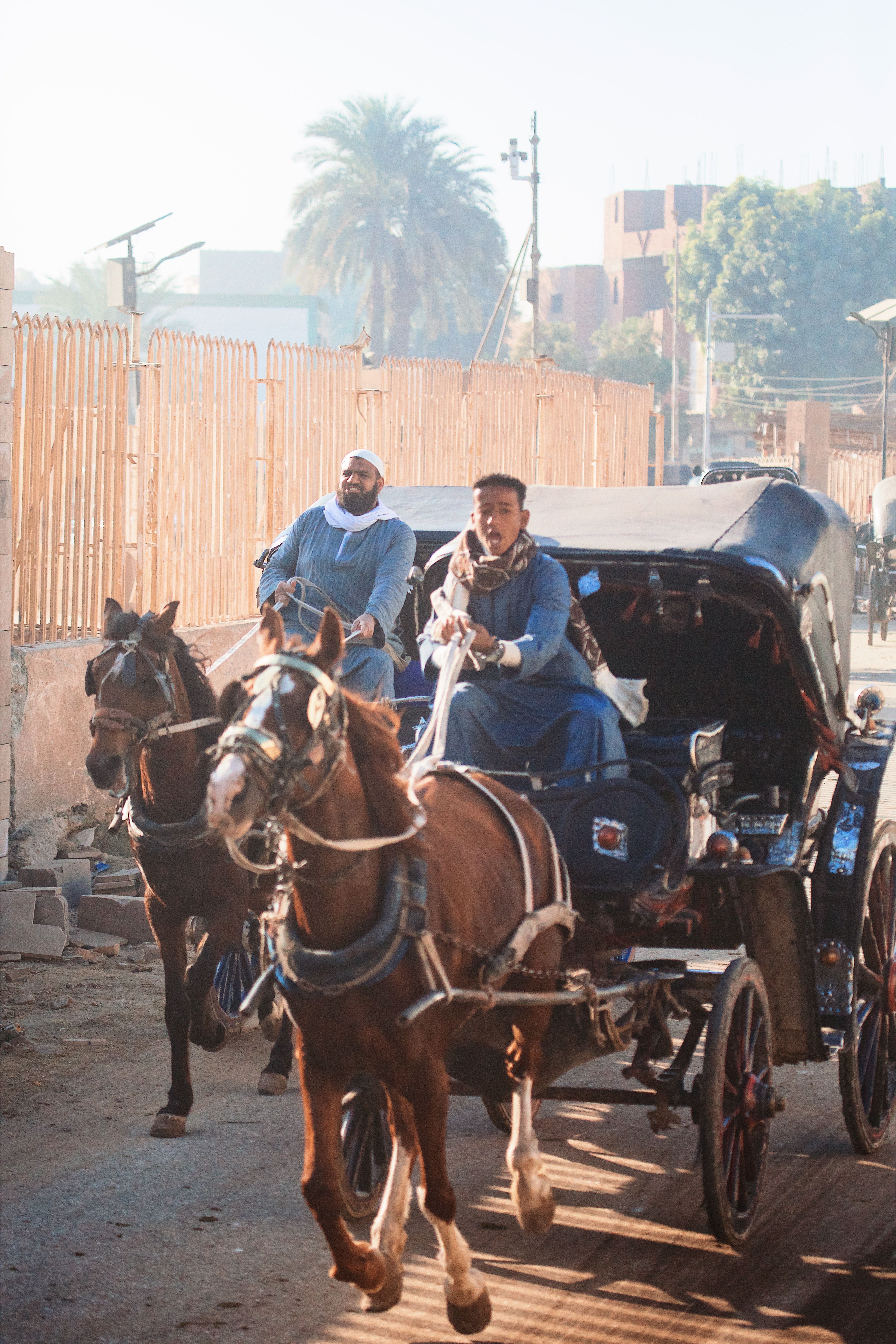
Do you have working equids in your community? What role do they play in the lives of local families? Share your experience in the comments.