Hidden among the beautiful countryside of Kanchanaburi is a remarkable reminder of Thailand's ancient past—Muang Sing Historical Park. Situated beside the Khwae Noi River in Sai Yok District, the park preserves the remains of an ancient city and its impressive Khmer-style sanctuary. Surrounded by greenery and mountains, the ruins provide visitors with a fascinating opportunity to step back in time and imagine the people and civilizations that once lived in this region.
The setting of Muang Sing is part of what makes the experience so special. The ancient city was built on fertile land beside the river, with surrounding mountains adding to its natural beauty. Archaeological evidence shows that people were living in the area long before the construction of the ancient city. Human burials and artifacts discovered near the river have been dated to roughly 2,000 years ago, demonstrating the long history of human activity in the region.
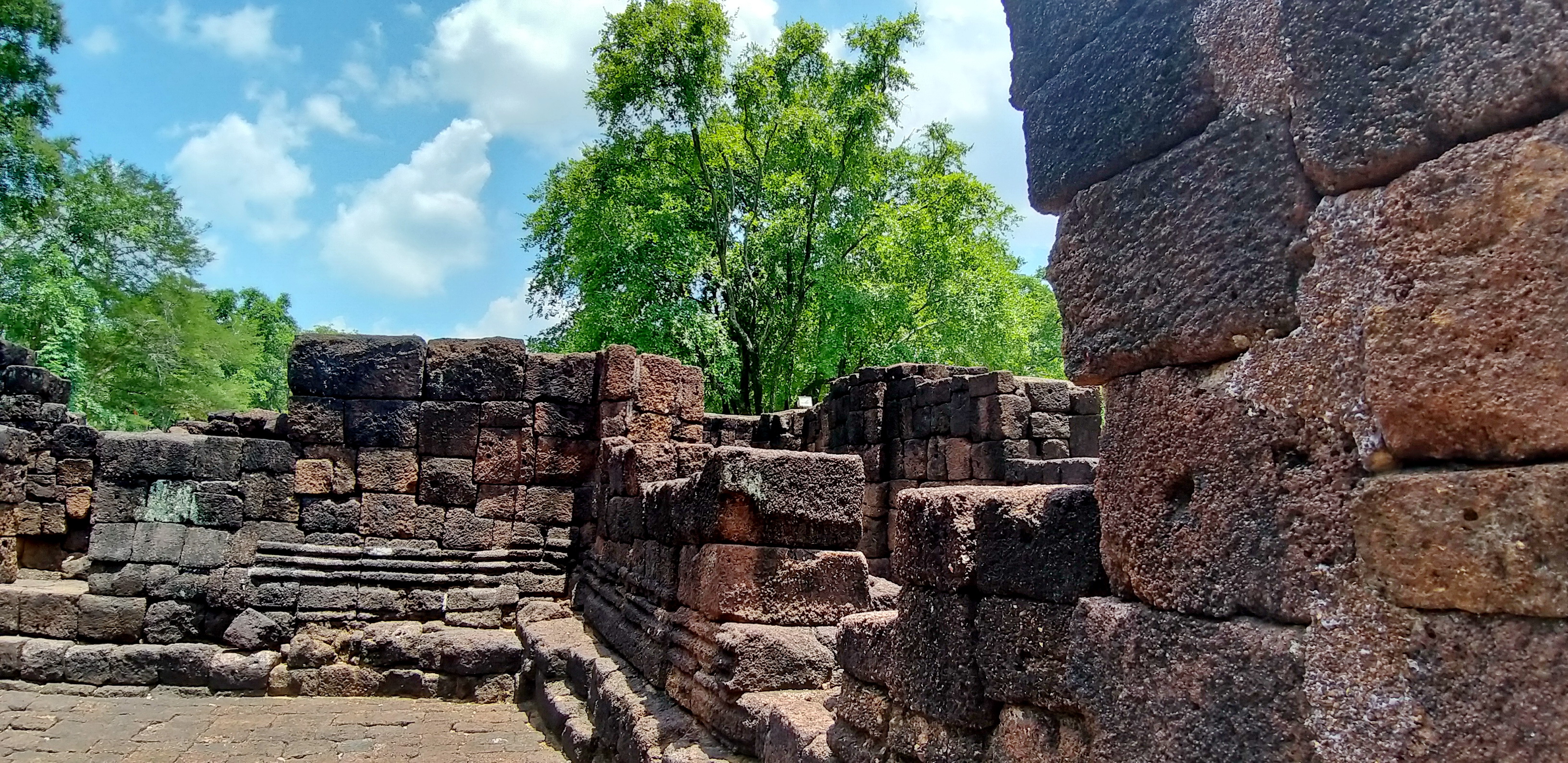
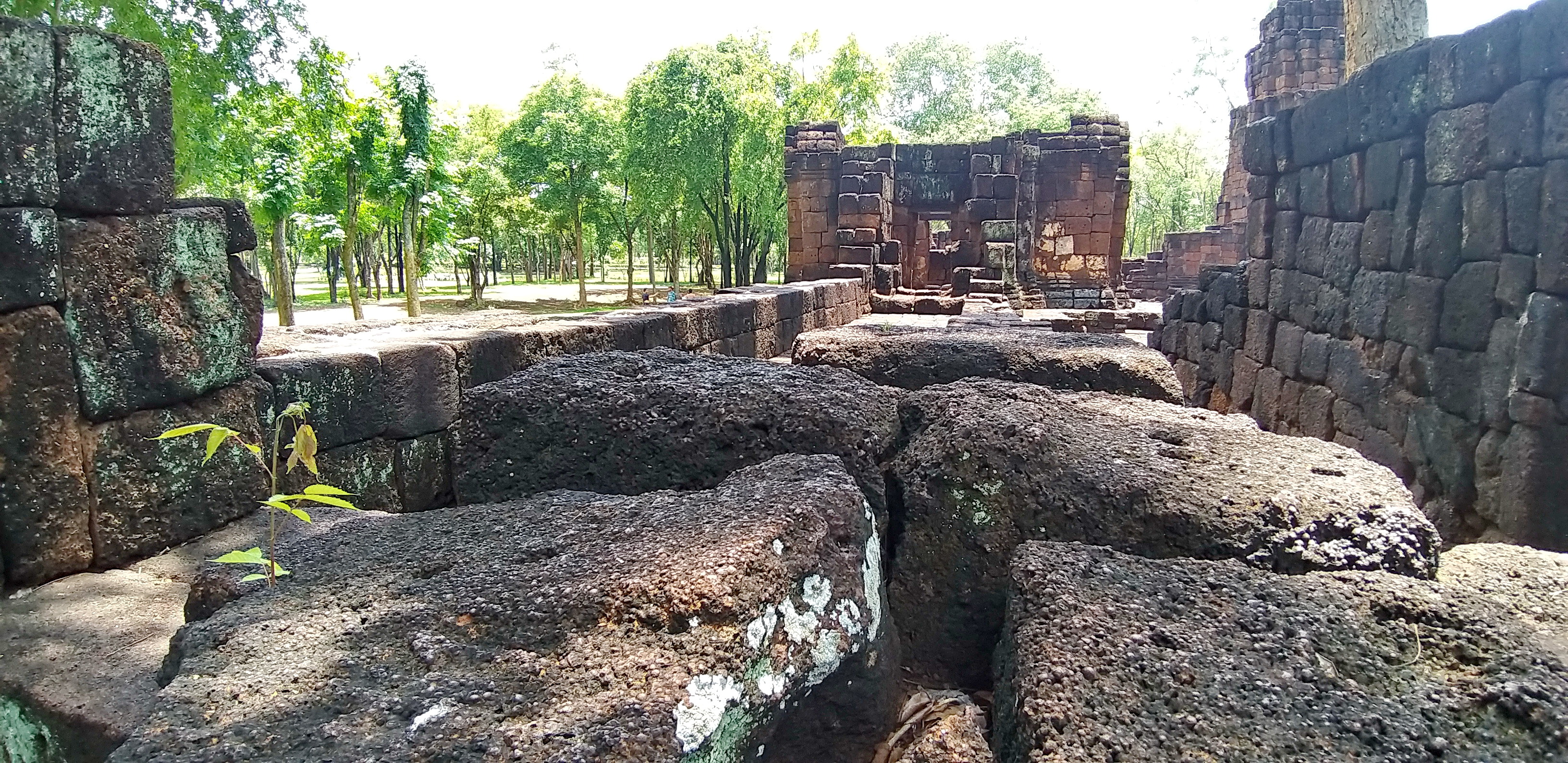
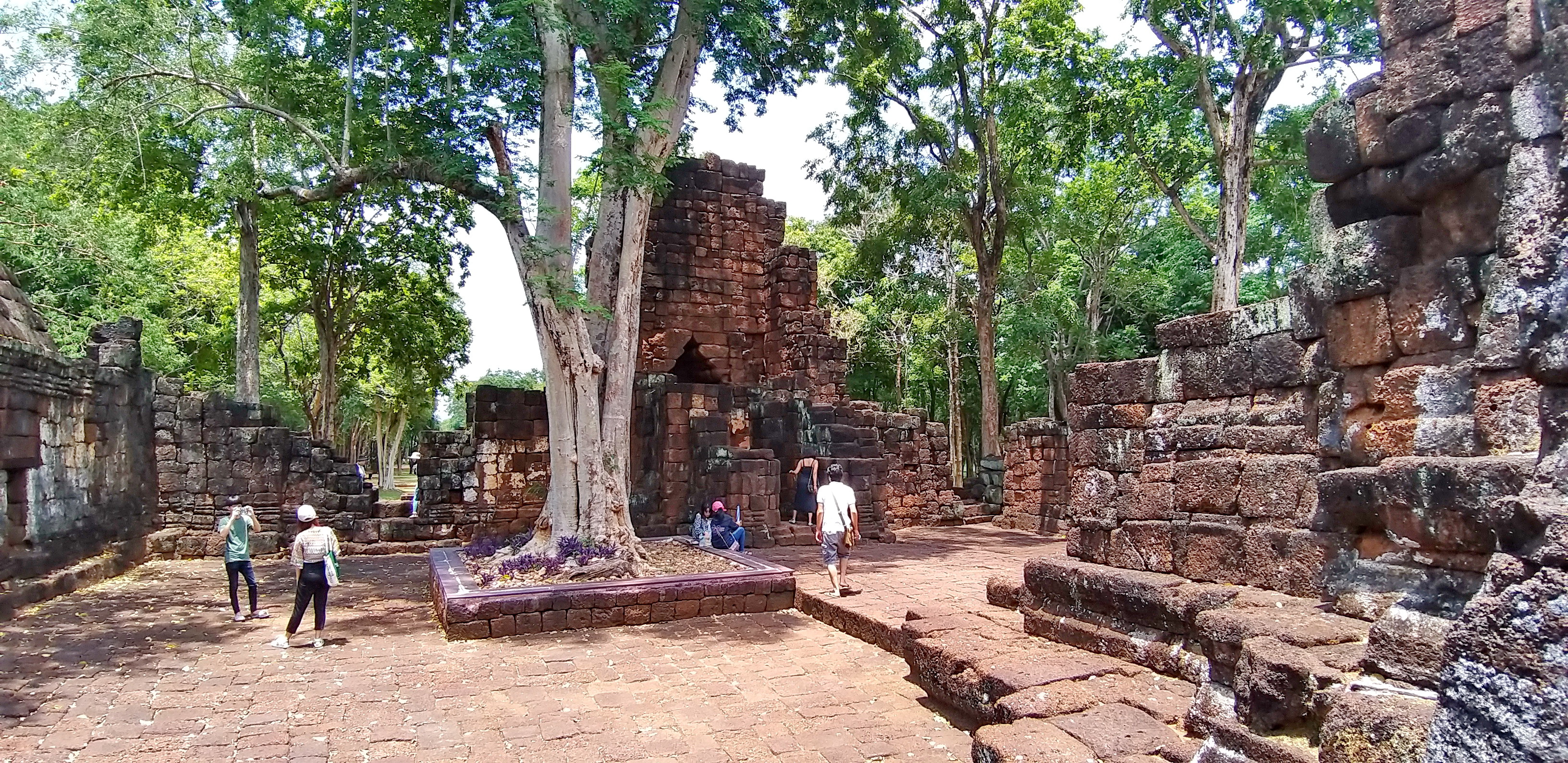
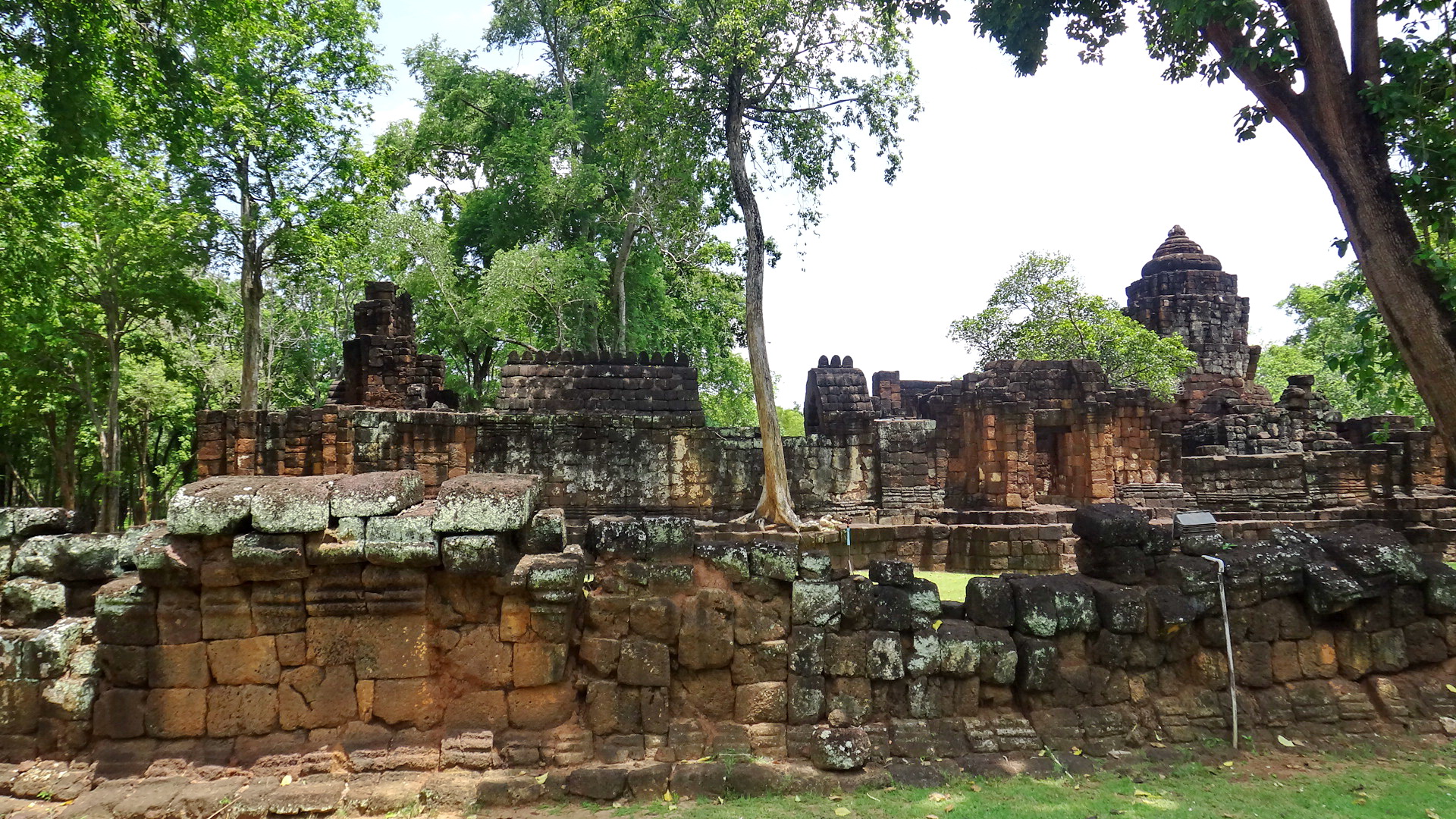
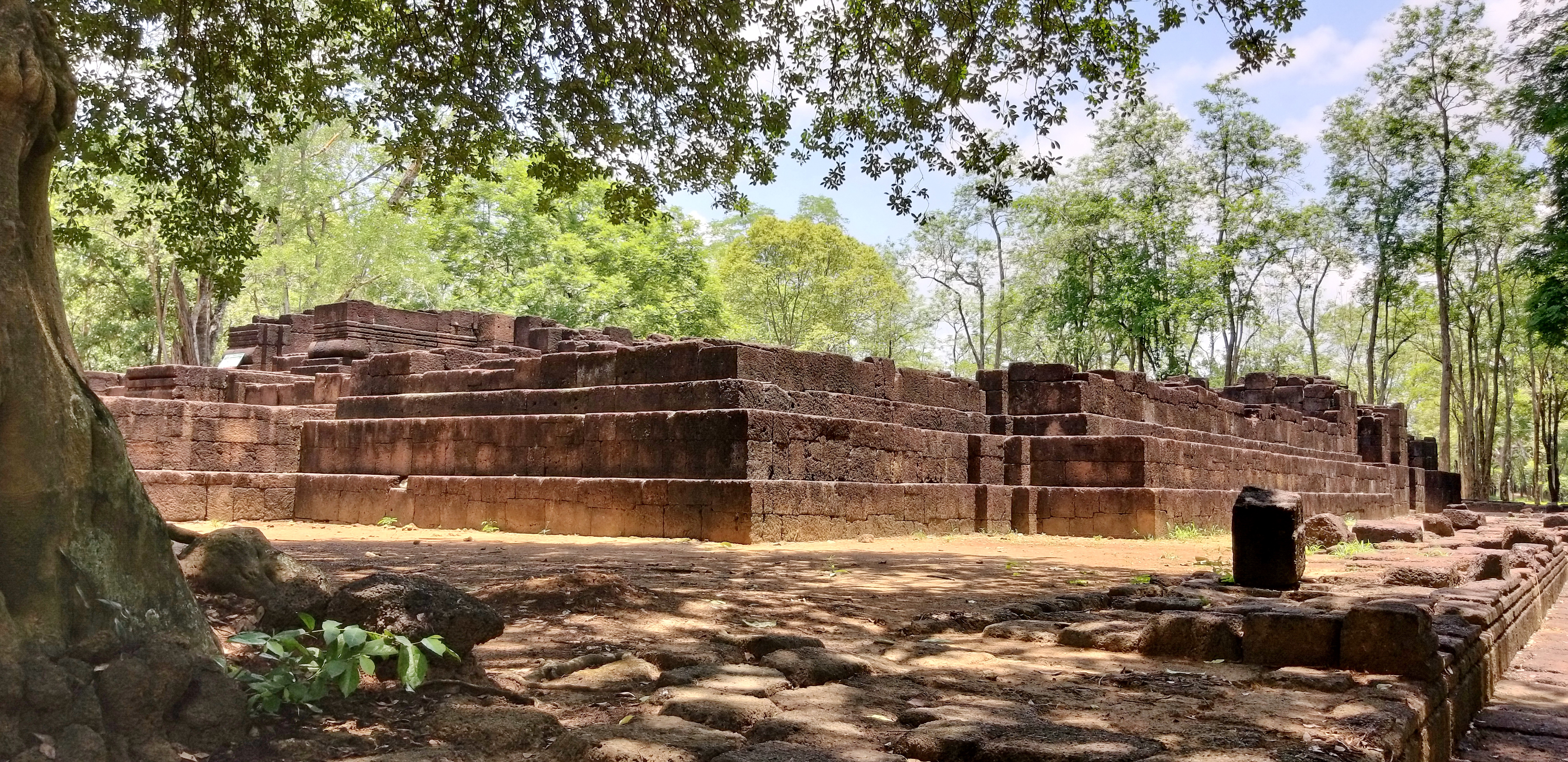
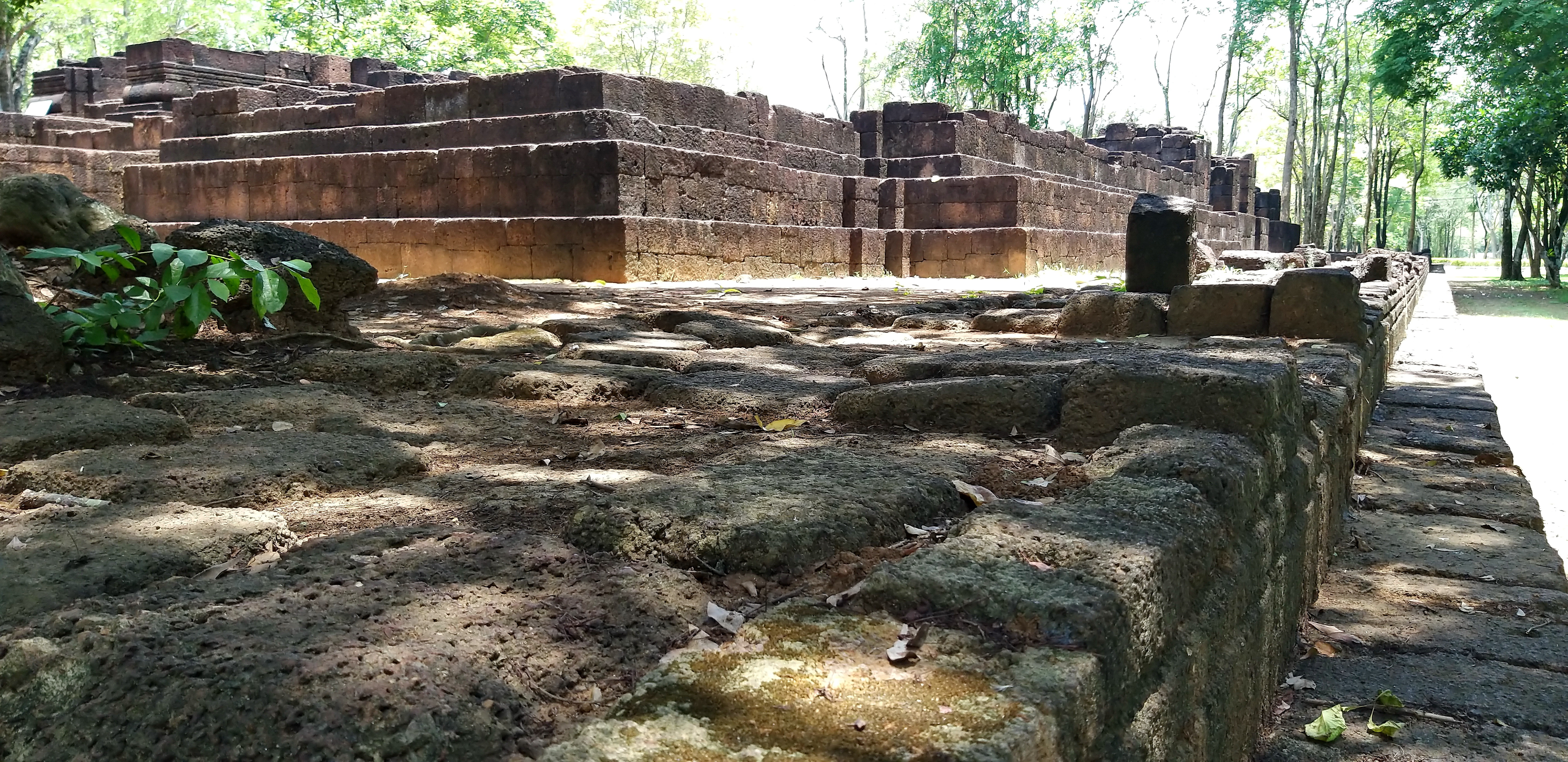
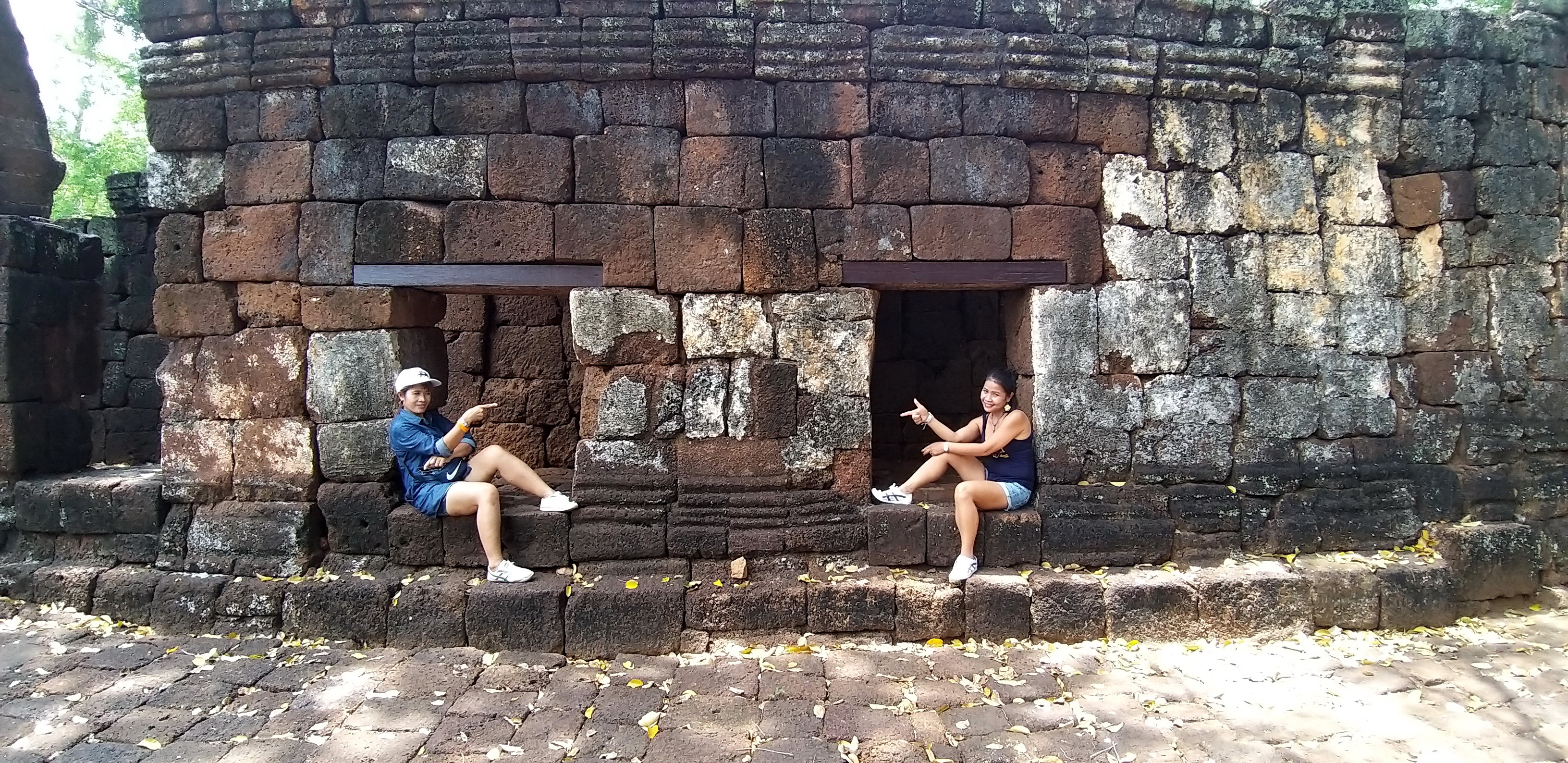
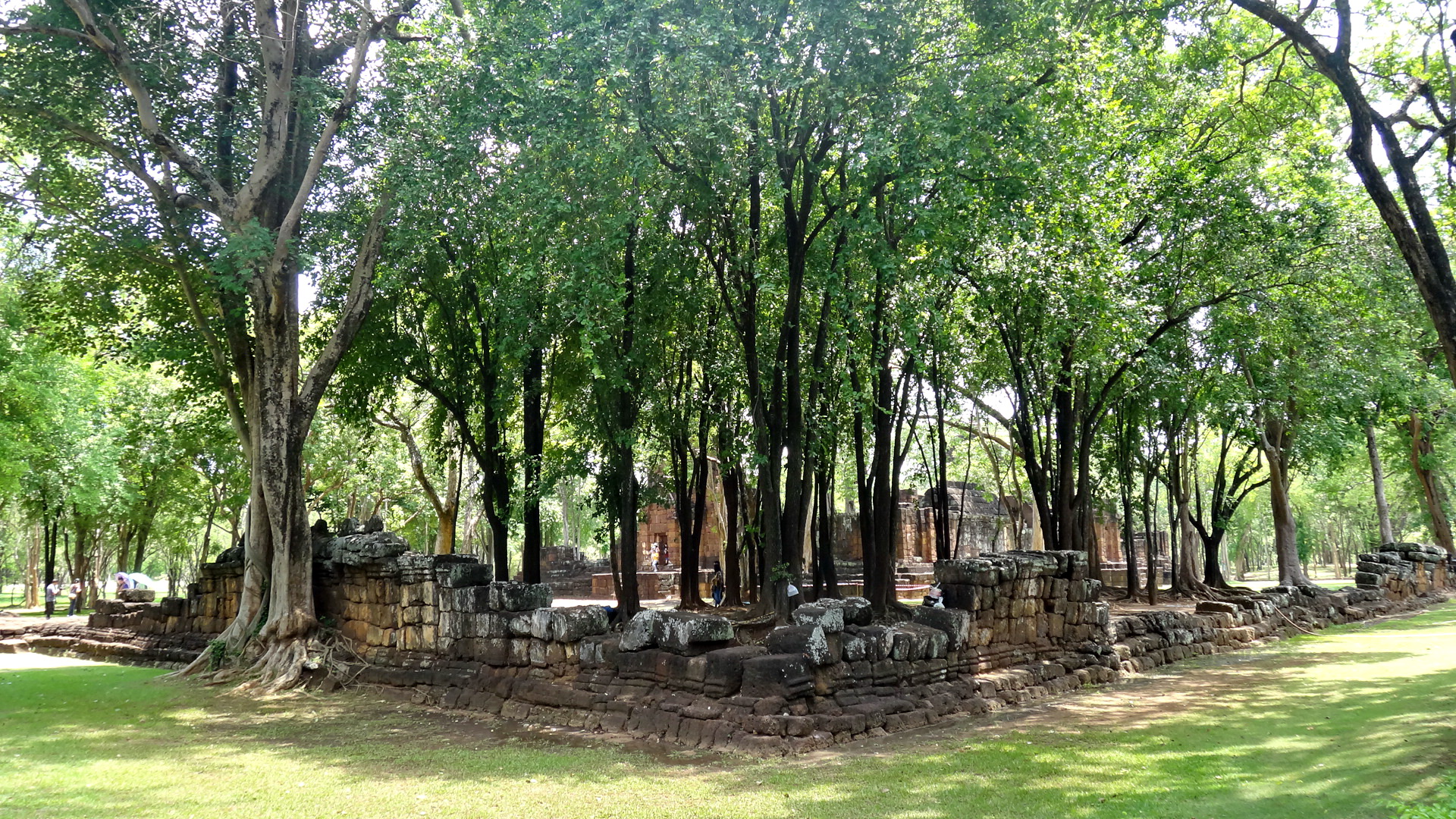
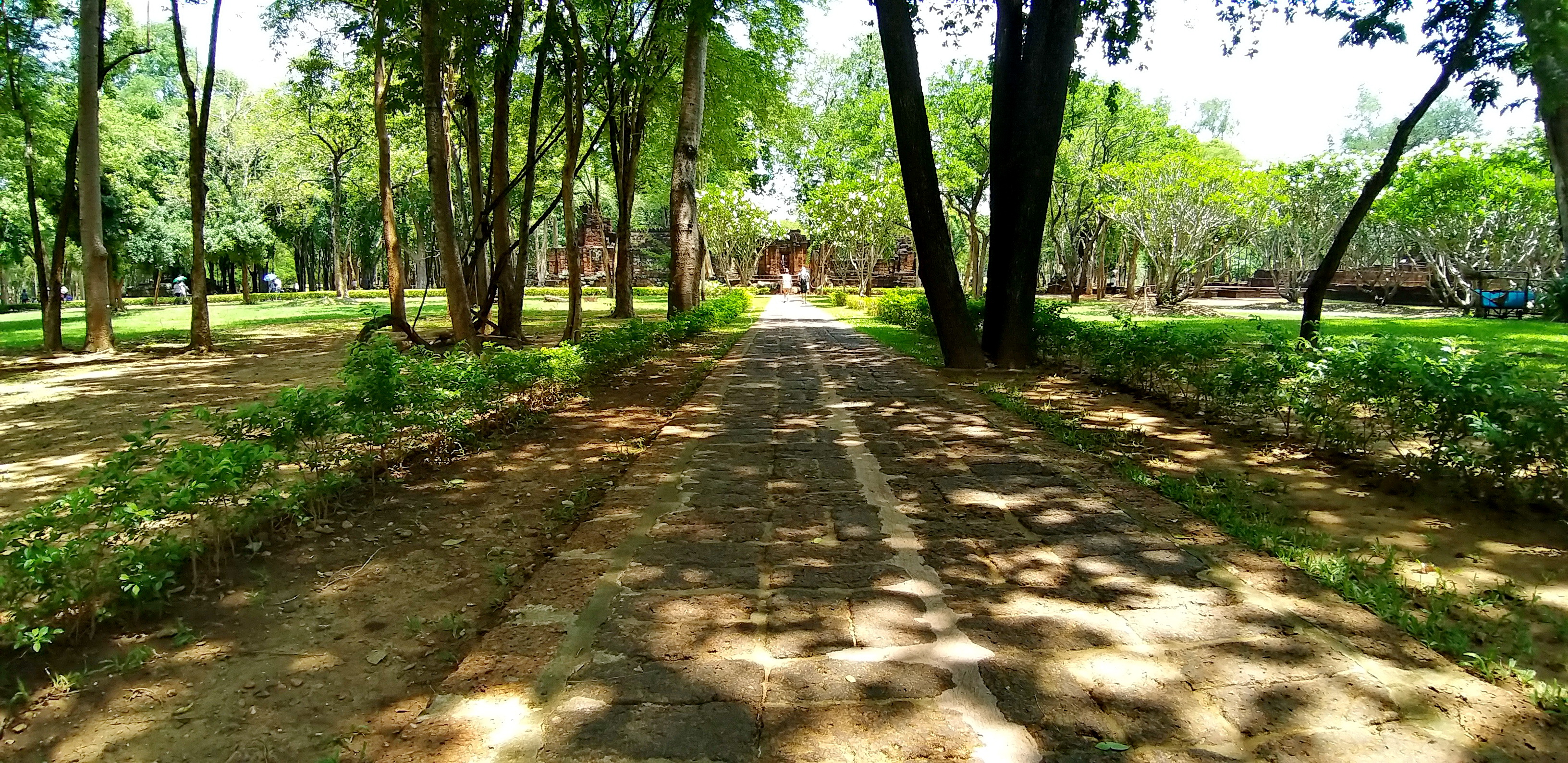
The ancient city itself was laid out in a roughly square form, covering about one square kilometer. It was protected by moats, earthen embankments, and laterite walls, with the principal sanctuary located near the center. Walking through the remains of the city walls and gateways gives visitors a sense of the scale and organization of this historic settlement.
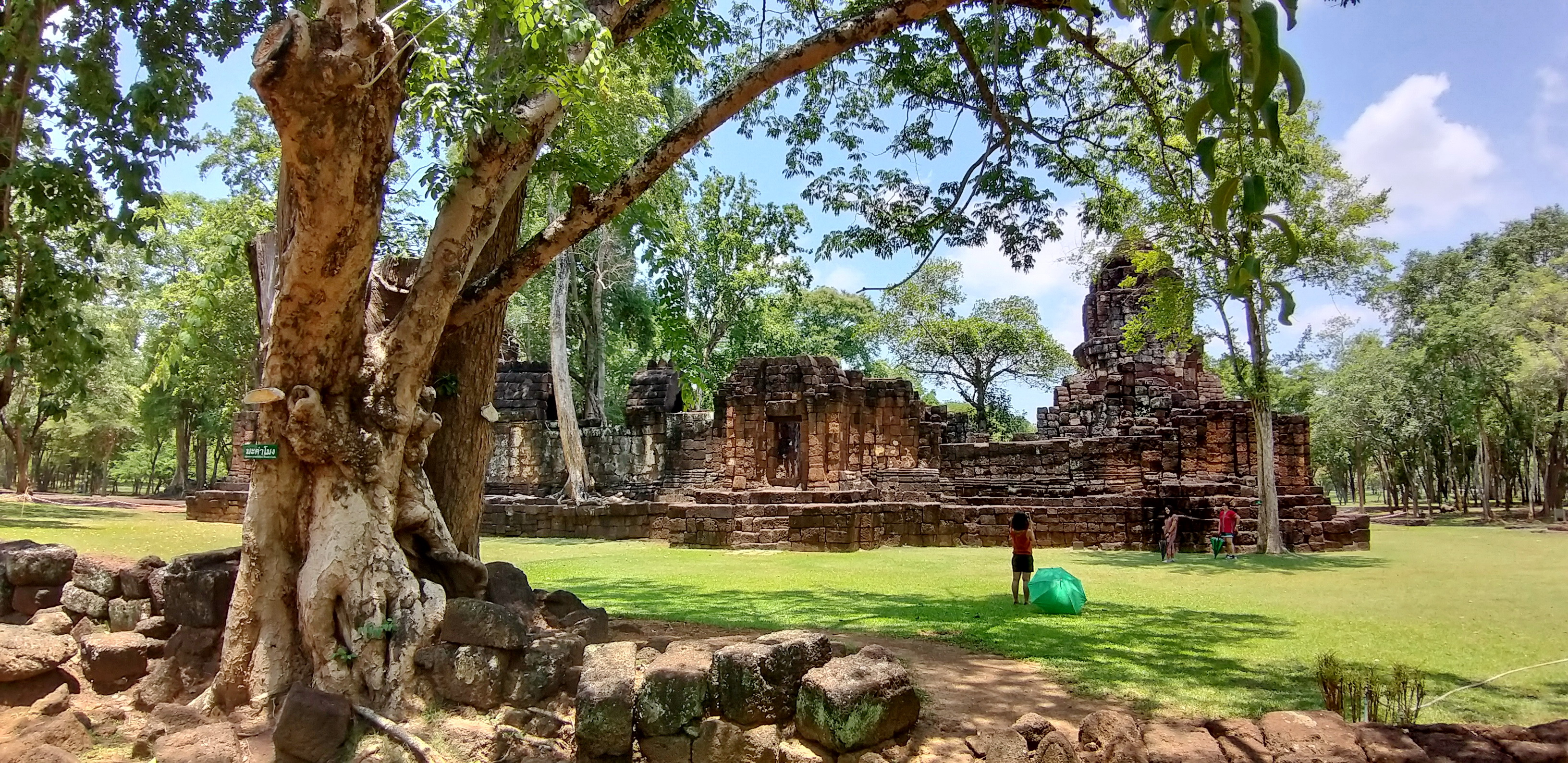
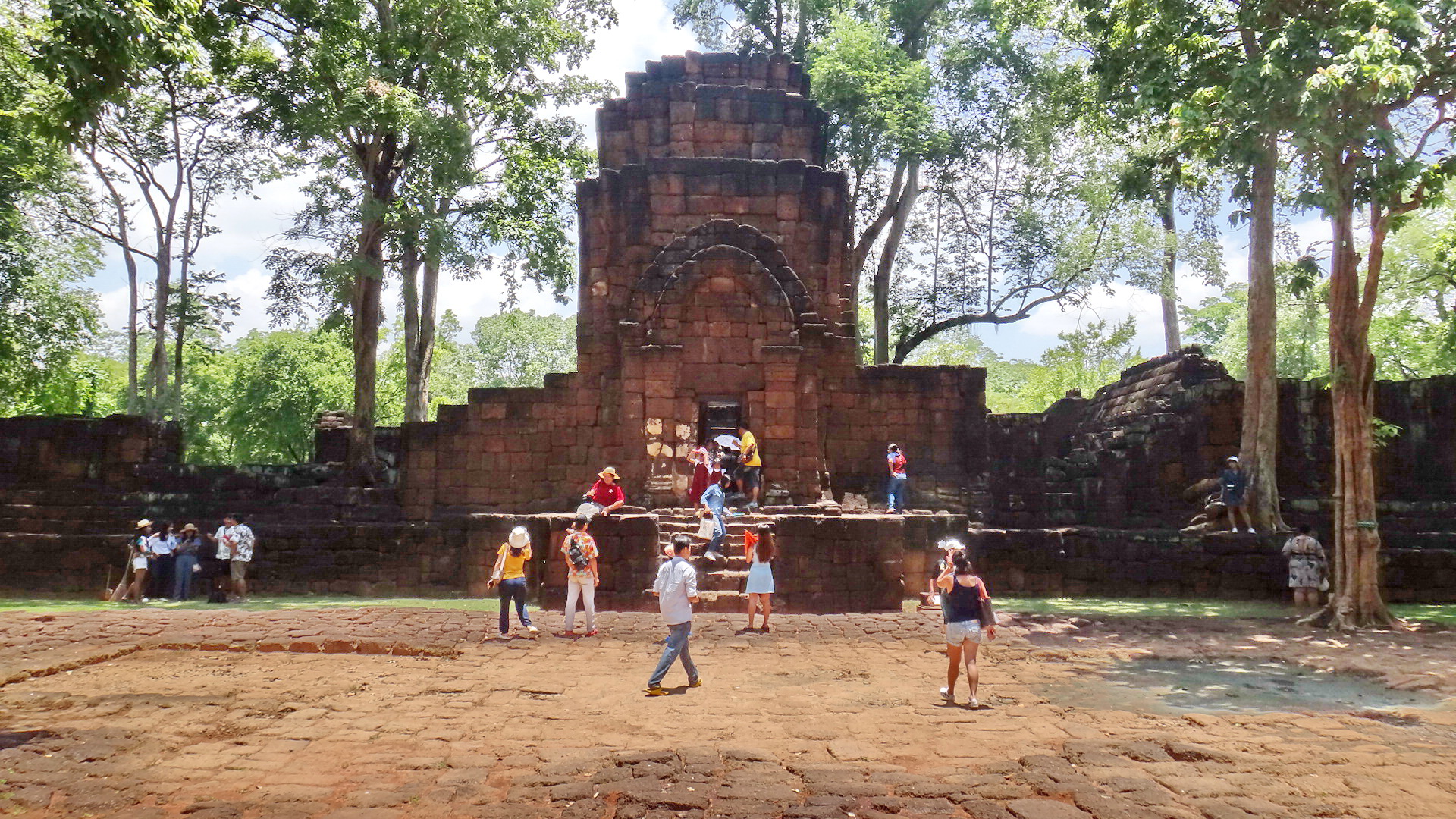
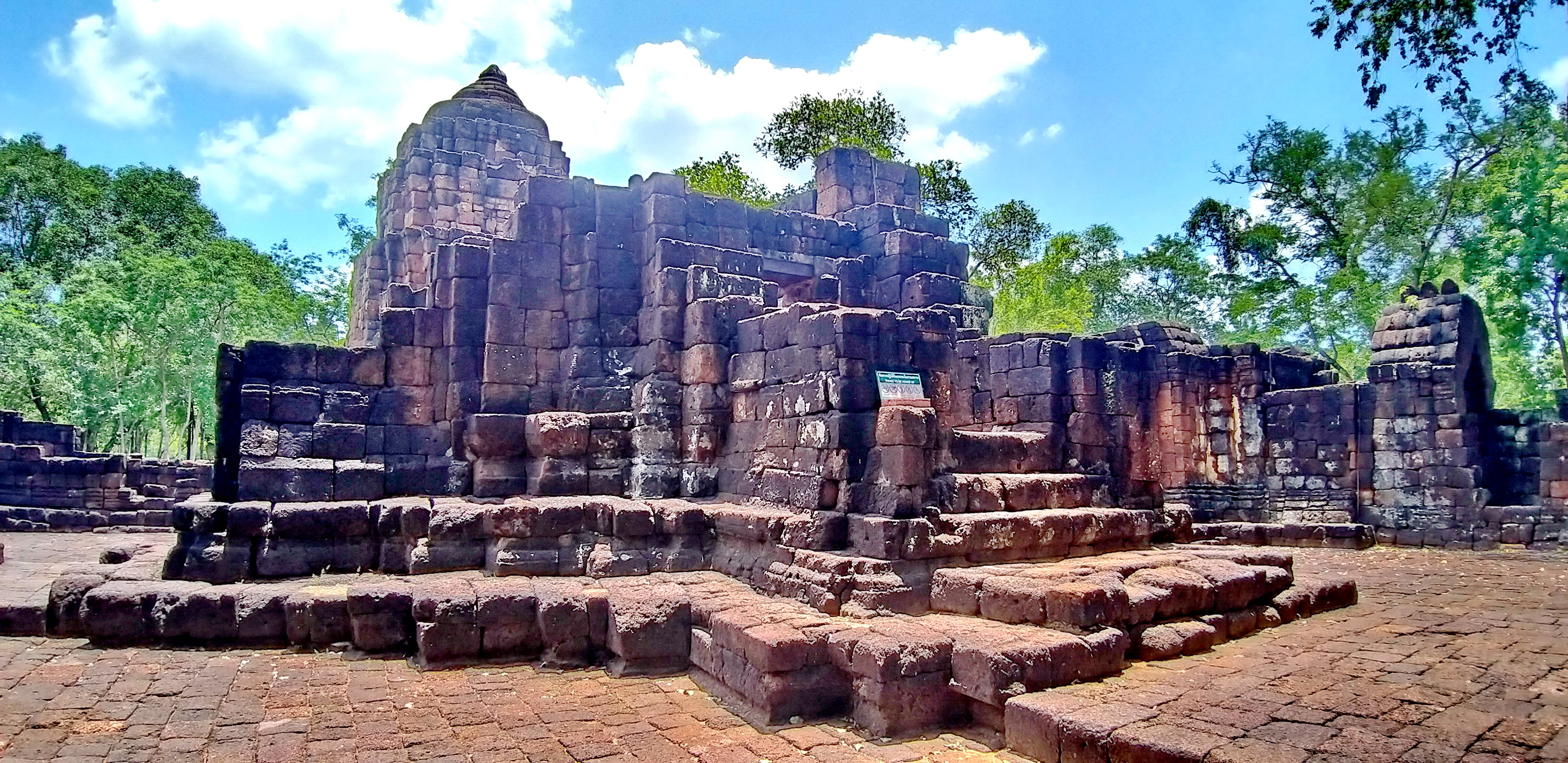
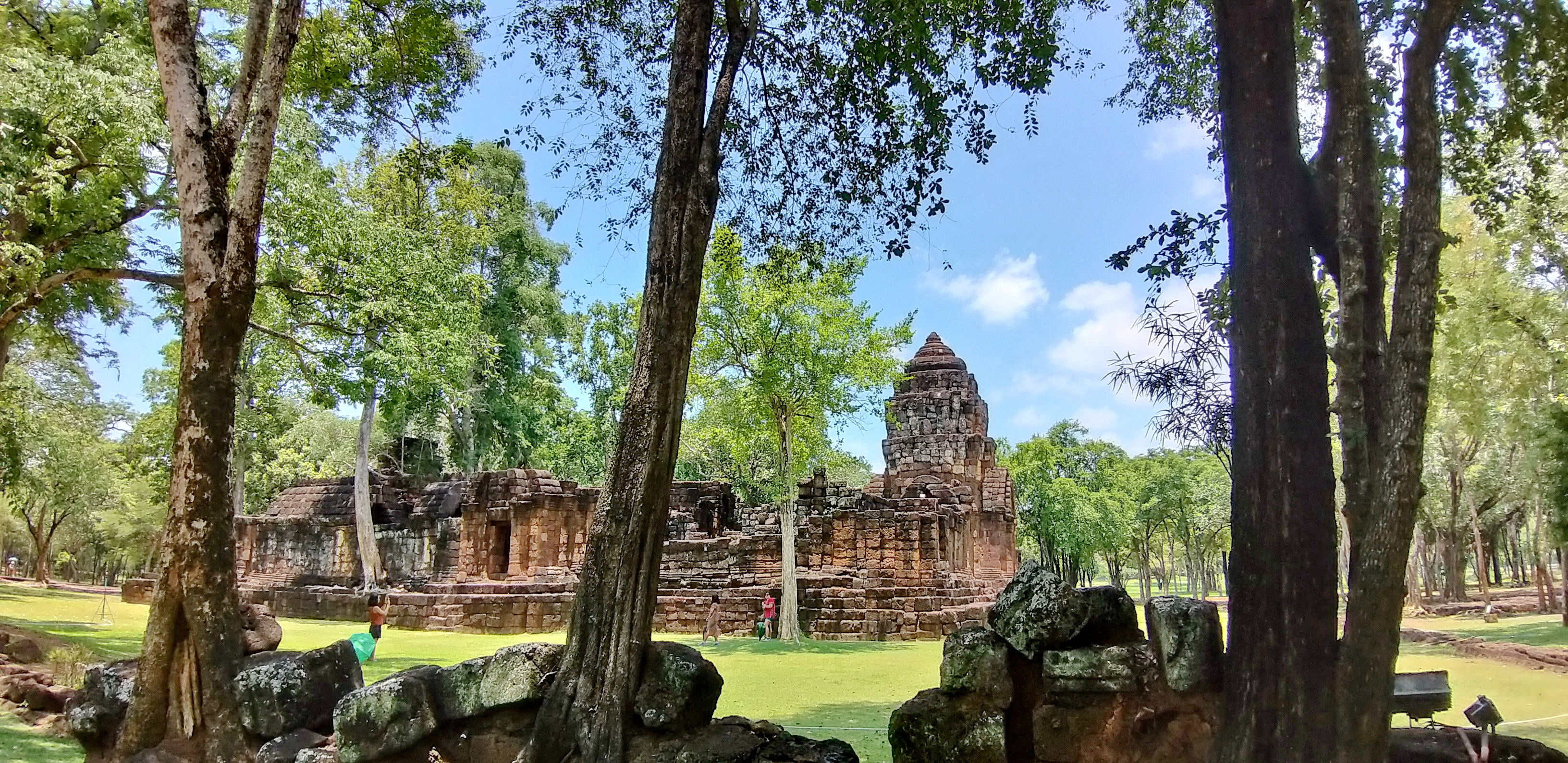
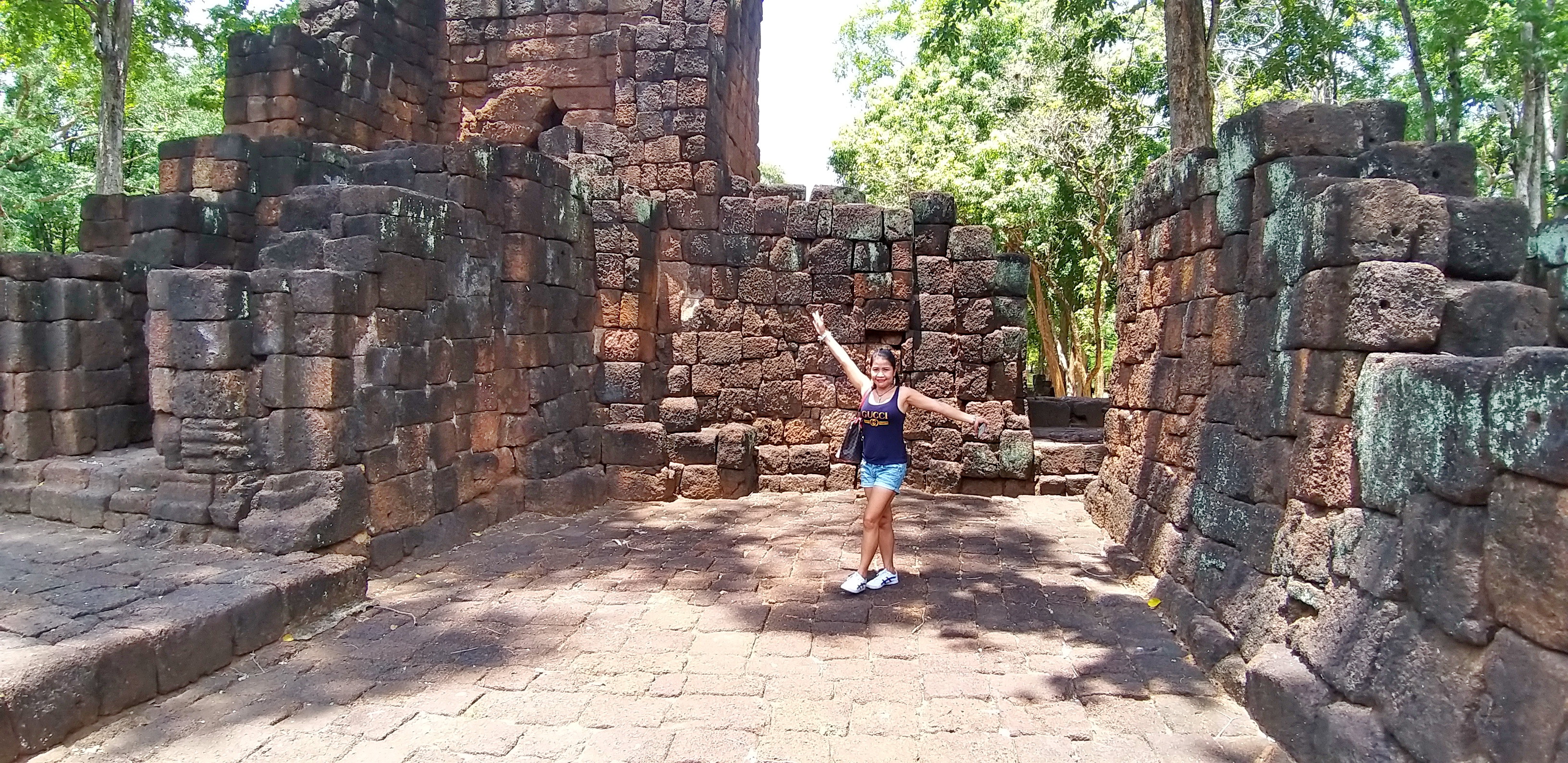
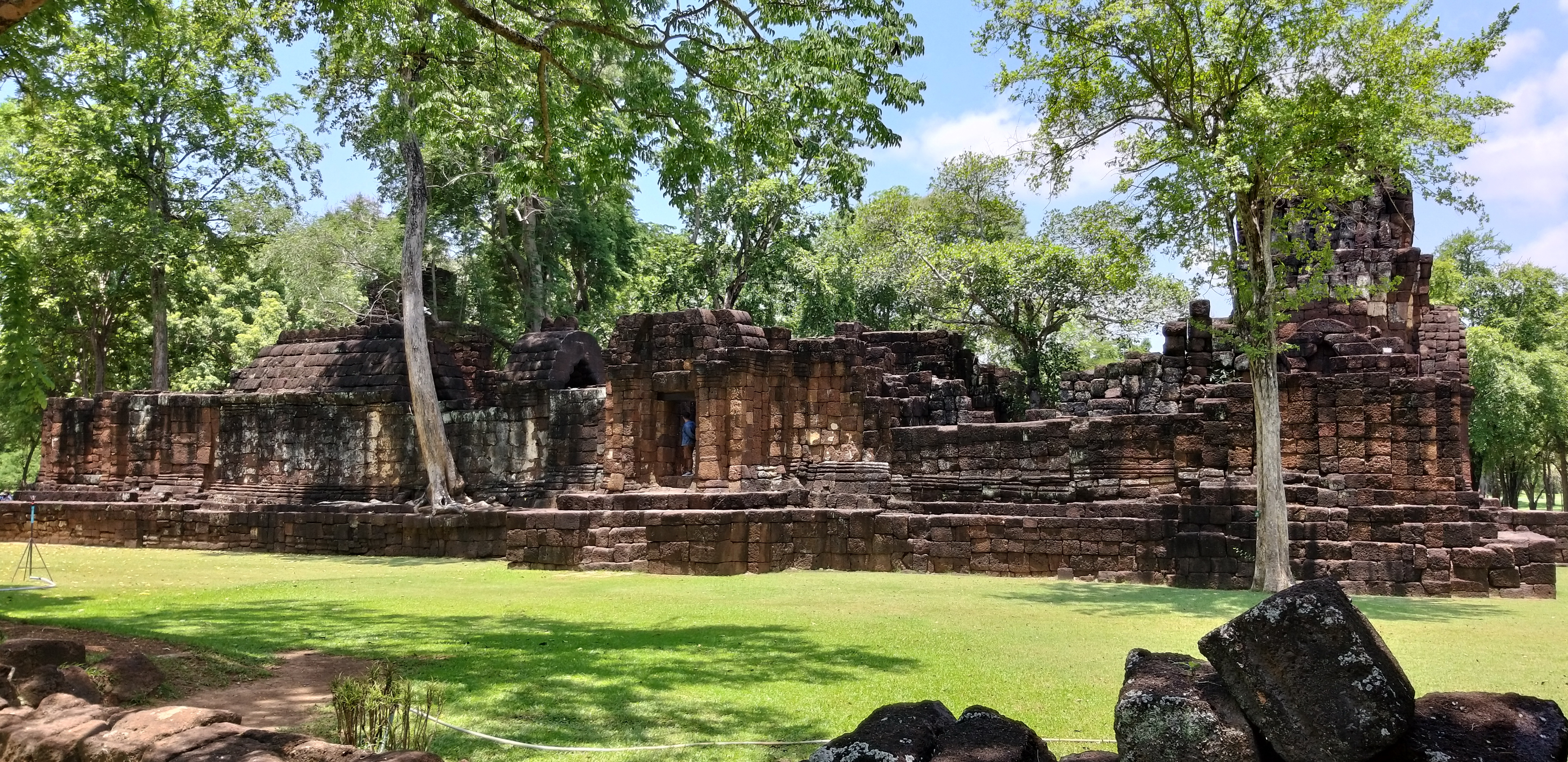
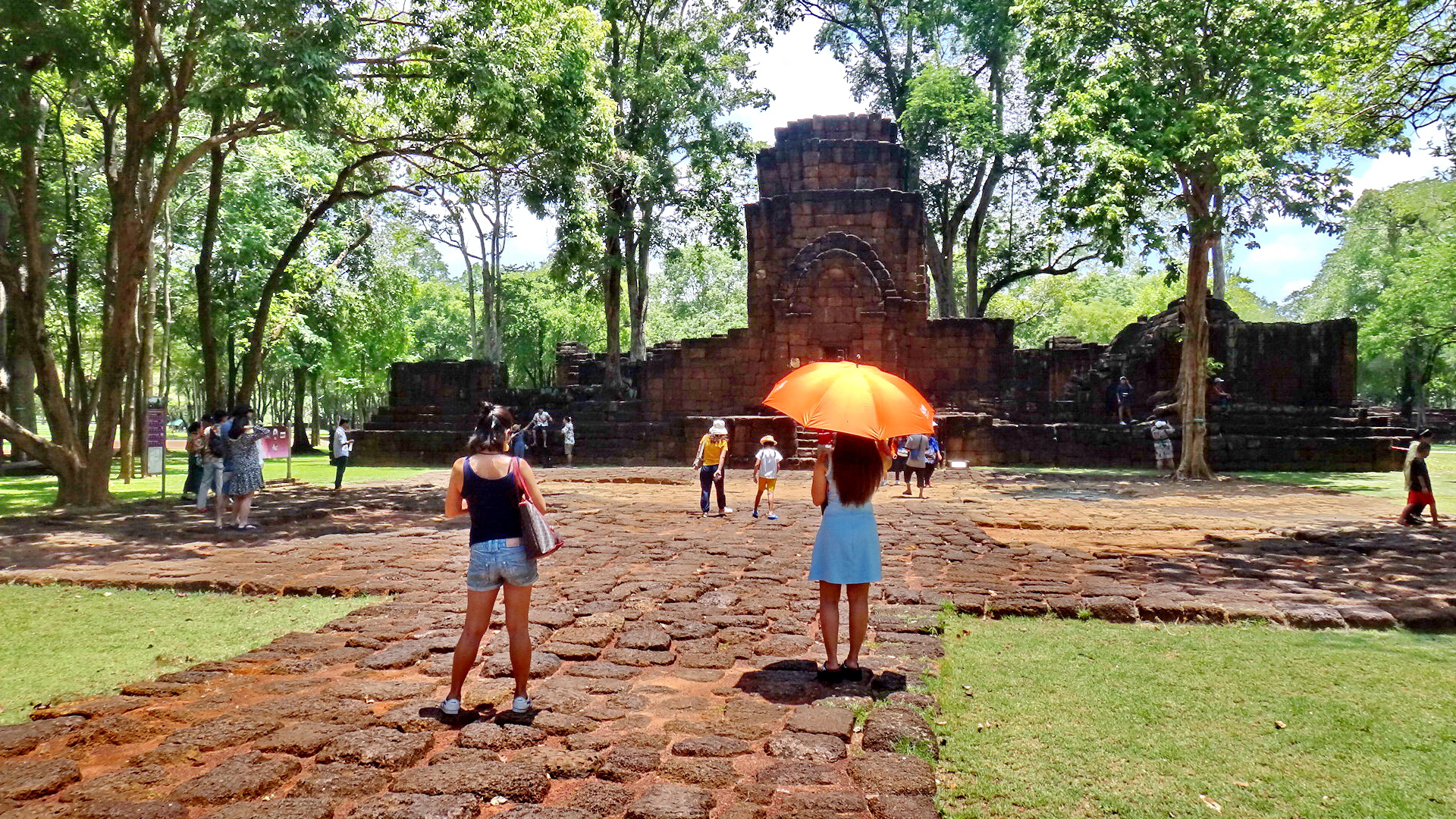
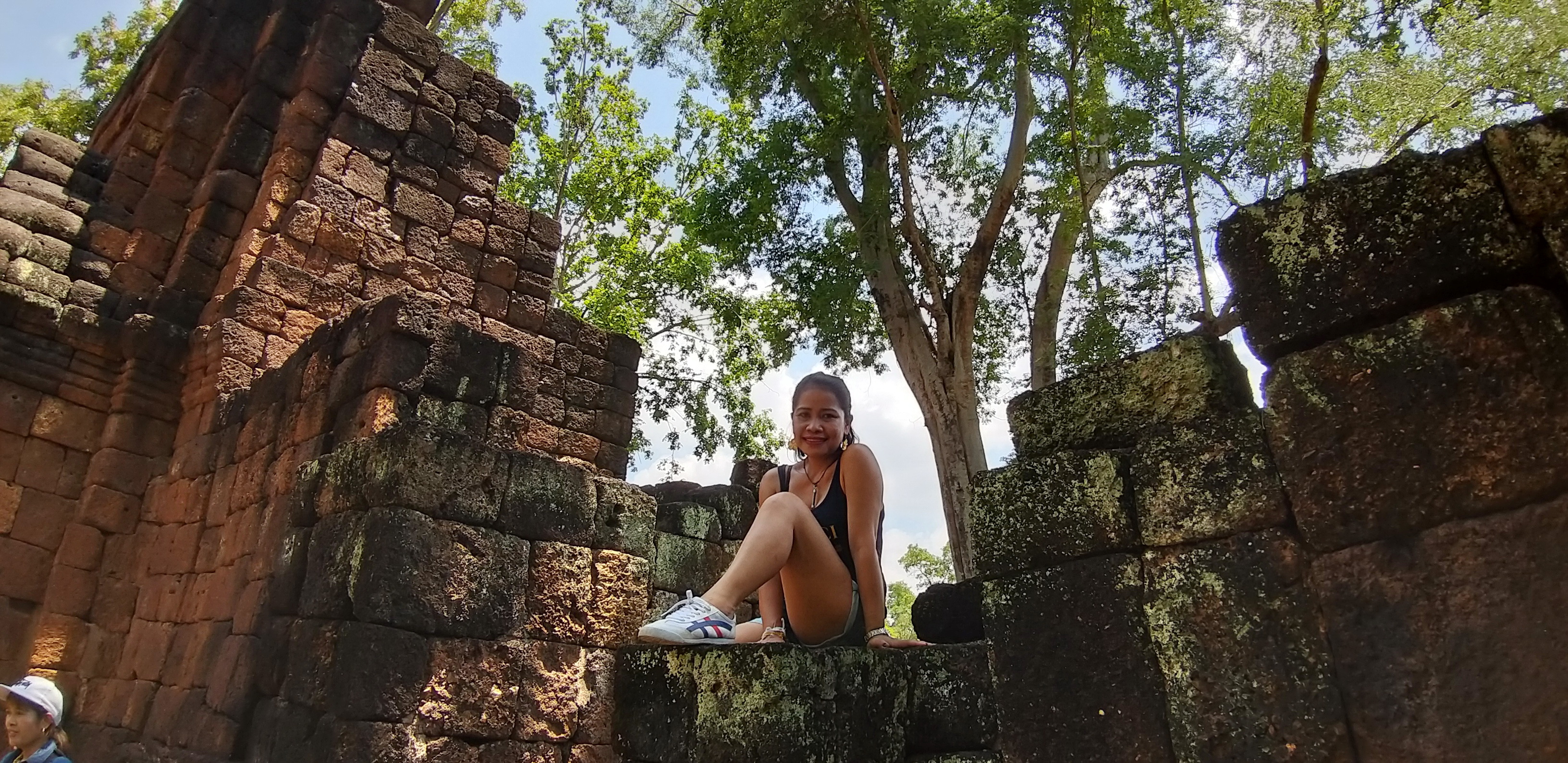
At the heart of Muang Sing stands Prasat Muang Sing, the most impressive surviving structure in the park. Its architecture and sculptures show strong connections with the Bayon style of the Khmer period. The Fine Arts Department associates the construction with around the 18th Buddhist century, corresponding roughly to the reign of King Jayavarman VII in the Khmer Empire.
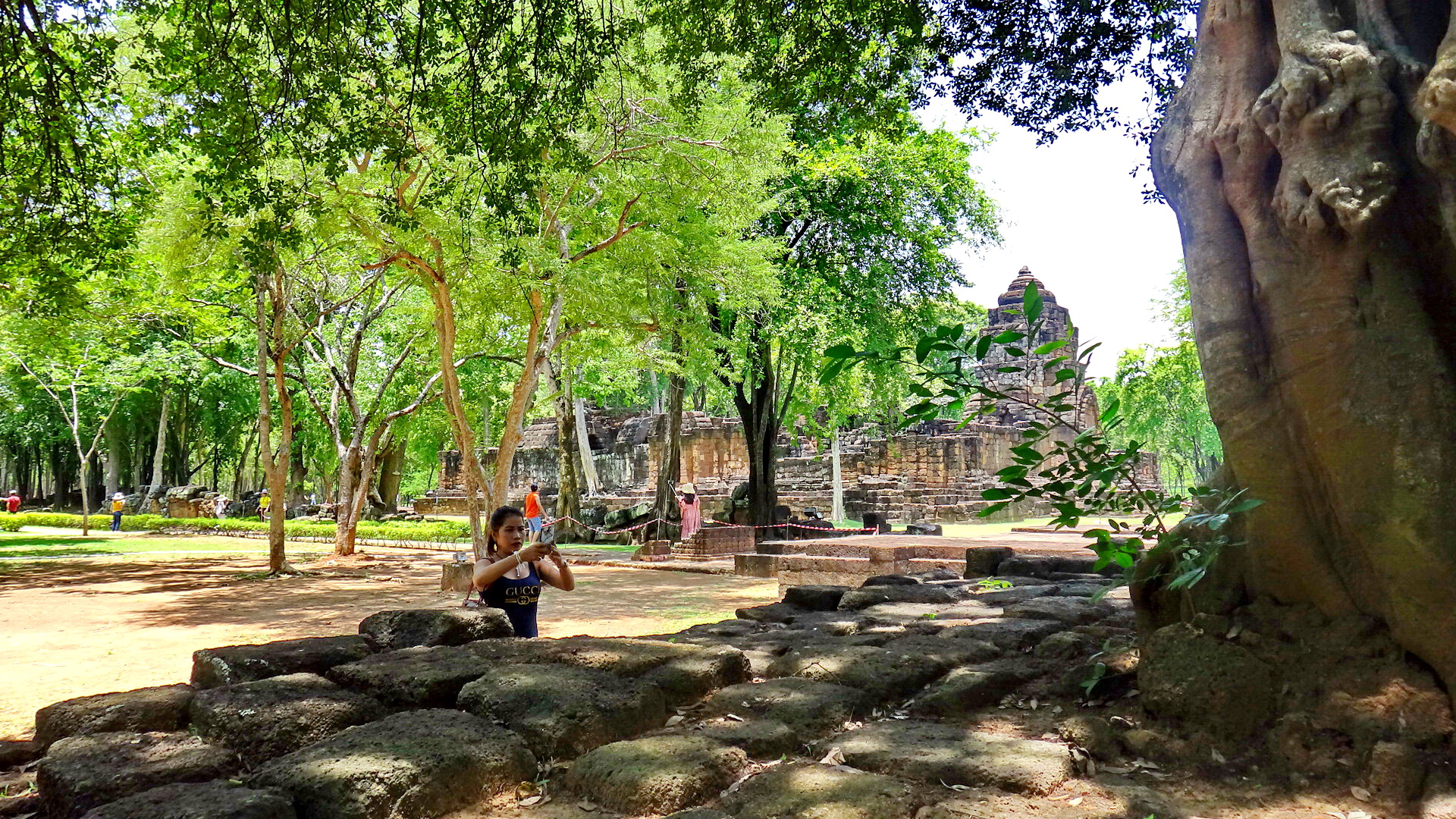
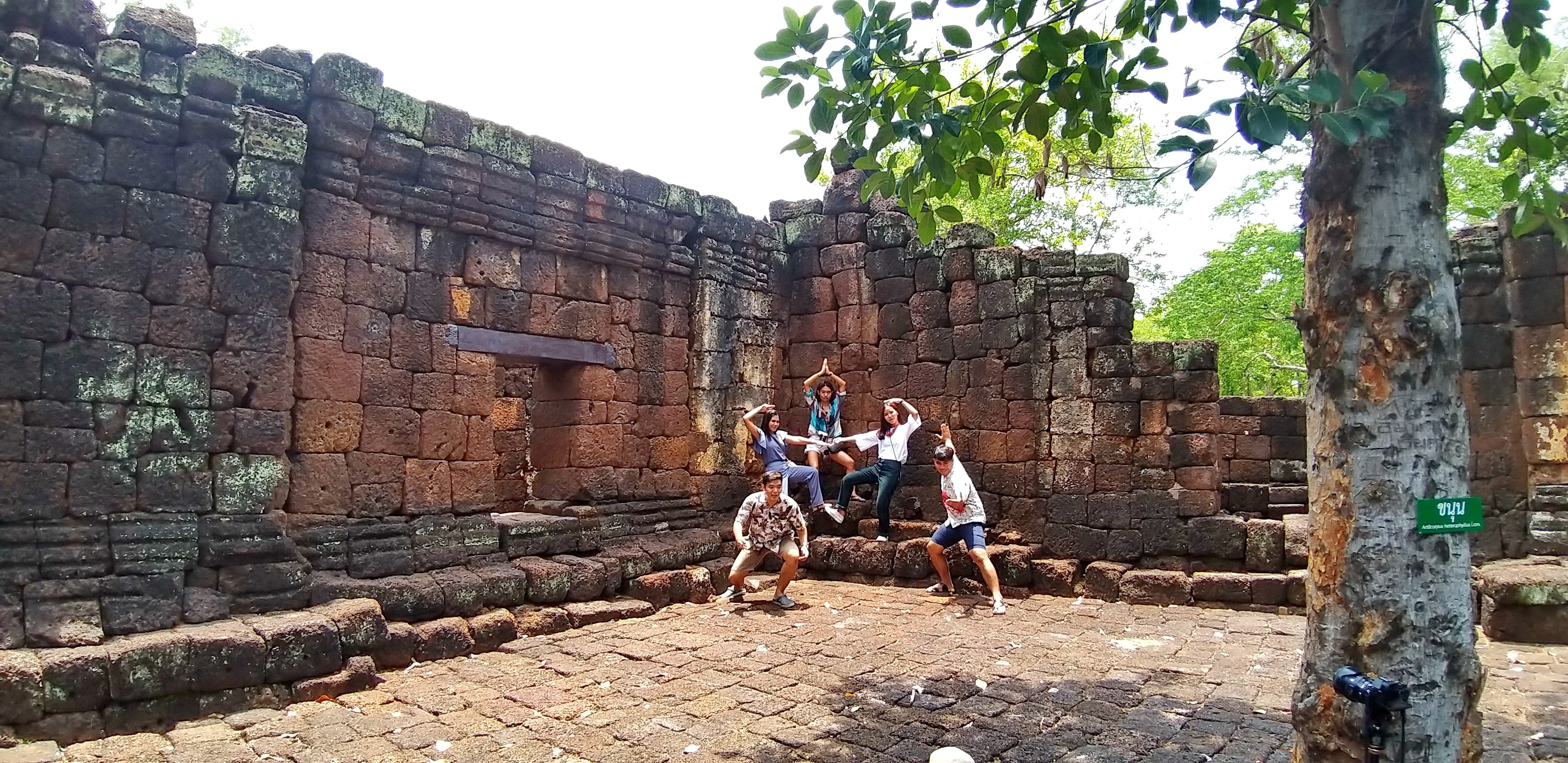
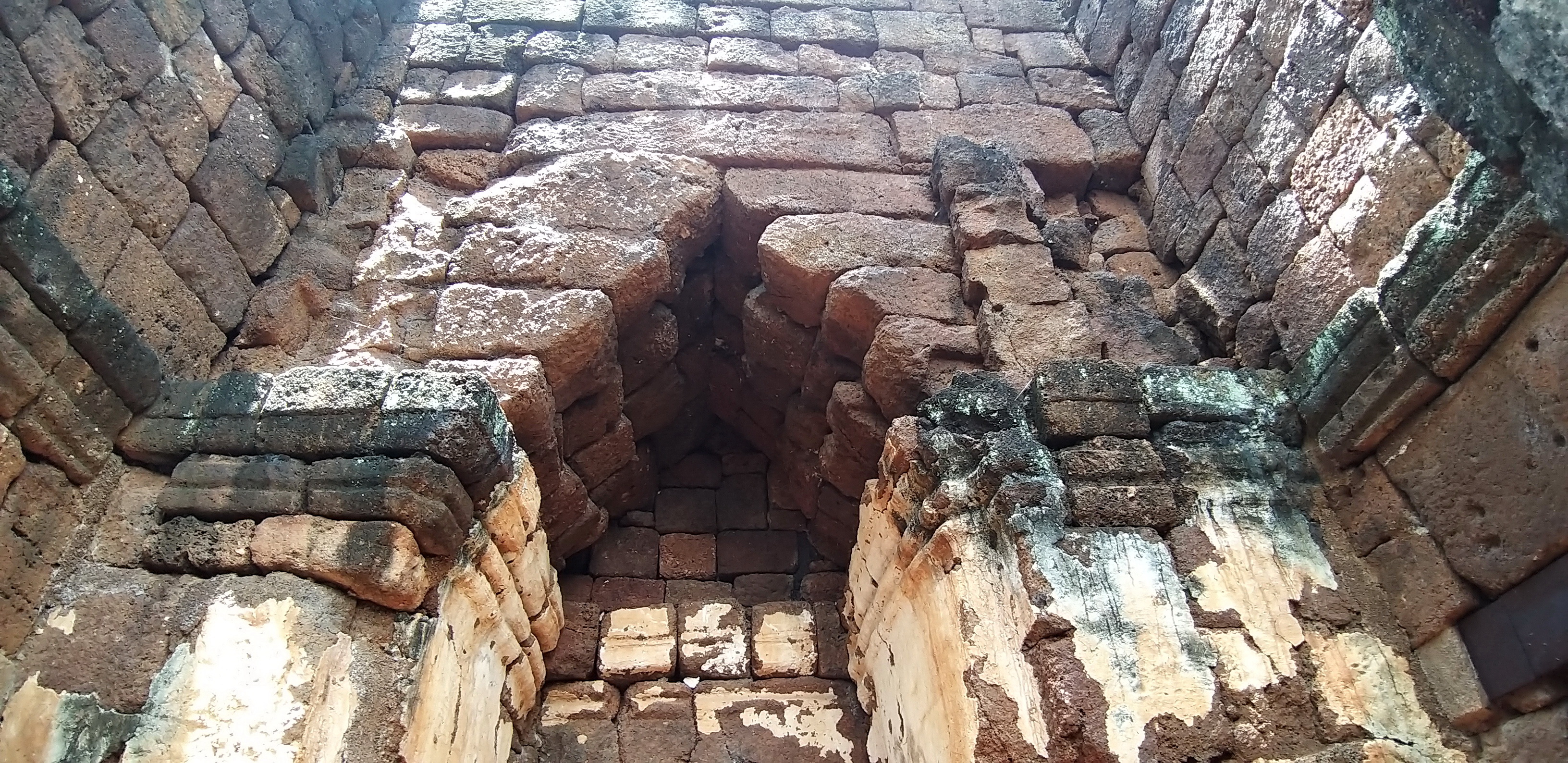
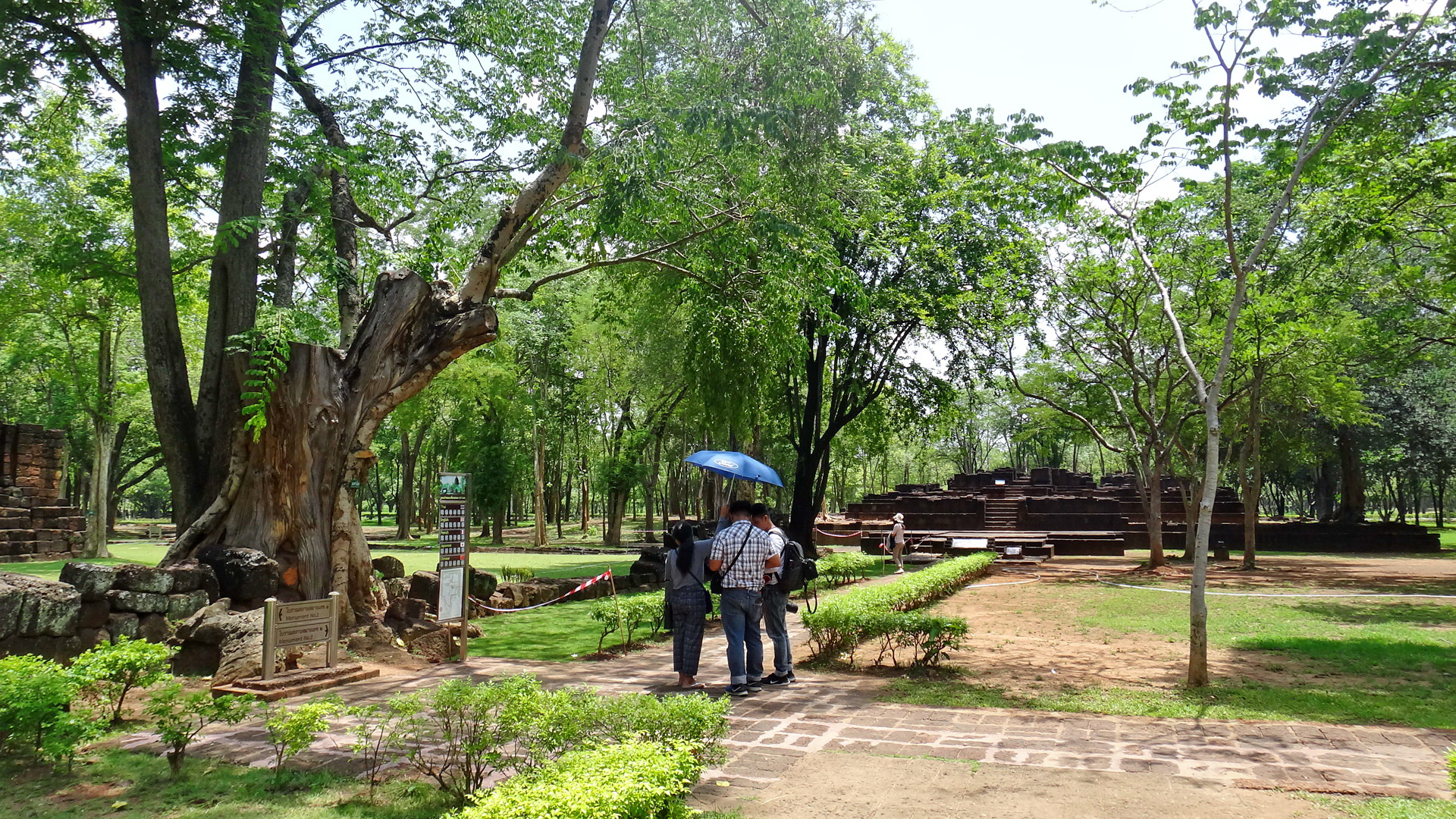
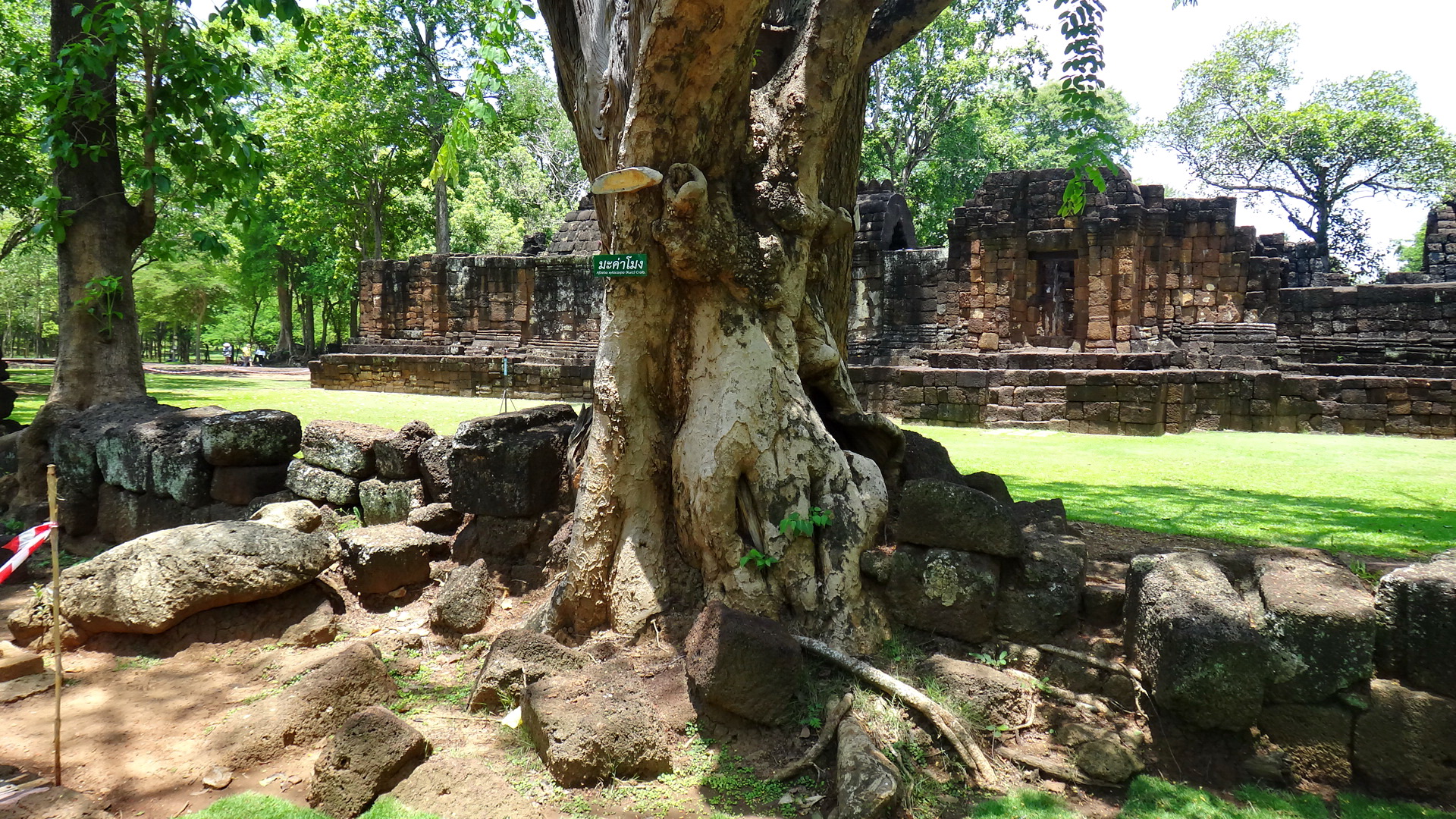
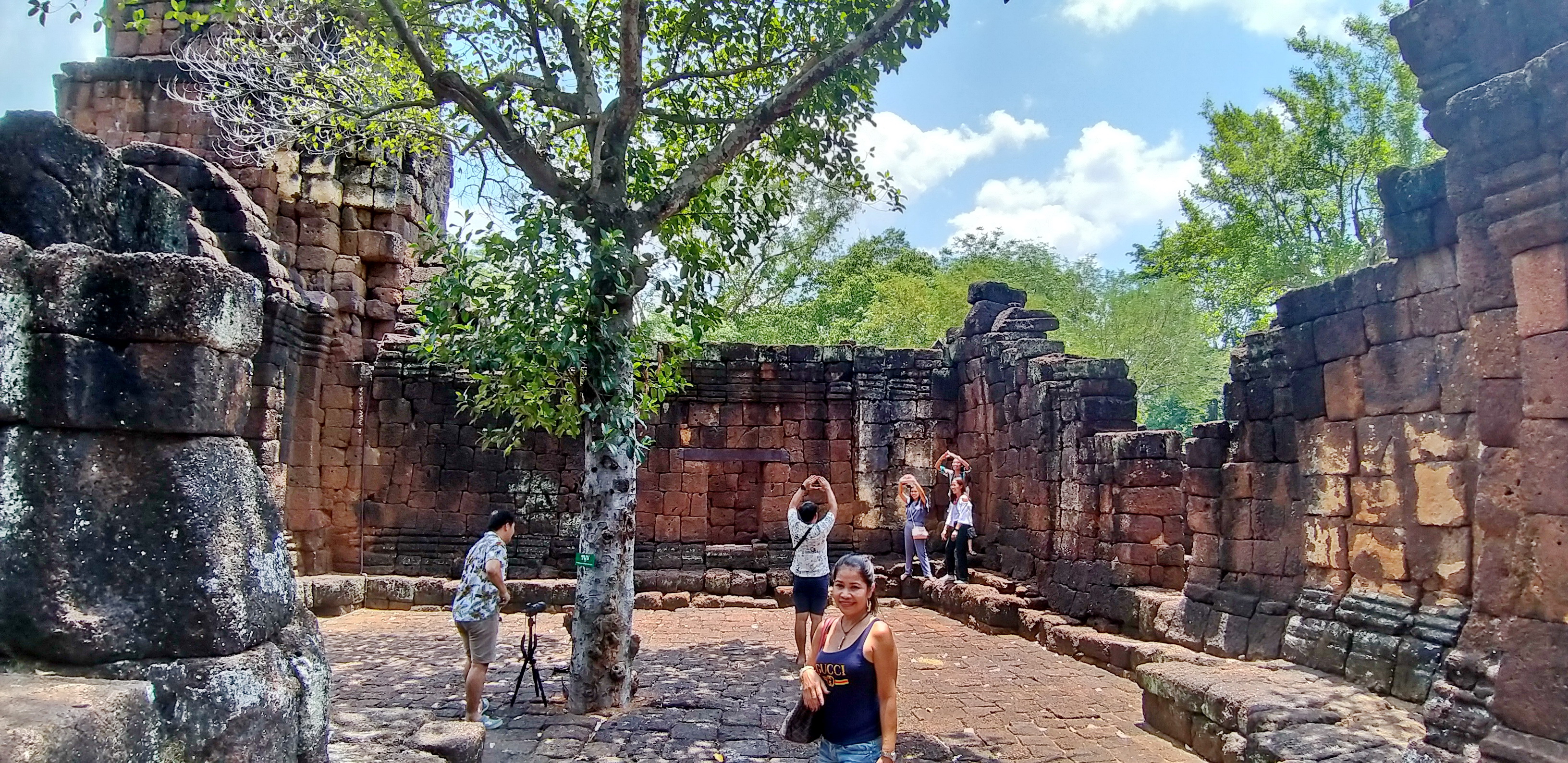
Standing among these ancient stone structures can be a powerful experience. The weathered laterite and stone have survived for centuries, while trees, grass, and the surrounding landscape continue to grow around them. It creates a fascinating contrast between human construction and nature. The silence of the ruins can make it easy to imagine the sounds of people who once lived, worked, worshipped, and traveled through this ancient settlement.
The archaeological discoveries at Muang Sing make the site even more fascinating. Artifacts found in the area include pottery, bronze objects, beads, tools, and other remains that provide evidence of communities living along the Khwae Noi River. These discoveries help historians understand that the area was not simply an isolated monument but part of a much longer story of human settlement and cultural connections.
Walking through the park also encourages reflection on how civilizations change over time. An important settlement can flourish for generations and eventually become a ruin, leaving behind only walls, foundations, sculptures, and fragments of its former life. Yet these remains continue to tell a story. Every stone and architectural detail provides another clue about the people who created this remarkable place.
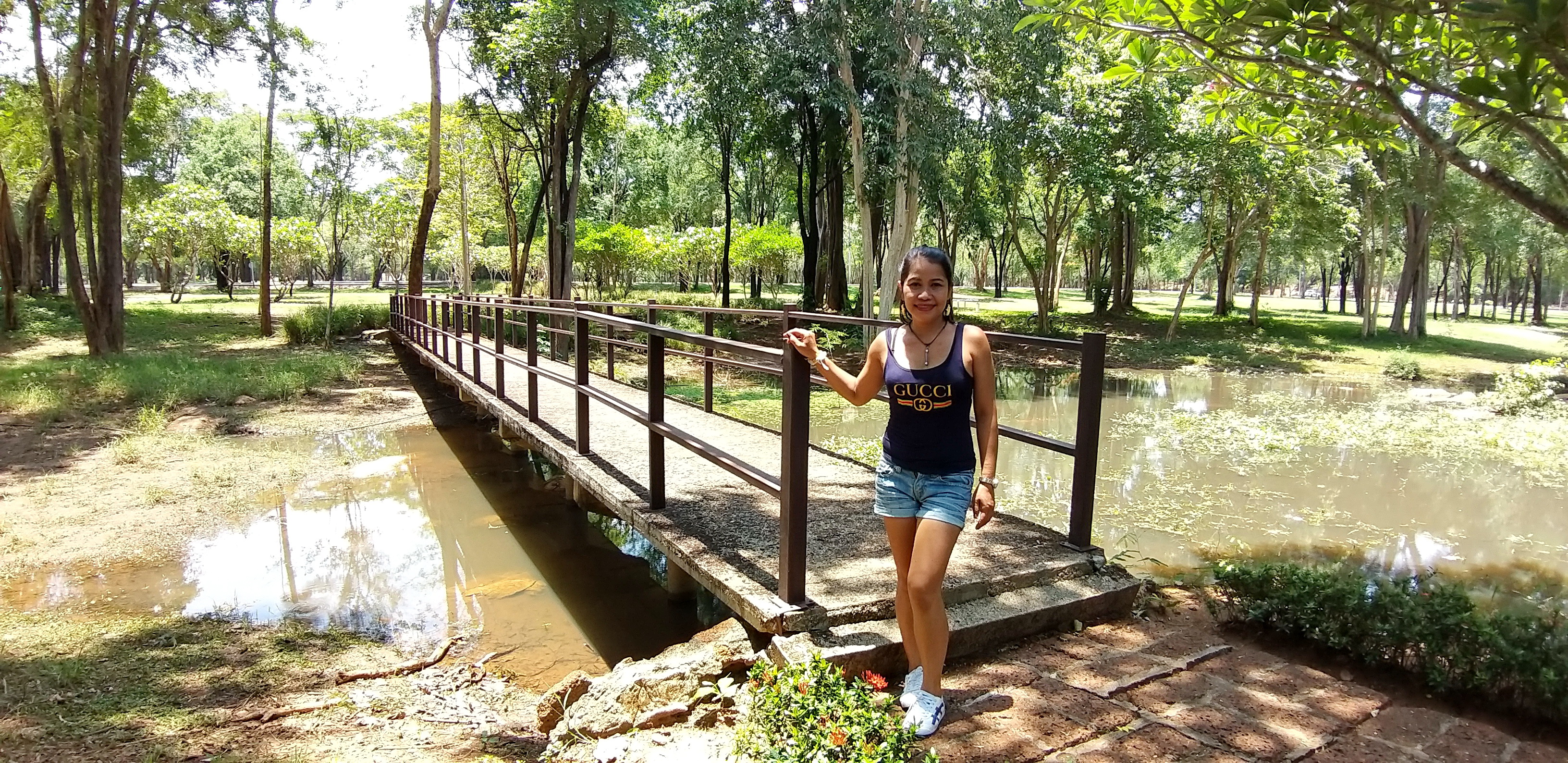
The surrounding natural environment adds to the atmosphere. Green vegetation, open skies, nearby mountains, and the Khwae Noi River create a peaceful setting that contrasts with the impressive ancient architecture. It is easy to understand why people would have chosen such a location for settlement, with fertile land and access to water supporting life in the area.
Today, Muang Sing Historical Park allows visitors to appreciate this extraordinary heritage in a protected setting. The site was officially registered as a national ancient monument in 1935, and extensive conservation and development work eventually led to the formal opening of the historical park on April 3, 1987.
For travelers who enjoy history, photography, architecture, and nature, Muang Sing offers a memorable combination of all four. The ruins provide an opportunity to admire ancient Khmer-influenced architecture while the surrounding countryside offers a peaceful backdrop for exploration. A visit is not simply a sightseeing trip; it is a chance to connect with a chapter of Thailand's history that reaches back many centuries.
Ultimately, the ruins of Muang Sing Historical Park are a beautiful reminder that the landscape around us contains stories from generations long gone. The ancient walls, sanctuary, sculptures, river, and surrounding countryside create an atmosphere of mystery and reflection. Standing among the ruins, it is possible to imagine a time when this was a living city rather than an archaeological site.
Muang Sing is therefore much more than a collection of old stones. It is a remarkable window into the past, where history, architecture, archaeology, and nature come together. For anyone traveling through Kanchanaburi, exploring these ancient ruins can be an unforgettable experience and a reminder of the extraordinary civilizations that once flourished in this beautiful part of Thailand.
El otro día hablaba con mi familia sobre lugares históricos y me impactó saber que encontraron entierros humanos de hace 2.000 años al lado del río Khwae Noi. En mi experiencia, la arquitectura de estilo Bayon del Prasat Muang Sing refleja una capacidad de organización y liderazgo impresionante para esa época.
Me sorprendió que las fosas humanas cercanas al río datan de unos 2 000 años, ¡qué historia bajo la tierra! Imagino que en esa zona también se cocinaba con fuego abierto, probé y quedó genial 🍲.

El otro día hablaba con mi familia sobre lugares históricos y me impactó saber que encontraron entierros humanos de hace 2.000 años al lado del río Khwae Noi. En mi experiencia, la arquitectura de estilo Bayon del Prasat Muang Sing refleja una capacidad de organización y liderazgo impresionante para esa época.
Me sorprendió que las fosas humanas cercanas al río datan de unos 2 000 años, ¡qué historia bajo la tierra! Imagino que en esa zona también se cocinaba con fuego abierto, probé y quedó genial 🍲.