Whole Mouth Dental Implants: A Complete Guide to Restoring Your Smile
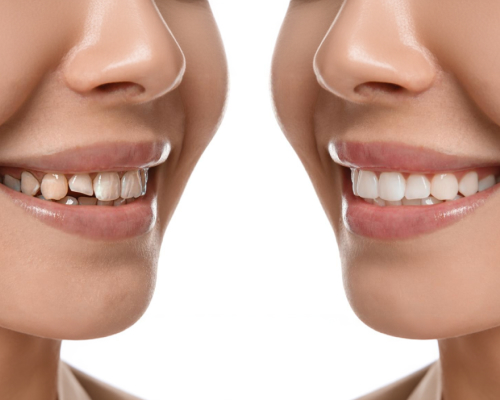
Losing most or all of your teeth can feel overwhelming, but modern dentistry has made it possible to regain a fully functional, natural-looking smile through whole mouth dental implants. This advanced solution goes far beyond traditional dentures, offering a permanent fix that restores both function and confidence.
What Are Whole Mouth Dental Implants?
Whole mouth dental implants are a comprehensive tooth replacement solution designed for patients who are missing most or all of their teeth in one or both arches. Instead of relying on removable dentures that can slip, shift, or cause discomfort, this approach uses a series of strategically placed implants to anchor a full arch of prosthetic teeth securely into the jawbone.
Popular techniques like All-on-4 or All-on-6 implants use just four to six implants per arch to support an entire row of teeth. This means patients don't need an individual implant for every missing tooth, making the procedure more efficient, less invasive, and often more affordable than traditional full-mouth restorations.
Why Choose Whole Mouth Implants Over Dentures?
Traditional dentures have long been the default option for extensive tooth loss, but they come with real limitations. They can affect speech, limit the foods you can comfortably eat, and often require messy adhesives to stay in place. Over time, dentures can also accelerate bone loss in the jaw because they don't stimulate the bone the way natural tooth roots do.
Dental implants, on the other hand, fuse directly with the jawbone, providing stability that closely mimics natural teeth. This not only improves chewing efficiency and speech clarity but also helps preserve jawbone density, preventing the sunken facial appearance often associated with long-term denture use.
If you're exploring your options for extensive tooth replacement, a Full Mouth Reconstruction approach can address both aesthetic and functional concerns in a single, coordinated treatment plan.
The Whole Mouth Implant Process
The journey typically begins with a thorough consultation, including 3D imaging and a review of your oral health history. This helps determine whether you have sufficient bone density for implants or if a bone graft is needed first.
Once cleared for treatment, the implant posts are surgically placed into the jawbone. After a healing period that allows the implants to fuse with the bone (a process called osseointegration), a custom-designed prosthetic arch is attached. Many practices now offer same-day teeth options, allowing patients to leave with a functional temporary set while the final restoration is being crafted.
Throughout this process, working with an experienced team matters significantly. The team at Smiley Dental Waltham combines advanced technology with personalized care to ensure each step of the implant journey is comfortable and precise.
Who Is a Good Candidate?
Ideal candidates for whole mouth dental implants are patients with significant tooth loss, failing teeth, or those currently struggling with ill-fitting dentures. Good overall health and adequate jawbone density are important factors, though bone grafting can often help patients who initially don't qualify. A consultation with your Implant Dentist is the best way to determine your candidacy and discuss a tailored treatment plan.
Long-Term Benefits
Beyond aesthetics, whole mouth implants offer lasting benefits: improved oral health, easier maintenance (implants are cared for just like natural teeth), better nutrition through improved chewing ability, and a significant boost in self-esteem. With proper care, implants can last decades, making them a worthwhile long-term investment in your health and quality of life.
If you're ready to explore whether this solution is right for you, Schedule a Consultation to discuss your options with a qualified dental team.
Frequently Asked Questions
1. How long do whole mouth dental implants last?
With proper oral hygiene and regular dental checkups, implants can last 20-30 years or even a lifetime, while the prosthetic teeth may need replacement every 10-15 years due to normal wear.
2. Is the procedure painful?
Most patients report mild discomfort managed easily with prescribed pain medication. The procedure is performed under anesthesia, and recovery is generally smoother than expected.
3. How much do whole mouth dental implants cost?
Costs vary based on the number of implants, bone grafting needs, and materials used. Most practices offer financing options to make treatment more accessible.
4. Can I get teeth the same day as my implant surgery?
Yes, many patients qualify for same-day, fixed temporary teeth while the jaw heals and the final restoration is prepared.