Photography and Information: God the Father Enthroned, a work by Giotto [EN]-[IT]
[ENGLISH]
Photography and Information: God the Father Enthroned, a work by Giotto
This type of post is dedicated to sharing information about the subjects I photograph during my daily activities.
Description of the photographs in this post
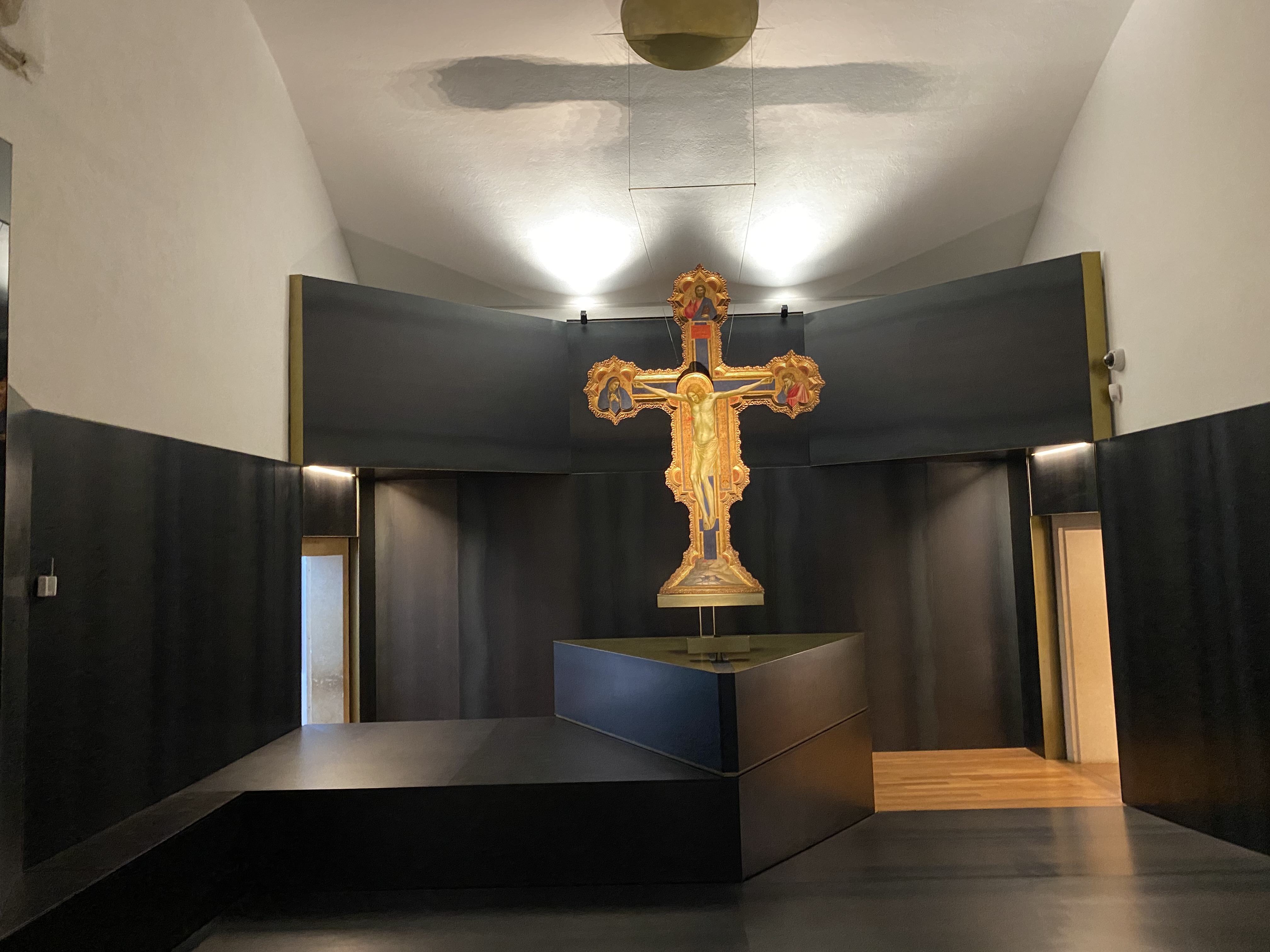
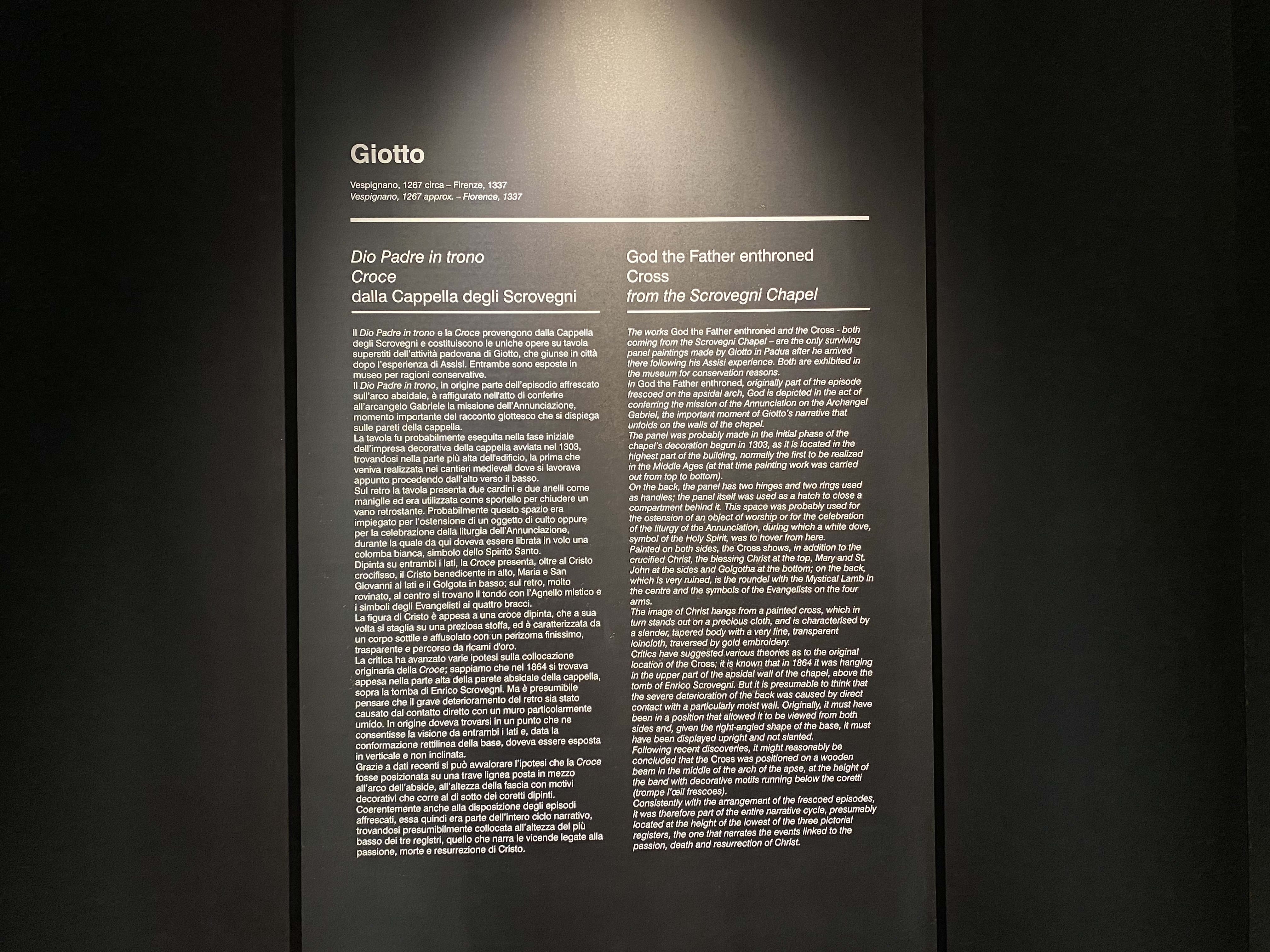
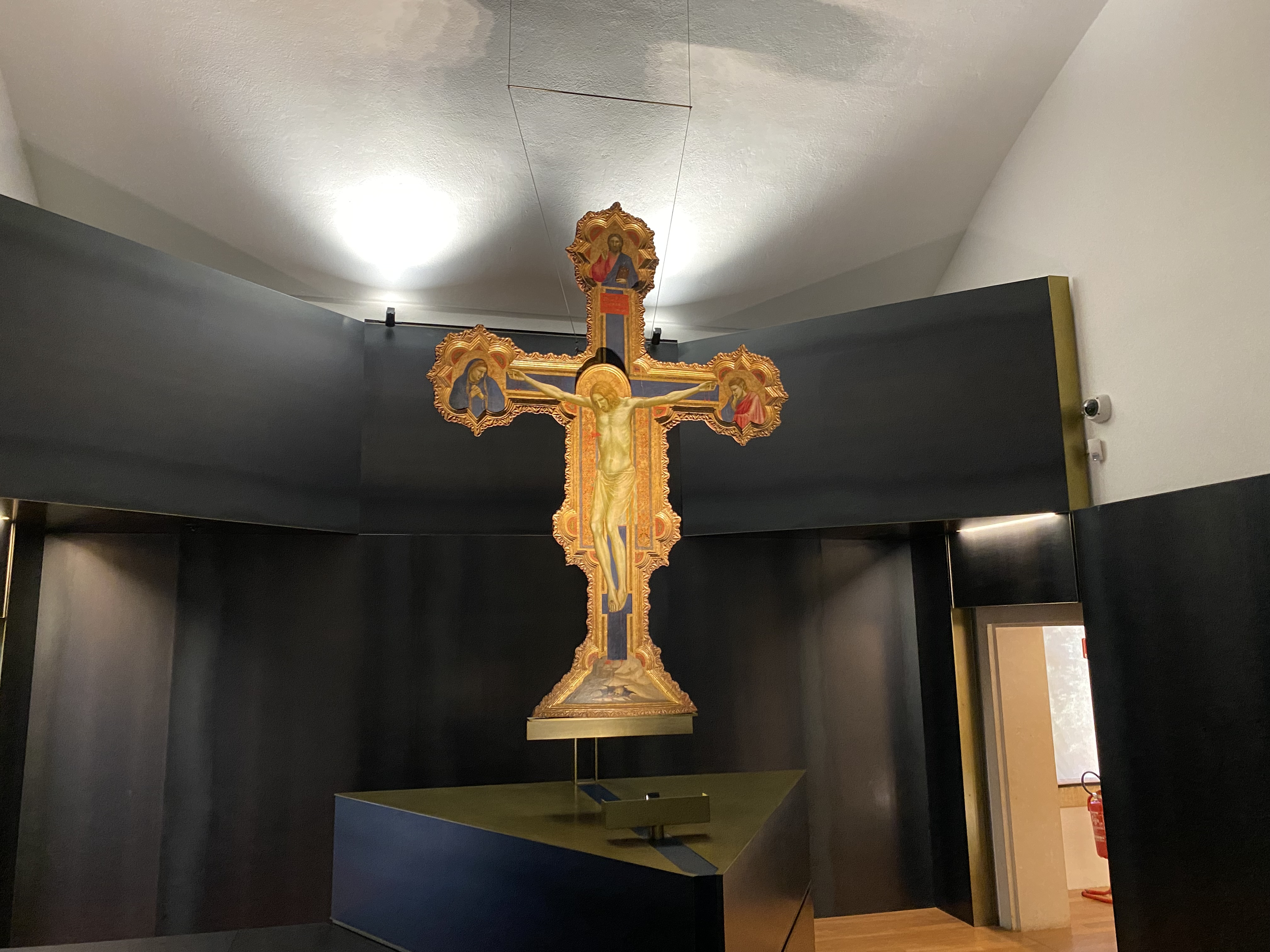
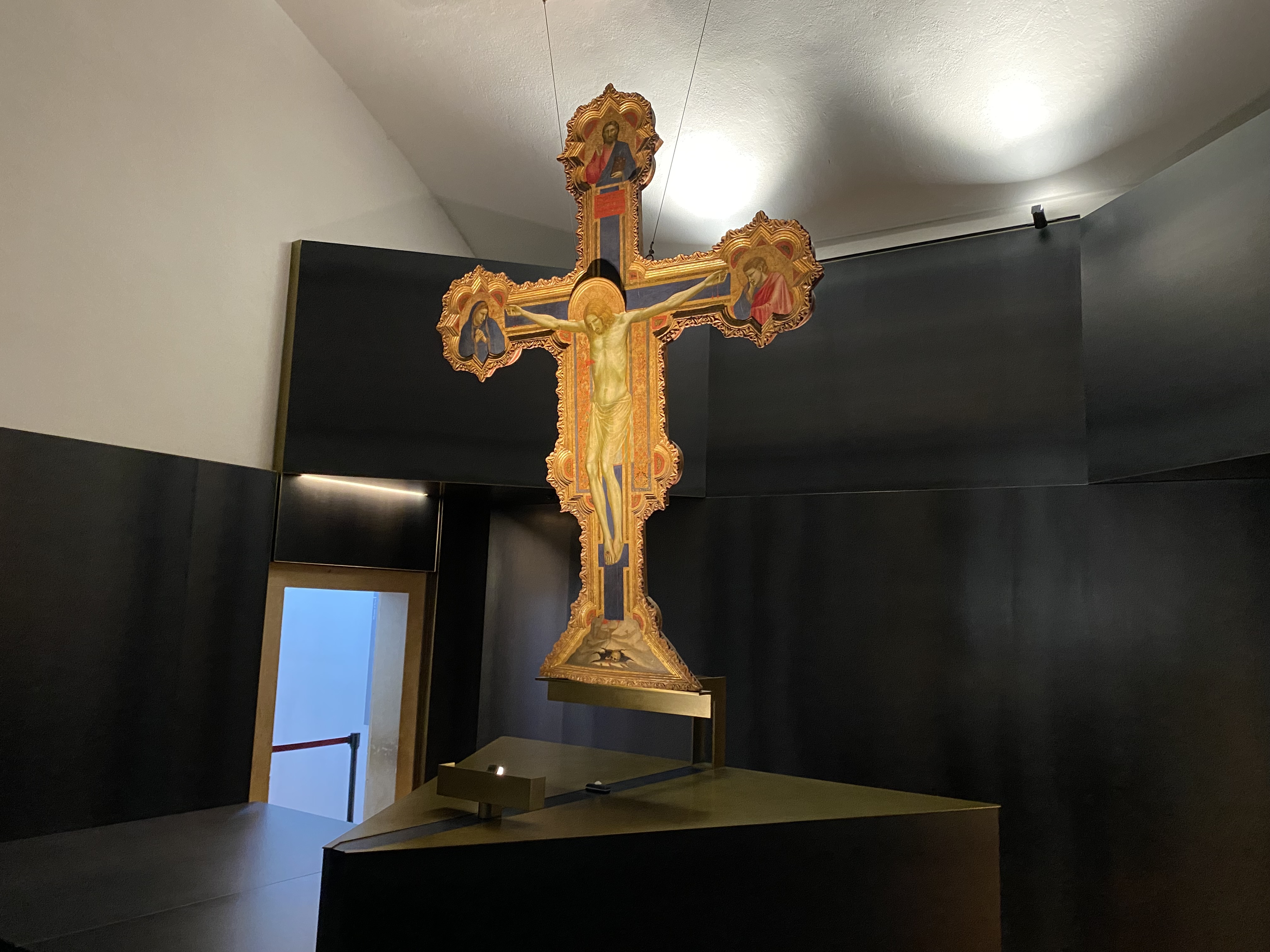
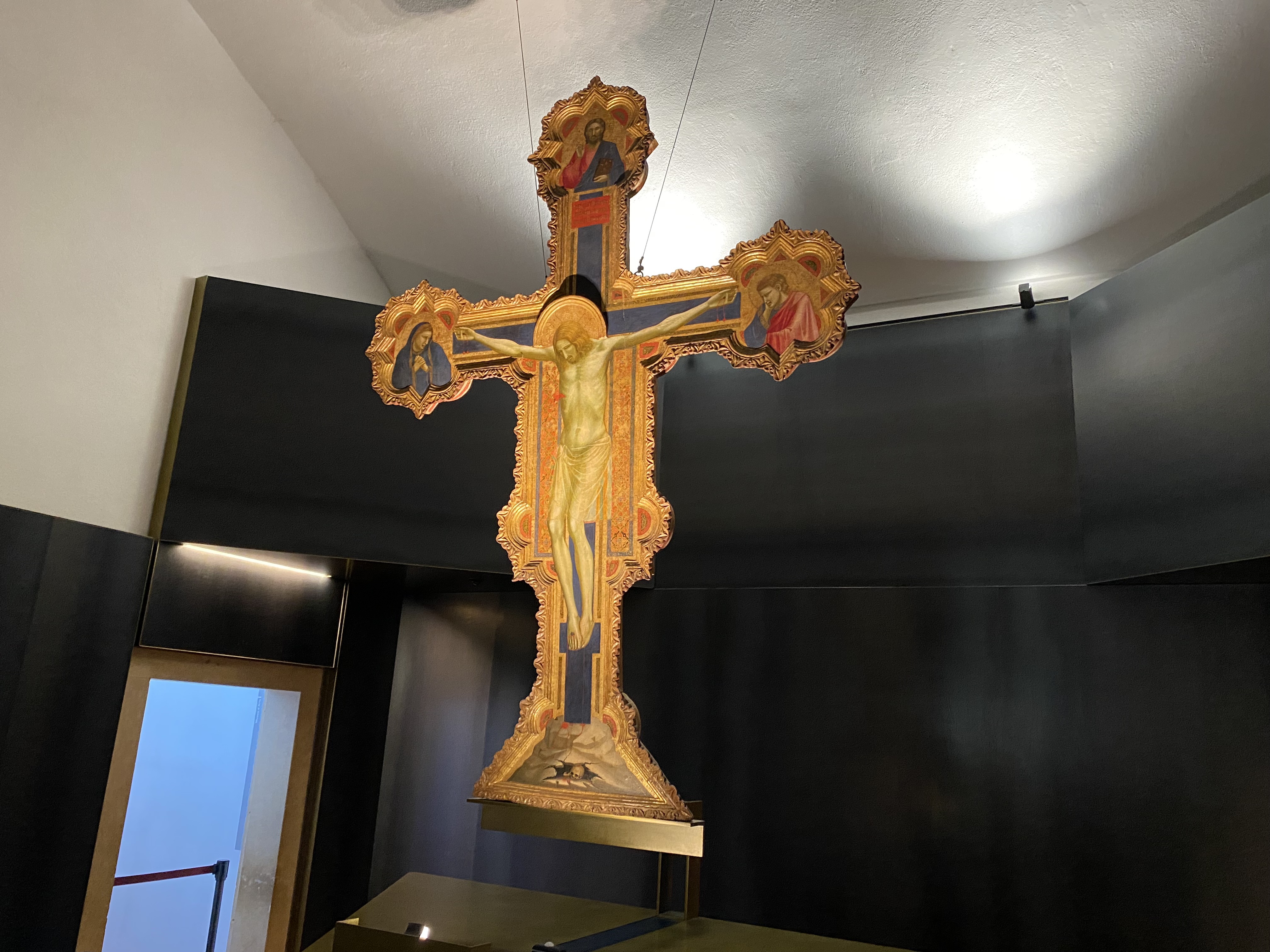
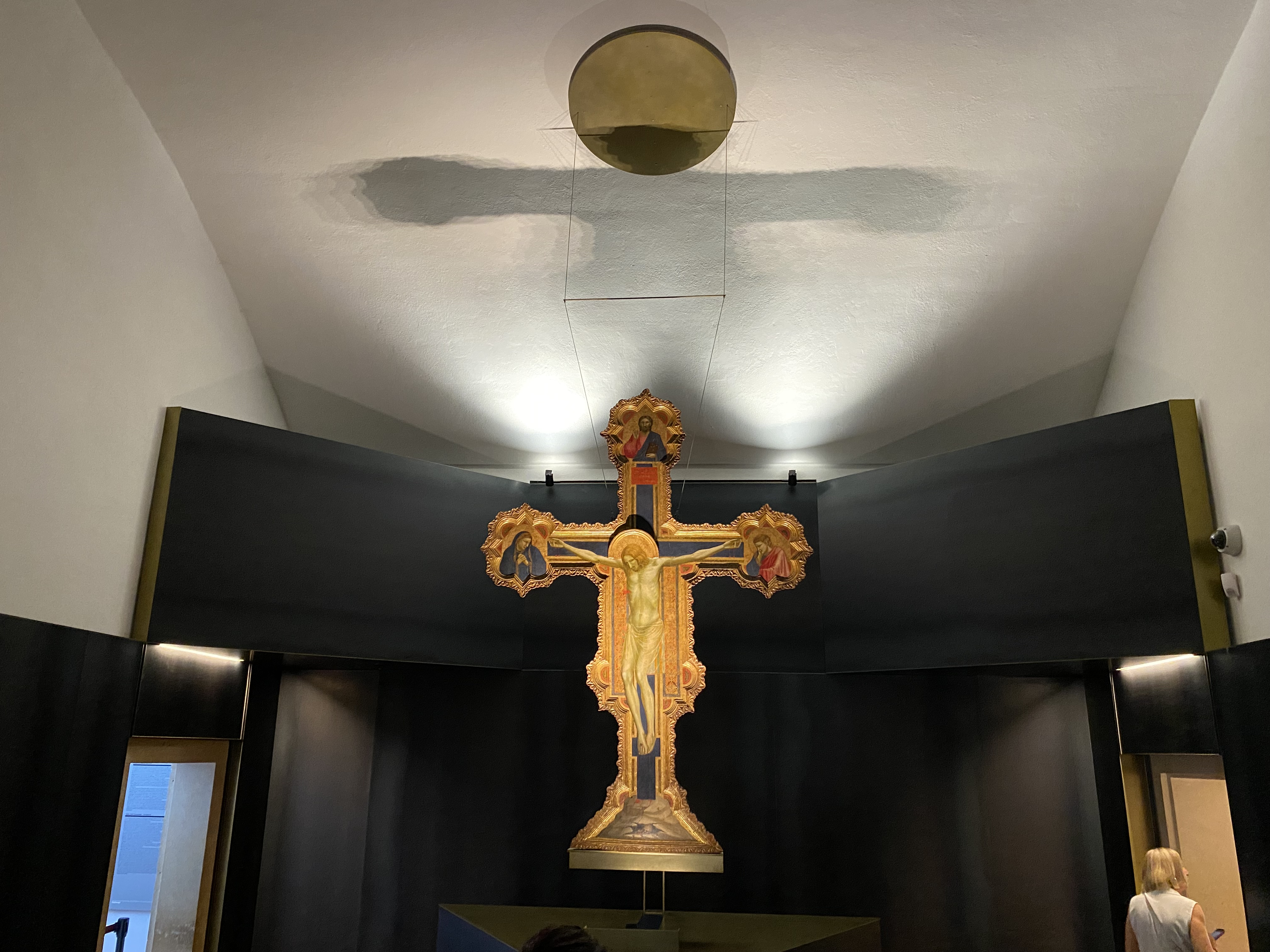
I took these photographs inside the Eremitani Museums, one of the most significant museum complexes in Padua (Italy). The images depict a work titled: God the Father Enthroned.
God the Father Enthroned is a representation that conveys divine majesty and testifies to Giotto’s ability to imbue religious painting with depth, humanity, and expressiveness.
Giotto di Bondone (c. 1267–1337) was one of the most important Italian painters and architects of the Middle Ages, and is considered one of the great innovators in the history of Western art.
The history of the work
God the Father Enthroned was created by Giotto in the early 14th century—around 1303–1305—during the decoration of the renowned Scrovegni Chapel in Padua.
When viewed in person, this work immediately captures the attention of anyone who passes by.
The patron
The piece is part of an artistic project commissioned by the wealthy Paduan banker Enrico Scrovegni, who sought to honor his family through the creation of a significant religious structure.
Religious significance
The scene depicts God the Father seated on a throne, surrounded by angels, as He entrusts the Archangel Gabriel with the task of announcing the future birth of Jesus to Mary.
Artistic significance
Giotto introduces an extraordinary sense of depth through the arrangement of the angels and the three-dimensional rendering of the throne, anticipating certain innovations that would later characterize Renaissance painting. The work is currently housed in a separate room where the flow of visitors is carefully controlled. A unique feature of the work
Unlike the surrounding frescoes, the figure of God the Father was painted on a wooden panel that served as a door for a small recess built into the chapel wall.
Preservation and historical significance
Today, the original panel is housed in the Civic Museums of Padua, while a reproduction is displayed in the Scrovegni Chapel. The work is part of a pictorial complex recognized by UNESCO as a World Heritage Site in 2021.
Conclusions
In my view, this work—God the Father Enthroned—testifies to Giotto’s genius and his ability to transform a religious subject into a scene rich in depth and expressiveness. More than seven centuries later, this piece continues to tell the story of a pivotal moment in the history of Italian art, a time when medieval painting began to move toward a more natural and realistic depiction of the world.
Question
Had you ever seen this work by Giotto before?
Thank you for reading the post
Photos of my own taken with iPhone 11
[ITALIAN]
Fotografia e informazioni: Dio Padre in trono, opera di Giotto
Questa tipologia di post è dedicata alla diffusione di informazioni sui soggetti che riesco a fotografare durante le mie giornate.
Descrizione delle fotografie del post
Queste fotografie le ho scattate all’interno del museo degli emiretiani, uno dei musei più importanti di Padova (Italia). Le fotografie rappresentano l’opera dal titolo: Dio Padre in trono.
Dio Padre in trono è una raffigurazione che esprime la maestà divina e testimonia la capacità di Giotto di dare profondità, umanità ed espressività alla pittura religiosa.
Giotto di Bondone (1267 circa – 1337) è stato uno dei più importanti pittori e architetti italiani del Medioevo, considerato uno dei grandi innovatori della storia dell'arte occidentale.
La storia dell'opera
Dio Padre in trono fu realizzato da Giotto nei primi anni del Trecento, intorno al 1303-1305, durante la decorazione della celebre Cappella degli Scrovegni a Padova.
Vista dal vivo quest’opera cattura l’attenzione di chiunque le passi davanti.
Il committente
L'opera fa parte del progetto artistico commissionato dal ricco banchiere padovano Enrico Scrovegni, che desiderava celebrare la propria famiglia attraverso un importante edificio religioso.
Il significato religioso
La scena raffigura Dio Padre seduto su un trono, circondato da angeli, mentre affida all'arcangelo Gabriele il compito di annunciare a Maria la futura nascita di Gesù.
L’importanza artistica
Giotto introduce una straordinaria sensazione di profondità attraverso la disposizione degli angeli e la rappresentazione tridimensionale del trono, anticipando alcune innovazioni della pittura rinascimentale. Attualmente è conservato in una stanza isolata dove il flusso dei visitatori è controllato.
Una particolarità dell’opera
A differenza degli affreschi circostanti, la figura di Dio Padre fu dipinta su una tavola lignea che funzionava come sportello di un piccolo vano ricavato nella parete della cappella.
La conservazione e il valore storico
Oggi la tavola originale è conservata nei Musei Civici di Padova, mentre nella Cappella degli Scrovegni è presente una riproduzione. L'opera appartiene a un complesso pittorico riconosciuto dall'UNESCO come Patrimonio dell'Umanità nel 2021.
Conclusioni
Io penso che quest’opera, “Dio Padre in trono”, testimoni il genio di Giotto e la sua capacità di trasformare una rappresentazione religiosa in una scena ricca di profondità ed espressività. A distanza di oltre sette secoli, quest'opera continua a raccontarci un momento fondamentale della storia dell'arte italiana, quando la pittura medievale iniziava ad avvicinarsi a una rappresentazione più naturale e realistica del mondo.
Domanda
Avevate mai visto questo opera di Giotto?
Grazie per aver letto questo post
Foto di mia proprietà scattate con iPhone 11
Photo below
THE END
This post has been upvoted by @italygame witness curation trail
If you like our work and want to support us, please consider to approve our witness
Come and visit Italy Community