How to Choose the Right AI Development Company for Your Business
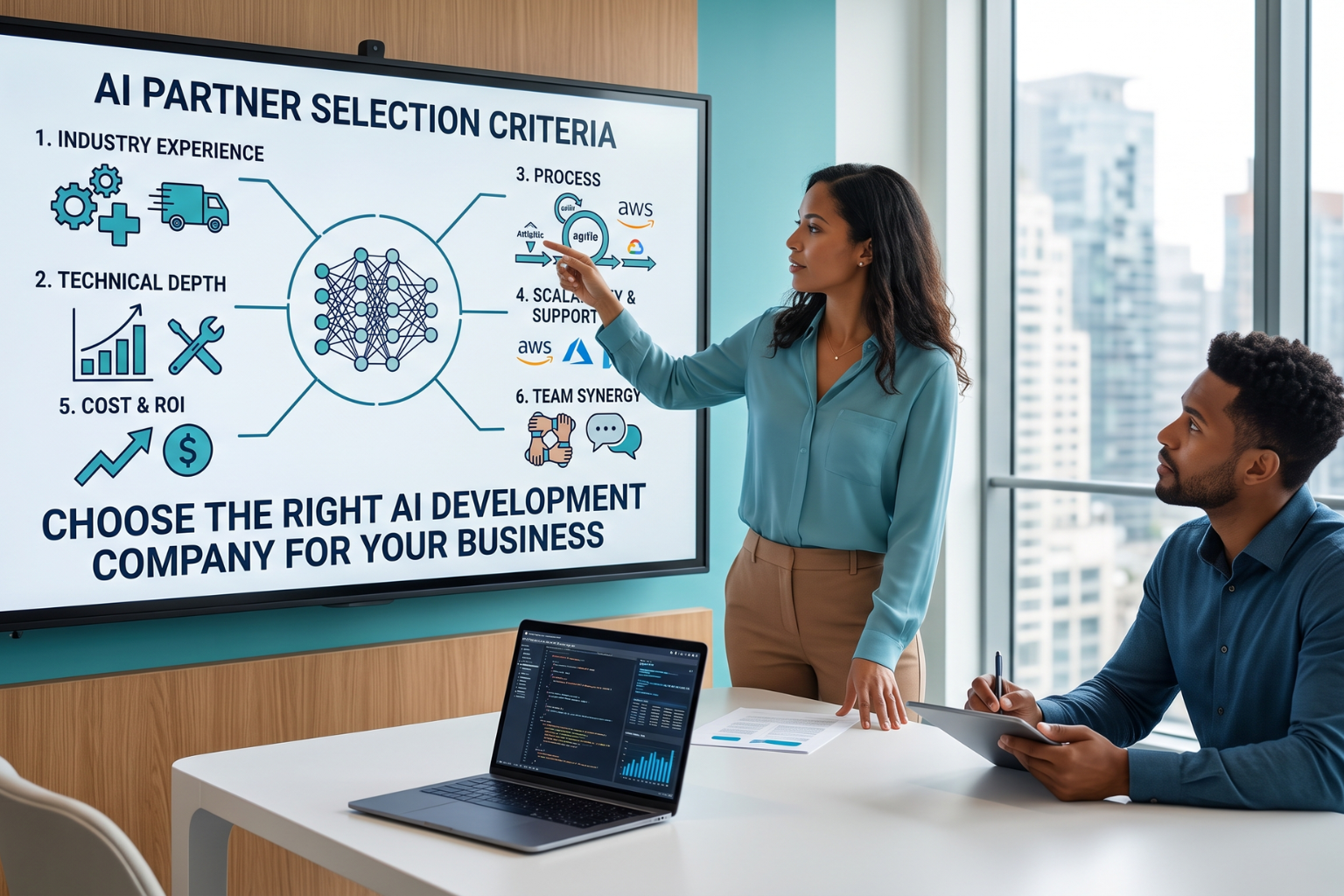
Artificial intelligence has moved from an experimental technology to a core business requirement. From automating customer support to optimizing supply chains, companies across every industry are racing to integrate AI into their operations. But building a successful AI solution isn't just about writing code , it requires strategy, domain expertise, and a development partner who understands your business goals as well as the technology itself.
Choosing the wrong partner can mean wasted budget, missed deadlines, and a product that never delivers real value. Choosing the right one can transform your operations and give you a lasting competitive edge. This guide walks you through exactly what to look for when evaluating an AI development company, so you can make a confident, informed decision.
Why the Right AI Partner Matters More Than Ever
AI projects are fundamentally different from traditional software projects. They involve data pipelines, model training, continuous tuning, and ethical considerations that most conventional development teams aren't equipped to handle. A generic software vendor might be able to build you an app, but delivering a production-ready AI system that actually learns, adapts, and scales requires specialized skills.
This is why more businesses are being selective about who they hire. The market has matured, and there's a growing gap between vendors who simply "bolt on" AI features and those who build genuinely intelligent, scalable systems. Knowing how to tell the difference is the first step toward a successful partnership.
Key Factors to Consider When Choosing an AI Development Company
1. Proven Industry Experience
Not all AI expertise is created equal. A team that has built recommendation engines for e-commerce may not be the right fit for a healthcare diagnostics tool or a logistics optimization platform. Look for a company with a track record in your specific industry, or at least with transferable experience in similarly complex, data-heavy environments.
Ask for case studies, live demos, or client references. A credible AI Development Company should be able to show measurable outcomes , reduced costs, improved accuracy, faster processing times , not just technical jargon.
2. Technical Depth and a Modern Tech Stack
AI development spans multiple disciplines: machine learning, natural language processing, computer vision, and data engineering, among others. Ensure the team you're evaluating has hands-on experience with the frameworks and tools relevant to your project, such as TensorFlow, PyTorch, or cloud-native AI services from AWS, Azure, or Google Cloud.
Equally important is their approach to data. Ask how they handle data cleaning, labeling, security, and compliance (especially if you operate in a regulated industry). Strong technical fundamentals are the foundation of any AI system that will hold up under real-world use.
3. A Transparent, Collaborative Development Process
The best AI vendors treat your business goals as the starting point, not an afterthought. Look for a development process that includes:
- A discovery phase to understand your data, workflows, and objectives
- Clear milestones and iterative development (agile sprints work well for AI projects)
- Regular demos and feedback loops rather than a "black box" delivery model
- Honest conversations about what AI can and cannot realistically achieve for your use case
4. Scalability and Long-Term Support
AI models aren't a "set it and forget it" solution. They need ongoing monitoring, retraining, and optimization as your data and business needs evolve. Before signing a contract, ask potential partners how they handle post-launch support, model maintenance, and scaling as your usage grows.
This is particularly important in specialized domains. For example, a business exploring AI Transportation Management Software needs a partner who understands that route optimization models must continuously adapt to real-time traffic patterns, fuel costs, and delivery volume , not just perform well in a one-time test environment.
5. Cost Structure and ROI Expectations
AI development costs can vary enormously depending on project scope, data complexity, and the level of customization required. Rather than chasing the lowest quote, focus on value. Ask potential partners to walk you through how their pricing maps to deliverables and long-term ROI.
A trustworthy company will help you understand the total cost of ownership, including infrastructure, data storage, and ongoing model maintenance, rather than just the upfront build cost.
6. Communication and Cultural Fit
AI projects often run for months, sometimes years, especially as models are refined over time. That means you're not just hiring a vendor , you're entering a working relationship. Evaluate how responsive, transparent, and easy to work with the team is during your initial conversations. Time zone compatibility, communication tools, and reporting cadence all matter more than they might seem at first glance.
Red Flags to Watch Out For
- Vague answers about their AI methodology or data practices
- No willingness to share references or past project outcomes
- Overpromising on timelines or results without understanding your data
- Lack of a clear post-launch support and maintenance plan
- One-size-fits-all solutions instead of tailored recommendations
Final Thoughts
Selecting an AI development partner is one of the most consequential technology decisions your business will make in the next few years. The right team will bring not just technical skill, but strategic insight, transparency, and a genuine commitment to your long-term success.
Take the time to vet candidates thoroughly , review their portfolio, ask hard questions about process and support, and make sure their communication style matches how your team likes to work. A thoughtful, well-researched choice today will pay dividends in efficiency, innovation, and competitive advantage for years to come.