Paws, Hooves, and Healing: The Transformative Power of Animals in Therapy
Animals have long held a special place in our hearts, offering unconditional love and companionship. But beyond being wonderful pets, animals are increasingly recognized for their profound ability to heal. From hospitals and nursing homes to schools and rehabilitation centers, the use of animals in therapy is transforming mental and physical healthcare.
What is Animal-Assisted Therapy? Animal-Assisted Therapy (AAT) is a goal-directed intervention where an animal that meets specific criteria is an integral part of a treatment process. Led by trained professionals—often in fields like psychology, physical therapy, or social work—AAT is designed to improve a patient’s social, emotional, or cognitive functioning. While dogs and horses are the most common, therapists also work with cats, birds, and even dolphins.
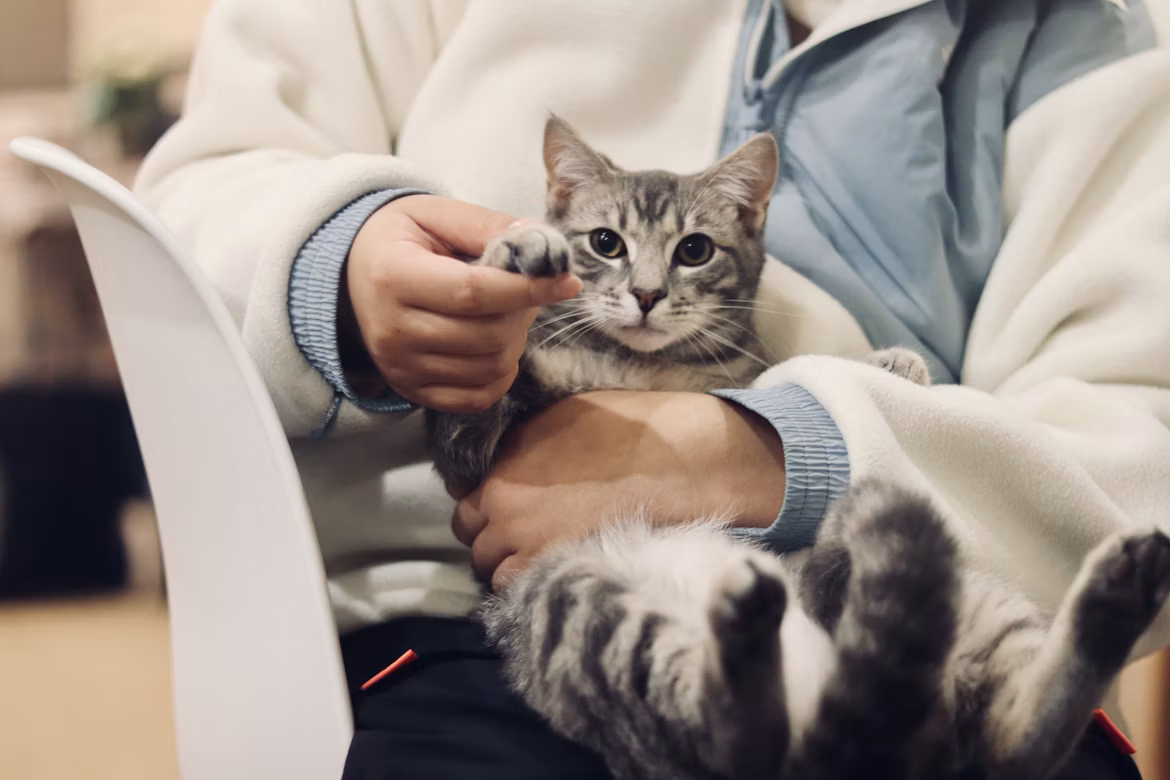
The Science of Healing Why are animals such effective healers? The secret lies in our biology. Interacting with a friendly animal has been scientifically proven to lower levels of cortisol (the stress hormone) and boost oxytocin, the "feel-good" hormone responsible for bonding and trust. This chemical shift can dramatically reduce anxiety, lower blood pressure, and elevate mood.
Physical and Emotional Benefits For individuals recovering from trauma, AAT offers a non-judgmental presence that helps break down emotional walls. Veterans with PTSD, children on the autism spectrum, and individuals battling depression often find it easier to connect with an animal before trusting a human.
Physically, therapy animals motivate patients to push harder during rehabilitation. Grooming a horse, walking a dog, or even just petting a cat engages fine and gross motor skills, making physical therapy feel less like a chore and more like playtime.
A Bright Future for Healing As the medical community continues to embrace holistic care, animal-assisted therapy is shining brighter than ever. These remarkable creatures remind us that sometimes, the most profound medicine doesn't come in a bottle—it comes with a wagging tail, a soft purr, or a gentle nudge.
Upvoted! Thank you for supporting witness @jswit.