Title: The Power of Defense: The Role of Antioxidants in Preventing Disease
In the constant battle for optimal health, our bodies face an invisible threat every day: oxidative stress. Caused by unstable molecules known as free radicals, oxidative stress damages our cells, accelerates aging, and paves the way for chronic illnesses.
Fortunately, nature provides a powerful defense mechanism—antioxidants.
Understanding the crucial role of antioxidants in preventing disease is the first step toward building a healthier, more resilient body.
What Are Free Radicals and Antioxidants?
To understand how antioxidants work, you first need to understand the enemy. Free radicals are unstable molecules missing an electron. To stabilize themselves, they scavenge your body, stealing electrons from healthy cells. This causes cellular damage, known as oxidative stress.
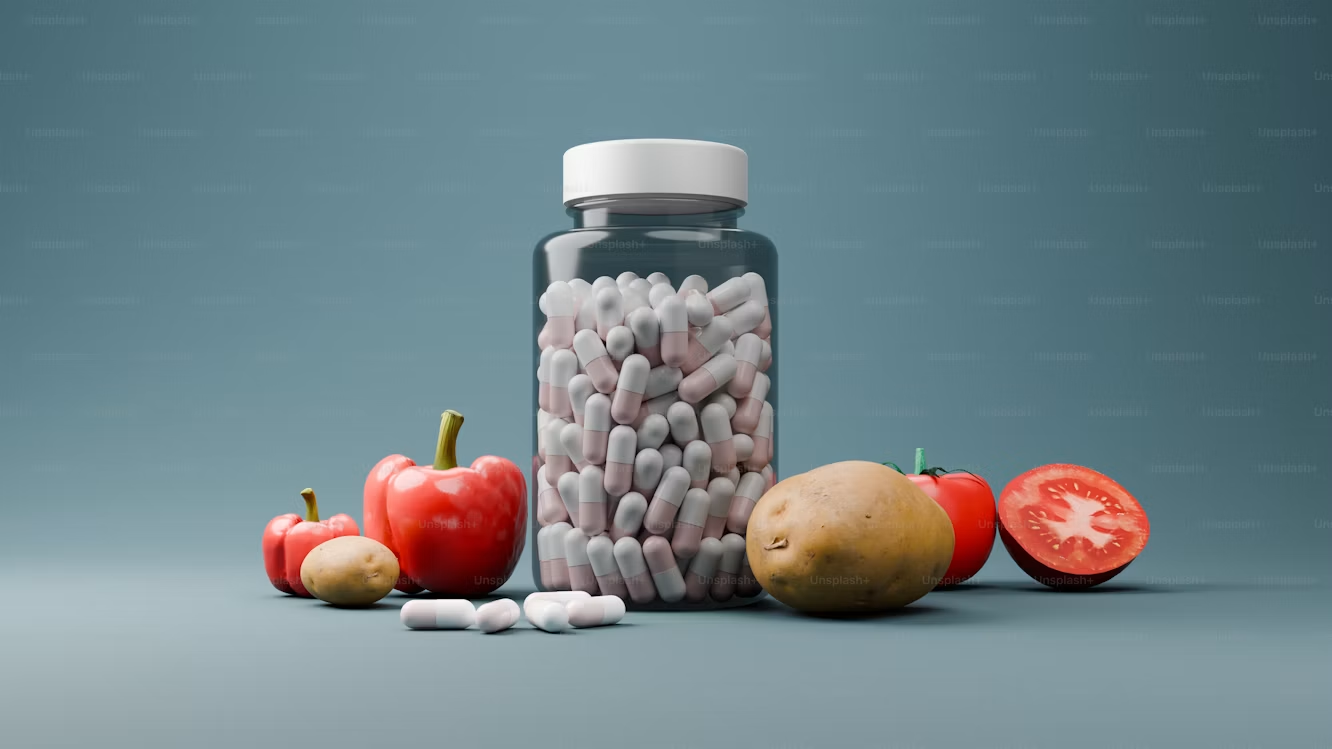
Free radicals are a natural byproduct of bodily processes like metabolism, but they are also introduced by external factors like pollution, UV radiation, cigarette smoke, and poor diet.
Antioxidants act as the body’s peacekeepers. They safely donate an electron to free radicals without becoming unstable themselves, effectively neutralizing the threat and stopping the chain reaction of cellular damage.
Preventing Chronic Disease
By neutralizing free radicals, antioxidants play a profound role in disease prevention:
Heart Disease: Oxidative stress contributes to the oxidation of LDL ("bad") cholesterol, a primary driver of plaque buildup in arteries.
Antioxidants help prevent this oxidation, supporting cardiovascular health and lowering the risk of stroke and heart attack.
Cancer: Cellular damage to DNA is a key trigger for cancer development. Antioxidants protect DNA from this mutagenic damage, potentially reducing the risk of various cancers.
Neurodegenerative Disorders: The brain is particularly vulnerable to oxidative stress due to its high oxygen consumption. Antioxidants help protect brain cells, potentially staving off cognitive decline, Alzheimer’s, and Parkinson’s disease.
How to Get More Antioxidants
You don't need a lab to get antioxidants; you just need a trip to the grocery store. Antioxidants are abundant in colorful fruits and vegetables. Think berries, dark leafy greens, pecans, dark chocolate, and green tea.
By filling your plate with a rainbow of whole foods, you empower your body to fight back against oxidative stress, keeping chronic disease at bay and promoting vibrant, long-term health.