The Effects of Automation on Skilled Labour: Displacement or Elevation?
The rapid advancement of artificial intelligence, robotics, and machine learning has fundamentally shifted the modern industrial landscape. While early automation primarily replaced manual, low-skilled work, the current wave targets complex cognitive and technical tasks. This evolution sparks a critical debate: Are we witnessing the decline of skilled labour, or its evolution?
The Threat of Displacement
Historically, automation meant assembly lines and robotic arms replacing factory workers. Today, algorithms write basic code, AI diagnoses medical scans, and automated software handles advanced financial modeling. These developments threaten traditional white-collar and specialized blue-collar roles alike.
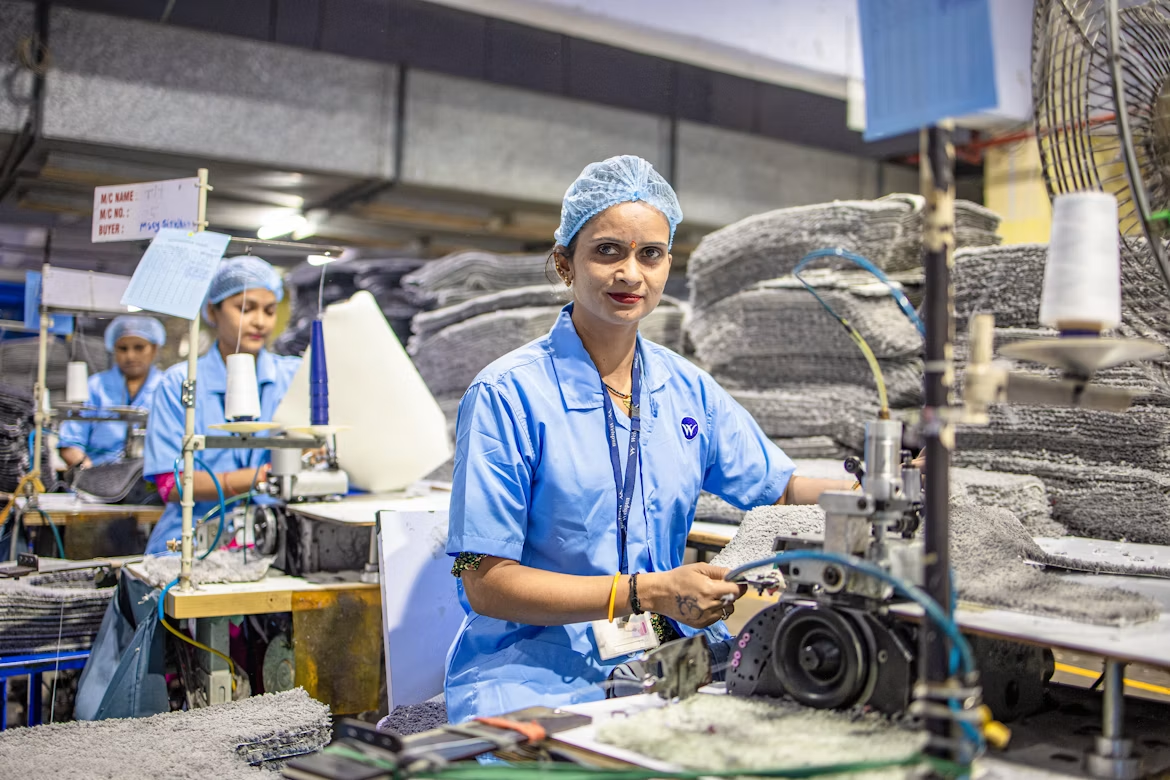
Professionals who rely on repetitive, rule-based execution—such as junior accountants, data entry specialists, and even certain engineering tasks—face genuine displacement as machines prove faster, cheaper, and increasingly error-free.
The Rise of Job Enhancement
However, framing automation solely as a job killer misses the broader economic picture. In most cases, technology acts as a force multiplier rather than a total replacement. For skilled trades like electricians, advanced machinists, and software architects, automation absorbs tedious administrative and technical duties.
This frees human workers to focus on higher-level problem-solving, creative design, and strategic decision-making—areas where human emotional intelligence and adaptability remain unmatched.
Furthermore, the automation boom creates entirely new categories of skilled labour. Roles that did not exist a decade ago—such as AI prompt engineers, robotics maintenance technicians, and cyber-physical systems managers—are now in high demand.
Navigating the Future
Ultimately, the effect of automation on skilled labour depends heavily on adaptability. Lifelong learning and upskilling have become mandatory for career survival.
As routine tasks continue to migrate to machines, the workforce of tomorrow must cultivate uniquely human competencies: critical thinking, leadership, and continuous technical fluency.
By embracing technology as a collaborator rather than a competitor, skilled labourers can transition from executing tasks to orchestrating systems, securing their place in the future economy.