Why Ajax Businesses May Need Commercial Drain and Sewer Cleaning
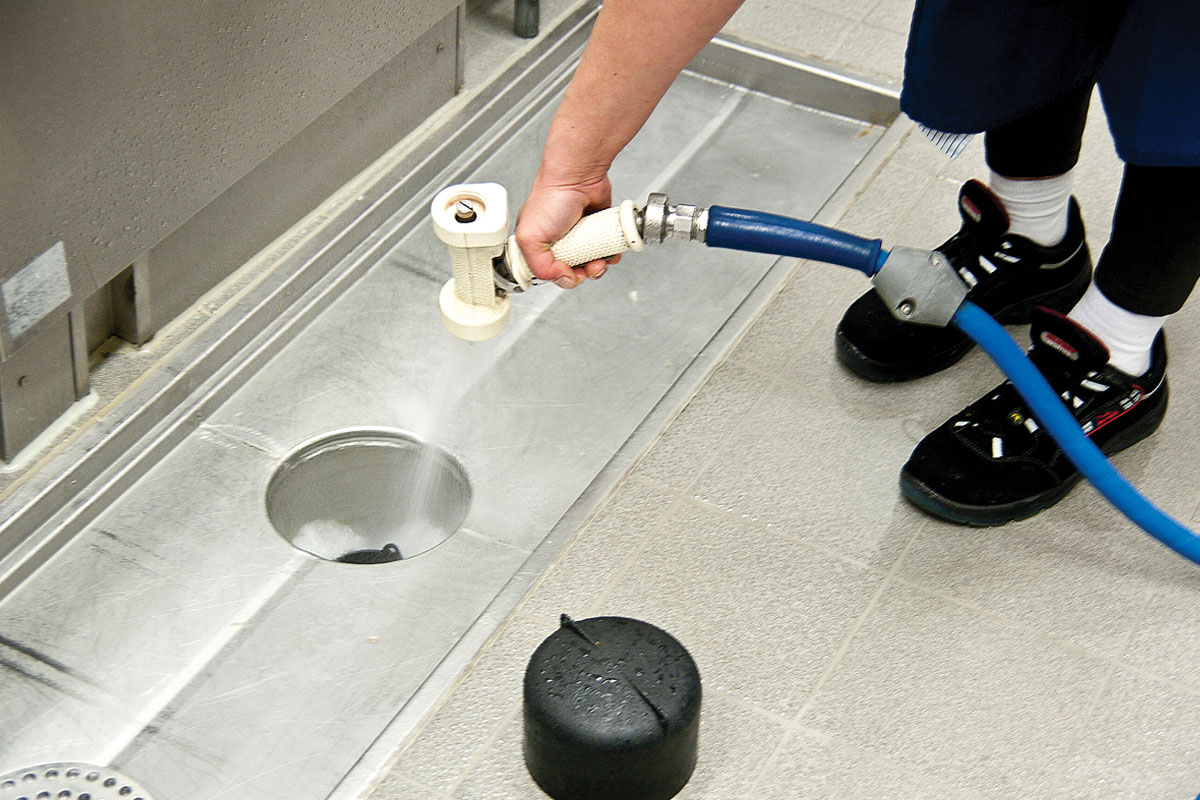
A commercial plumbing system can handle hundreds of individual uses in a single business day. Employees wash their hands, customers use washrooms, commercial kitchens discharge wastewater, cleaning teams empty sinks, and floor drains continuously collect water and debris. This heavier workload makes commercial drainage systems particularly vulnerable to gradual buildup and unexpected blockages.
For businesses in Ajax, drain and sewer problems are more than a plumbing inconvenience. A serious backup can close washrooms, interrupt kitchen operations, create unpleasant odours, damage inventory, or force parts of a facility to temporarily shut down. Regular commercial drain and sewer cleaning can help businesses address developing restrictions before they become operational emergencies.
The type of maintenance a property requires depends heavily on how the building is used. A restaurant, for example, places very different demands on its drainage system than an office or retail store. A local plumbing company in Ajax can evaluate these differences and help determine where recurring drainage problems are developing.
Commercial Drains Work Under Heavier Conditions
Residential and commercial drains perform the same basic function, but the amount and type of material entering them can be dramatically different.
Commercial systems may regularly encounter:
Grease and cooking residue
Soap
Food particles
Hair
Dirt and sediment
Paper products
Cleaning residue
High volumes of wastewater
Even when wastewater continues flowing, some of this material can remain attached to pipe interiors and gradually narrow the available passage.
A Slow Drain Is Often an Early Warning
Businesses should not wait for wastewater to stop moving completely before arranging plumbing service.
A drain that gradually becomes slower may indicate buildup inside the pipe.
Early attention is especially important when the affected drain serves a frequently used area such as:
A commercial kitchen
Customer washroom
Staff washroom
Utility room
Floor cleaning station
Cleaning the line while wastewater can still move may prevent a more disruptive blockage.
Restaurants Face Significant Drainage Demands
Restaurants, cafés, bakeries, and other food-service businesses often have some of the most demanding commercial drainage environments.
Wastewater can contain:
Fats
Oils
Grease
Food particles
Detergents
Organic residue
Even with appropriate grease-management practices, internal drainage lines may still require periodic attention.
Grease Can Gradually Narrow Drainpipes
Hot grease may initially move through plumbing relatively easily, but its behaviour can change as it cools.
Grease can adhere to pipe surfaces and collect additional material.
Over time, this buildup can:
Reduce the pipe opening.
Slow wastewater flow.
Capture more debris.
Eventually contribute to a blockage.
This gradual process explains why a commercial drain may appear normal for months before performance suddenly deteriorates.
Commercial Kitchens Cannot Afford Frequent Backups.
A backed-up kitchen drain can affect sinks, floor drains, cleaning procedures, and general sanitation.
For food-service businesses, even a relatively localized plumbing problem can interfere with important daily operations.
Preventive cleaning can be considerably easier to manage than an unexpected backup during peak business hours.
Floor Drains Need Routine Attention
Floor drains are common in commercial properties because they provide an outlet for water from cleaning, equipment, or accidental spills.
They may be found in:
Kitchens
Warehouses
Mechanical rooms
Laundry facilities
Utility areas
Industrial spaces
Dirt and debris can gradually collect inside these drains, especially when they receive frequent washdown water.
Washroom Drains Experience Constant Use
Commercial washrooms may serve dozens or hundreds of people each day.
Heavy usage increases the likelihood of:
Toilet blockages
Sink drainage problems
Wastewater restrictions
Foreign materials entering drains
Repeated washroom clogs can sometimes indicate a problem beyond the individual fixture.
What Multiple Slow Drains Can Tell You
One slow sink may have a localized obstruction.
When several drains throughout a commercial property become slow around the same time, the issue may be located in a shared drainage line.
Businesses should pay particular attention when:
Multiple toilets flush poorly
Several sinks drain slowly
Floor drains begin backing up
Plumbing fixtures gurgle
These symptoms may justify investigation of the larger drainage or sewer system.
Sewer Odours Should Not Be Dismissed
Persistent unpleasant smells around drains can affect both employees and customers.
Odours may have several possible causes, including drainage or plumbing conditions that require investigation.
Businesses should note:
Where the smell is strongest
Whether it occurs continuously
Whether drainage has also slowed
Whether nearby fixtures are frequently used
These details can assist professional troubleshooting.
Gurgling Can Indicate Restricted Drainage
Commercial plumbing systems should generally move wastewater without producing unusual reactions in nearby fixtures.
If toilets bubble or drains gurgle when other fixtures are used, pressure changes within the drainage system may be occurring.
This does not identify the exact cause by itself, but it can be an early warning that the system deserves attention.
Sewer Backups Can Disrupt an Entire Business
A serious sewer blockage can affect multiple fixtures simultaneously.
Wastewater may appear through:
Floor drains
Toilets
Lower-level sinks
Other low plumbing fixtures
At this stage, continuing to use water elsewhere in the building can potentially add more wastewater to the affected system.
Backups Can Create Property Damage
Commercial sewer problems can affect much more than plumbing fixtures.
Escaping wastewater can damage:
Flooring
Drywall
Stored products
Furniture
Equipment
Inventory
Businesses with finished basements or valuable ground-level inventory may face particularly significant consequences.
Customer Experience Can Be Affected
Plumbing conditions can influence how customers perceive a business.
Closed washrooms, unpleasant drain odours, visible wastewater, or overflowing fixtures can quickly create a negative impression.
Preventive plumbing maintenance therefore contributes not only to building operations but also to maintaining a professional environment.
Employee Productivity Matters Too
A drainage failure can interrupt employees who depend on:
Washrooms
Kitchen facilities
Cleaning stations
Utility sinks
Process water
When essential plumbing cannot be used, staff may be unable to perform normal duties.
Retail Properties Have Different Drainage Priorities
A retail store may not produce the same grease volume as a restaurant, but dependable washroom and utility drainage is still important.
Retail businesses may also have merchandise stored close to floor level, making wastewater backups particularly concerning.
Maintenance priorities should reflect the property's actual layout and usage.
Offices Still Need Drain Maintenance
Office plumbing can develop problems even without commercial kitchen activity.
Common concerns include:
Washroom clogs
Sink buildup
Improperly flushed materials
Aging drainage piping
Shared sewer restrictions
Large offices with many employees can place considerable daily demand on plumbing fixtures.
Multi-Tenant Buildings Can Be More Complicated
Commercial plazas and multi-unit properties often have drainage lines serving several businesses.
When a shared line becomes restricted, symptoms may appear in more than one unit.
Determining whether the blockage is localized or shared is an important part of diagnosis.
Property Managers Benefit From Maintenance Planning
For property managers, responding to emergency blockages across multiple units can consume significant time and resources.
A planned drain maintenance program can help identify:
Frequently problematic lines
High-use areas
Recurring blockage locations
Businesses generating heavier drainage loads
Maintenance can then be scheduled around the needs of the property.
Drain Cleaning and Sewer Cleaning Are Not Always the Same Job
A blockage near one sink requires a different approach from a restriction within a main sewer line.
Commercial drainage systems can contain:
Fixture branches
Floor drains
Kitchen drainage
Main building drains
Sewer connections
The location and nature of the restriction determine which cleaning approach is appropriate.
Professional Diagnosis Comes Before Cleaning
Not every slow drain should automatically receive the same treatment.
Experienced expert plumbers can assess which fixtures are affected, how the symptoms interact, and whether the problem appears to involve a local drain or a larger section of the wastewater system.
This diagnostic step can prevent time from being spent cleaning the wrong part of the system.
Mechanical Drain Cleaning Has Specific Applications
Mechanical equipment can be used to clear certain types of drain obstructions.
The appropriate method depends on factors such as:
Pipe size
Drain location
Type of blockage
Accessibility
Condition of the piping
Commercial plumbing requires choosing the method based on the actual situation rather than relying on one technique for every blockage.
Hydro Jetting Can Address Heavy Buildup
Some commercial lines develop significant accumulation along the interior pipe walls.
Where suitable for the plumbing system, hydro jetting uses high-pressure water to remove certain types of buildup and debris.
It may be considered for conditions involving:
Grease
Sludge
Deposits
Persistent residue
The condition of the piping should be evaluated before selecting a cleaning method.
Camera Inspection Can Help With Recurring Problems
When a commercial sewer repeatedly becomes blocked, simply clearing it may not explain why the problem keeps returning.
A plumbing camera can sometimes help identify conditions such as:
Root intrusion
Pipe damage
Heavy buildup
Foreign objects
Structural irregularities
Visual information can make it easier to plan the next step.
Tree Roots Can Affect Commercial Sewer Lines
Underground sewer lines can become vulnerable to root intrusion if openings develop around joints or damaged sections.
Roots entering the line can catch debris and gradually restrict wastewater flow.
Removing the immediate blockage may restore drainage, but recurring root problems can require additional investigation of the pipe itself.
Damaged Pipes Can Mimic Ordinary Clogs
Slow drainage is not always caused by removable debris.
A pipe that has shifted, deteriorated, cracked, or developed another structural problem may restrict wastewater movement.
This is one reason repeated cleaning without lasting improvement should prompt further evaluation.
Cleaning Can Support Preventive Maintenance
Businesses do not necessarily have to wait for a complete blockage.
Scheduled drain and sewer cleaning can be particularly useful for properties with predictable heavy usage.
Potential candidates include:
Restaurants
Food-processing facilities
Hotels
Multi-unit buildings
High-traffic retail properties
Commercial kitchens
Maintenance frequency should reflect actual conditions rather than an arbitrary schedule.
Maintenance History Can Reveal Patterns
Businesses should keep basic records of drainage problems and cleaning.
Useful information includes:
Date of service
Drain affected
Type of blockage
Frequency of recurrence
Recommended follow-up work
Over time, these records can reveal whether one section of the plumbing system consistently requires attention.
Timing Maintenance Around Business Hours
Planned commercial drain cleaning offers businesses more control over scheduling.
Rather than responding to an unexpected backup during peak hours, maintenance can often be arranged around quieter operational periods.
This can help reduce interference with employees and customers.
Emergency Cleaning Is Sometimes Unavoidable
Even well-maintained plumbing can experience unexpected problems.
Urgent service may be needed when:
Wastewater is actively backing up
Several fixtures stop draining
Customer washrooms become unusable
A kitchen drain prevents normal operation
A floor drain overflows
Businesses should limit unnecessary water use until the problem is evaluated.
Do Not Repeatedly Flush a Backed-Up System
When a drain or sewer is already backing up, adding more water can make the situation worse.
Repeatedly flushing toilets or running sinks to "test" the blockage may send additional wastewater toward a line that cannot carry it away.
Instead, affected fixtures should remain unused until the restriction is assessed.
Commercial Plumbing Requires a Long-Term Approach
The objective of drain cleaning should not always be simply restoring flow for today.
Businesses with recurring problems should ask:
Why did the blockage develop?
Has this line clogged before?
Is buildup returning unusually quickly?
Could pipe damage be involved?
Would preventive cleaning reduce future interruptions?
These questions help turn an emergency repair into useful maintenance planning.
When Professional Commercial Cleaning Makes Sense
There comes a point when plungers and basic drain-clearing methods are no longer appropriate for the scale of the problem.
A trusted plumbing service for Commercial drain and sewer cleaning in Ajax can be particularly important when multiple fixtures are affected, blockages repeatedly return, or wastewater problems threaten normal business operations.
Professional assessment can determine which lines require cleaning and whether further inspection is justified.
Preparing Your Business for Plumbing Service
A few practical steps can make commercial drainage service more efficient.
Property managers can:
Identify all affected fixtures.
Note when symptoms began.
Stop unnecessary water use if a backup is occurring.
Provide previous service records where available.
Ensure access to relevant plumbing areas.
Inform the plumber about recurring problems.
This information can help narrow down the likely source.
Preventing Future Commercial Drain Problems
Good daily practices can complement professional maintenance.
Businesses can reduce avoidable drainage problems by:
Keeping inappropriate materials out of toilets
Managing grease carefully
Using suitable sink strainers
Preventing solid debris from entering floor drains
Responding to slow drainage early
Training employees on proper waste disposal
Preventive habits are especially valuable in high-volume environments.
Final Thoughts
Ajax businesses depend on drainage and sewer systems that can reliably manage daily wastewater without interfering with operations. Heavy usage, grease, food residue, foreign materials, sediment, aging pipes, and structural sewer problems can gradually reduce drainage performance until a serious blockage develops.
Early symptoms such as slow drains, recurring clogs, sewer odours, gurgling fixtures, and wastewater appearing in floor drains should be treated as useful warnings. Investigating these signs before complete blockage can give businesses more control over repairs and scheduling.
Commercial drain and sewer cleaning is therefore not limited to emergency response. For restaurants, offices, retail stores, warehouses, commercial plazas, and other facilities, it can form an important part of preventive plumbing maintenance. By combining responsible daily practices with professional inspection and cleaning when required, Ajax businesses can reduce unexpected backups, protect their properties, and keep essential plumbing operating with less disruption.