The Golden Glow: Discovering the Beauty of Celandine Flowers
When spring arrives in the northern hemisphere, few plants announce the season quite as vibrantly as the Celandine (Chelidonium majus). Often referred to as "Greater Celandine," this perennial herb belongs to the poppy family and is celebrated for its bright, sunny yellow petals and its fascinating historical significance.
Identification and Characteristics
Celandine flowers are easily recognizable by their four distinct, butter-yellow petals. They typically bloom from late spring through early summer, standing atop leafy stems that can reach up to two feet in height. One of the most unique features of the plant is its sap; when the stem is broken, it secretes a thick, opaque, orange-yellow latex.
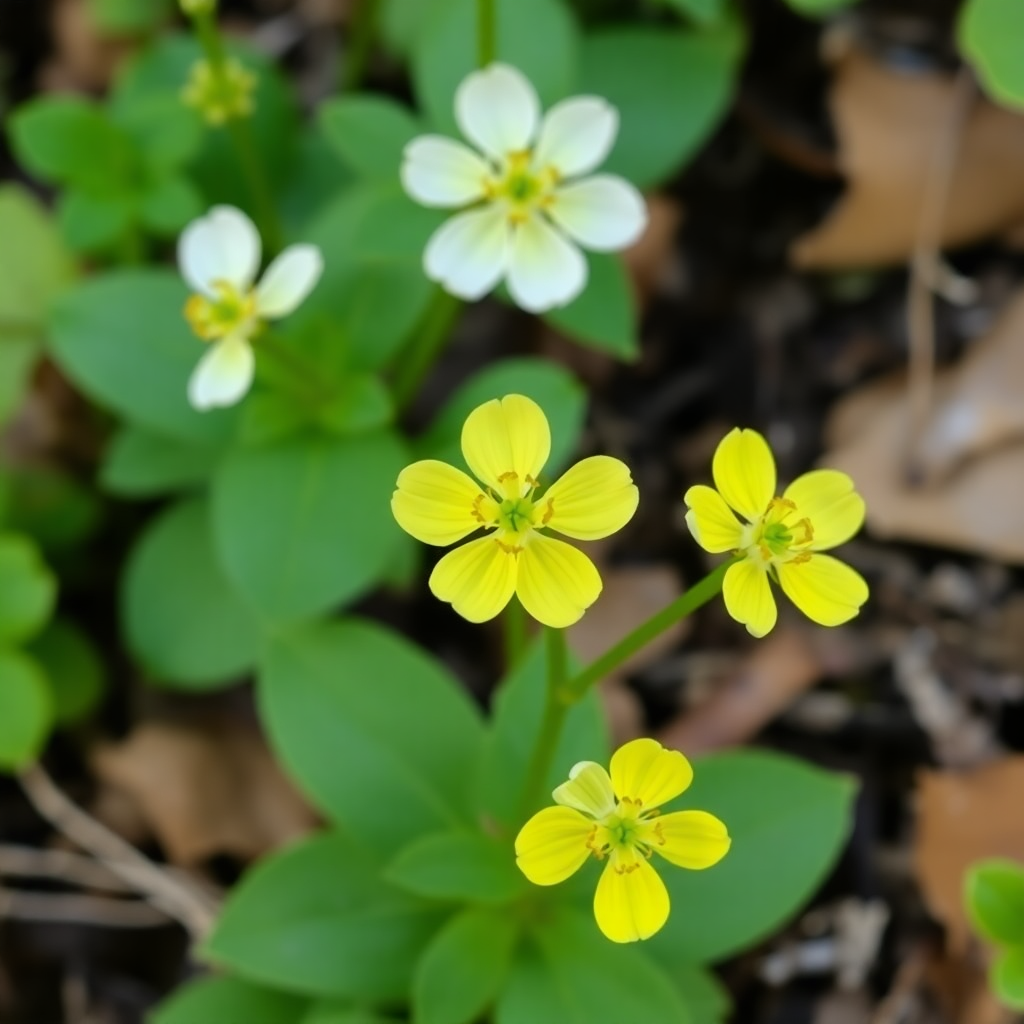
This characteristic is so distinct that it was historically used in medieval "Doctrine of Signatures" herbalism to treat jaundice—a condition marked by yellowing skin—because the plant’s sap matched the color of the patient's complexion.
A Rich Folklore History
Beyond its botanical appeal, Celandine is steeped in folklore. In the Middle Ages, it was known as "swallow-wort." Legend suggested that swallows used the sap to improve the eyesight of their fledglings. While modern science has moved away from such claims, the plant remains a subject of intrigue for botanists and herbal enthusiasts alike.
Growing and Preservation
Celandine thrives in damp, shady areas, often appearing along hedgerows, woodland edges, and near stone walls. Because it is highly adaptable, it can spread quickly in a garden setting. If you are foraging or gardening, note that the plant contains alkaloids that can be irritating to the skin—always wear gloves when handling the stems to avoid contact with the potent sap.
Whether you admire them for their cheerful color or their historical medicinal mystery, Celandine flowers are a quintessential emblem of the wild, untamed beauty of the spring landscape. Keep an eye out for these golden blooms on your next woodland walk!